








Stephen King is profoundly well-known as the “King of Horror” among more than just classic literature fans. His writing is able to pull readers into a horrifying world, making his style engaging and well known, and ultimately makes up a large portion of the horror genre, with books like The Shining, Pet Sematary, and It. Regardless, there is an even longer assortment of literature that deserves recognition. Authors who can equally create a compelling narrative, twisting horror into a wide variety of genres such as gothic, fantasy, and dystopian. So if you’re looking for more than just supernatural horror with suspense, this list of authors is for you.
Edgar Allen Poe
Although Edgar Allen Poe was often misunderstood in his lifetime, his work never fails to stay relevant. In Poe’s short stories and poetry, his specific style and brilliance create timeless literature for horror fans. Born in the early 1800s, he is known to be one of the first successful short story writers and later a critical theorist. His ability to root his work directly from philosophical ideals and the condition of human existence later led his tales of horror to be told with a profound psychological intensity that still reflects on readers today.
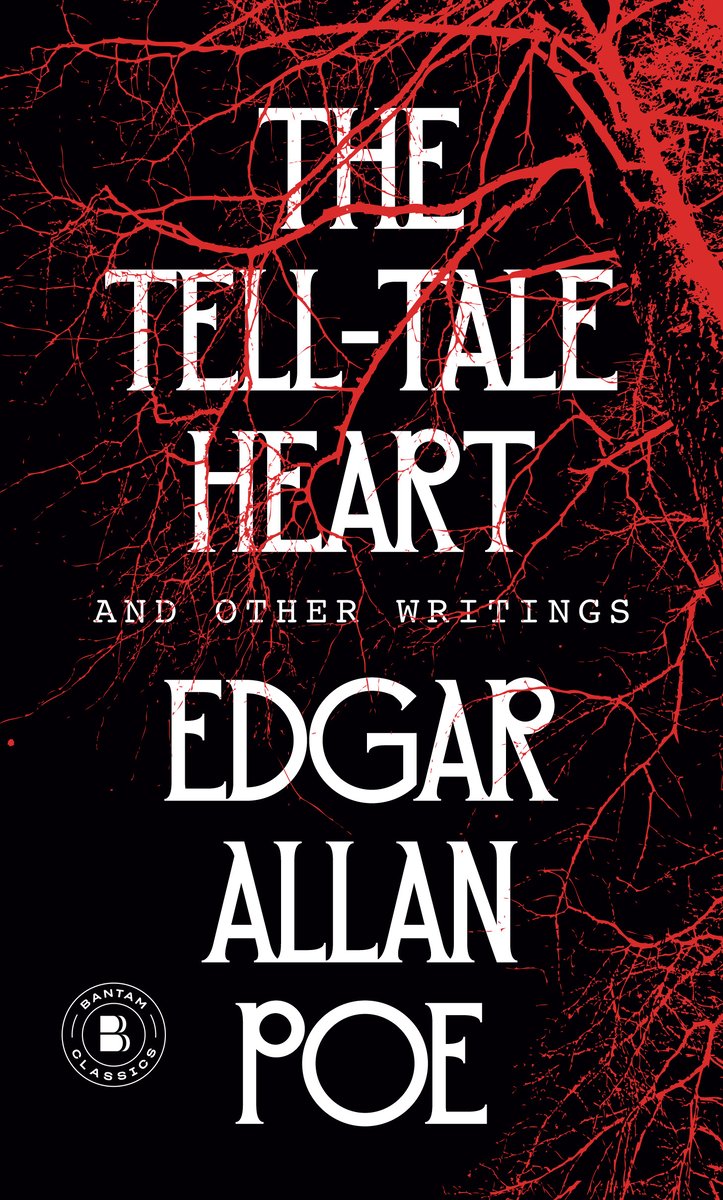
One of Poe’s most popular short stories, The Tell-Tale Heart, I believe, greatly represents his ability to create a compelling story by capturing the psychological depth of the human mind. Using dark diction, he conveys how one man drives himself further into the unraveling of insanity through his own guilt. Rather than just the supernatural, Poe constructs a deeply immersive narrative rooted in the mental and psychological aspects of terror.
Guillermo del Toro
Guillermo del Toro is well-known as a filmmaker, author, and extremely talented artist. Some of his popular work includes Pan’s Labyrinth: The Labyrinth of the Faun, The Shape of Water, and Troll Hunters, each inviting readers into a unique blend of gothic horror and fantasy fairy tale. His ability to shape a world of dark fantasy captures the audience in narratives that greatly outshine conventional storytelling.
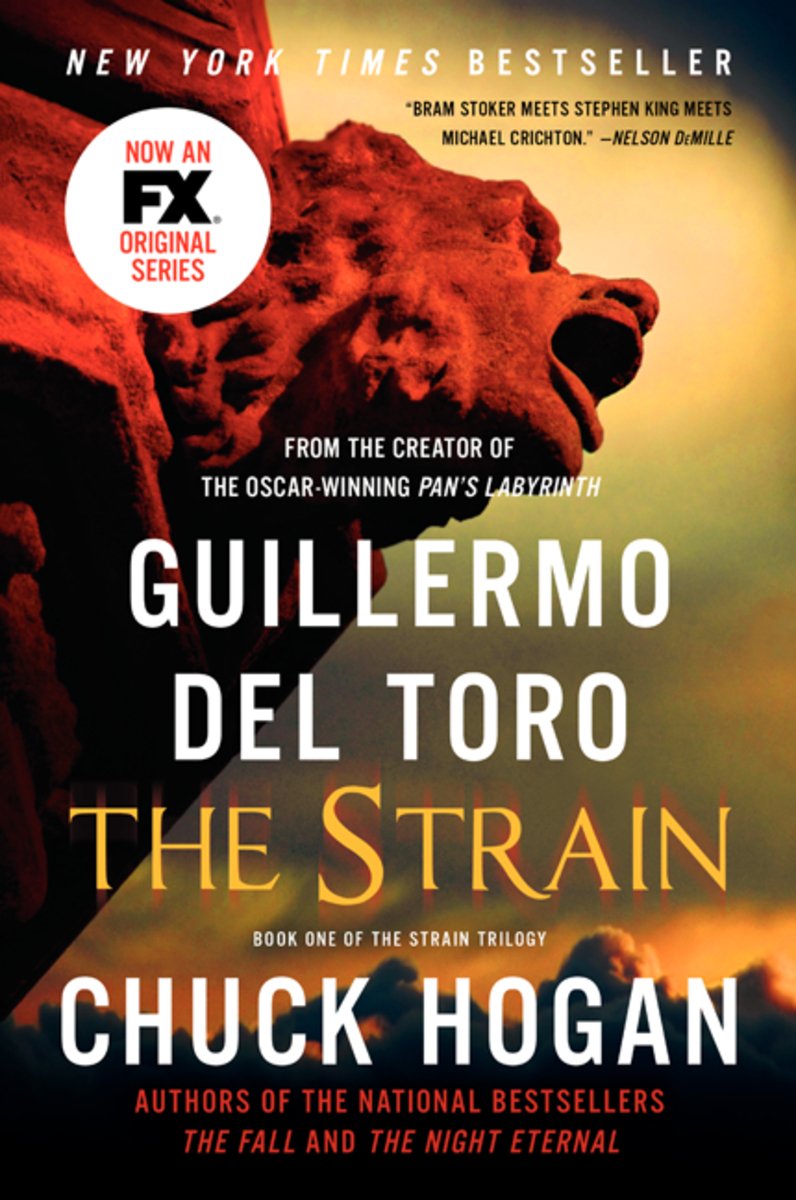
The Strain is a trilogy by both Guillermo del Toro and Chuck Hogan. Although very similar to a typical zombie troupe, this story is set with zombies instead, crossing both supernatural creatures into a frightening horror series. An infection caused by an ancient, parasitic form of vampirism leads those infected to become undead creatures that hunger for blood. If you loved Nosferatu and Count Orlok’s connection to the 1900s plague, you’ll be drawn to The Strain’s unique take on vampires as the carriers for disease in a modern world. Telling a thrilling tale with a suspenseful, action-packed plot, Toro and Hogan set a scene with extraordinary design, immersing readers into a world of fear.
T. Kingfisher
Under the pen name T. Kingfisher, Ursula Vernon writes novels with a unique blend of genres of fantasy and horror. Kingfisher is able to infuse these distinct categories with humor, charm, and a voice both contemporary and evocative. Her most popular book, Swordheart, is a high fantasy romance, but besides that, she has a long array of horror novels that are worth reading.

Kingfisher’s novel, The Hollow Places, is a horror novel based on the classic work, The Willows by Algernon Blackwood, published in 1907. By incorporating Blackwood’s weird fiction, Kingfisher is able to draw on themes of terrifying, desolate “other” places. After a young woman discovers a strange portal in her uncle’s house, she discovers these obscure, alternate realities are haunted by horrid, terrifying creatures. This is another compelling novel that is a must-read on your list that you won’t be able to put down.
Grady Hendrix
Grady Hendrix has a long list of books with supposedly quite humorous titles like My Best Friend’s Exorcism and The Southern Book Club’s Guide to Slaying Vampires. Regardless, I believe his horror novels aren’t necessarily comedic for the most part. Hendrix is able to add humor and heart into his novel when needed, but his style will still terrify you.

For example, Hendrix’s popular novel, Horrorstör, is ultimately set in an IKEA store, creating an absurdist take on consumerism, yet it leads into a suspenseful, uncomfortable traditional haunted house story. Suppose you’re interested in a novel with a more amusing storyline. In that case, Hendrix’s clever and satirical novel still delivers enough unsettling scares for it to be an ideal recommendation for horror fans.
Margaret Atwood
Although Margaret Atwood’s literature is not necessarily labeled as horror, her dystopian novels led readers into fear of our governmental future. The Handmaid’s Tale is Atwood’s most famous book and well-known among all kinds of readers, but it still deserves recognition to this day as it continues to speak to the world we live in. As she speaks from a feminist perspective, Atwood’s stories touch on the fears women experience today in their relationship to the world and the individuals around them.

The Handmaid’s Tale offers a fearful sense of what reality could become in a totalitarian regime after a radical political group overthrows the government. A new society is created where women’s rights and liberties are dismantled, ultimately enslaving fertile women to produce children. This novel is dark, violent, and raw, inducing fear in readers about the future in the world Atwood creates. So, in this tale of dystopian fiction, I believe there’s still a well-deserved spot for it on this list.
Mona Awad
Mona Awad is a novelist and short story writer, most known for her works of dark fiction. Awad’s style blends genres like horror, dark academia, and magical realism with dark humor, making her work distinct and immersive for readers. One of her most popular novels is truly bizarre, creepy, and even hilarious, blending female cliques with cults. Bunny is a necessary read.
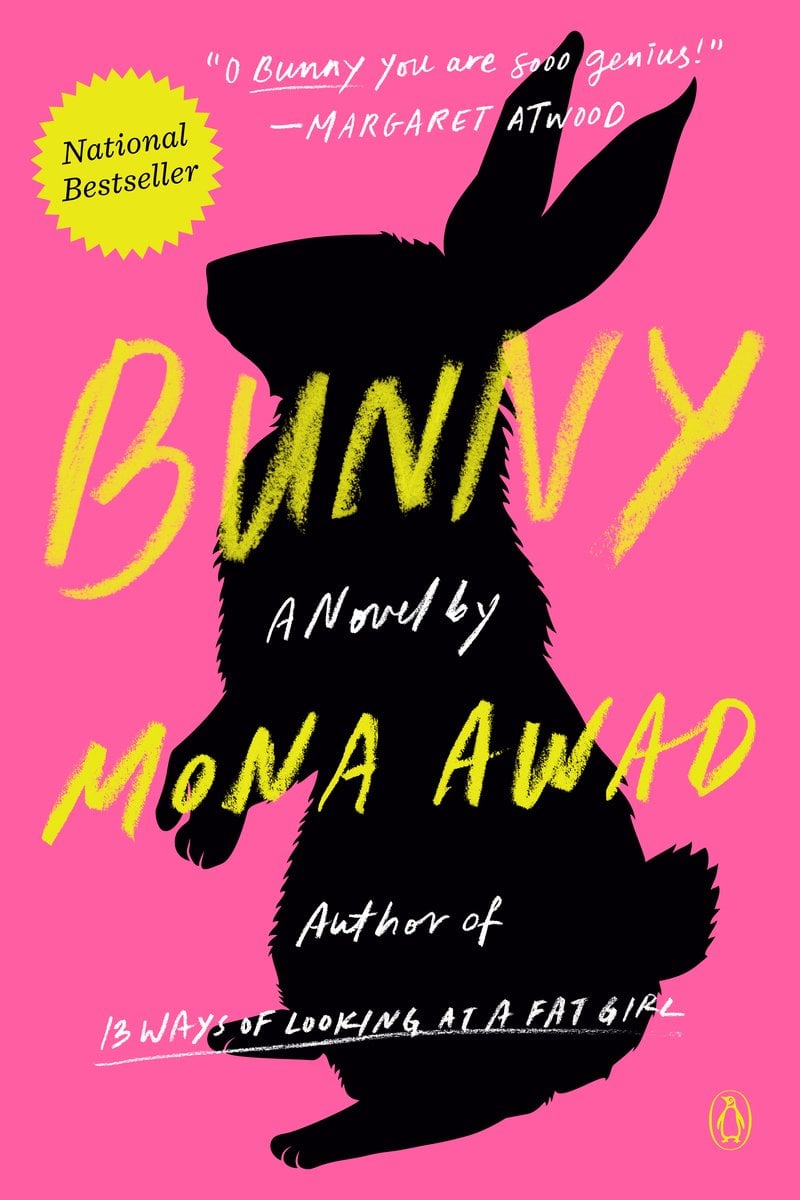
With themes for loneliness, friendship, and desire, Bunny follows the protagonist Samantha as she is drawn into a clique of hyper-feminine girls called the Bunnies. This leads her down a horrific, fevered rabbit-hole of sacrificial rituals and body horror, enough to blur the lines between reality and fantasy. Awad’s addictive writing leads the reader into questioning what is real and what is a product of Samantha’s imagination.
Agustina Baztericca
With only three recently published novels translated into English, Agustina Bazterricca’s work presents compelling narratives that expose the dark aspects of human nature. She has a larger array of work, including a variety of novels and short stories, most of which are in her native language, Spanish. Whether you’re interested in a longer story or a collection of shorter ones, Bazterrica provides a visceral, dystopian world with themes that are all aspects of horror; dark, disturbing, and unsettling, overall exploring human morality and the complexity of social structures.

In a world where all animal life has been contaminated, the novel Tender is the Flesh creates a dystopian, dehumanized society where cannibalism has become legal and humans are bred and slaughtered for food. As the main character, Marcos, works at a human-food processing plant, he becomes emotionally involved with a female specimen. Therefore, questioning the morality of society’s practices. In her brilliant and horrific novel, Baztericca doesn’t shy from critiquing exploitation, using cannibalism as a powerful metaphor to represent the vicious and savage system of capitalism.
John Langan
John Langan’s writing exposes the horror beneath deep human trauma and emotion. His effective storytelling techniques immerse the reader in a fantastical, supernatural world while maintaining emotional realism, which holds the heaviest weight in how the story is interpreted. If you’re keen on seeing horror through a humanistic way, Langan’s fiction delves into unsettling stories told through the inner life of emotion.
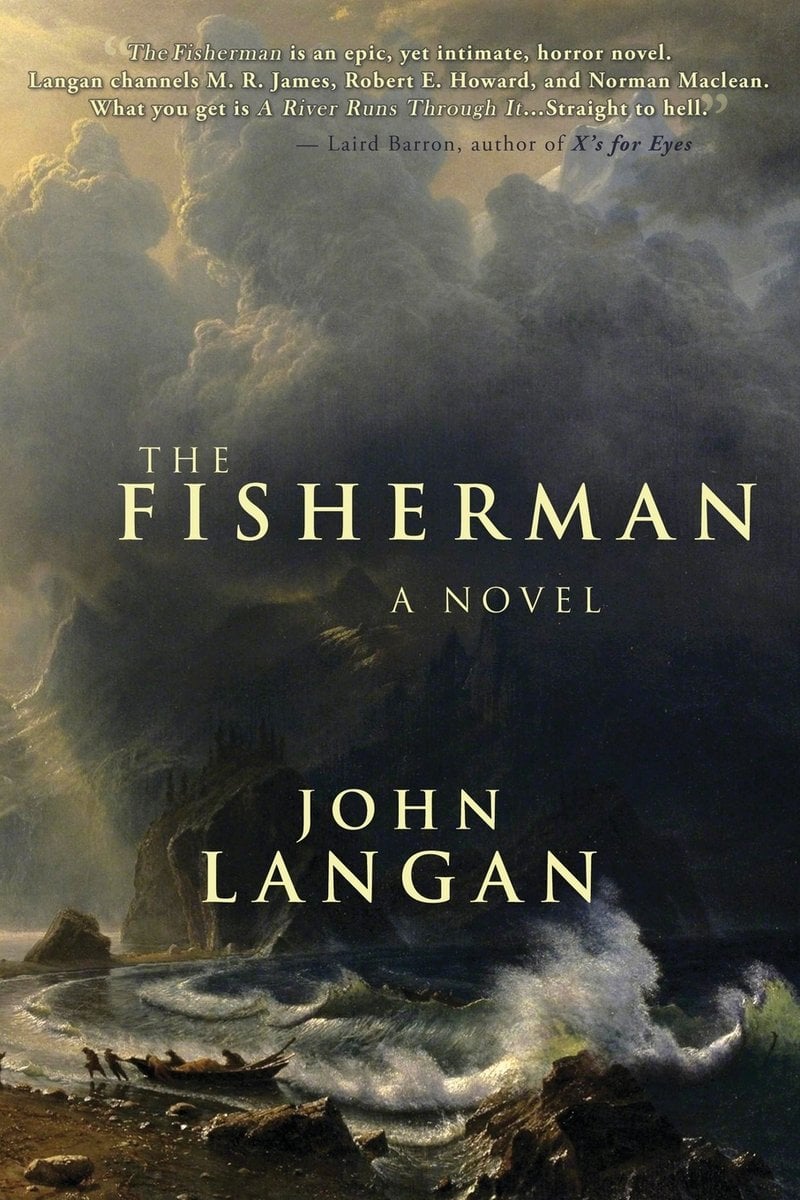
Langan’s novel, The Fisherman, is one of his most outstanding examples of his literary talent through just those themes. Through fishing, a man named Abe copes with his wife’s death, only to find himself drawn further into the abyss of mysterious Dutchman’s Creek. This journey leads him into a complex story rooted in ancient evils and grief, weaving together themes of loss, dread, and the search for meaning.
Cassandra Khaw
Not only is Cassandra Khaw a novel writer, but they are also known for their video game scriptwriting, articles, tabletop RPGs, and short stories. In their writing, they incorporate visceral descriptions, exploration of body horror, and gore, highlighting the immersive world they are able to create when pertaining to horror. Many of their popular novels include a detailed integration of Southeast Asian mythology and Japanese folklore into a creation very unsettling and unique.

The Salt Grows Heavy is a very bizarre and beautiful yet dark novel. In this fairytale of a mermaid coming to shore for dreams of a Prince (almost in a horror spin on The Little Mermaid), her aspirations are turned into a gruesome reality. When her daughters devour the kingdom, our character is left to flee with a plague doctor. Together, they are thrown into a mystical, eerie forest where we find that Khaw’s imagination is truly limitless. As they navigate the darkness in the world, they find that with it, the two must embrace the darkness within themselves.
Stephen Graham Jones
Stephen Graham Jones has a very long list of fiction novels that delve into a variety of genres that aren’t simply just horror. And even though we are purely reading through horror, Jones incorporates crime fiction, science fiction, and experimental fiction aspects, making his writing so much more astounding. His writing style is real and refreshing, and although not for everyone, very intimate, embracing his voice in a Native American speaking style. He is known for how he reinvents horror tropes and creates them into complex narratives that feature tension, emotional depth, and dark humor.

In Jones’s novel, The Only Good Indians, we are met with intimate, devastating, and terrifying themes that are told through a heartbreaking tone. Ten years ago, after four young Blackfeet Native Americans go on a hunt, killing an elk mother and her calf, their past catches up to haunt them. A vengeful spirit known as Elk Head Woman emerges from the land to take revenge on them for their disrespect of sacred ground. Jones’ narrative offers a perspective on not often-seen horror literature, delving into deeper issues of guilt, generational trauma, and a spiritual clash.
In this range of authors who, like Stephan King, highlight the horror genre in unique ways, showcase how horror can be terrifying, philosophical, or deeply human. We see that although King is often celebrated as the “King of Horror”, the genre extends further beyond his tales and suspense. These writers remind us that horror is not a single voice, but a range of perspectives that continue to redefine fear in literature.
Explore a range of voices highlighting terrifying tales of suspense here.
Find more must-read horror recommendations this October here.