


















Trigger Warning: This article contains discussions of the legacy of racism and colonization of American Indians, including topics such as Residential Schools and cultural appropriation. Please exercise personal care while reading.
As American Indian Heritage Month rolls around, it’s important to take time to honor and recognize the Indigenous peoples who first cared for and cultivated this land. While we learn from their stories of resilience and perseverance, we must also acknowledge how they have been misrepresented in much of classic literature.
Many novels that are either often taught in schools or have gained popularity through public discourse have American Indian stereotypes that are constantly perpetuated in underlying ways. Over time, many of these tropes have been repeated so often in textbooks, films, and media that they now seem “natural.” Beneath what we deem as literary “goodness” is hidden bias, causing these stereotypes to be often overlooked. Excusing them as simply “a product of their time” prevents a deeper critique and stops us from further education on the topic.
Because of this, let’s take the time to educate ourselves on popular classic literature perpetuating American Indian stereotypes.
Little House on the Prairie by Laura Ingalls Wilder
Although the Little House on the Prairie books were first popular around the 1930s and ’40s, their popularity significantly grew through their TV show adaptations in the ’80s and ’90s. Because of the themes of family, resilience, and community, the books remain timeless and resonate deeply with those seeking simpler living and a connection to the past. Even though the main aspects of the series are to invoke joy and teach strong family values and moral lessons, this classic is rooted in underlying racism towards Indigenous peoples.
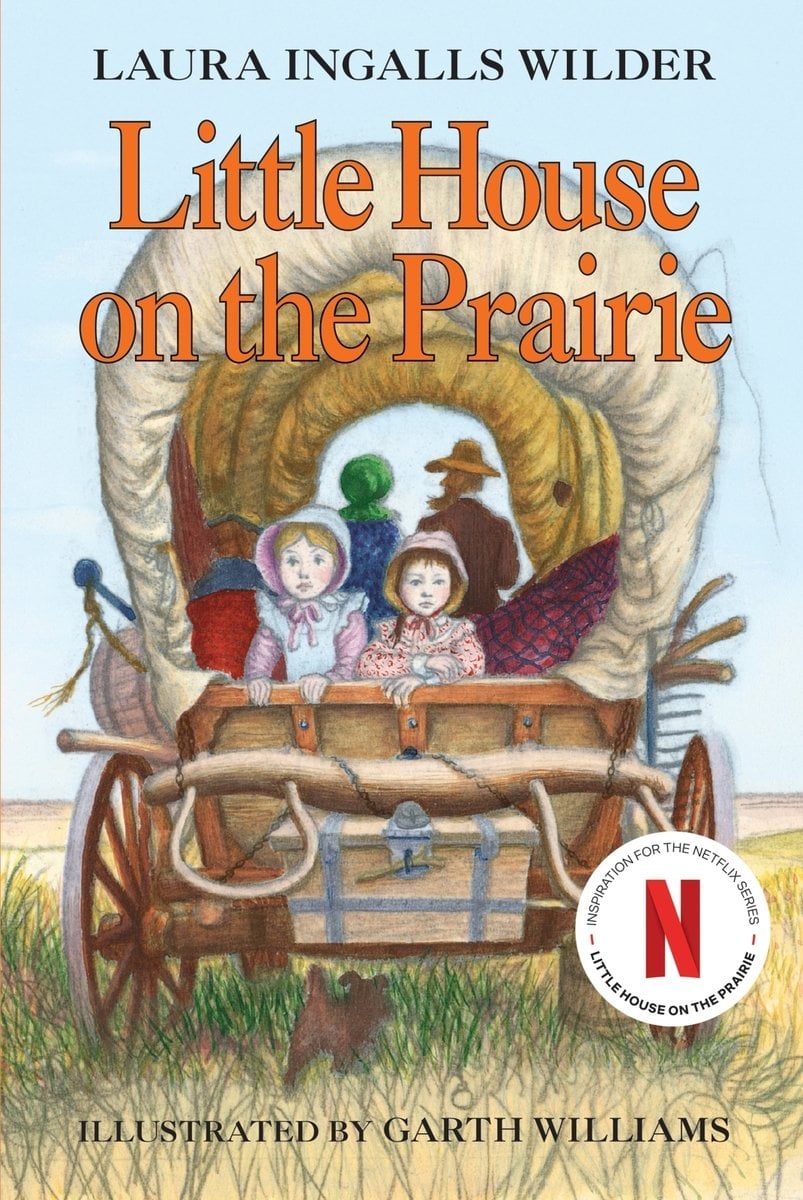
As we continue to learn about Little House on the Prairie, whether it’s through watching or reading, it’s important to understand the context with a critical eye. Although the book is filled with rosy depictions of White settlers, in contrast, there are racist depictions of American Indians. The character Ma frequently calls Native people “savages,” and another character, Laura, describes them as “dirty” and “frightening.” This misrepresents and dehumanizes entire cultures. Even when Laura expresses curiosity or fascination, her perspective is filtered through fear and misunderstanding.
Little House on the Prairie is often taught in schools and seen as a classic of American childhood. Rather than erase or ignore its problematic elements, we can openly acknowledge the harm these portrayals caused and continue to perpetuate. Discussing its racist elements among teachers and readers prevents further romanticization of settler colonialism and promotes a more inclusive education.
My Heart Is on the Ground: The Diary of Nannie Little Rose, a Sioux Girl by Ann Rinaldi
The book My Heart Is on the Ground: The Diary of Nannie Little Rose, a Sioux Girl is set in a real Indian Industrial School, the goal of which erases Native cultures and languages. Rinaldi, as a non-Native author, wrote from the perspective of a Lakota girl without fully understanding or representing her culture authentically. This kind of cultural appropriation can spread false ideas about Indigenous experiences and identities.

When understanding the context of My Heart Is on the Ground, it’s equally crucial to recognize the racist aspects that the novel consists of. Unlike Little House on the Prairie, which reflects racism from a settler point of view, Rinaldi’s novel tells an American Indian story inaccurately and disrespectfully. The novel portrays the school as a place of opportunity, yet in reality, Carlisle was a site of forced assimilation where children were stripped of their culture. The book even misuses real names, attributing them to fictionalized characters, which is offensive to Native communities, as those names belonged to real children who endured trauma. Rinaldi portrays Carlisle Indian Industrial School as good-natured, instead of depicting the real trauma and violence of forced assimilation. This reinforces a long pattern of silencing when non-Native writers speak for Native people. From here, we can make space for Indigenous people to tell their true, authentic stories.
The Indian in the Cupboard by Lynne Reid Banks
The Indian in the Cupboard is often read as a children’s book, therefore shaping early ideas about race, difference, and Indigenous identity. Critically discussing this can help readers truly understand the stereotypes portrayed in outdated books that only see American Indians through a narrow lens. Our character, Little Bear, is an Indigenous character portrayed as a miniature “toy” brought to life by a White child named Omri. Little Bear is written based on stereotypes. His speech, actions, and mannerisms reflect outdated ideas of American Indians rather than authentic representation.
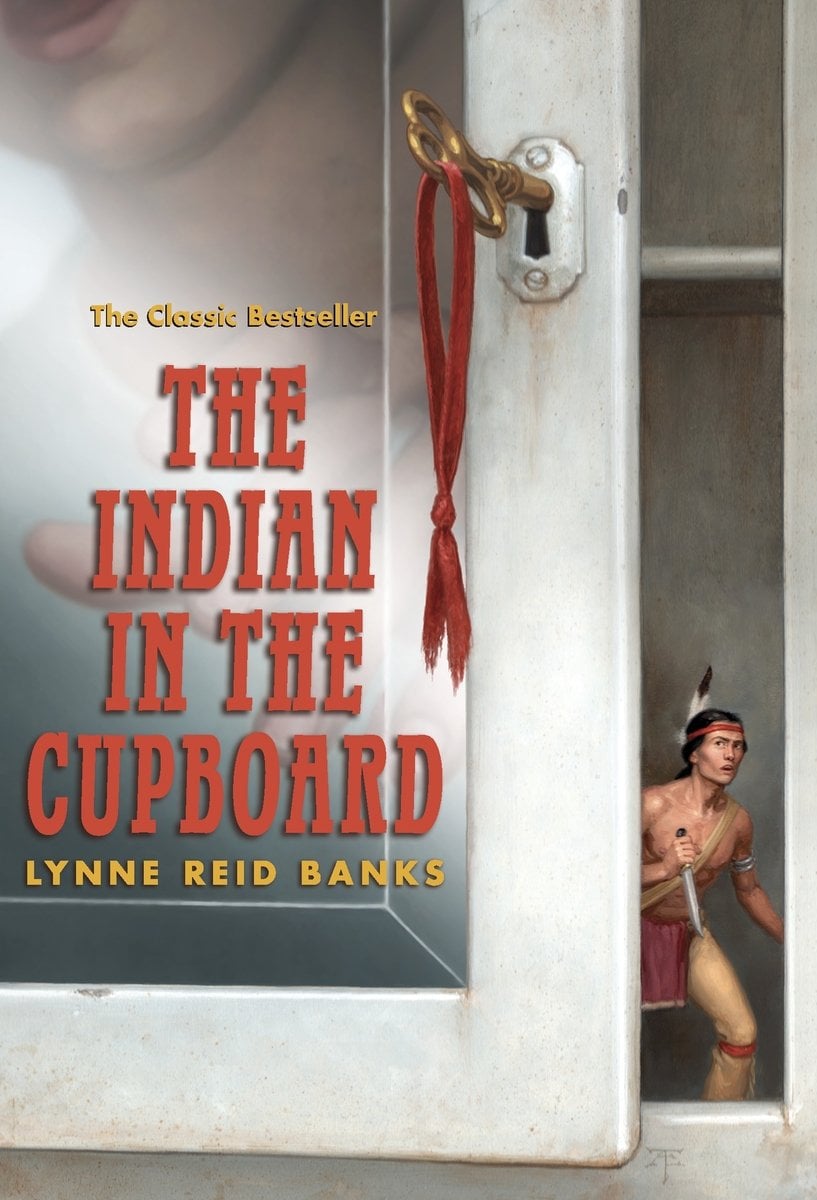
This dynamic between Little Bear and Omri further reinforces racist ideas of Native peoples as curiosities rather than real human beings. When authors disguise harmful stereotypes as fantasy, it can be easy to overlook the underlying themes, but it is overall detrimental to being open-minded. Instead, reading this novel through a critical lens will help us challenge these ideas and seek authentic Indigenous voices instead.
Wyandotté by James Fenimore Cooper
Set during the American Revolution, Wyandotté follows a family’s settlement in New York and their interactions with the Tuscarora chief, Wyandotté. This novel explores the conflict between settlers and American Indians through early 19th-century ideas, meaning the European settlers were viewed as “civilized” and Indigenous peoples as “savages.” We only see the perspective of the settlers, whilst the Indigenous point of view is filtered through White characters. Native peoples are not given their own voice, ultimately creating a biased point of view.
Colonialism is reinforced not only through biased historical accounts but also through outdated literature, such as Wyandotté. Told from only the settler’s point of view, the story’s sympathy lies with the families defending their home, not with the Indigenous nations whose lands were taken. With this, it becomes normalized to turn the violence of colonization into something heroic. By analyzing these aspects of the novel, readers can understand how early American literature reflected and reinforced the racist foundations of U.S. identity.
Peter and Wendy by James Matthew Barrie
The novel version of Peter Pan’s story, Peter and Wendy, is a classic children’s tale for many. Peter Pan, an ageless boy who can fly, takes Wendy and her brother into the magical island of Neverland, where they encounter a series of adventures. In this story of imagination and innocence, the underlying racism towards American Indians is important to discuss while enjoying this classic.
Although Peter Pan’s story is famous for its themes of eternal childhood, it nonetheless contains deeply racist elements when it comes to the portrayal of Indigenous peoples. In the world of Neverland, the Piccaninny tribe is a fictional group created to represent Indigenous peoples, but Barrie portrays them through stereotypes and racist language, implying that Indigenous peoples only need to exist in stories as amusing, fantastical caricatures. Like Wyandotté, there are clear hierarchies where Peter Pan and the Lost Boys are depicted as “heroes” and the “Indians,” pirates, and mermaids are exotic “others.” This adds to the superiority narrative, mirroring how colonial narratives positioned Indigenous peoples as part of the landscape to be explored/conquered instead of genuine people.
The Adventures of Tom Sawyer by Mark Twain
A classic novel, The Adventures of Tom Sawyer, is commonly taught in many classrooms and read among younger audiences, making it important to understand through a broader lens. Tom Sawyer is a mischievous boy living in Missouri who goes on numerous adventures with his friends, exploring themes of childhood, freedom, and responsibility. With this, the book’s contents reflect racism at the time as casual and normalized.
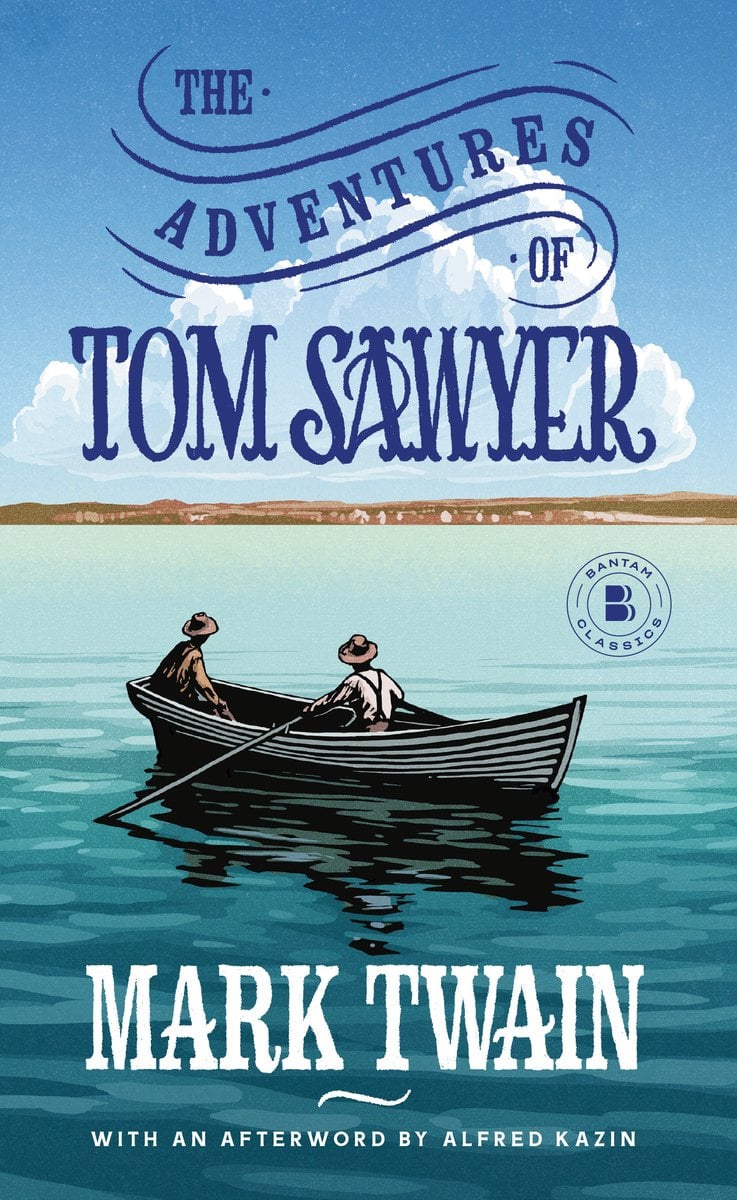
While The Adventures of Tom Sawyer mainly reflects anti-Black racism, there are also racist depictions of Indigenous people, specifically through the character “Injun Joe” — which is alone a racial slur in the mispronunciation of “Indian.” This character is portrayed as violent and cruel, perpetuating the “savage” stereotype. He has little to no characterization besides simply being a “villain.” In a broader sense, the fear and hatred of the White characters towards Injun Joe echoes colonial fears of Indigenous people against White civilization. Ultimately, as a staple of American literature, Tom Sawyer‘s portrayal of race has shaped how generations of readers imagine the South and childhood, specifically pertaining to American Indian stereotypes.
The Adventures of Huckleberry Finn by Mark Twain
Like The Adventures of Tom Sawyer, The Adventures of Huckleberry Finn follows the same themes of childhood and adventure. Nonetheless, the racism continues and is just as important to understand in this novel as well.

Injun Joe reappears as a character in this novel, repeating and normalizing racist stereotypes of American Indians. Along with this, the book is set along the Mississippi River, historically home to many Native nations, yet there are no real Native characters in the story to represent the land. This absence in itself reflects the erasure of Indigenous peoples, especially in its themes of personal liberation. In Twain’s America, “freedom” and “frontier adventure” happen on stolen land where Native peoples no longer exist in the 19th century.
The Call of the Wild by Jack London
The Call of the Wild is another popular classic often taught in early education or high school, as it explores themes of survival, nature versus nurture, and the relationship between humans and animals. But along with many of the books on this list, it can also be used to discuss important social issues and their negative effects. Although the story centers on animals, it still contains racist and colonial attitudes, especially toward Indigenous peoples.
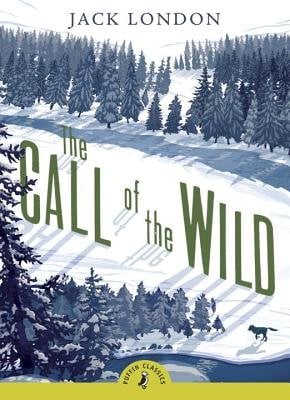
Throughout the novel, civilization includes those who are White and Western, therefore thought of as “civilized” and more advanced. In contrast, other characters, including Indigenous peoples, are depicted as “primitive.” London’s portrayal of the Yeehat tribe is particularly troubling, as he describes them as “gibbering savages,” and the character Buck’s revenge against them is treated as justice. The tribe’s members are not given names or humanity, only serving as faceless enemies. This reinforces colonial hierarchies that associate Whiteness with “progress” and Native identity with “savagery.” The racism within is a reminder of colonial ideologies and how they shaped American literature, essentially glorifying conquest. This is a reminder of how popular “neutral” adventure stories can carry deeply racist messages that we often overlook.
Island of the Blue Dolphins by Scott O’Dell
The character Karana in Island of the Blue Dolphins is a young girl left alone on an island, surviving for 18 years. The story follows her struggles to find food and shelter, whilst she also connects deeply with the wildlife and nature. O’Dell’s novel is often taught in early education or simply read as a children’s book across the U.S. But beneath its popularity, it also contains underlying racism and colonial bias towards Indigenous peoples.
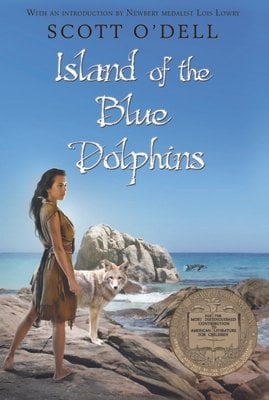
Island of the Blue Dolphins is based on a real person, Juana Maria, a Nicoleño woman left alone off the California coast in the 1800s. However, her story is fictionalized and exploited, without much genuine knowledge of Indigenous peoples, unless it’s invented or filtered through stereotypes. The novel turns her tragic isolation as a result of colonization into an adventure story with themes of courage and independence. In this way, literature teaches children from a young age to ignore cultural erasure and the lasting effects of colonization.
The Twilight Saga by Stephanie Meyer
Even in stories that don’t seem to overtly be about race, racism and colonial thinking can still be underlying themes in modern popular culture today. The Twilight Saga is mainly centered around the love story of human Bella and vampire Edward, but as the story progresses, we see werewolf Jacob come in as another love interest, creating a love triangle. For many young adults, this series is engaging and fast-paced, filled with romance, action, and drama. Regardless of its popularity, however, it’s still important to understand how Meyer portrays American Indians in her novels.

To fit her supernatural fantasy, Meyer based the Quileute werewolves on an Indigenous nation in La Push, Washington. The idea that the members of the tribe transform into werewolves fuels the stereotype that Indigenous peoples are connected to nature with “animal instincts,” closely relating to colonial myths that portray Native peoples as primitive and wild. Rather than consult the Quileute Nation, Meyer exploited and romanticized them in The Twilight Saga without true accuracy.
The White vampires, the Cullens, are immortal, wealthy, and beautiful, living outside human laws and idealized. In contrast, the Quileute werewolves are shown as aggressive and hot-tempered. This then creates a clear racialized contrast, perpetuating stereotypes in subtle forms. By understanding this, we can see that racism in literature isn’t only a thing of the past. It can come across in underlying ways that continue to fuel stereotypes that go unnoticed, rather than representing the truth.
Many of these novels were some of the earliest “American classics,” shaping the nation’s literary tradition as well as how it views culture. Because of their strong influence, they reinforce ideas about identity, belonging, and civilization, but only through a narrow colonial lens. Nonetheless, we don’t have to dismiss their literary impact. Instead, we can acknowledge how foundational works of literature have helped to construct harmful myths about race, land, and nationhood.
Find literature from other Indigenous voices here.
Explore our classic literature recommendations at Bookshop.org.
