

















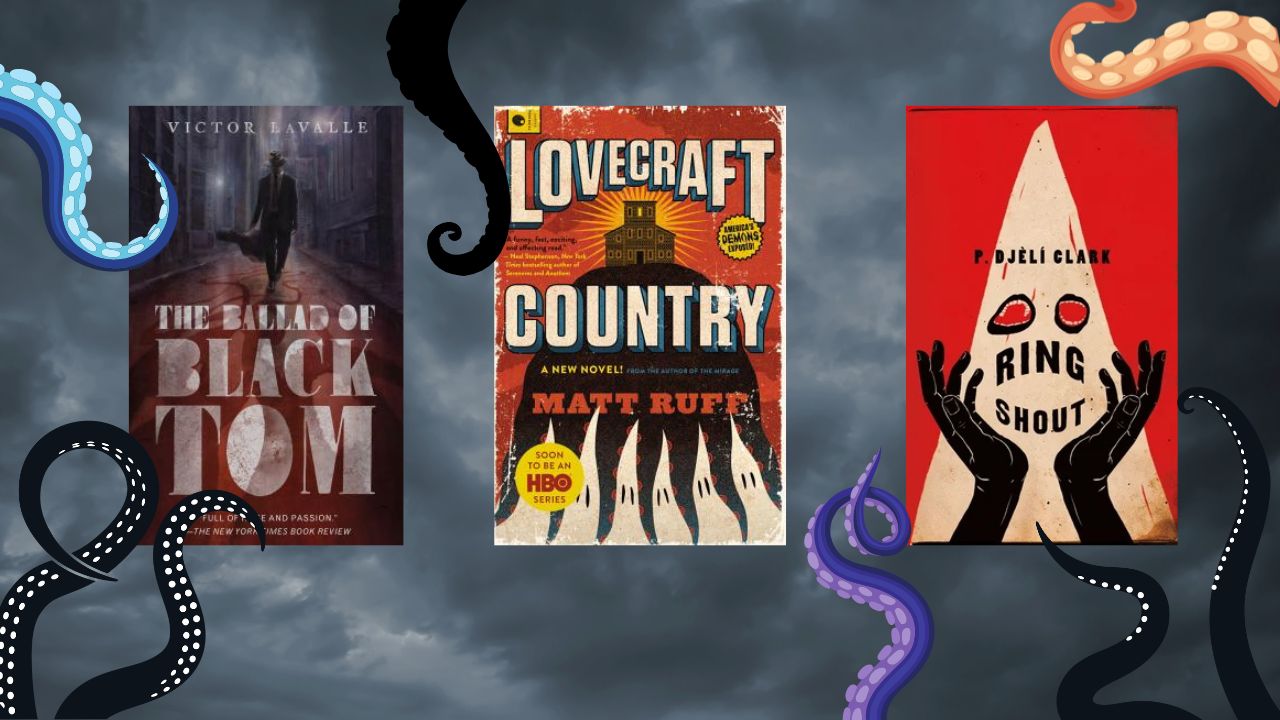
Trigger Warning: The mentions of racism, xenophobia, and genocide may be triggering for some readers. Please exercise personal care when reading.
H.P. Lovecraft is credited with creating some of the most iconic works of horror in Western literature — his short stories and novellas explored a world where indescribable terror lurked in the forgotten corners of civilization. His exploration of cosmic horror has undeniably influenced countless works today, and the Cthulhu Mythos, a universe he created and wrote many of his works in, has expanded into an expansive, collaborative fictional universe.
Lovecraft was also extremely xenophobic and racist, as well as an avowed White supremacist. His prejudices were not only evident in his personal life, but were integral to his writing: his fears of miscegenation, of the unknown, of corruption, and of the subversion of norms pervade his writing, suffusing it with terror of things that are unable to be explained.
The racism and prejudice inherent in Lovecraft’s writing is inescapable; so instead of attempting to erase that legacy, many modern writers instead lean into it, twisting Lovecraft’s own universe into something that calls out his hatred instead of condoning it. Lovecraftian horror is intertwined with the very real spectres of American and English history, and ultimately it’s ironic (and satisfying) that Lovecraft’s unspeakable horrors, to him perhaps metaphors of the horrors of diversity, are instead being used to examine and describe the terrors oppressed peoples encounter in their daily lives. Rather than admire or revere Lovecraft, many authors speak against him, using his own universe to call out his prejudice.
Ring Shout by P. Djèlí Clark
Ring Shout reimagines the American South in the wake of World War I. Now, along with the rise of the human Ku Klux Klan, comes an extradimensional threat in the form of demons who feed off of hatred, called Ku Kluxes, who have begun to infiltrate the ranks of the KKK. It’s up to Maryse Boudreaux and her team of resistance fighters to stop them.
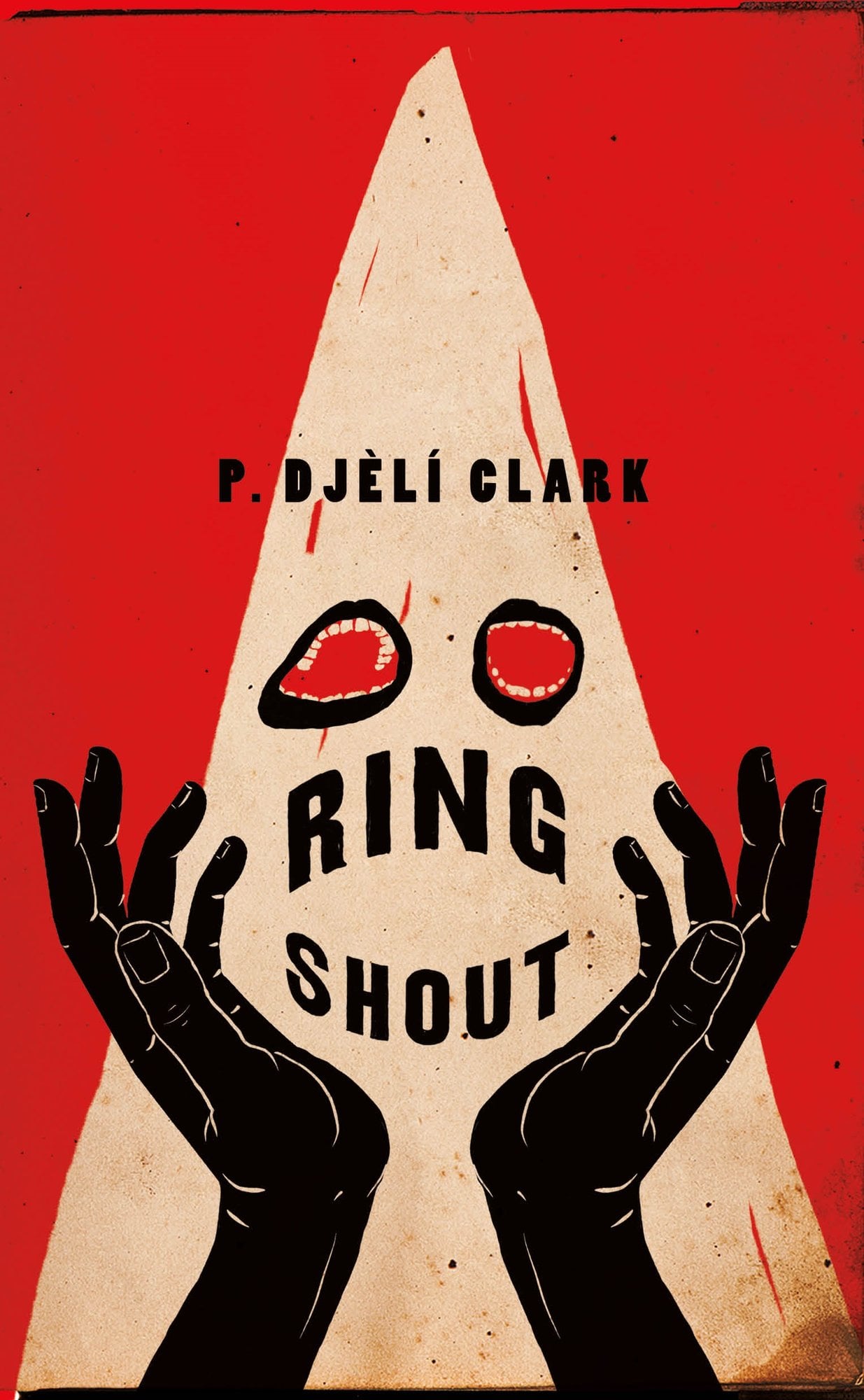
Djèlí Clark described his novel as a “jab” at Lovecraft, not an ode, as in this cosmic horror, the enemies of Maryse are allied with and feed off of the kind of prejudice and White supremacy that Lovecraft openly supported.
Lovecraft Country by Matt Ruff
Matt Ruff’s novel tells the story of Atticus Turner, an Army veteran in the 1950s who must embark on a journey to find his missing father. Along the way, he encounters a mix of the natural and supernatural, in the form of racism and hatred, as well as malevolent spirits.
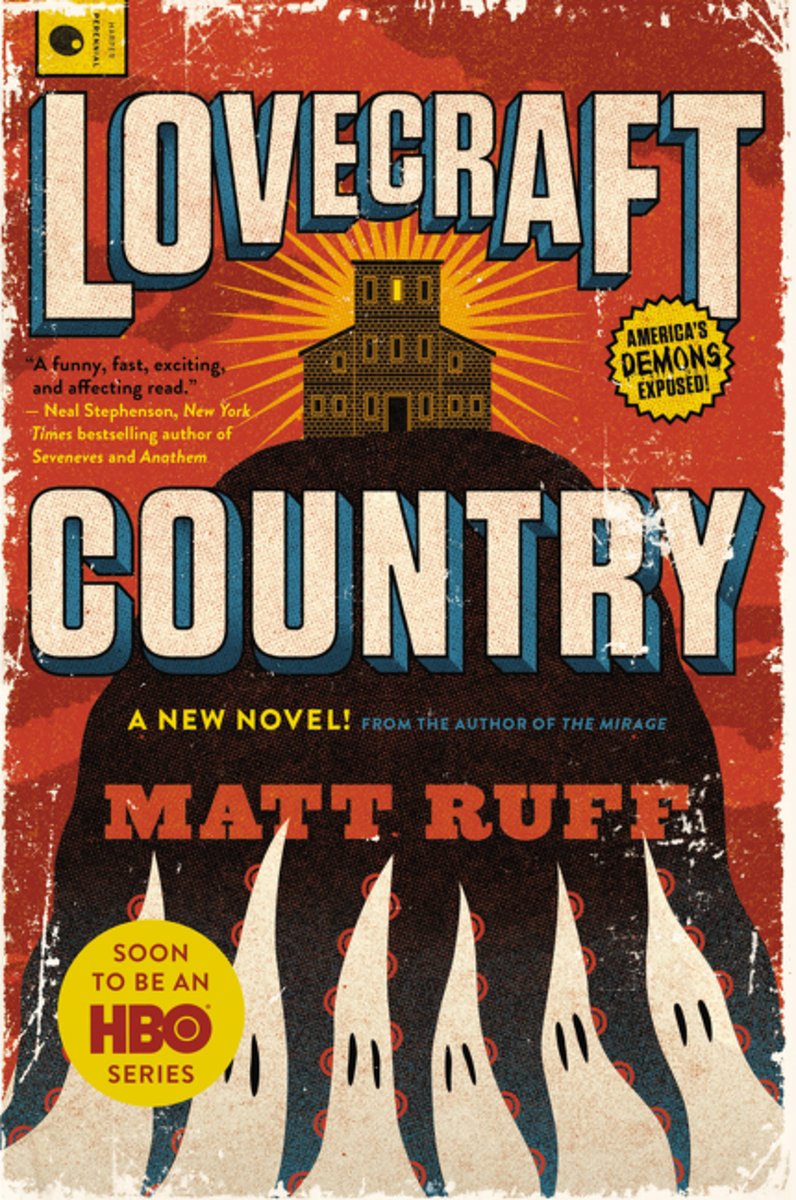
Scholars call the fictional New England that many of Lovecraft’s stories are set in Lovecraft Country; Ruff riffs on that by imagining that the eldritch creatures are not the only things that make the 20th-century U.S. so foreboding. For a person of color, the inhabitants, both supernatural and “normal,” carry something to fear.
The Ballad of Black Tom by Victor LaValle
The Ballad of Black Tom, Victor LaValle’s adaptation or inversion of Lovecraft’s The Horror at Red Hook, explores New York from the perspective of a Black man, hustler Tommy Tester. He inhabits the city that Lovecraft lived in, in particular the areas that he considered abhorrent.
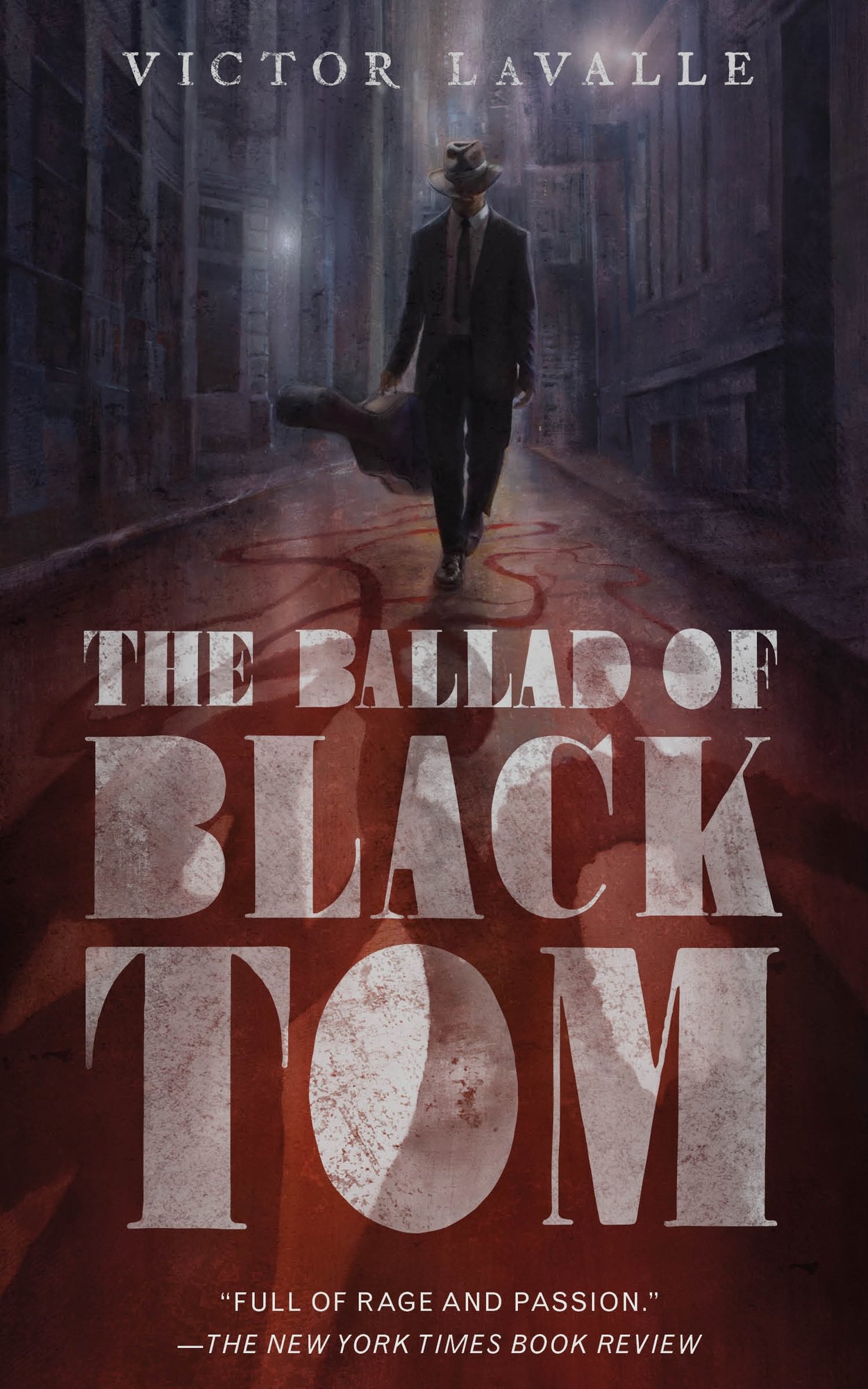
But LaValle brings those parts of the city to life through Tester’s eyes, and invests him with the power to summon and control the denizens of cosmic horror. With this inversion of perspective, Black Tom becomes the hero of the story, not just another side character.
Winter Tide by Ruthanna Emrys
Winter Tide is author Ruthanna Emrys’ queer, feminist take on the Lovecraft mythos, in particular the story of The Shadow Over Innsmouth. In Lovecraft’s story, the inhabitants of a seemingly idyllic town are found to have been consorting with the Deep Ones, immortal sea-dwelling humanoid creatures.
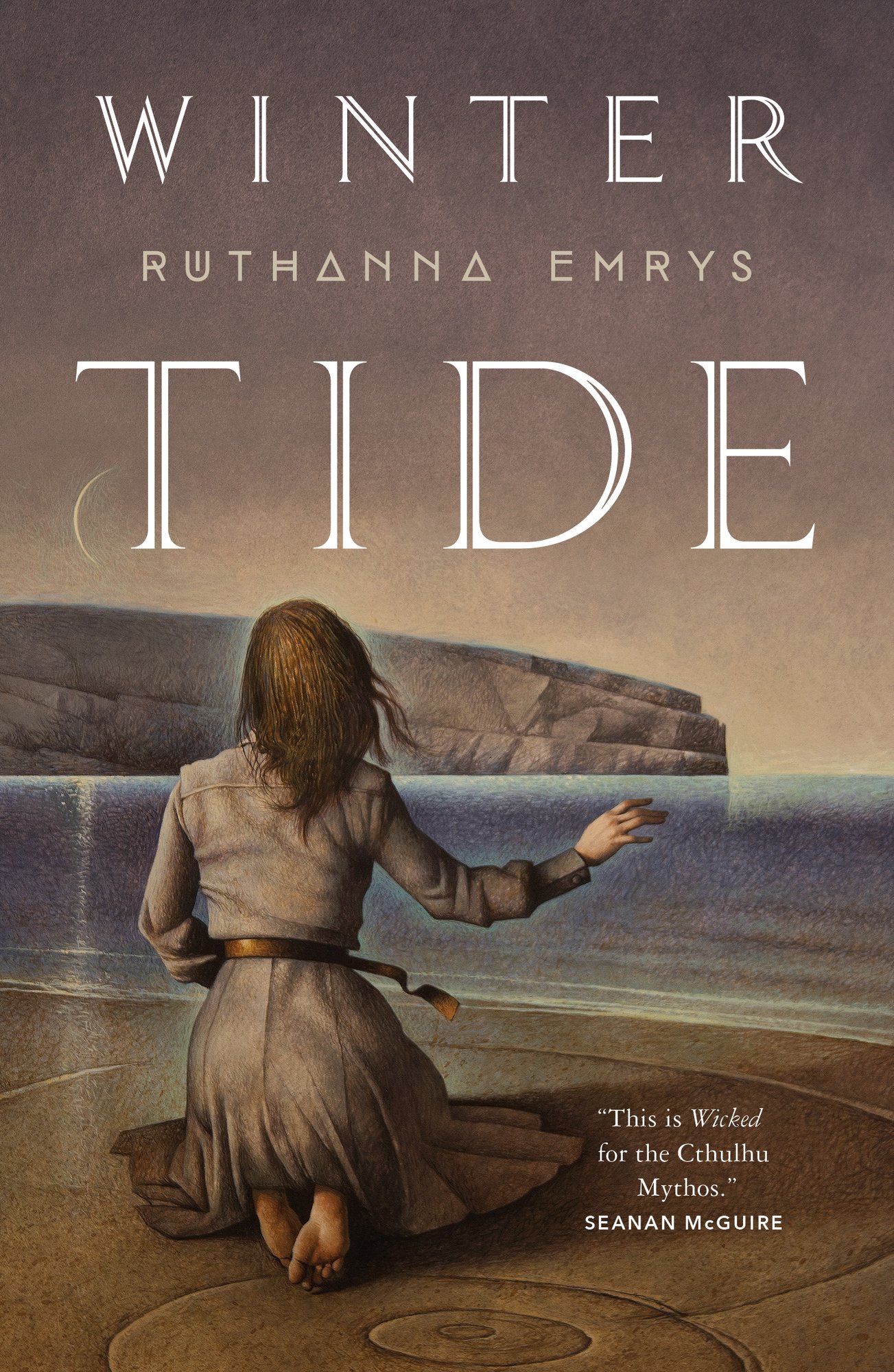
Emrys imagines the fallout of this story from the perspective of the residents of Innsmouth, who are rounded up by the government and of whom there are only two survivors. Aphra, the last daughter of Innsmouth, must return to her home and attempt to reassemble her life in the wake of the death of her entire community, and in the face of coming threats.
Mexican Gothic by Silvia Moreno-Garcia
Silvia Moreno-Garcia constructs a dark, gothic tale with roots in many traditions — Mexican Gothic carries hints of Edgar Allen Poe and Shirley Jackson, both writers who were experts in constructing tragic, gothic tales. But it also has a lot of connections to Lovecraftian horror.
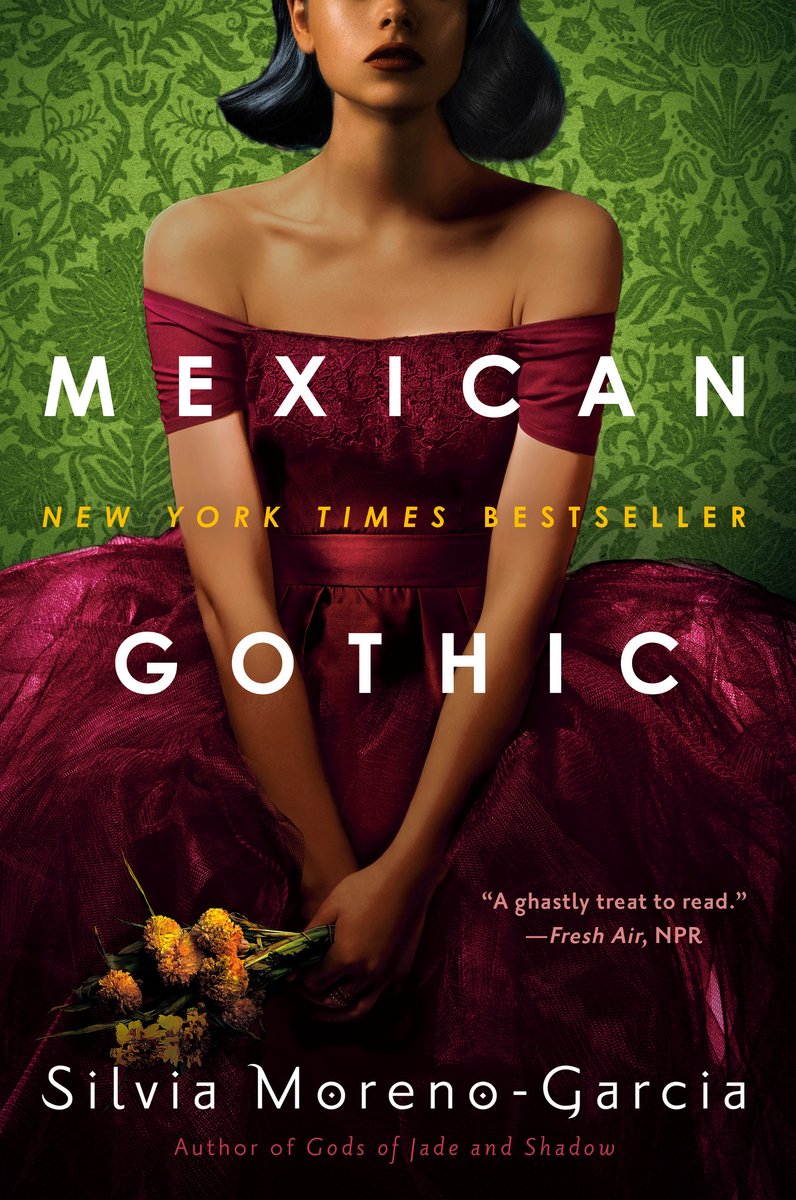
Mexican Gothic follows Noemí, who is visiting a newlywed cousin in the Mexican countryside, at an estate called the High Place. Her cousin has married into an English family, the Doyles, who soon strike Noemí as exceedingly creepy. Moreno-Garcia takes a stereotypically English or Anglo-Saxon Lovecraft protagonist, and through Noemí’s eyes, renders them just as strange and unsettling as Lovecraft’s monsters.
The City We Became by N. K. Jemisin
N. K. Jemisin’s urban fantasy epic imagines if cities had avatars — like human manifestations of their character. The book follows the birth of New York City’s new avatars, as each borough gains consciousness. But they soon have to face a challenge of their own.
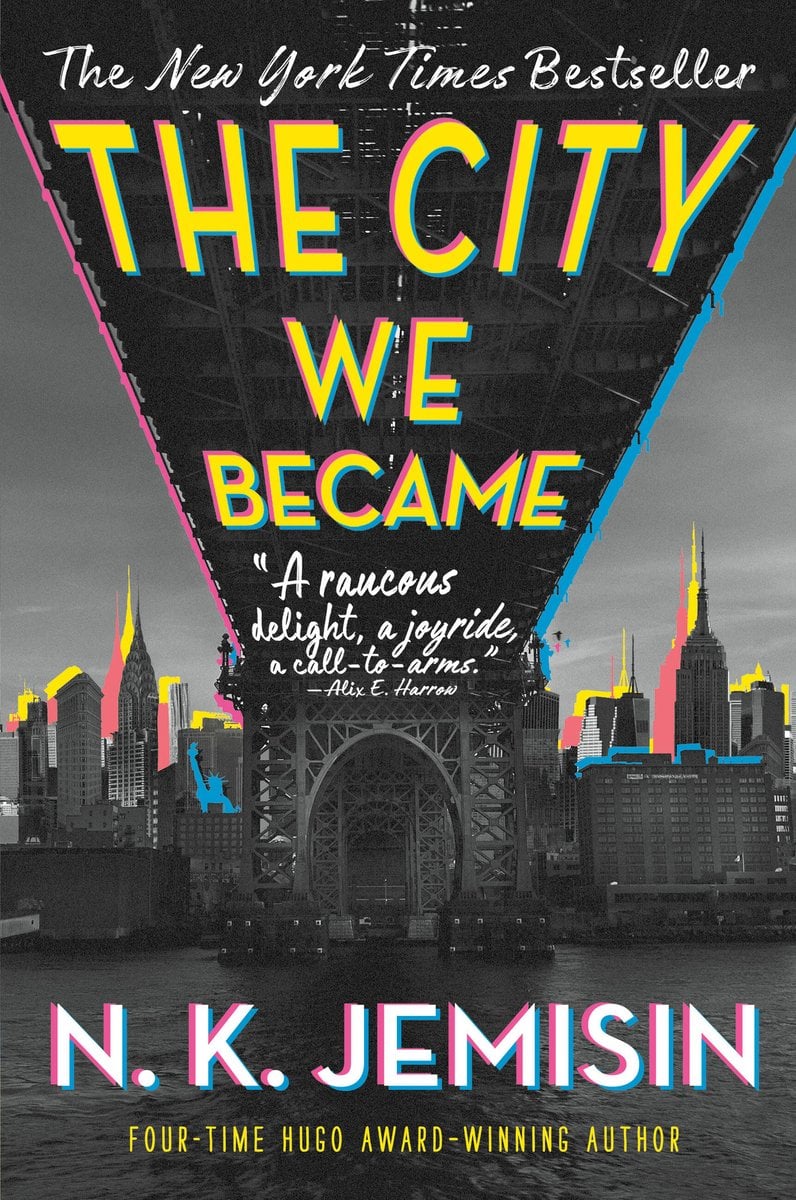
Jemisin’s villain is a Lovecraftian horror, dubbed “The Enemy,” who also has human manifestations, in the form of gentrifiers and followers of the alt-right. Jemisin identifies the monsters Lovecraft was so afraid of with the ideals that he followed, criticizing his views and using his own imagery to do so.
It’s fascinating that over time, Lovecraft has become identified not with his protagonists, who were often scholars who sought to understand something bigger than themselves, but instead with the cruel monsters that, to him, represented everything he despised. It’s even more ironic that the cosmic horror Lovecraft pioneered, the creeping dread of glimpses of a cruelty and organization that is almost incomprehensible in its evilness, is an incredibly good way of describing how racism and prejudice, ideals he espoused, feel to those who are subject to it.
The authors on this list use Lovecraft’s imagery and his characters, but not in the spirit of admiration; they are using his tools to craft a new legacy for his ideas, one that criticizes and examines rather than blindly follows. Through new eyes, Lovecraft is in league with his own monstrous creations, and a new set of protagonists takes them both on.
Want more book recommendations? Click here.
For more mythos and legends on our Bookshelves, click here!
