

















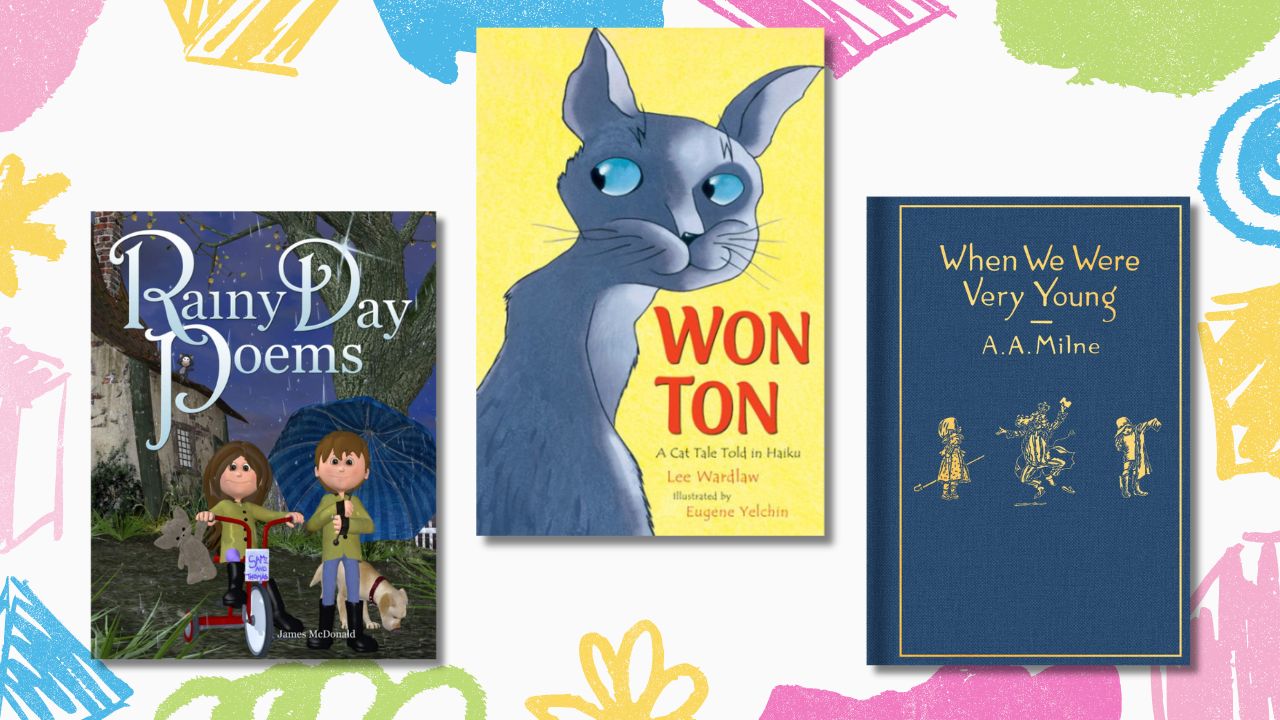
Works of poetry help us see the world in ways we never might have imagined before. A poet’s careful handle of meter and mood, syntax and diction, can open a reader’s eyes to fresh emotions and evocative images. For all its power and gravity, the medium is not something only to be enjoyed by adult readers; many poets shape their work to spark inspiration in younger audiences. Here are ten such titles that beginning bookworms can crack open for poems in every shade, from enchanting lyricism to whimsical wordsmithing.
Falling Up by Shel Silverstein
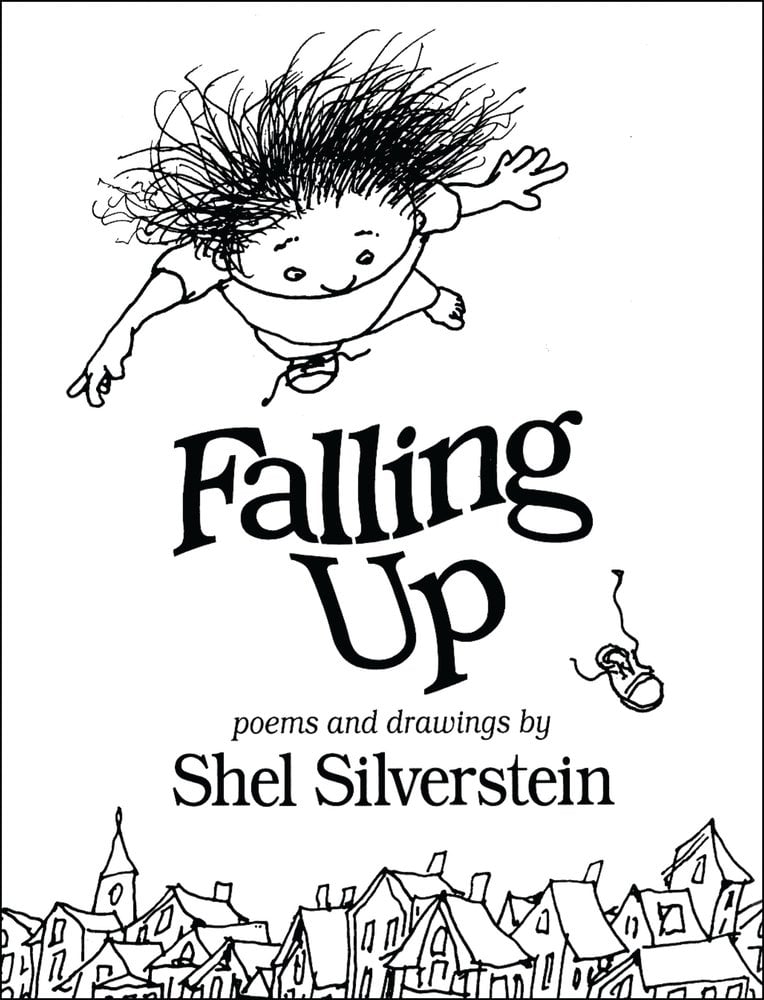
Shel Silverstein has become a renowned figure in the world of children’s poetry for his playful works and the signature drawings that accompany them. With rhythms racing along or slipping smoothly by, matching the energy of whatever character or scenario he poses, Silverstein’s poems push to the limits of his readers’ imagination. Published in 1996, Falling Up became one of his most popular titles, containing poems that put a silly spin on everything from summer camp to the clothes in our closet.
One Fish, Two Fish, Red Fish, Blue Fish by Dr. Seuss
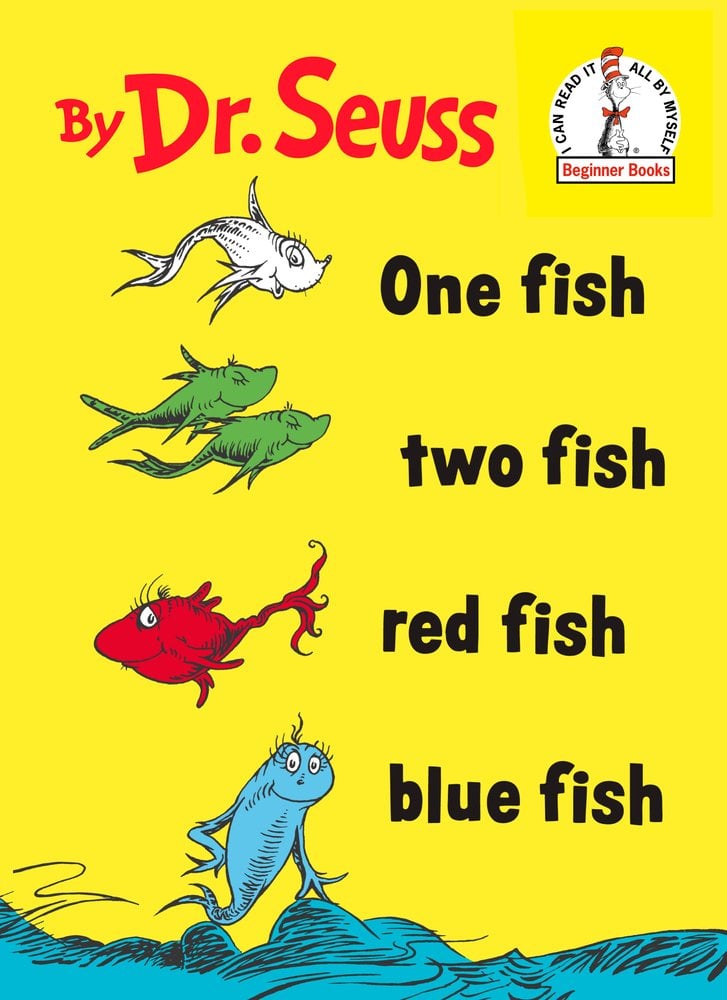
Dr. Seuss’s body of work contains countless staple titles in the genre of poetry for young readers, and One Fish, Two Fish, Red Fish, Blue Fish is one of his most rhythmically delightful. The book blends the ordered practice of counting with the unbridled exploration of strange, imaginary characters and objects. Thus, turning each page is an act of discovery and surprise, with Dr. Seuss’s unfailing comedy and creativity keeping readers curious and on their toes.
Won-Ton: A Cat Tale Told in Haiku by Lee Wardlaw
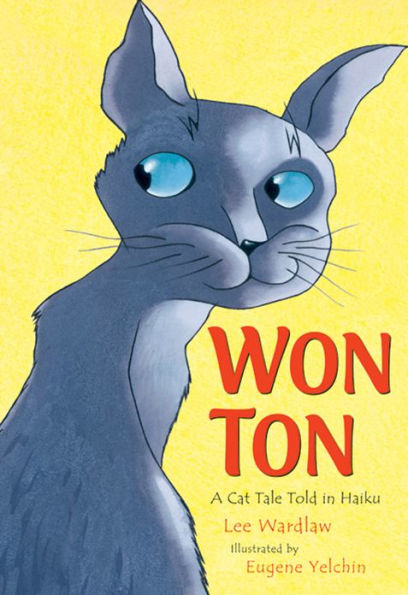
Lee Wardlaw’s story in verse juggles the emotional and lighthearted elements of a shelter cat in his journey to settle into a forever home. As the curious kitty finds his footing around his new house and family, his lively attitude and charming naivete steals the hearts of readers. Wardlaw also demonstrates a controlled use of poetic form throughout Won Ton, crafting each piece of the story in the measured syllables of the haiku form.
Rainy Day Poems by James McDonald

Fictional siblings Sami and Thomas Lamb lead readers through Rainy Day Poems, adventuring in all weathers and traversing both land and sky. Behind each of McDonald’s works are important lessons and encouragement for young readers, urging them to foster their creativity, practice gratitude, and believe in themselves. Brought to life on the page in detailed illustrations, the poems of the Lamb siblings are ones to which you’ll want to keep returning.
Love That Dog by Sharon Creech
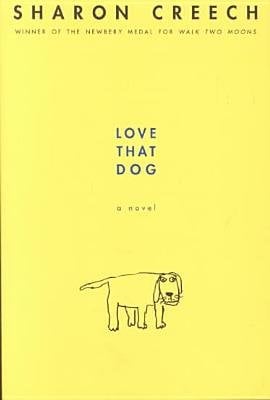
Sharon Creech reveals all that poetry can open doors to in Love That Dog, a series of free-verse poems following a young boy, Jack, as he grapples with learning the medium in school. While Jack is first deterred by his preconceptions about poetry, he slowly discovers this form of writing as an exciting channel for expression. Guided by a caring teacher and equipped with a pencil, paper, and memories of a dog he adored, he creates inventive poems that make up the pages of Love That Dog.
Wild Symphony by Dan Brown
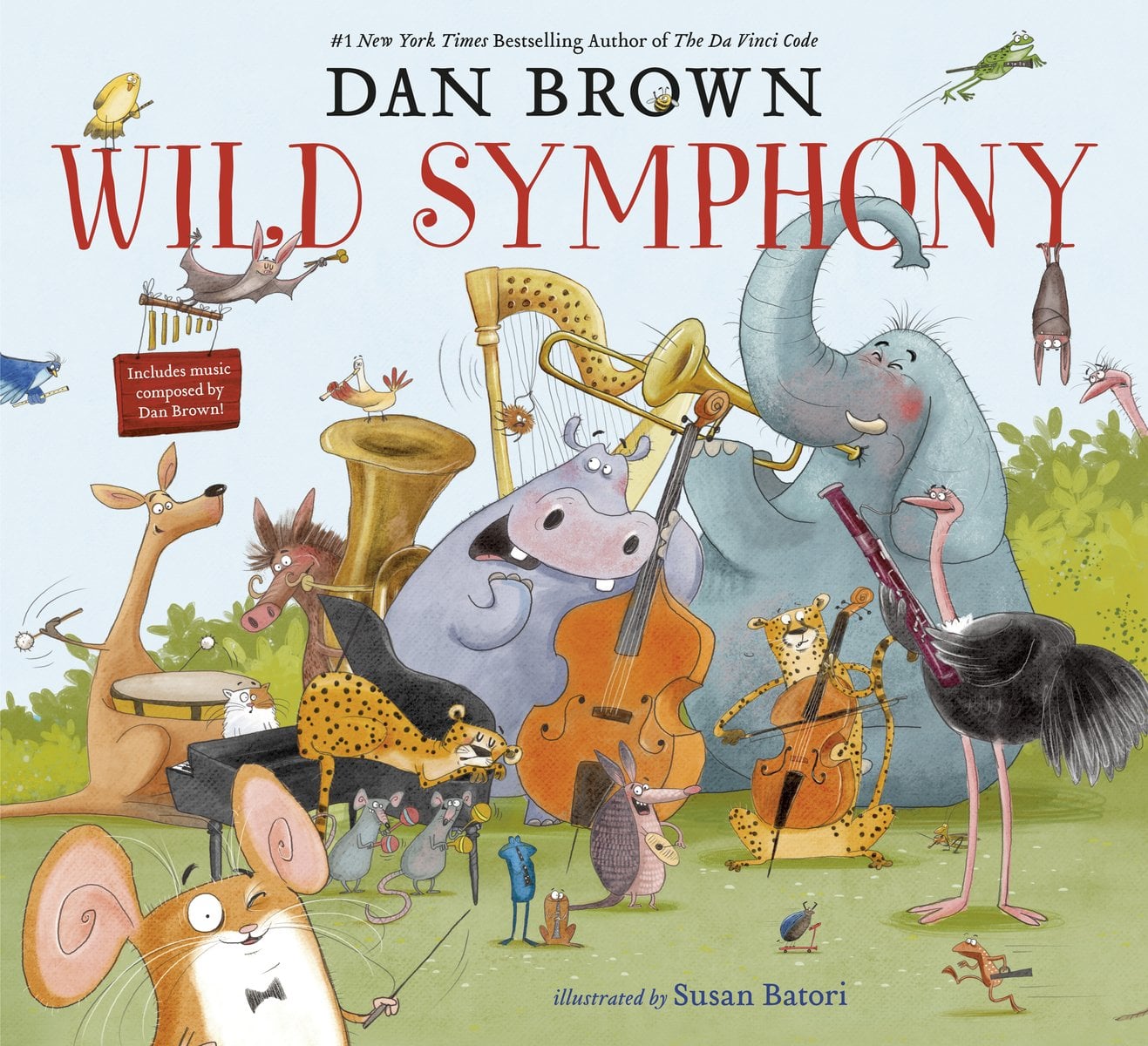
The poems of Wild Symphony breathe life into members of the animal kingdom, both in Dan Brown’s craft and the symphonies of music arranged to accompany his written words. Each species’ unique traits are celebrated through his poems, honoring the lively bounce of the kangaroo, the tough armor of the armadillo, and the quiet grace of the sting ray, to name a few. His book is one that engages many senses, celebrating how different mediums of art can work in concert to create vivid, multi-dimensional experiences.
Poetry for Kids: Emily Dickinson by Emily Dickinson
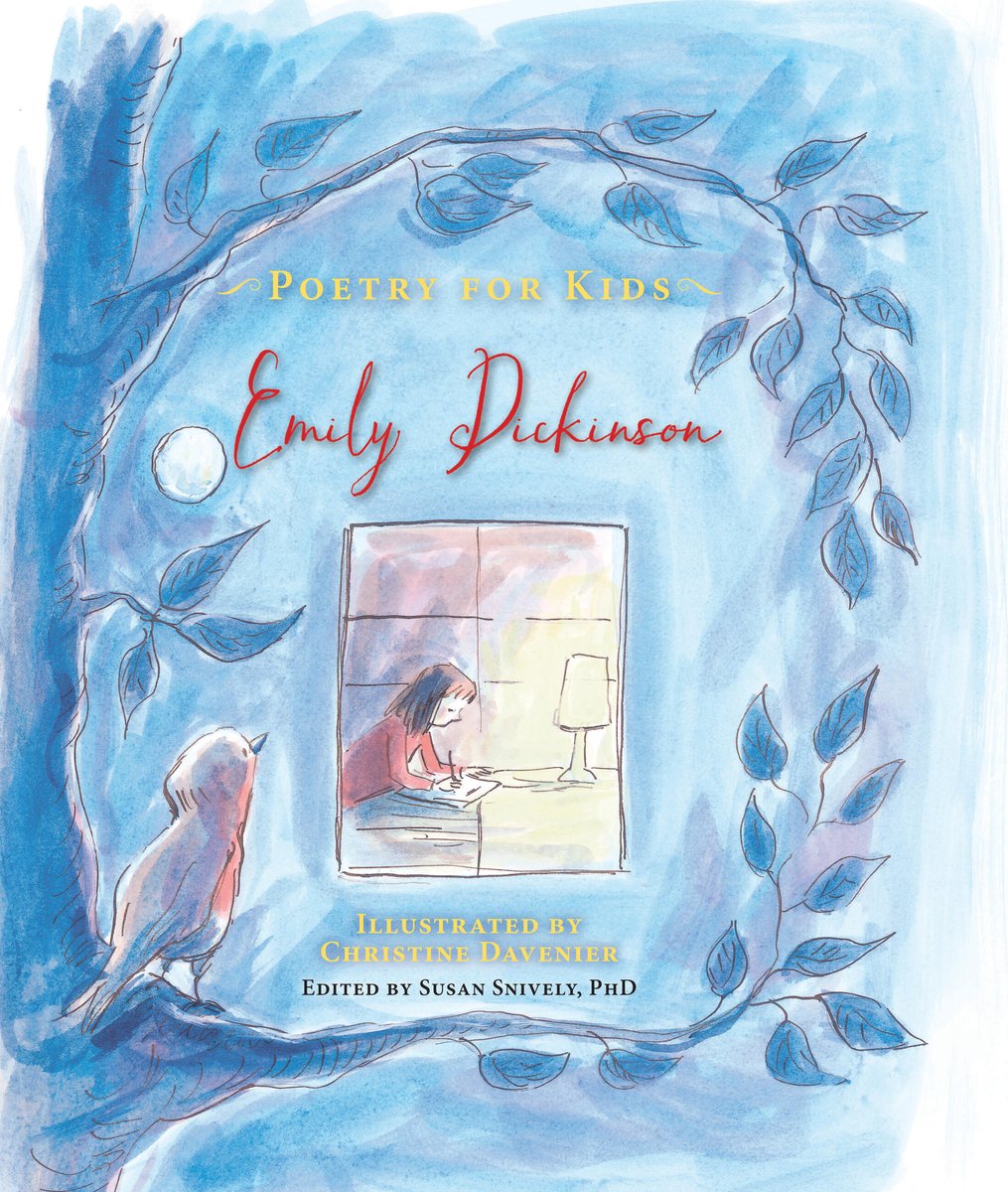
It’s never too early to get young readers acquainted with the classics, and Emily Dickinson is a perfect place to start. This anthology of her poems, selected by Susan Snively, leads readers into the world of Dickinson’s masterful craft, supplying explanatory blurbs to support deeper engagement and understanding. Snively’s picks include Hope Is The Thing With Feathers and This Is My Letter to the World, just a few out of 35 dynamic and original works by the illustrious author.
When We Were Very Young by A. A. Milne
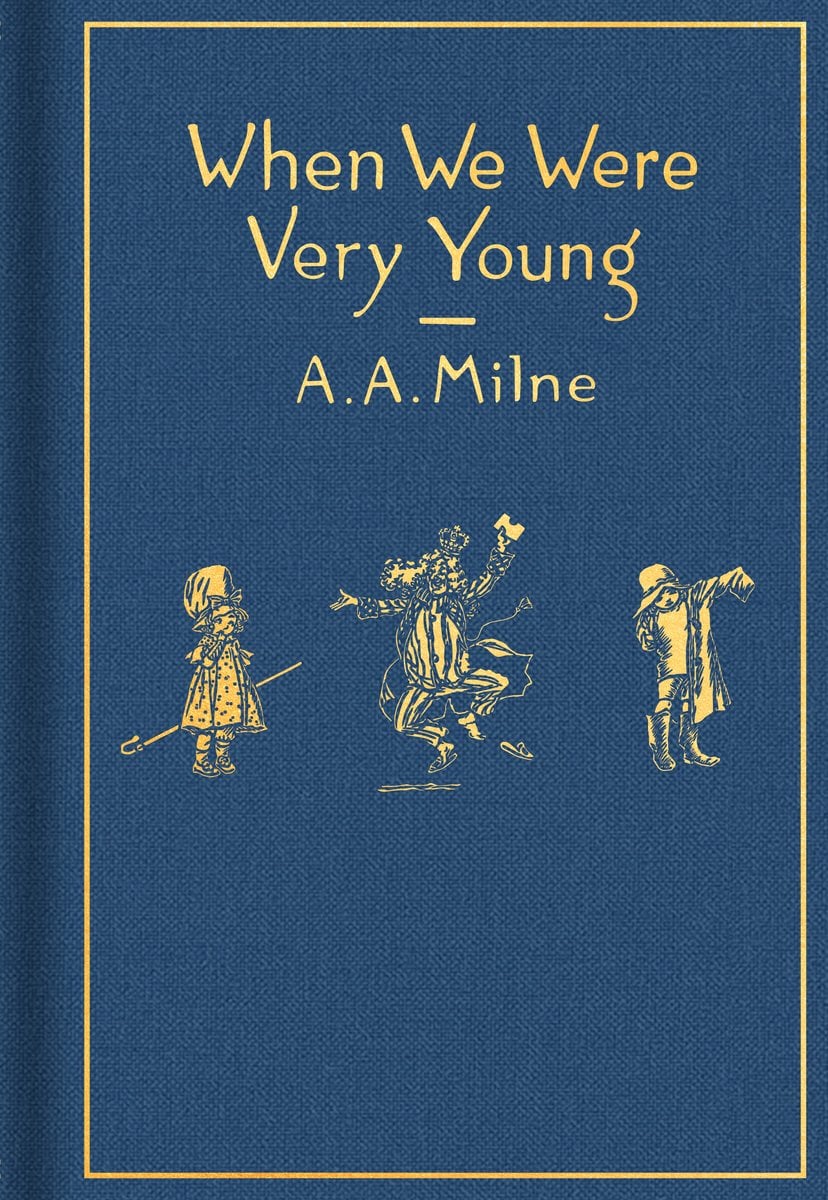
The seeds of the beloved character Winnie the Pooh were sown in A. A. Milne’s collection When We Were Very Young. The best-selling book takes a tender, playful approach to many aspects of childhood, with Milne’s singing verses carrying readers through. While the figure of “Teddy Bear” might now stand out as one we know and love, When We Were Very Young contains a multitude of characters and stories to adore.
A Children’s Garden of Verses by Robert Louis Stevenson
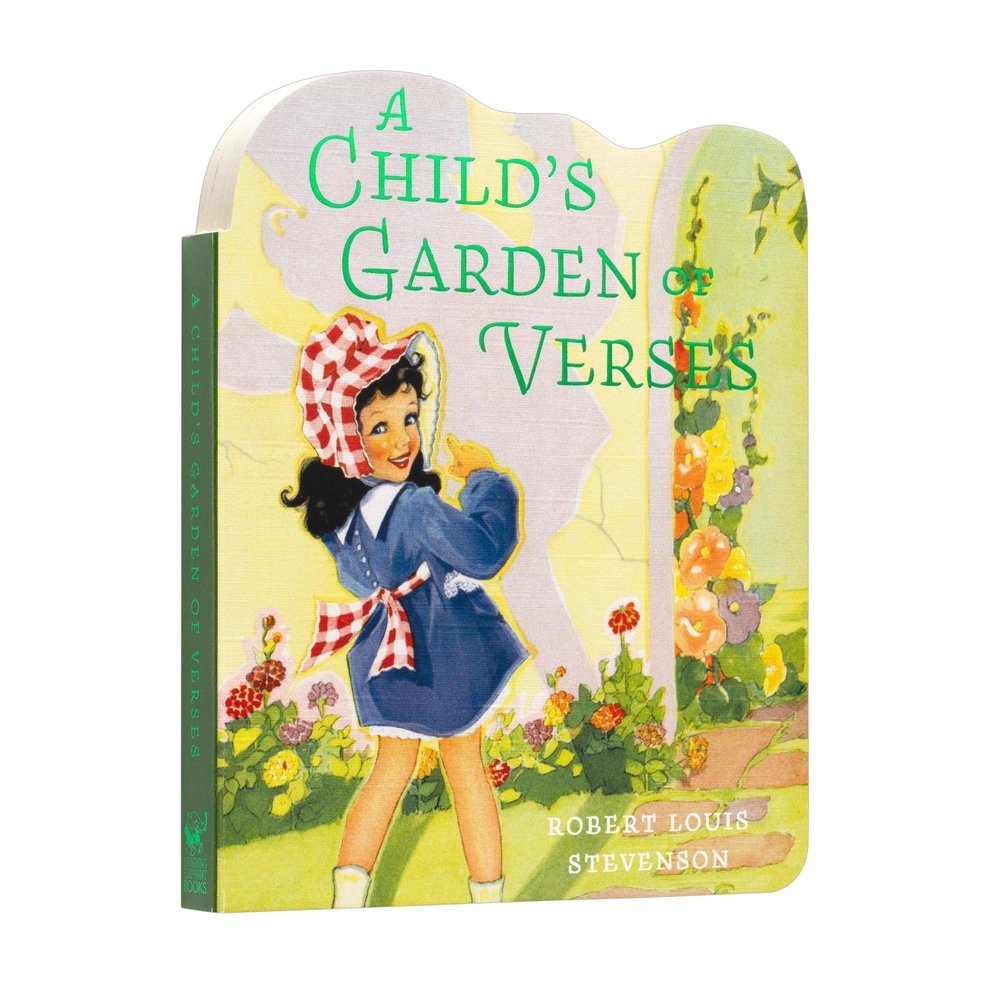
The poems of A Children’s Garden of Verses seem to roam through nature, whether sailing down a river or wandering through a garden. Said to be inspired greatly by Robert Louis Stevenson’s own joyful childhood excursions, the poems are steeped in youthful imagination and play. Such thoughtful attention to life through the eyes of a child has made A Children’s Garden of Verses an iconic collection, and one that contains some of Stevenson’s most celebrated works.
Chicken Soup with Rice: A Book of Months by Maurice Sendak
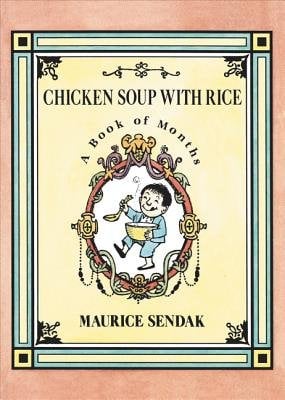
One can’t help but love Maurice Sendak’s whimsical approach to marking the passing months in Chicken Soup with Rice. His poems imagine all the ways in which soup might be enjoyed over a year, from inside the nest of a spring robin to among the company of spooky fall monsters. In fact, the delightful rhymes and quirky soup-eating schemes he cooks up made such an impression after its publication in 1962 that musical artist Carole King released a musical version of the poems as a part of a television special. Whether in song or written word, there’s fun to be had in cooking, mixing, or sipping chicken soup with rice!
Whether it’s revered classics or thrilling contemporary works, poetry has much to offer for kids beginning to read. The works of these authors fall in many places between two such categories, but they all share striking emotions and reflections at their core.
Want poetry on a bigger scale? Learn about some Bookstr’s favorite anthologies here!
Get these children’s book titles and others on our Bookshop Mini Bookworms Delightful Recommendations list!
