















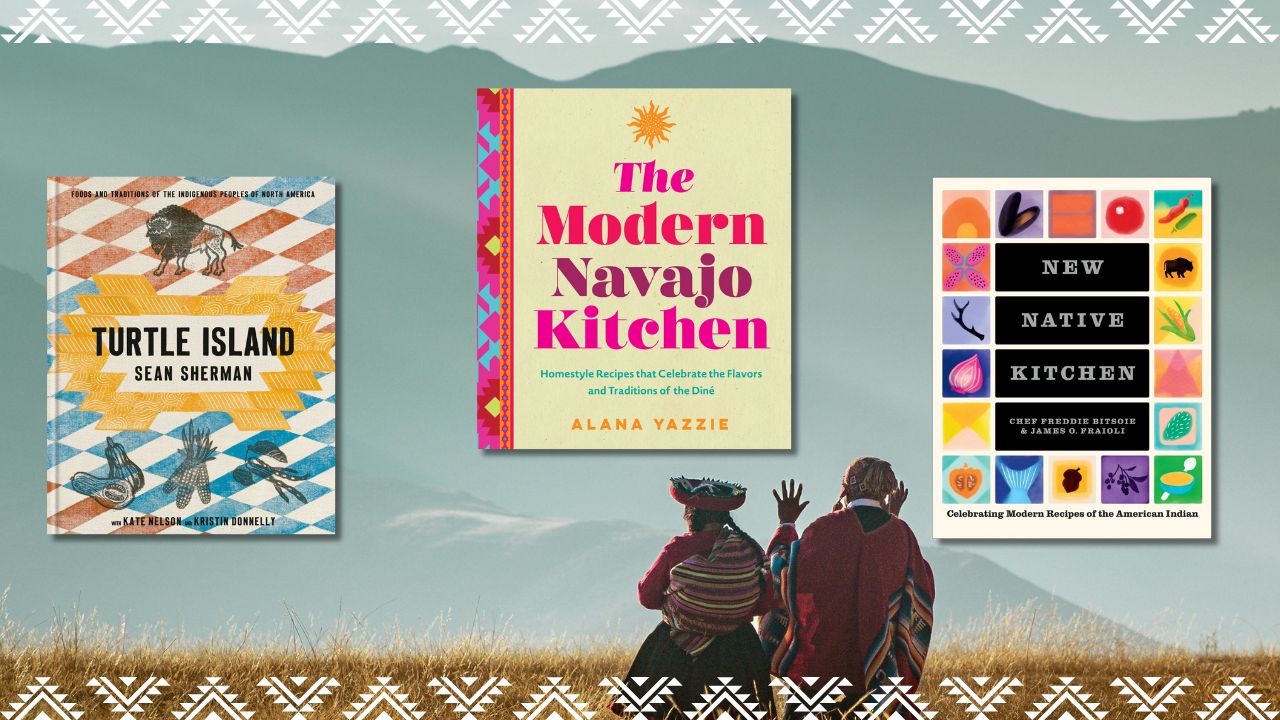
Food is an integral component of every culture. If you asked someone what foods would be considered classic American cuisine, they might respond with answers like hot dogs, hamburgers, and barbecue — perhaps even Tex-Mex or Soul Food. Between all of these answers, there is a common ground: Indigenous cuisine is the backbone of many staple foods and practices in modern cuisine. However, due to colonization and marginalization throughout history, the contributions of these cultures to modern cuisine and their traditional dishes are often overlooked and underappreciated.
Thankfully, chefs of Indigenous descent keep their culture alive through the publication of cookbooks, which preserve their heritage through traditional cuisine. If you love to cook and are looking to celebrate Indigenous culture in your kitchen, read on and discover new recipes through these phenomenal cookbooks.
Tawâw: Progressive Indigenous Cuisine by Shane M. Chartrand
The first words you encounter when picking up Shane M. Cartrand’s cookbook are already inviting you into this cultural celebration — tawâw translates to “come in, you’re welcome, there’s room.” Chatrand’s cookbook serves as a memoir of his culinary experiences, from his childhood, where he was born into the Cree nation and raised by a Métis father and Mi’kmaw-Irish mother, to his current status as a celebrity chef who competed on Iron Chef Canada and Fridge Wars, and who currently runs an innovative culinary space named Paperbirch at Old Strathcona Farmers’ Market.
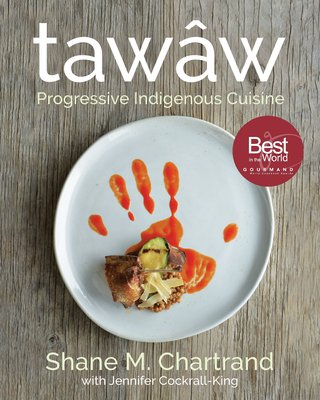
The recipes included in Chef Chartrand’s cookbook feature his award-winning War Paint dish, pictured on the cookbook’s cover, which focuses on visual presentation and storytelling through his cooking. This cookbook offers the reader valuable insight into Chartrand’s influences, personal anecdotes, and collaborations with other First Nations peoples, all of which contributed to the creation of the 75 outstanding recipes featured in this work.
The Sioux Chef’s Indigenous Kitchen by Sean Sherman and Beth Dooley
Oglala Lakota Chef Sean Sherman is the founder of The Sioux Chef, a for-profit company, and the author of an insightful cookbook with the same title. Sherman’s dedication to stripping away stereotypes surrounding traditional Indigenous cuisine shines through this project; he truly decolonizes the diet through nutritious recipes that prioritize clean and locally sourced ingredients over European wheat flour, sugar, and dairy products.

Sherman makes it clear that healthy does not equate to bland; his featured recipes include smoked turkey soup, deviled duck eggs, and even desserts like roasted corn sorbet and hazelnut-maple bites. This attitude shines through at his restaurant, Owamni, which he founded and acts as the head chef for; it is owned and operated with the intention of celebrating Indigenous cuisine and culture with the world and normalizing a healthy, decolonized diet.
Turtle Island: Foods and Traditions of the Indigenous Peoples of North America by Sean Sherman, Kate Nelson, and Kristin Donnelly
Chef Sherman’s excellent work championing Indigenous cuisine is far from over. He is undertaking a project to spread knowledge about American Indian foodways to food enthusiasts everywhere. After reflecting on his professional history, he realized that most of his experience was set in European cities, which catalyzed this project.

Now, Chef Sherman is the founder of the non-profit organization NATIFS (North American Traditional Indigenous Food Systems), which is creating a restaurant model called the Indigenous Food Lab. This model also serves as a training and educational center, focusing on promoting Indigenous food ideologies throughout North America.
Building on NATIFS’ mission, the cookbook Turtle Island features traditional and modern recipes made with Indigenous ingredients, organized by regions of Turtle Island, which is a name many Indigenous peoples use in place of North America; recipes for dishes including Sweet Potato Soup and Wild-Rice Crusted Walleye Cakes go beyond teaching the reader solely how to cook the dish. Sherman teaches readers how to use cuisine to connect with the nature around us physically and spiritually.
Modern Native Feasts by Andrew George Jr.
Readers won’t be the only ones fed by Chef Andrew George Jr. In 2010, George was the head chef for Aboriginal foods at the Vancouver Winter Olympics, serving Olympic athletes from around the world. This role inspired the chef to create healthy recipes inspired by traditional Indigenous cuisine. Indulge in a Sea Asparagus Salad or a Wild Berry Crumble that will satisfy your dietary needs and your savory and sweet cravings.
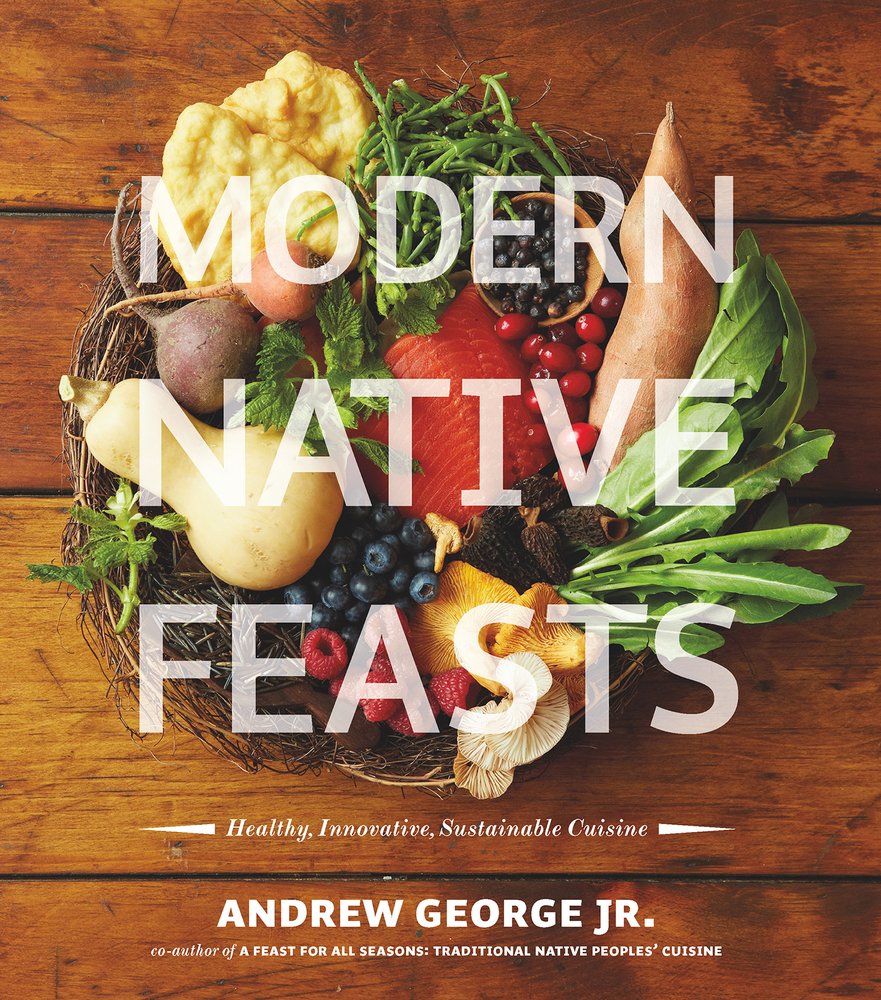
Andrew George is a member of the Wet’suwet’en nation within central British Columbia, Canada, and he is passionate about health issues that disproportionately affect Indigenous peoples; therefore, he created these recipes, being mindful that Indigenous individuals have diabetes at twice the rate of non-Indigenous individuals. The dishes within this book are tasty yet not calorically dense or unhealthy.
New Native Kitchen by Freddie Bitsoie & James O. Fraioli
Navajo chef Freddie J. Bitsoie, in collaboration with James Beard Award-winning author James O. Fraioli, creates a mosaic of modern and traditional Indigenous recipes from regions throughout North America, connecting his ancestral roots with contemporary flavor profiles. Taste Cherrystone Clam Soup from the Northeastern Wampanoag or put a modern twist on Chili with Bitsoies Chocolate Bison Chili to experience the diversity of Indigenous cuisine and the bridge between the traditional and the contemporary.

Bitsoie is a highly praised food educator and utilized his passion for spreading education regarding Indigenous cuisine to become the head chef of Mitsitam Native Foods Café at the Smithsonian’s National Museum of the American Indian. Alongside his prestige and success, Bitsoie employs relatable approaches and techniques that every home cook, regardless of their skill level, can easily adopt, making his recipes both accessible and authentic.
Native Harvests: American Indian Wild Foods and Recipes by E. Barrie Kavasch
E. Barrie Kavasch, a descendant of Pocahontas, wrote her cookbook from a unique angle; the book doubles as a guide to foraging and nourishing not only one’s body, but also one’s relationship with nature. Kavasch covers a wide variety of foods in her cookbook, ranging from stewed wild rabbit with dumplings to witch hazel tea.
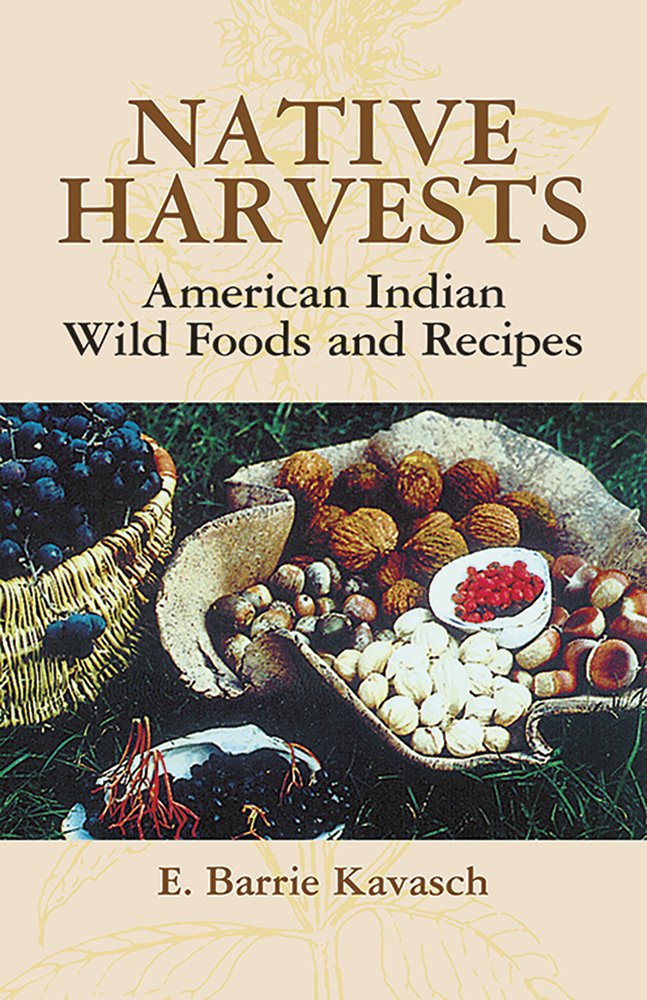
This book pairs recipes with illustrations drawn by the author, who does not limit herself to cooking. Within the book’s pages, there are manuals on herbal medicine, ceremonial plants, and poisonous plants, which expose readers to cultural practices that society often invalidated and brushed over with the rise of Western medicine.
The Modern Navajo Kitchen by Alana Yazzie
Navajo food and lifestyle creator Alana Yazzie spoiled readers with these 60 comforting Diné recipes. Traditional Navajo recipes blend seamlessly with modern food trends and favorites, guaranteed to excite your taste buds. Yazzie provides readers with historical and cultural context, allowing the audience to fully immerse themselves in the Navajo cuisine and cooking techniques introduced in this book.

Do you love boba tea? Then Yazzie’s Navajo Boba Milk Tea is a modern must-try sweet treat! Are you in the mood to make something more traditional? Then give the Bááh Dootł\’izhí (Blue Cornbread) recipe your best shot! One of the best features of this book is the sample meal plans Yazzie provides, which help readers incorporate Navajo cuisine into their everyday lives, whether they are eating alone or at the table with loved ones.
Chími Nu’am by Sara Calvosa Olson
In Karuk, Chími Nu’am translates to “let’s eat,” and trust me, you’ll want a taste of the Native Californian recipes Karuk chef Sara Calvosa Olson writes. These recipes put a spin on traditional Indigenous Californian dishes, and they are structured to follow the seasons of the year, utilizing ingredients that are in season. Enjoy Acorn Crepes in the fall, try Wild Boar Pozole in winter, savor Wildflower Spring Rolls in spring, and cool off with Acorn Milk Freezer Pops in summer.
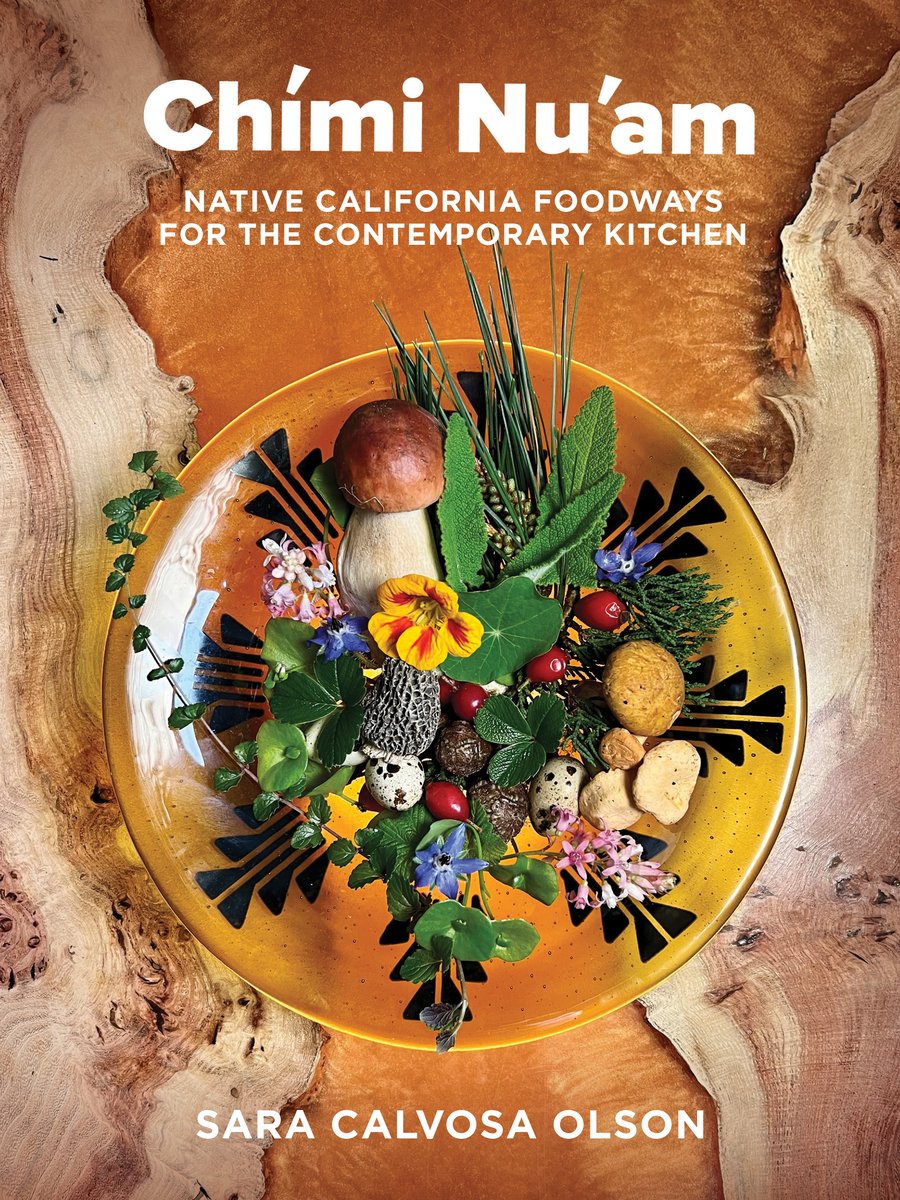
Olson places a heavy emphasis on ethical ingredient sourcing, a step toward normalizing the message of decolonizing one’s diet. Her writing is just as charming and inviting as her message, and she includes over 100 photographs within the cookbook to really make readers feel invited into her cooking community.
Corn Dance: Inspired First American Cuisine by Loretta Barrett Oden and Beth Dooley
One of the most popular Indigenous chefs in America is Loretta Barrett Oden, and in her cookbook, she does more than just list off recipes — she tells a story. Throughout her upbringing, she became familiar with Potawatomi culture through the teachings and cooking of the feminine figures in her life, and she was confronted with her father’s family ancestry, which revealed that her ancestors had arrived on the Mayflower in Plymouth, Massachusetts.
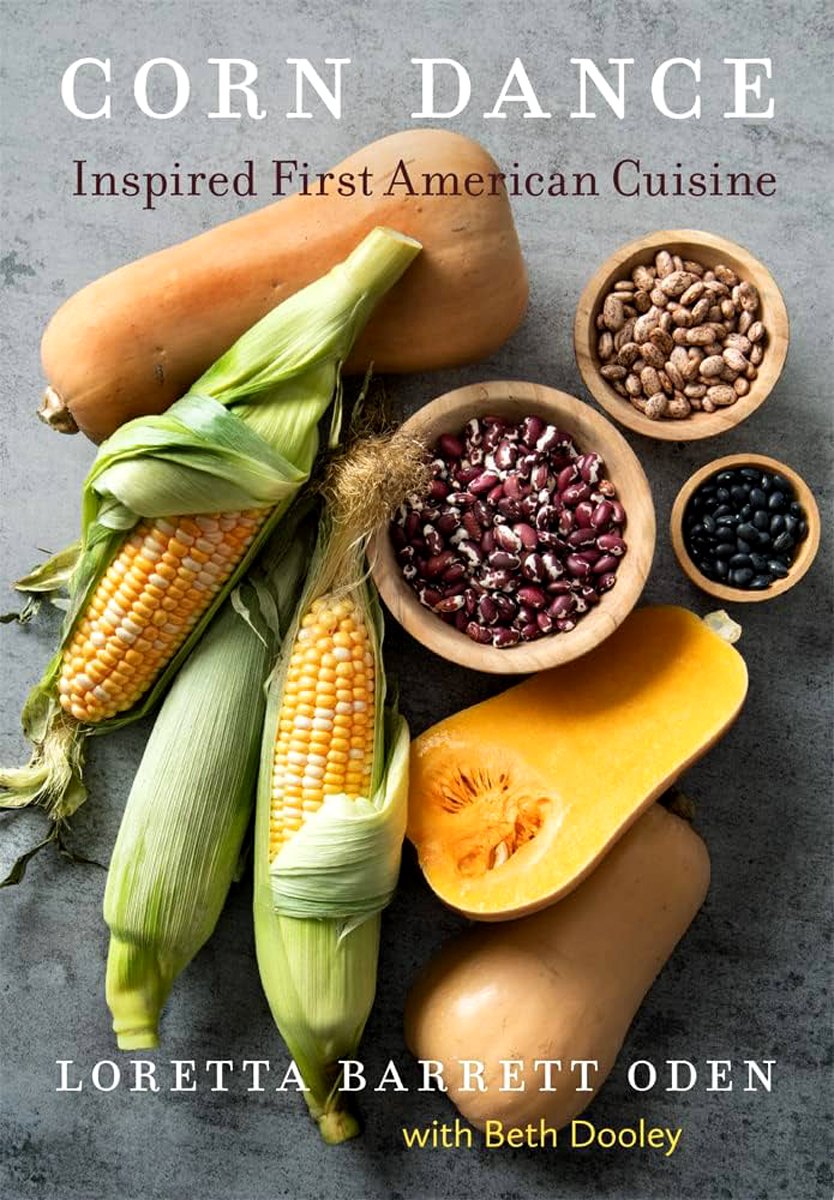
As a successful chef who desired to celebrate her culture and channel her creativity through cooking, she opened The Corn Dance Cafe in Santa Fe as her next career move. In this cookbook, Oden does not hesitate to share her insights about both cooking culture and Indigenous culture, complementing the mouthwatering recipes, which include Potawatomi Chicken and Grilled Elk Tenderloin.
Seed to Plate, Soil to Sky: Modern Plant-Based Recipes Using Native American Ingredients by Lois Ellen Frank
This recommendation takes a different approach to incorporating Indigenous cuisine into your kitchen by first bringing the importance of Indigenous crops to mind. Lois Ellen Frank, an Indigenous chef and food historian, focuses on the eight major crops that Indigenous peoples presented to the world: corn, beans, squash, chile, tomato, potato, and vanilla.
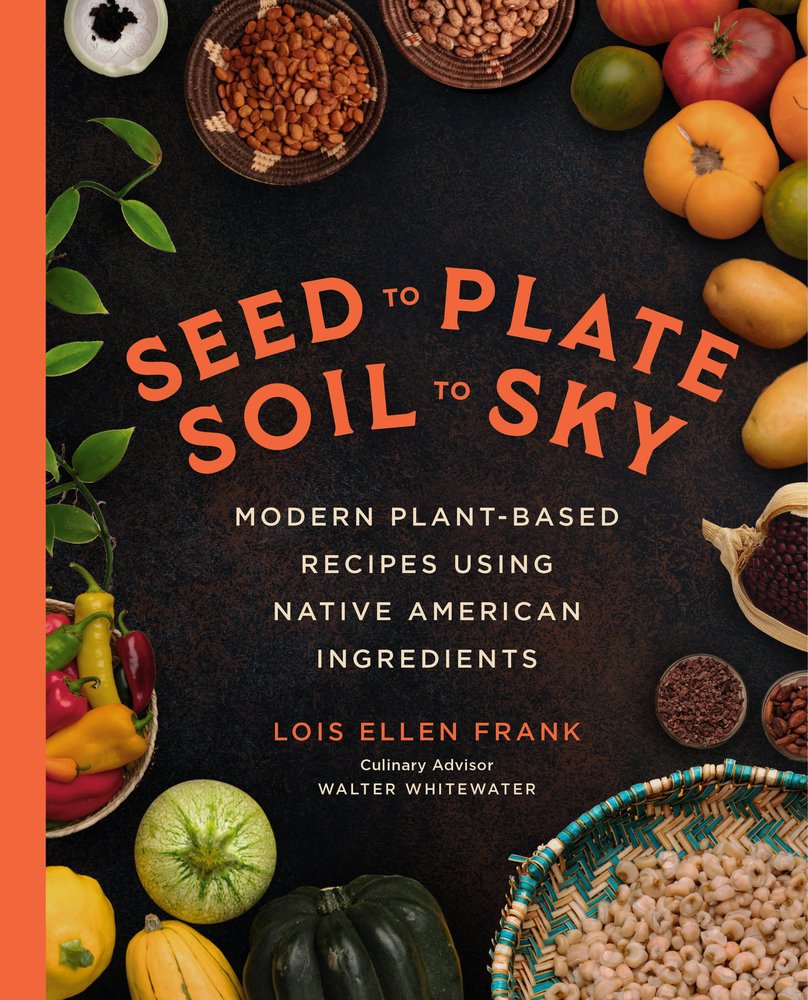
With these traditional ingredients, which are still staples of cuisine to this day, Frank crafts vibrant, plant-based recipes with a modern twist. Chef Frank created these nutritious and delicious recipes in collaboration with American Indian culinary advisor Walter Whitewater. From savory Red Chile Posole to sweet Chocolate Coconut Dried Cherry Tamales, these creations align with the overarching concepts of food sovereignty and sustainability. This cookbook is a reminder to remember your roots: The next time you’re eating a dish with any of these eight common staple ingredients, think about the Indigenous peoples who introduced these foods to the world’s culinary landscape.
Whether you’re an amateur chef or a seasoned professional, your next endeavor in the kitchen should be picking out a recipe from any one of these fantastic cookbooks and giving it a try. Learn new techniques, relearn history you may be unaware of, and diversify your diet with modern twists on Indigenous cuisine. Welcome new ideas to your table, as all these authors welcome readers into their respective cultures.
If you’re eager to jump into fiction written by Indigenous authors, read our recommendations here.
Looking for more cookbooks to expand your at-home cooking repertoire? Check out the Bookstr team’s cookbook recommendations on Bookshop.