














Hispanic Heritage Month brings a spotlight to the rich and diverse cultures within Hispanic and Latinx communities. The terms “Hispanic” and “Latinx” actually carry different meanings, sparking debates over identity and inclusivity. These words are not just labels; they represent complex histories and evolving self-perceptions. Younger generations often challenge older definitions, pushing for more inclusive language that reflects today’s multicultural society. This article explores how these tensions influence identity and how understanding these dynamics is key to appreciating the diverse experiences within these communities. So let’s get into it!
Let’s Unlock What This Practical Hispanic Label Means
The term “Hispanic” first gained official use in the 1970s, according to Pew Research Center, and was created for a practical purpose: demographic categorization. However, this broad term often overlooks the unique identities within the community. While some embrace “Hispanic” for its simplicity, others find it erases their specific cultural heritage, creating tension among those who feel their identities are more complex. Understanding this term’s history helps unpack the ongoing debate about its relevance today.
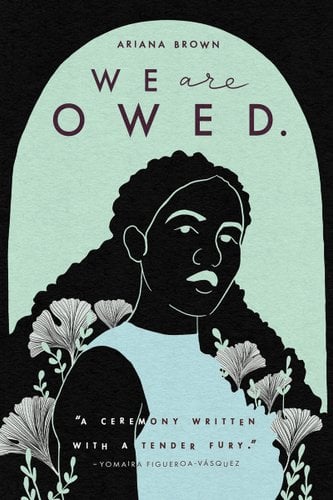
We Are Owed by Ariana Brown explores the tension between embracing and rejecting this label. Brown’s poetry delves into the complexities of being both Black and Mexican, challenging the limitations of a singular identity. Her work illustrates how the term “Hispanic” can fail to fully capture the richness of individual experiences. By examining these nuances, we can better understand the layers of identity within the Hispanic community. This perspective is crucial for appreciating the true diversity behind the label.
Breakthrough of the Emerging New Term Latinx
The term “Latinx” has emerged as a progressive alternative to “Latino” or “Latina,” aiming to be more inclusive of non-binary and genderqueer individuals. Our society has become more aware of gender diversity and thus the term “Latinx” is gaining traction within those communities. It challenges traditional gender binaries and opens up discussions on identity. By adopting terms like “Latinx,” we acknowledge and celebrate the full spectrum of identities within the Latinx community. This term represents a step forward in creating a more inclusive and understanding society.
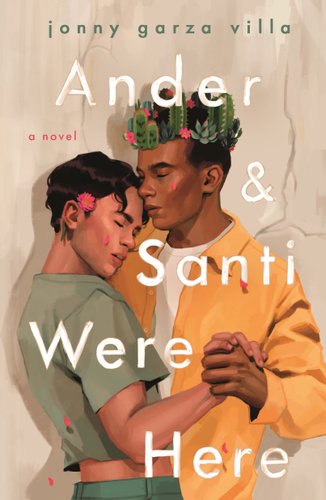
Ander & Santi Were Here by Jonny Garza Villa provides insight into this language shift. The novel portrays characters who grapple with their gender identities within the framework of Latinx culture. The character of Ander defies conventional binary labels, opening up the discussion for readers on identity. By incorporating “Latinx,” the book reflects a growing recognition of diverse gender expressions. This evolving language highlights the need for terms that embrace everyone in the community.
Why It’s Important: Identity, Inclusivity, and Cultural Implications
Understanding the distinction between “Latinx” and “Hispanic” is crucial for fostering inclusivity and respect. These terms reflect different aspects of identity, shaping how individuals are perceived and understood. They carry significant cultural weight, influencing how people relate to their heritage and each other.
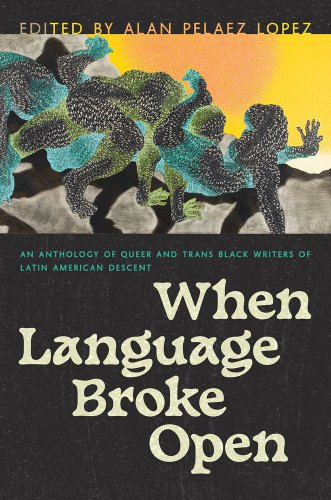
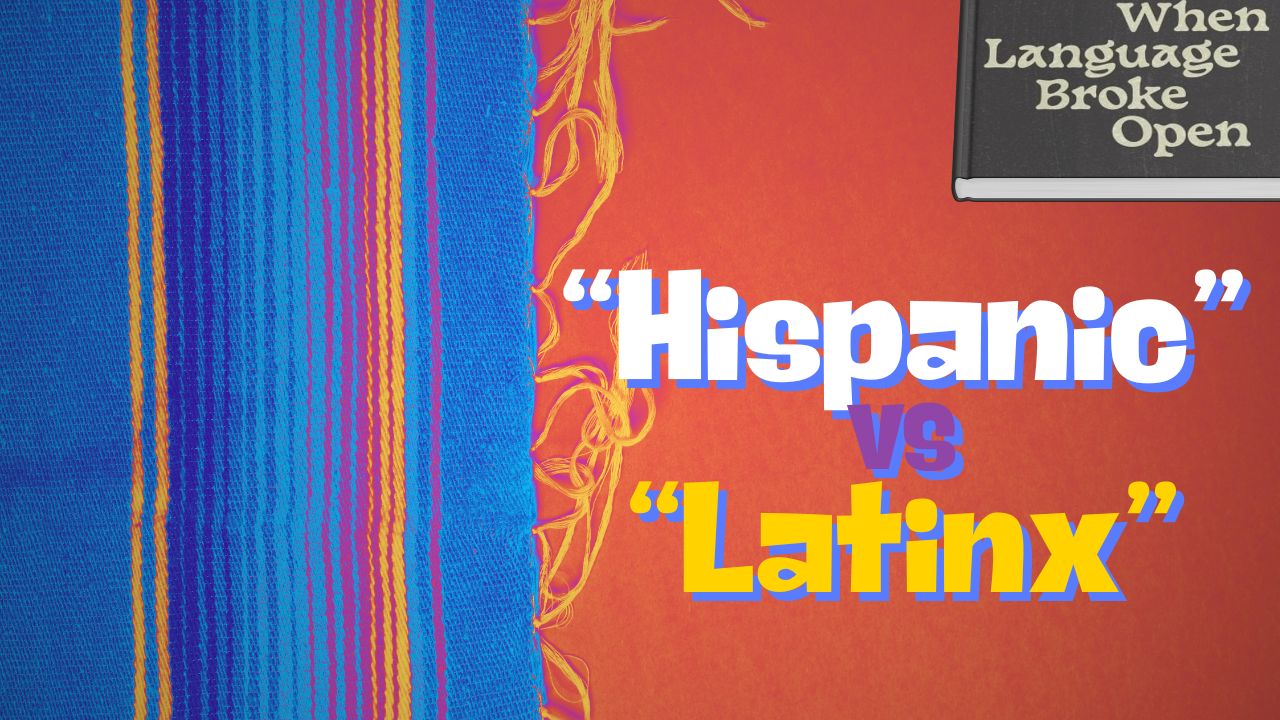
When Language Broke Open offers profound insights into these dynamics. This anthology showcases voices that challenge traditional definitions and highlight the need for more inclusive language. By exploring the intersections of race, gender, and cultural identity, the book emphasizes how crucial it is to honor diverse experiences, empower marginalized voices, and challenge societal norms. The anthology provides a platform for queer and trans Black writers of Latin American descent, offering several rich perspectives on identity. By engaging with these discussions, we can better appreciate the cultural implications of our language choices and work towards a more inclusive society.
Utilizing terms like “Latinx” and understanding the complexities of “Hispanic” identity is vital for advancing inclusivity and respect. As our language evolves, so does our capacity to honor and reflect the diverse experiences within these vibrant communities.
Wanna read more queer, Latinx stories? Check out this article.
Be sure to browse our Hispanic/Latinx Recommendations: Bedtime Stories, Poetry, and Novels bookshelf on Bookshop.org for more Hispanic and Latinx stories!