


















I love a good book-to-film adaptation! I enjoy comparing and contrasting books vs. the movie/show and deciding which one I favor more. Typically, I won’t watch the adaptation until I’ve read the book — partly because most of the time, books are better, and partly because it just feels right to experience the original first. There’s something fascinating about watching a story be brought to life on a screen. I always find it interesting how film adaptations change certain aspects of the story to add more drama that engages the audience, while maintaining the spirit, tone, and heart of the source material.
If you relate to this interest of mine, keep reading! In this article, we will compare and contrast different adaptations to determine which version does it best, specifically focusing on whether both versions of the story share the same goals, if any features of the story are different or omitted, and if one version is better than the other.
Gone Girl by Gillian Flynn
Starting strong with Gone Girl by Gillian Flynn. Like most adaptations, the film follows the plot of the book, incorporating major twists, monologues, and big reveals. Both maintain a dark, unsettling tone due to the suspense and strange circumstances. There were more diary entries in the book that felt personal, whereas we only get snippets of them from the movie. Overall, the book provided much more detail, including Nick’s parents’ sickness and his scavenger hunt. However, I really liked the movie in the way it makes watchers feel like they’re watching it unfold through the eyes of America’s TV viewers. It’s almost as if watching body language, looking for evidence.

I personally loved both the book and the movie, but I will say I liked the book more because of the incredible amount of detail (which is often the case), and the first-person narrations from both Nick and Amy. I always appreciate first-person narration from multiple characters because it invites readers into their personal thoughts. This book did just that, providing great detail to help the reader understand them as characters and their deteriorating relationship. Even though I think the book is better, I recommend watching the movie too. Although they’re similar, they both offer a different experience.
The Hunger Games by Suzanne Collins
Suzanne Collins’ The Hunger Games captivated millions with its enthralling story of rebellion, survival, and dystopian nature. Fans of the book were absolutely eager to see Katniss Everdeen’s world come to life. At its core, the film remains aligned with the book’s main points. I personally thought it was a very accurate representation. However, there were a few big-picture differences that I do want to mention. For one, the book is in first person, placing readers inside Katniss’s head, allowing us to experience her internal conflict. In contrast, the movie uses a third-person perspective, showing scenes outside of her direct experience, which is typical for film adaptations. Another is surrounding the violence and tone. The book doesn’t shy away from the brutality of the game, whereas the movie tones it down for a PG-13 rating, making it more appropriate for a younger audience.
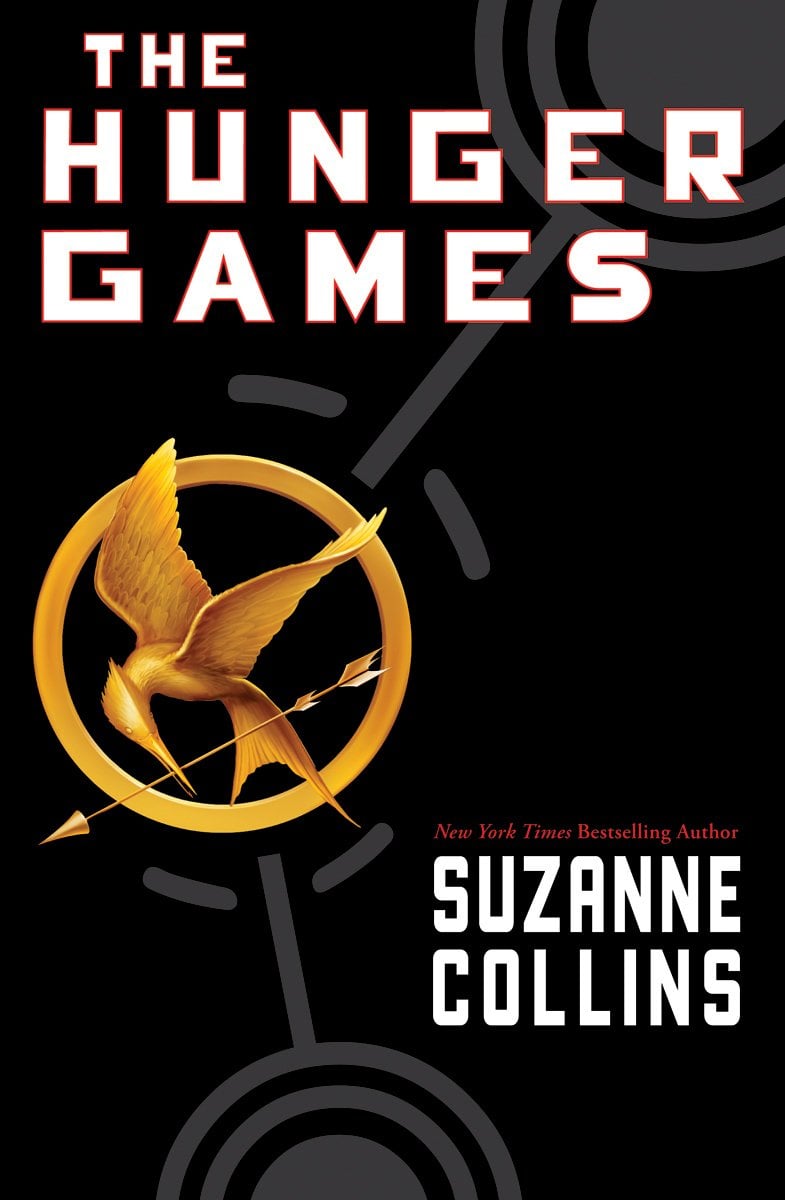
The Hunger Games book and movie series are one of my all-time favorites, because they both offer something different. The book renders a deeper emotional experience with richer character development by solely focusing on Katniss’ thoughts and experiences. The intimacy makes readers feel like we are experiencing her world right beside her — moment by moment, thought by thought. The movie is perfect for a visual, fast-paced, action-packed version that trades internal depth for a broader, more dramatic story. If you love one, the other is definitely worth your time!
Daisy Jones and the Six by Taylor Jenkins Reid
The question at the heart of this book-to-screen adaptation is whether this fictional story can feel more authentic when set to music. Daisy Jones and the Six by Taylor Jenkins Reid takes readers behind the scenes of a fictional 1970s rock band. My favorite aspect of the book was that it was told through an interview-like format, so readers learn opinions and experiences from every main character. This was incorporated into the Prime Video series adaptation, using flashbacks and present-day “interview” footage. It gave us something the book couldn’t: body language and facial expressions. Regarding the music, the book provides lyrics, but the music is up to the imagination. The series brings the music to life, adding a whole new dimension to the story.

I personally liked the show more for various reasons. One, because of the music. I have some of the songs in my playlist; they are that good! Two, there are some major and minor differences that I thought made the story more appealing. The series gives more closure and resolution, especially for the relationships. But don’t get me wrong, both versions are excellent. The main difference is that the book invites you to figure out the truth behind the band’s downfall, and the series lets you witness it unfold. If you revel in filling the gaps yourself, the book might be best for you. But if you want more of the music and emotion, the show would be the way to go.
The Lovely Bones by Alice Sebold
With the same premise of Suzie Salmon, a young girl murdered, living between life and death, and watching her family grieve while her killer walks free, The Lovely Bones novel and movie adaptation take different approaches to how the story is told and what parts are emphasized. One big difference I noticed between the two is the approach to storytelling. The book focuses less on plot and more on grief and healing, with the “in-between” being symbolic, shaped by Suzie’s emotions and unfinished business. The movie visually emphasizes her afterlife, suppressing a lot of emotional impact. The tone is also a leading contrast with the film relying on suspense and thriller elements more than the novel. Certain scenes are intensified, and some emotional arcs are cut entirely.
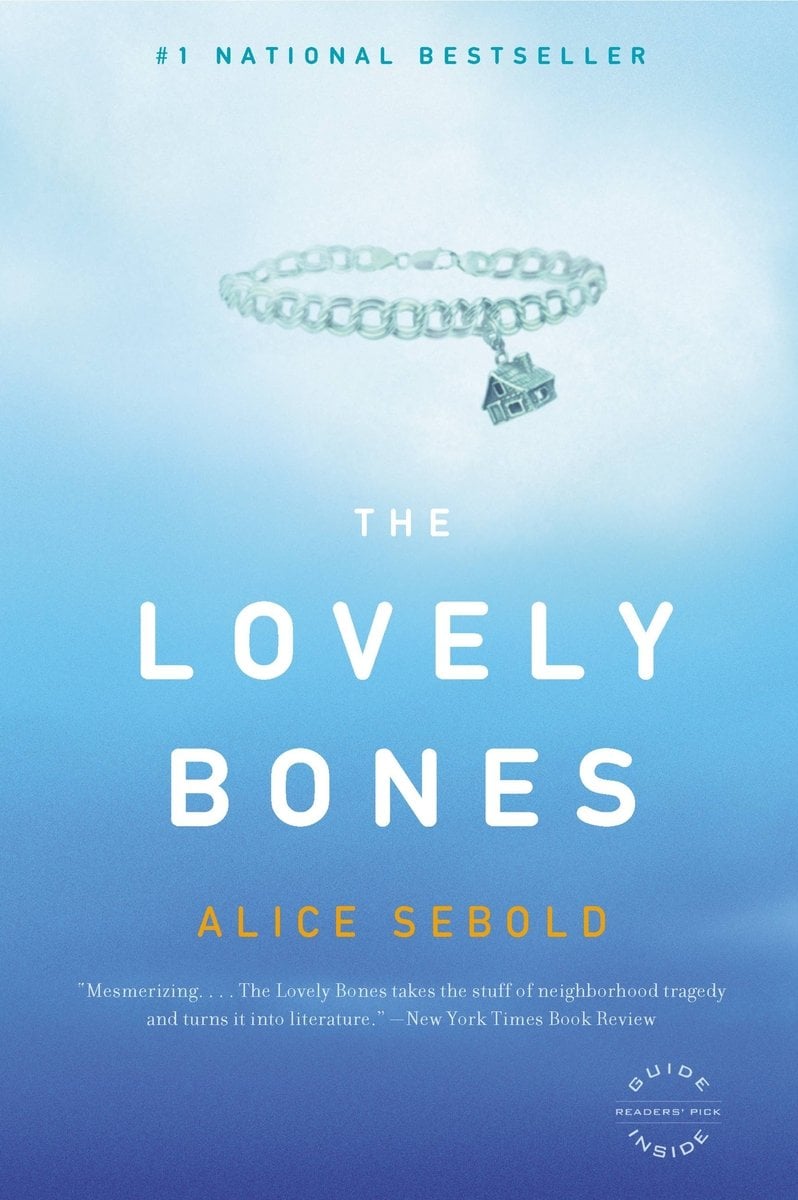
It’s hard to determine which one is better, because with the storytelling differences, I think it just depends on what you’re looking for or which type you’re more interested in. The novel explores the complexities of loss, grief, and moving on. The movie brings the concept of the afterlife to life with vivid CGI, but at the cost of emotional components. Both powerfully tell a story of loss.
Normal People by Sally Rooney
For a little background on Sally Rooney’s Normal People, if you’ve never heard of it, it follows a complicated relationship between Marianne and Connell as they move from high school in a small Irish town to university life in Dublin. It’s the kind of story that felt too intimate to work on screen, but the Hulu series adaptation captured the same emotional intensity as the book, just in a different (but equally affecting) way. The series is remarkably accurate to the novel, just with a visual raw intimacy. Marianne and Connel are complicated, troubled characters who don’t say what they really want at times. The book fills in the gaps by providing readers with an inner monologue, preventing any confusion as to what the character is thinking or feeling. In the show, it’s harder to tell what’s going on inside the characters’ minds; it’s more up to interpretation by studying body language and facial expressions.
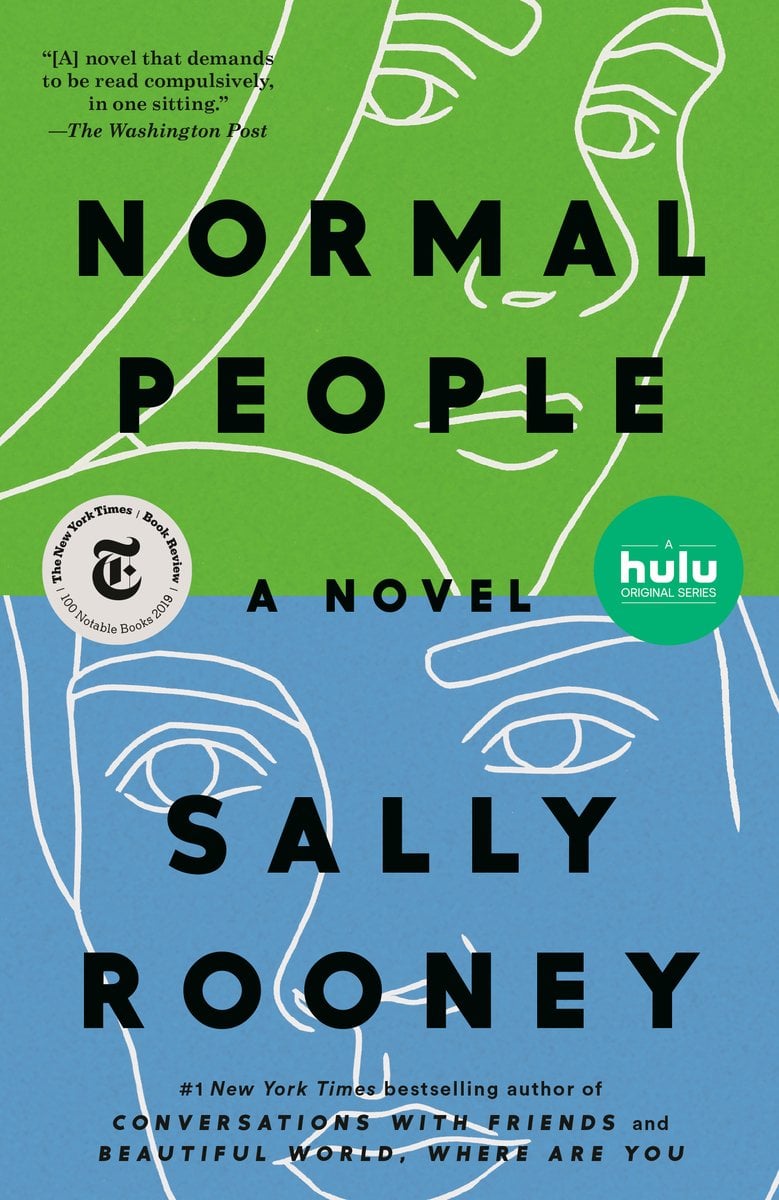
Like most, the book is internal and reflective, and the series is expressive and visual. This is one of the rare cases where the adaptation is just as good as the book. Everything read in the book is brought to life on screen. I encourage you to partake in both. Read the book to understand the character depth fully, and then watch the show to see the story and characters you love given cinematic life.
Me Before You by Jojo Moyes
Reflective, thought-provoking stories are notably powerful. What I loved most about the Me Before You novel was that the story forces us to explore what it means to truly live. It forces readers to face a difficult, unimaginable situation through great detail and multiple perspectives. Voice and internal struggle come through more clearly in the book. One difference that stood out to me was that, in the book, the romance isn’t rushed like it is in the film. That’s not to say the pace of the film doesn’t work; it just smooths over some relationship buildup and emotional depth that made the book feel more intimate. A few elements were cut from the movie, such as Lou’s past trauma, which is a key element to her characterization in the book.
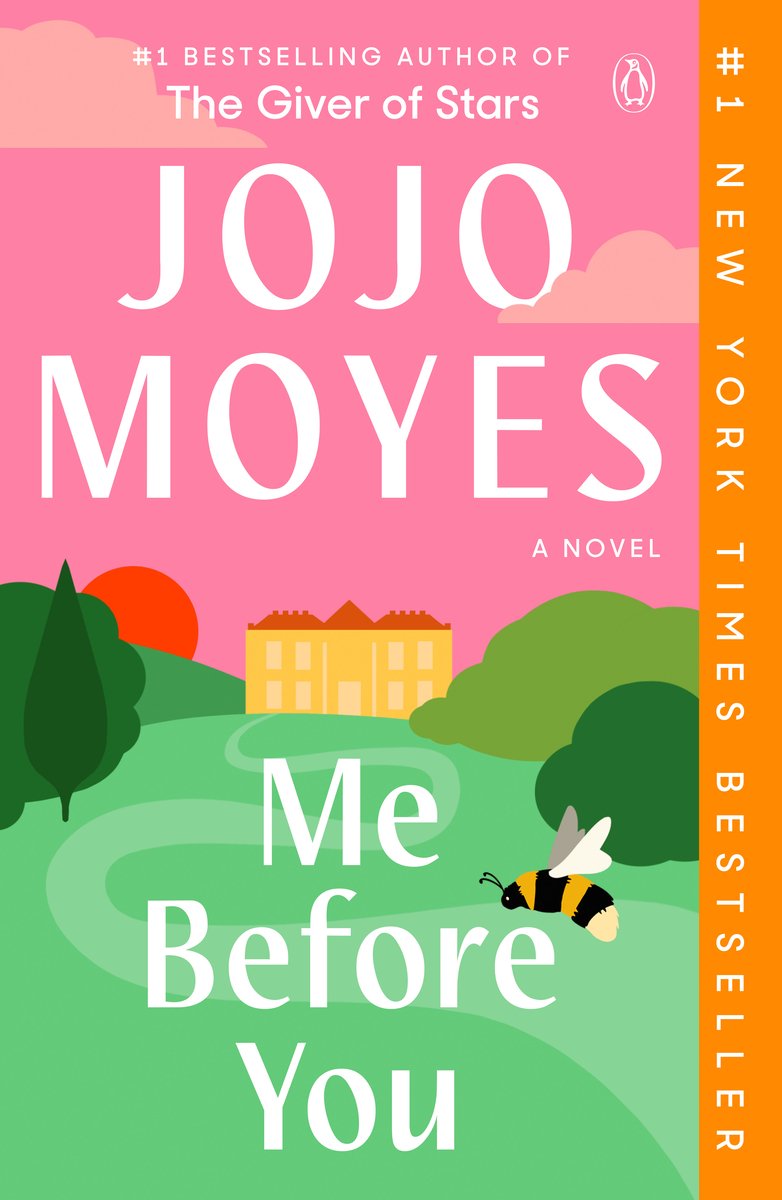
I’ll admit, I did watch the movie before I read the book. Me Before You is one of my favorite movies, but with my belief that the book is always better, I had to read it. And I am now in love with both! They each give an emotional impact, but I found the book to stay with me in a way the movie can’t. The book’s depth and power just can’t be fully captured on screen. The adaptation is strong, but the novel is stronger.
The Handmaid’s Tale by Margaret Atwood
There are very few dystopian stories that have stuck as deeply as The Handmaid’s Tale by Margaret Atwood. The novel came out in 1985, and now there is a Hulu series adaptation. The essence of both is the same, but due to there only being one book and multiple seasons of the series, there are quite a few differences. The novel is subtle and restrained, but undeniably full of meaning. It is told entirely from the perspective of Offred, a Handmaid. Readers learn of her memories, observations, and acts of resistance. The series does the same thing with narration from her, but it also gives experiences outside of her. They both align at the beginning, but the show starts to expand beyond the novel with new storylines for characters. Another difference is that the series includes graphic violence and psychological torture, making it far more intense.

Both the novel and series of The Handmaid’s Tale are powerful in their own way. The book has a stronger lasting impact and deeper meaning, and the series is more action-packed, expanding the world of Gilead. Their differences make it hard to say definitively which one is better. I am fascinated with the original concept and love that the series expanded on it, but the book’s psychological depth left a stronger impression on me.
The Great Gatsby by F. Scott Fitzgerald
Onto one of America’s greatest novels, The Great Gatsby by F. Scott Fitzgerald. This book has such a strong impression on millions of people because of its symbolism and meaningfulness. With the details of Gatsby and his extravagant parties, it deserved to be brought to life on screen. The film gives a perfect portrayal of what readers imagined the grandeur to look like — glitter, champagne, fireworks, and more. It felt very accurate to the book, representation-wise, and the storyline. One significant difference, though, was obviously that the story is set in the 1920s, but the movie had a more modern feel, using current music for the soundtrack. While the movie does contain the symbolic qualities of the book, it doesn’t have the same effect; it is more for entertainment than anything.
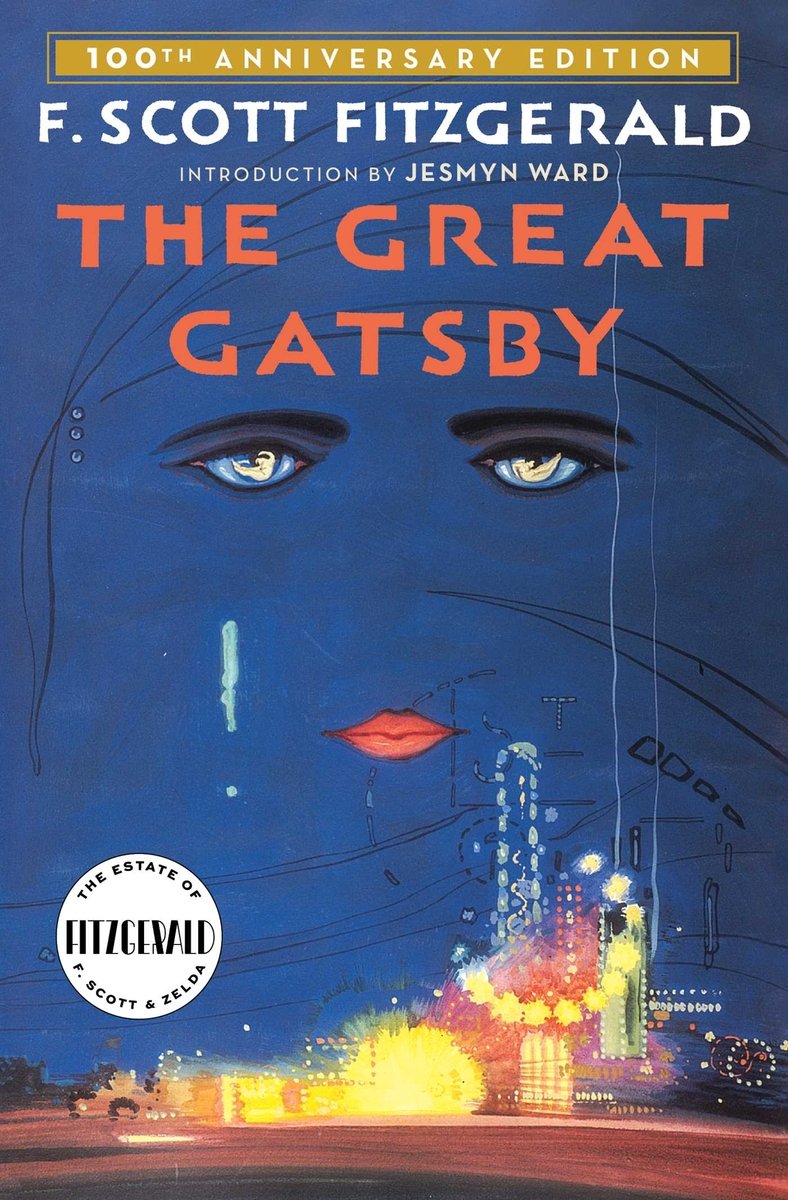
The Great Gatsby novel is a classic, and it will always be superior to the movie in my book. Its symbolism and layered meaning give space to reflect and feel the weight of certain parts. Both the novel and film are fantastic, following the same basic storyline but delivering it in their own way. Both are worth reading/watching, but the book is a must!
Pride and Prejudice by Jane Austen
I recently watched the Pride and Prejudice movie (a little late, I know), so I’m super excited to compare it to the novel. Reading Jane Austen’s novel is like escaping to an entirely different world, leaving behind every societal norm. I admire the love story, but also appreciate the commentary on class, marriage, and gender roles. The film is a stunning adaptation, keeping the major themes and relationships intact. I thought the actors portrayed the characters very well. The music also adds something romantic that pulls you in. I really appreciated the exact language the movie pulled from the book in certain scenes, because they were iconic.
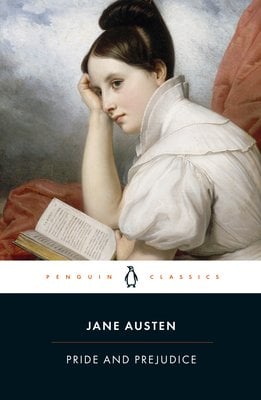
As cool as it was to see one of my favorite books come to life on a screen, I truly fell in love with the novel and the beautiful prose. There’s just something about it that doesn’t translate the same way in the movie. But the adaptation does justice to the book by capturing the emotion and drama. Both are absolutely worth experiencing.
Little Women by Louisa May Alcott
As the oldest of four sisters, I deeply resonated with Louisa May Alcott’s novel, Little Women. The story of Jo, Meg, Beth, and Amy is truly timeless. Safe to say I had high hopes for the 2019 film adaptation. The heart of the story remains the same, but the way it’s told differs. The novel is linear; it follows the sisters from childhood to adulthood. The chronological timeline makes it easier for readers to understand the cause and effect without confusion. In the movie, it jumps back and forth in time, contrasting the sisters’ childhood dreams and their adult realities. That strategy helps the audience connect to the characters’ growth immediately.

Both the novel and film are phenomenal in their own ways. Due to the book having a long-lasting impact on me personally, I have to say it is better. There’s nothing more powerful than words. It allows a deeper, more personal version of the story. But at the end of the day, they both hold the same meaning and are deserving of your time.
Thank you for checking out some page-to-screen adaptations! I had so much fun writing it. It’s exciting trying to decide which one is superior. Books often win, but when done well, film/series adaptations offer a new way to fall in love all over again!
Looking for more adaptations from the bookstr team? Check out our Adaptations page!
You can find these books in the Bookstr Team Recs shelf!
