







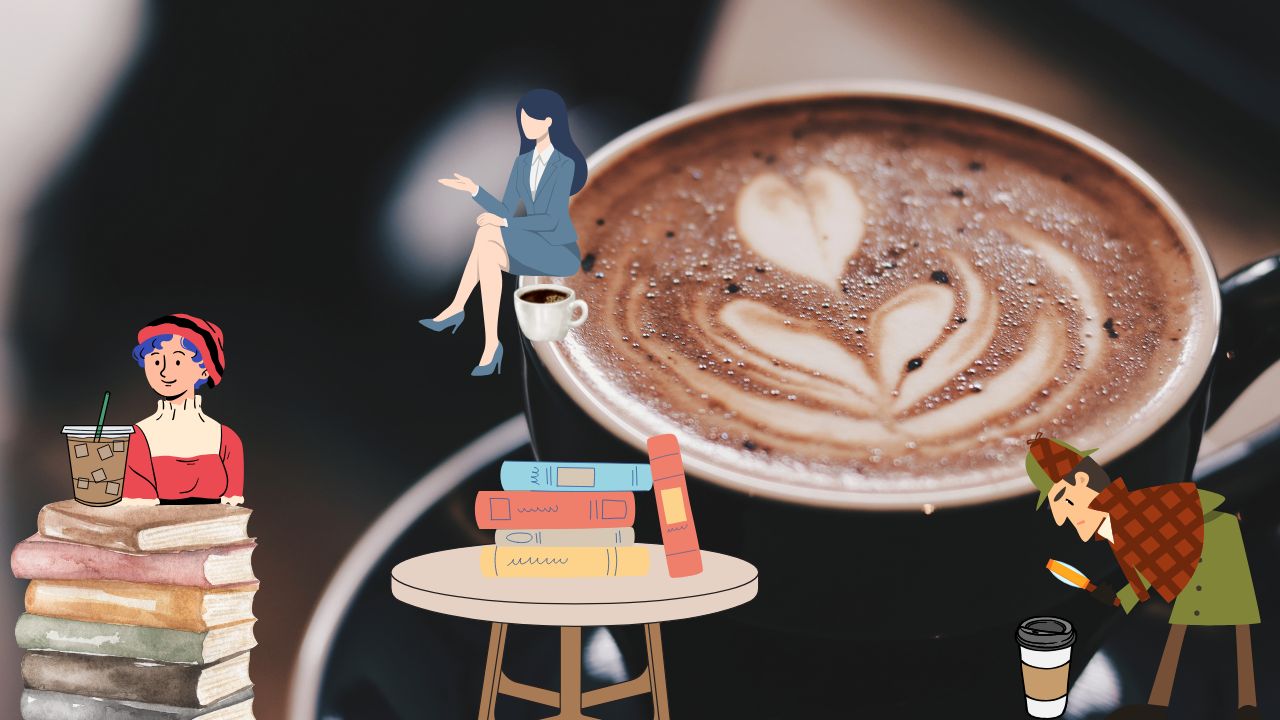
There is simply nothing like the perfect beverage for the moment. Whether it’s a bracing cup of tea before a long day of work or a fun sparkling concoction for a lazy summer day, it’s satisfying to match the vibe to the drink. And of course, with fall in full swing, the perfect choice is usually coffee, preferably from a coffee shop with dark wood, bespoke drinks, and a warm atmosphere.
Fall wouldn’t be complete without a classic book, filled with fascinating characters and compelling plotlines. So why not combine the two best parts of fall? Read on to find out what each of your favorite classic characters would order at their local coffee shop (or whatever the equivalent of that is in Regency England).
Sherlock Holmes, The Hound of the Baskervilles — London Fog
The literary world’s most iconic sleuth, in his most iconic adventure — what better pairing than an iconic drink? Ignoring the fact that it’s not actually coffee (Earl Grey and milk, thank you very much), the London Fog conjures up the mysterious streets of Holmes’s London, a bustling metropolis and a city that holds many mysteries.

In The Hound of the Baskervilles, Sherlock confronts one of his most compelling cases, one that seems to only have one explanation. Amid the mysterious, haunting moors, he methodically tracks down the solution to a mystery equal parts creepy and fascinating. A London Fog is the perfect warm accompaniment to a chilling, misty mystery like this one. And of course, it’s what Holmes himself would probably choose.
Lizzie Bennet, Pride and Prejudice — Extra-Hot Tea
Lizzie Bennet is not only the main character of the most classic of classic novels, she’s also just enough of a rebel to not order coffee at a coffee shop, while having enough of an appreciation for old-fashioned standbys. And of course, to match her fiery temper, she would order anything and everything hot enough to scald, just like her insults do.
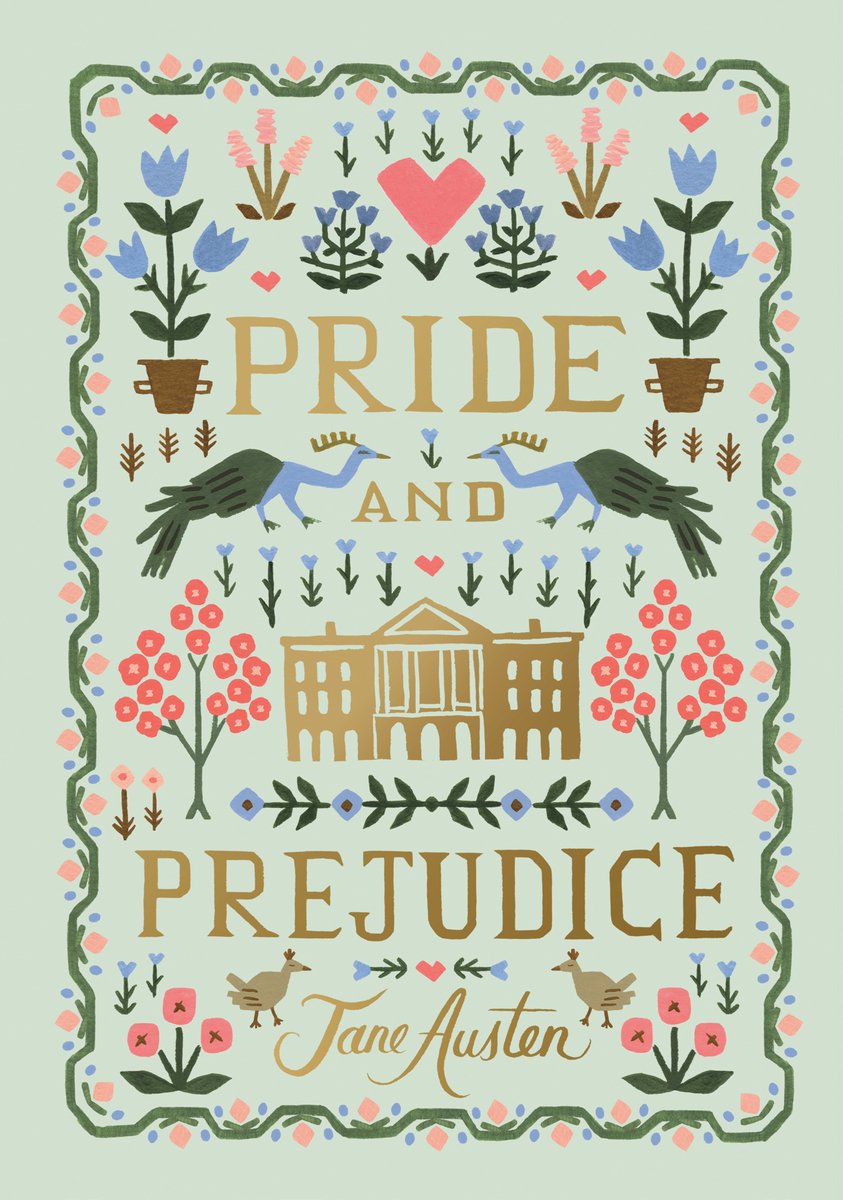
As for the flavor of tea, we think Lizzie’s would vary, from a mild and herbal chamomile to the strong and strident black tea, just as her character can shift from tender and understanding to rebellious and assertive. After all, one’s coffee order doesn’t have to remain the same every time; there’s always room to change one’s mind!
Ishmael, Moby Dick — Sea Salt Foam Latte
For the narrator of a sea-soaked, meandering tale like Moby Dick, there’s no other option except a sea salt foam latte, a drink that might seem intimidating or only for the bold, but relaxes into a compelling and delicious flavor profile. Ishmael’s rambling odyssey through the world of whale-hunting might take some time to get used to, but it’s sure to win you over in the end.

And of course, no sailor would turn up their nose at a caffeinated latte, especially after months at sea chasing the white whale up and down the globe. We like to think that the salty savor of sea salt foam might also remind Ishmael of the happier times at sea, and instill a longing for adventure that can only be satisfied by another voyage.
Zélie Adebola, Children of Blood and Bone — Espresso Shot
Zélie Adebola is the main character of the Children of Blood and Bone series, where she’s experienced a tumultuous and emotionally devastating journey, from her place within a loving family to the responsibilities of an entire nation on her shoulders. For an epic series like this one, nothing will do except energy itself, condensed and powerful.

Like Zélie herself, espresso is complex, energizing, and occasionally bitter. But also like Zélie, it has the potential for greatness — it’s the component of most coffee drinks, after all, from the iced Americano to the sugary frappuccino. Like Zélie, it embodies strength, perseverance, and the ability to adapt to seemingly impossible circumstances.
Miss Marple, The Murder at the Vicarage — Strawberry Matcha
A matcha latte, the latest and greatest coffee-adjacent concoction, might not be the most obvious choice for an elderly English lady who loves knitting and solving murders. But Miss Marple excels in surprising the unwary, especially in her first book, The Murder at the Vicarage. Her unassuming appearance conceals a shrewd and calculating mind, easily able to crack the case and still have time for a fun bev.
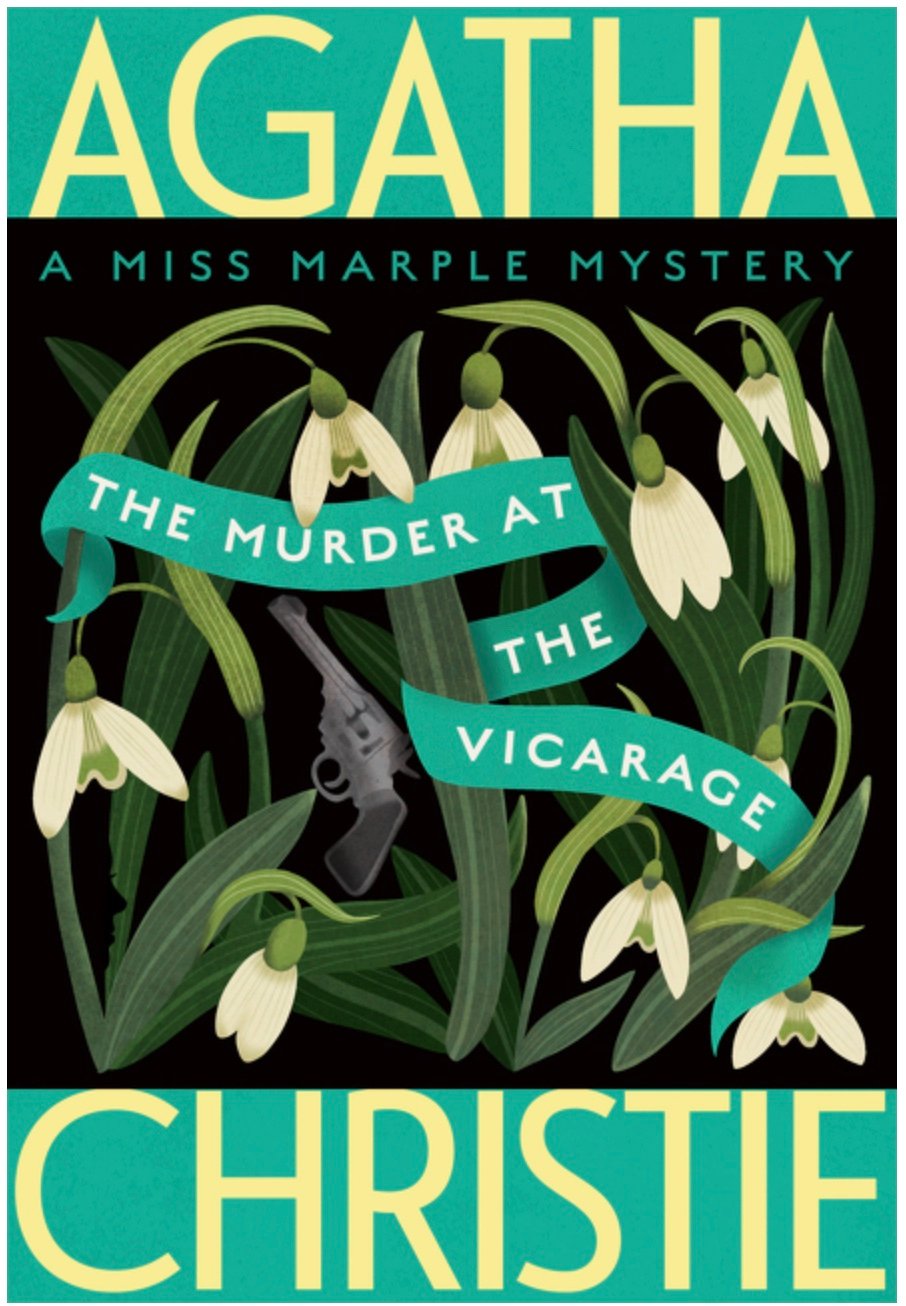
Just as a strawberry matcha is a fun drink that conceals hidden depths of flavor (if made correctly), Miss Marple contains multitudes. Also, we think that the herbal and fruit-forward flavors of this drink would appeal to the gardener in her, another hobby she indulges in when she’s not giving Hercule Poirot a run for his money.
Dorothea, Middlemarch — Pumpkin Spice Latte
Pumpkin Spice — but why always Pumpkin Spice? Both Dorothea and this particular iconic fall flavor just can’t help but be the center of attention, much as they might wish to be humble and unassuming. They’re just that girl! We also envision Dorothea being initially conflicted but ultimately accepting of her inevitable love of Pumpkin Spice, which is the most “basic” and popular of drinks for a reason!

Like Dorothea herself, a Pumpkin Spice latte has deep and complex flavors, often ignored by the people around it, who see the drink as a simple and sugary treat. But as readers of Middlemarch know, there is always more to someone than meets the eye, when it comes to coffee or just life in general.
George Smiley, Tinker, Tailor, Soldier, Spy — Mocha
George Smiley is the secret genius behind John le Carré’s universe of spies, running the global operation of Cold War espionage behind a desk and occasionally in the field. He’s iconic for emerging from retirement in Tinker, Tailor, Soldier, Spy, to catch a mole in the furthest reaches of the British spy network. And yes, we think he would order a mocha. Iced or hot depends on the weather, of course.
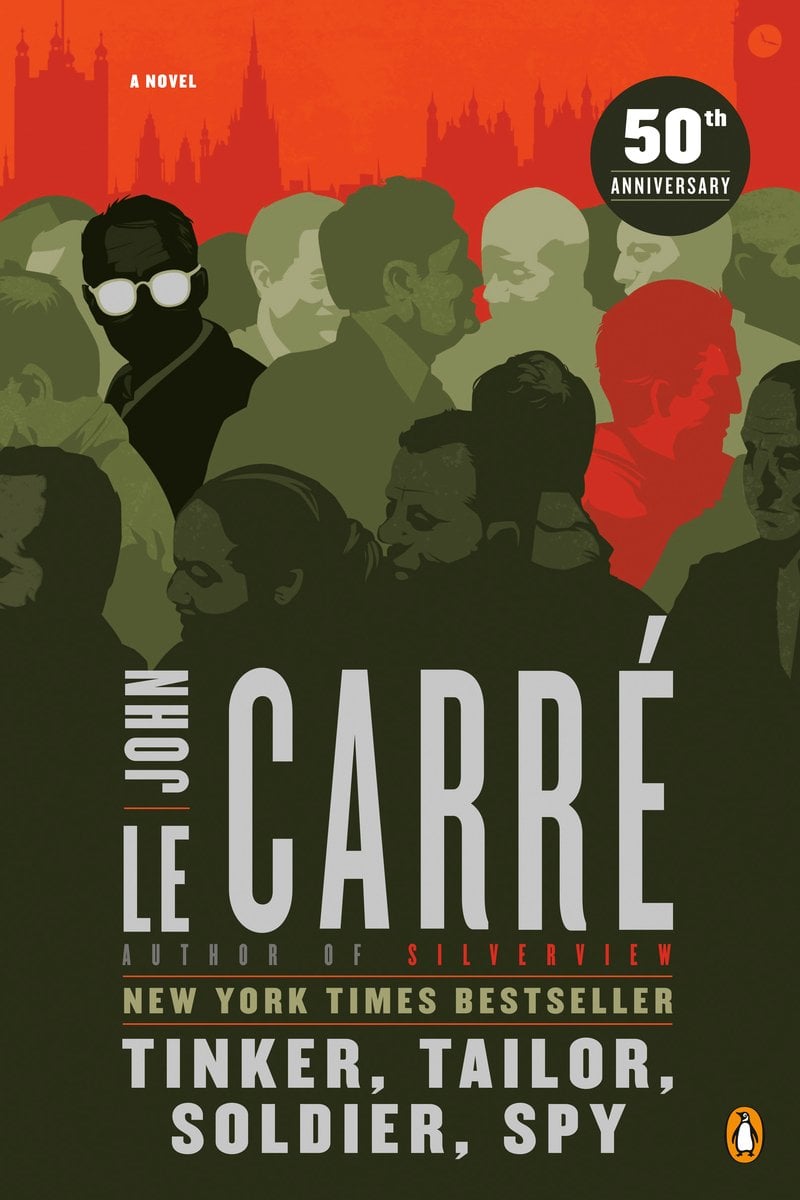
Part of Smiley’s genius is that although he’s a master spy, he looks (and acts) just like a face in the crowd, someone you might glance at and immediately forget. That’s not entirely an act, either. It’s what makes him such a good narrator. Also, the kind of guy who would order a mocha because as much as it pains him to admit it, coffee tastes much worse than it should.
Lyra Belacqua, The Golden Compass — Chai
Lyra Belaqua bursts onto the scene in The Golden Compass as the beloved and annoying urchin of Oxford who is plucked from obscurity and set on an adventure that will span not only her globe but possibly take her out of her own universe. Throughout it all, she maintains not only her own character, but a sense of courage and confidence that sets her apart.

Lyra would order a Chai, because although it can seem deceptively sweet, it carries a complexity of flavor that mirrors Lyra’s journeys, and an assertiveness that she would definitely appreciate. Although it’s not the distinctive bitterness of coffee, chai has its own, no less important, presence.
Andy Sachs, The Devil Wears Prada — Cold Brew
Andy Sachs is the consummate professional, at least by the end of this book. Qualified, knowledgeable, and wildly overworked. That’s why she would order a Cold Brew, which as far as we can tell is the most concentrated form of energy you can imbibe short of doubling up on energy drinks, which she potentially also does.
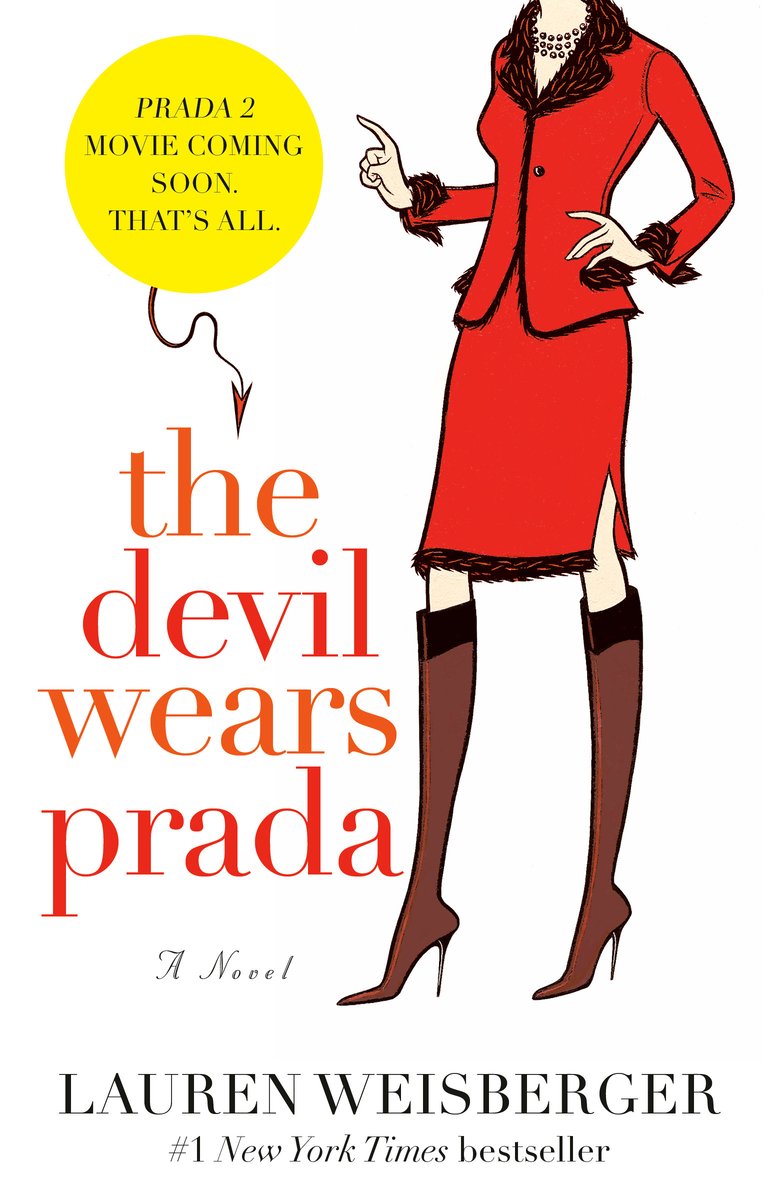
A Cold Brew is also a little less classy than, say, a cappuccino, which is something Miranda Priestley would no doubt be partial to. So maybe Andy’s icy cold brew, the antithesis to a classic foamy coffee, is her own small way of rebelling against the fashion establishment that she’s so eager to join. Or maybe it’s just the only thing that keeps her awake at this point.
Henry Park, Native Speaker — Black Coffee
In this classic novel, Chang-rae Lee explores alienation and diaspora through the character of Henry Park, a man whose own separation from integral parts of himself makes him fantastic at what he does, and also makes it enormously difficult for him to be human. All Henry wants to do is blend into the crowd — but for that, he has to distance himself from who he really is.

Of course, Henry would order a regular black coffee, the least intrusive and easiest drink to make, and one would think the simplest. But beneath the flavors of the coffee lies a deeper truth: that no matter how one tries to blend in, sometimes the act itself of trying to be like everyone else is what makes you unique.
Just as coffee shops offer a near-infinite selection of flavors and drink combinations, characters can often surprise us with their uniqueness, even as they seem similar to others or seek to blend into the crowd. Just as most people have their own unique way of stirring their coffee or putting sugar in their tea, each character brings something ineffably different to the table.
So next time you’re at a coffee shop, step into the shoes of your favorite heroine or side character, and maybe step off the beaten path, thinking about what they might do if they were to find themselves in your place. Would they go for a blonde roast? Maybe a cappuccino? Who knows?
Want more book recommendations? Click here.
Click here for more literary book picks by the Bookstr staff!