







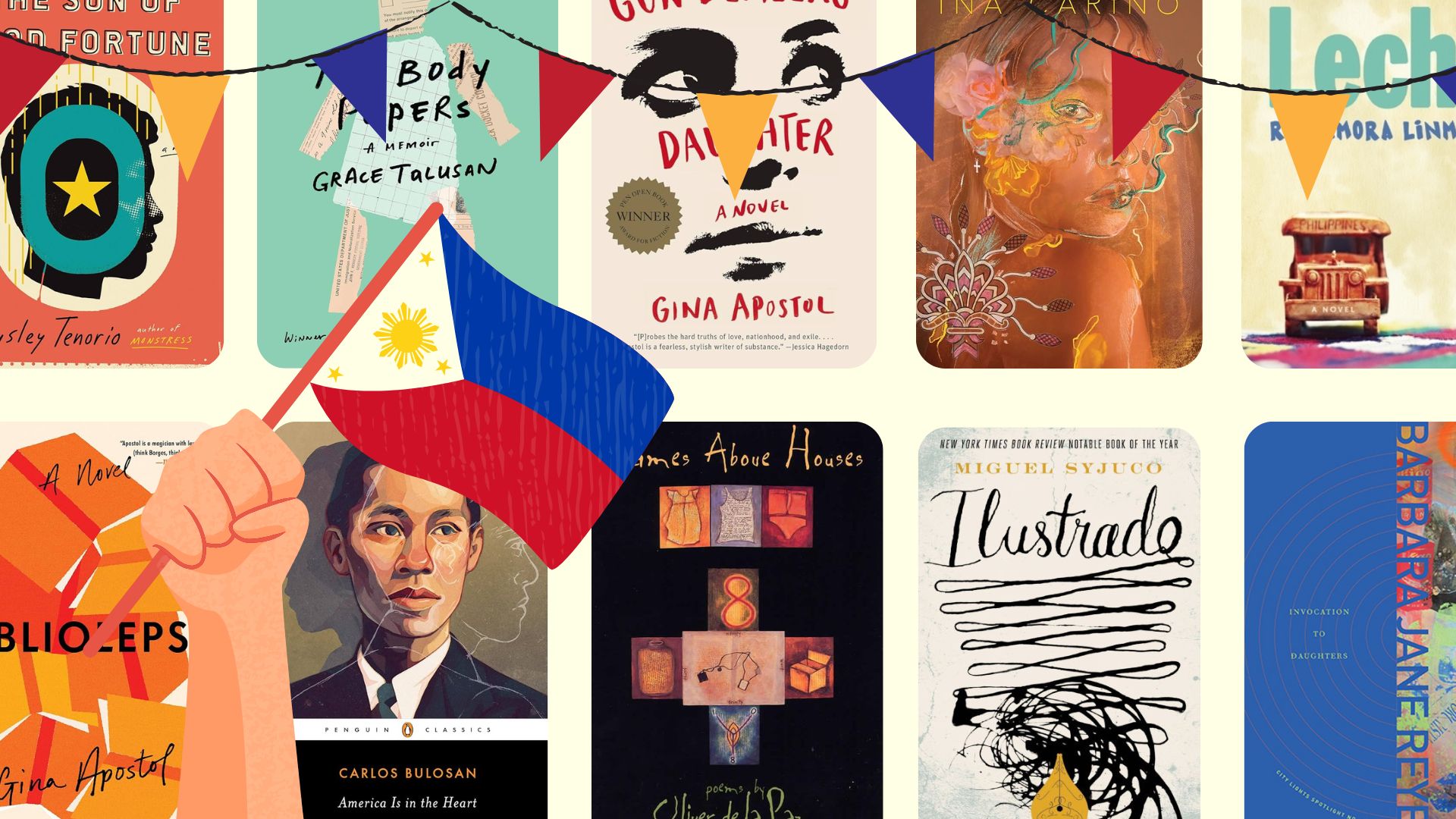
As October arrives, we celebrate Filipino American Heritage Month. This commemoration not only marks the day Filipino Americans first arrived in the U.S., but also highlights their significant contributions to literature. Filipino American writing provides essential insights into identity, history, and the complexities of the U.S.-Philippine colonial relationship. Since the early 1900s, authors have contributed rich narratives that reflect a growing appreciation for diverse voices and stories, which resonate with readers worldwide. As we celebrate this month, let’s spotlight those who have shaped our community with their impactful words and experiences.
America Is in the Heart by Carlos Bulosan
“If you want to know what we are; WE ARE REVOLUTION!”
If You Want to Know What We Are
We start strong with Carlos Bulosan, a Filipino American author, poet, and activist. Born in the early 1900s, his experiences provide a powerful perspective on Filipino life during the colonial era. Growing up poor in the Philippines before migrating to the U.S., Bulosan left behind many works rooted in hardship, resilience, and resistance.
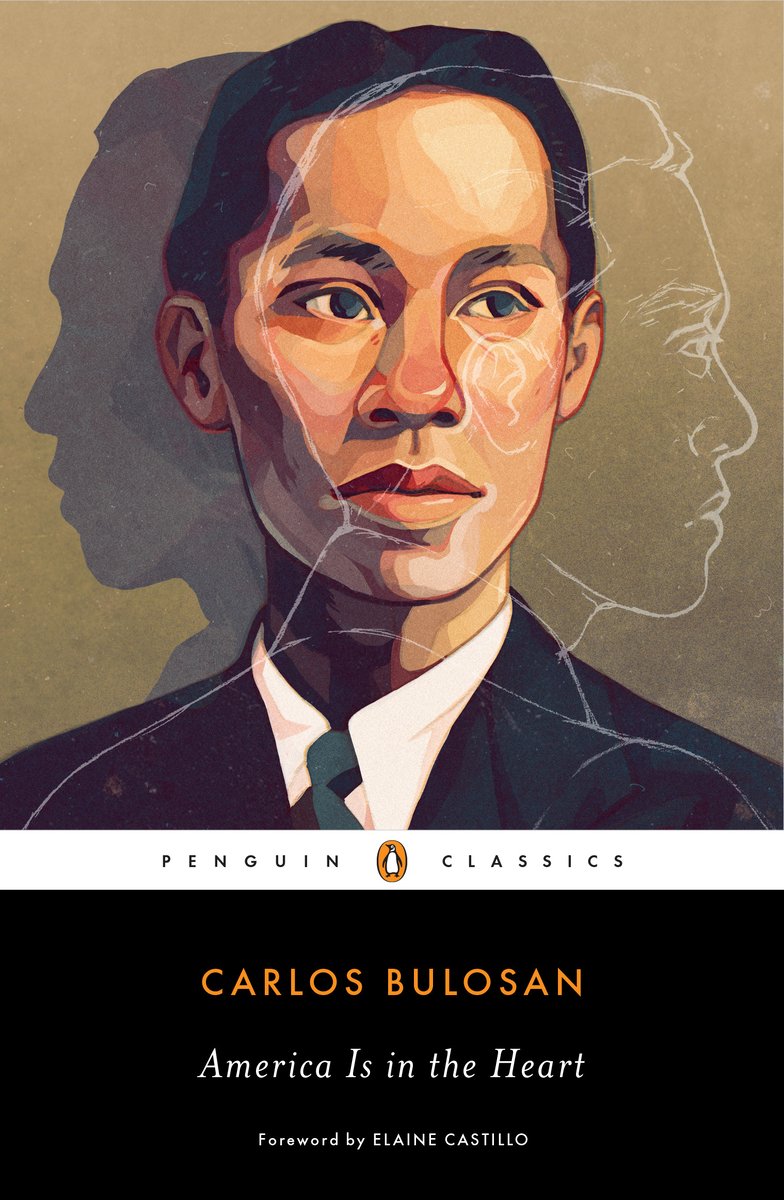
One of his most striking pieces is his poem If You Want to Know What We Are. In this vision of resistance, we see a powerful declaration of identity, struggle, and collective strength. If you enjoyed this piece, America Is in the Heart is an essential follow-up. Bulosan speaks from the voice of workers, migrants, and the oppressed, while exposing the violence and exploitation they endure. Yet within the oppressed also lies the seed of hope, reframing marginalized people today as central to shaping our future. Reading this poem during Filipino American Heritage month reminds us of the vital role Filipino immigrants have played in U.S. history.
The Son of Good Fortune by Lysley Tenorio
“Life before you seems so long ago … I think that maybe, well, probably, that I might be … falling in love with you.”
The Son of Good Fortune
This novel seamlessly blends humor and tenderness, while also addressing themes of immigration, family, and the pursuit of freedom. The Son of Good Fortune follows Excel, a Filipino American secretly born in the U.S., living as an undocumented immigrant. Together with his mother, Maxima, they navigate life in California with limited opportunities and uncertainty.
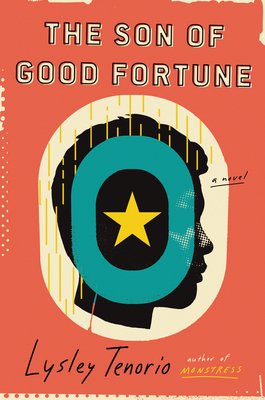
As this story progresses, Excel faces questions of identity, belonging, and the meaning of home. This book is a must-read during Filipino American Heritage month, as it highlights the complexities of the immigrant experience. Diving deep into what it means to grow up between two cultures, and how that shapes one’s sense of belonging.
The Feast by Ina Carino
“…because my stolen body / is still burdened with salt, my tongue pinched with its bite … my muscles still remember old aches — as if suspended in the salt of an ocean I crossed alone.”
The Feast
If poetry is more your style, Feast by Ina Carino offers a rich collection of Filipino American poetry, exploring the experience beyond intergenerational trauma, bonds, and community. Carino uses food and hunger as both sustenance and metaphor, transforming everyday acts of cooking and eating into larger ideas on inheritance, identity, and cultural preservation.
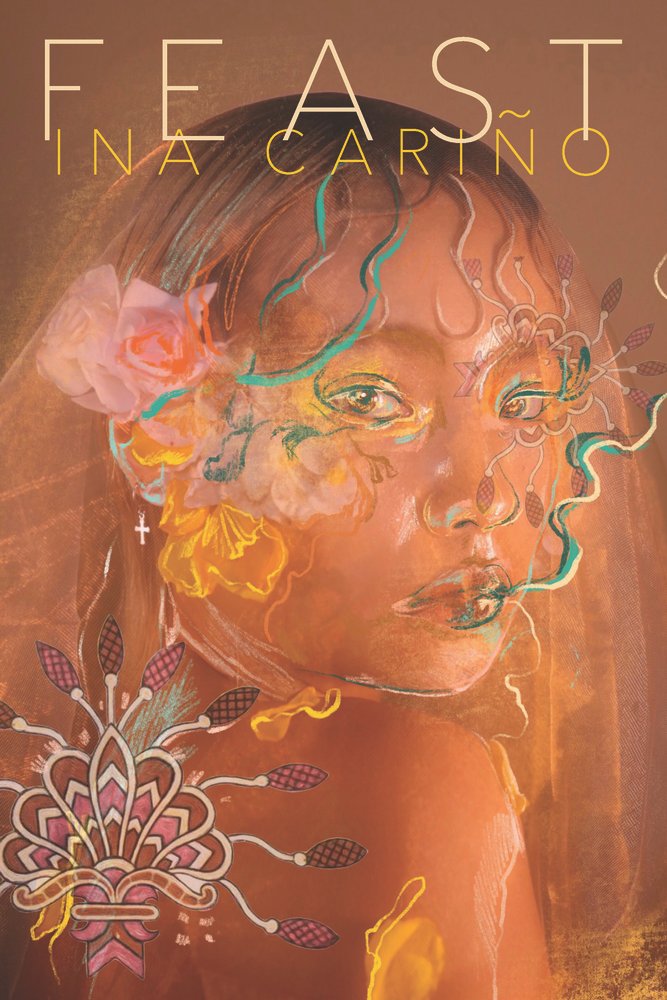
Feast made me reflect on heritage in my own life and how it often shows up in the kitchen. How does cooking meals connect you, as a reader, to something bigger, whether it’s lineage or tradition? How does your hunger tie into a deeper connection to culture and to stories that may not have been passed down?
This collection is more than poetry; it’s an essential read for Filipino Heritage Month and a reminder that history lives every time we eat, cook, and remember.
Bibliolepsy by Gina Apostol
“What compels me to collect these memories, my ficciones, as if time were interested in itself, in the connections between minutes?”
Bibliolepsy
Described as “moving, sexy, archly funny” and “a love letter to the written word”, Bibliolepsy by Gina Apostol is crucial for your reading list during Filipino American Heritage month.
Craving books, sex, and revolution, Apostol highlights it all in her novel. This novel is set in the mid-1980s and follows Primi Peregrino, who turns to literature as both an escape and a means to understand herself. Her personal journey unfolds as the Philippines inches closer to revolution, blurring lines between identity and imagination, which are bound in both books and the world they describe.
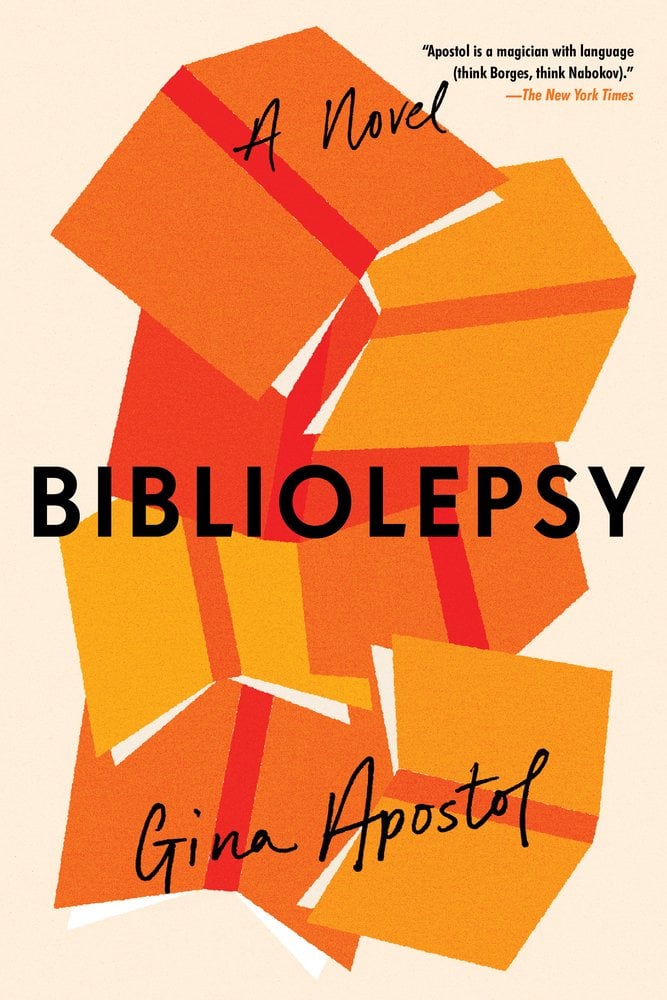
This story is perfect for those with an obsessive love for books and their central role in our culture. Apostol perfectly illustrates how literature and history are inextricably linked in shaping who we are and are central in understanding how Filipinos have utilized stories as tools for resilience and resistance.
Gun Dealer’s Daughter by Gina Apostol
“Foreign monopoly capitalism and the comprador bourgeoisie hinder the growth of industry: they must be opposed by the people’s democratic revolution.”
Gun Dealer’s Daughter
If you’re drawn to Apostol’s Bibliolepsy and love historical fiction, you’ll also appreciate her novel, Gun Dealers’ Daughter.
Set during the Marcos dictatorship in the Philippines, this story follows Soledad Soliman, a sheltered daughter of a wealthy arms dealer. She becomes swept up in the left-wing student protest movement, drawn by her political ideals. In doing so, her involvement is complicated by her family’s opposite perspective, leading to betrayal, guilt, and lasting consequences.
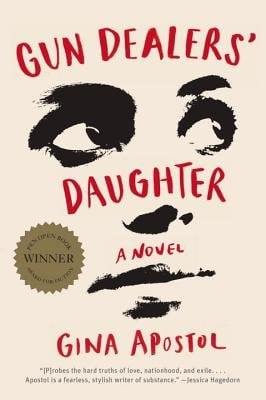
This novel truly succeeds in blurring the lines between personal desire and political rebellion. The Marcos dictatorship is both a painful and significant chapter in Philippine history, and Apostol does a perfect job explaining what it entails, its effects, and the student protest movements that resisted it. Soledad’s story reminds us how deeply personal lives are bound up with politics.
Reading this novel during Filipino American Heritage Month, we can reflect on the complexity of our past and the ways politics continue to intertwine with our personal lives today.
The Body Papers by Grace Talusan
“Immigration is a kind of death. You leave one life for another one with no guarantee of seeing your loved ones or home again.”
The Body Papers
The Body Papers is a critically acclaimed memoir, exploring the complex story of her own life as a Filipino immigrant and as a survivor of cancer and childhood abuse. Throughout her time growing up in the 1970s U.S., her experience confronting the lasting impact of abuse and cultural assimilation, Talusan reclaims her story.
This memoir is written through “papers” that define her life, such as immigration records, medical charts, and family photos, making her writing deeply personal and impactful to readers. Therefore, highlighting how identity is shaped by both external and internal scars.
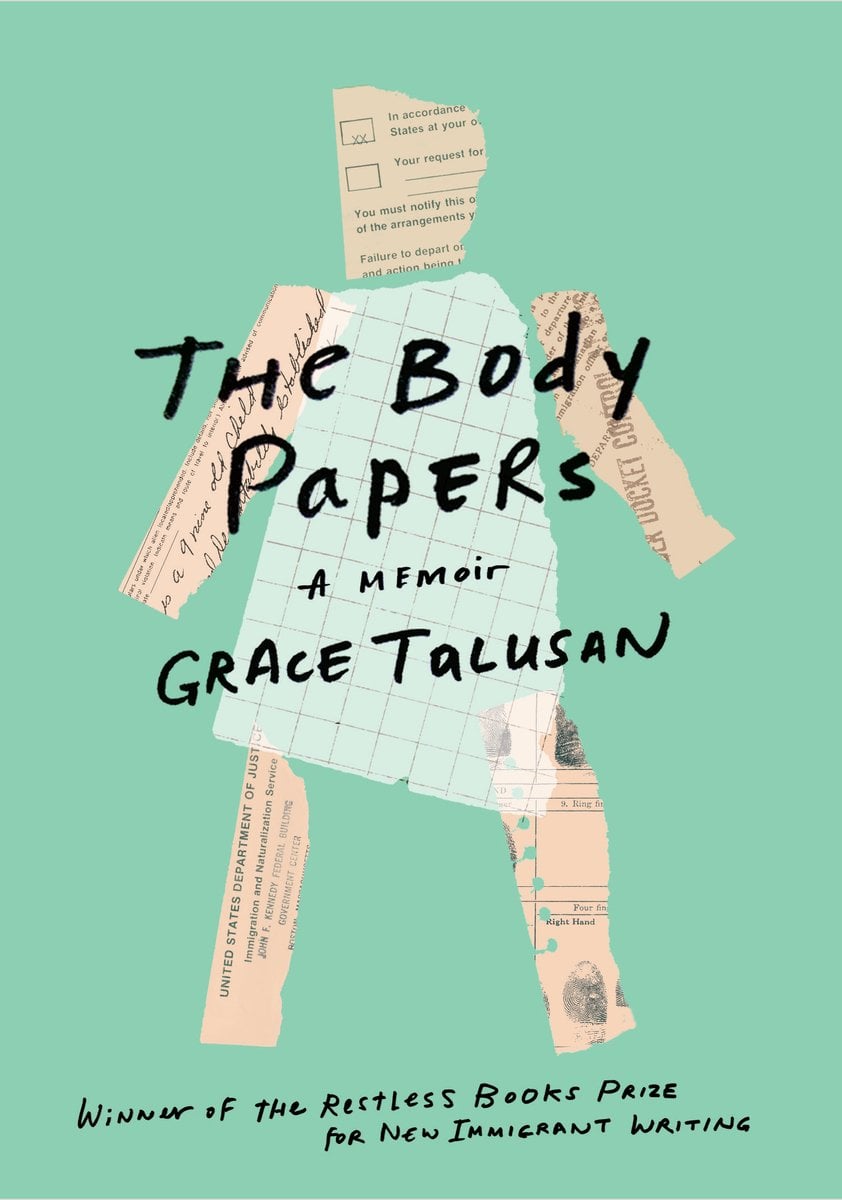
Talusan’s writing will leave a lasting impression on your perspective of how experience shapes us as human beings. Filipino American Heritage is seen through an eye-opening lens in The Body Papers, as we read this story of immigration, family, and survival that reveals both struggle and resilience that shape identity across cultures.
Leche by R. Zamora Linmark
“…if there are two things this country never runs out of, they’re entertainers in the government and taxicabs.”
Leche
By touching on subjects of what it means to be American, postcolonial, and queer in the early 1990s, Filipino-born American, Vince returns to the Philippines only to be told that his U.S. passport makes him no longer truly Filipino. In this journey of self-discovery, he meets a variety of characters, from nuns to politicians, each reflecting a different aspect of Filipino society and history.
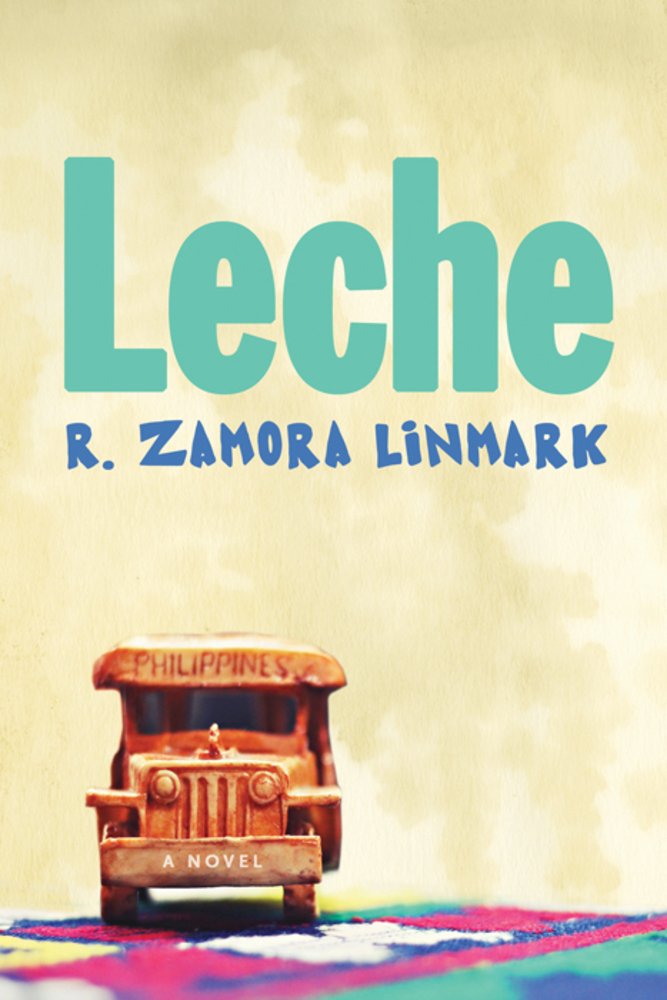
In many ways, we can all relate to the uneasy search for identity in a world of activism and corruption, where belonging is an ongoing negotiation between cultures, histories, and personal identity. Vince’s journey is messy and full of contradictions, but it reminds us that identity is not about neatly “finding ourselves” but about recognizing how layered we truly are.
Invocation to Daughters by Barbara Jane Reyes
“Daughters, let us create a language so that we know ourselves, so that we may sing, and tell, and pray.”
Invocation to Daughters
Not only is Invocation to Daughters a book of poems, but also one of prayers, psalms, and odes, all dedicated to Filipina girls and women as they survive and make sense of their own realities. Reyes gives voice to those who have been silenced, allowing their stories to shine through her words. By using “we”, she writes in a collective female voice that is both impactful and relatable, urging women to create a collective language of strength. As we move through emotions of anger and grief, we are led to a conclusion of hope, affirming women’s right to self-ownership and freedom.

Reading Invocation to Daughters is essential during Filipino American Heritage Month, as it amplifies the voices of women who have been silenced and offers a sense of hope in the face of an unjust world. Reye’s powerful words strike our emotions and create a collective language of resilience.
Ilustrado by Miguel Syjuco
“Freedom is the only thing we must demand in life, for all other good things stem from it.”
Ilustrado
Challenging the conventions of traditional storytelling, Miguel Syjuco’s experimental novel Ilustrado is a satirical mystery that layers themes of identity, corruption, exile, and a fractured narrative of Philippine history. Instead of a linear story, Syjuso constructs many perspectives and fragments. However, if you have the patience to understand this experimental style, you’ll notice how it perfectly reflects the disjointed nature of Filipino history, as well as the struggle to find one’s place in the world. Ilustrado questions corruption, critiques lasting colonialism, and insists on remembering histories that are too often silenced.
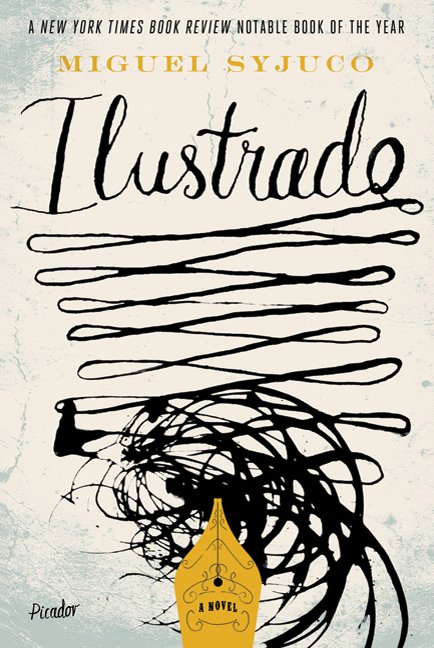
By adding this novel to your reading list this month, we’re highlighting the bold work of Filipino literature and how bold, experimental narratives are perfect for the complexities of heritage and history.
Names Above Houses by Oliver de la Paz
“…the name, in meditation, opens in / cold air like a parachute.”
Names Above Houses
In a family of Filipino immigrants, Fidelito Recto is “a boy who wants to fly”. Oliver de la Paz uses both prose and verse poems to create a magical realm where Fidelito is torn between the sky and his grounding family.
What makes Names Above Houses a perfect read for this month is the way Paz approaches heavy themes with both grace and strength. This novel honors the struggles and resilience of Fidelito’s family and his experience of living between cultures. Incorporating magic into his writing, he crafts an unforgettable story of survival, identity, and family, as well as a must-read during Filipino-American Heritage Month.
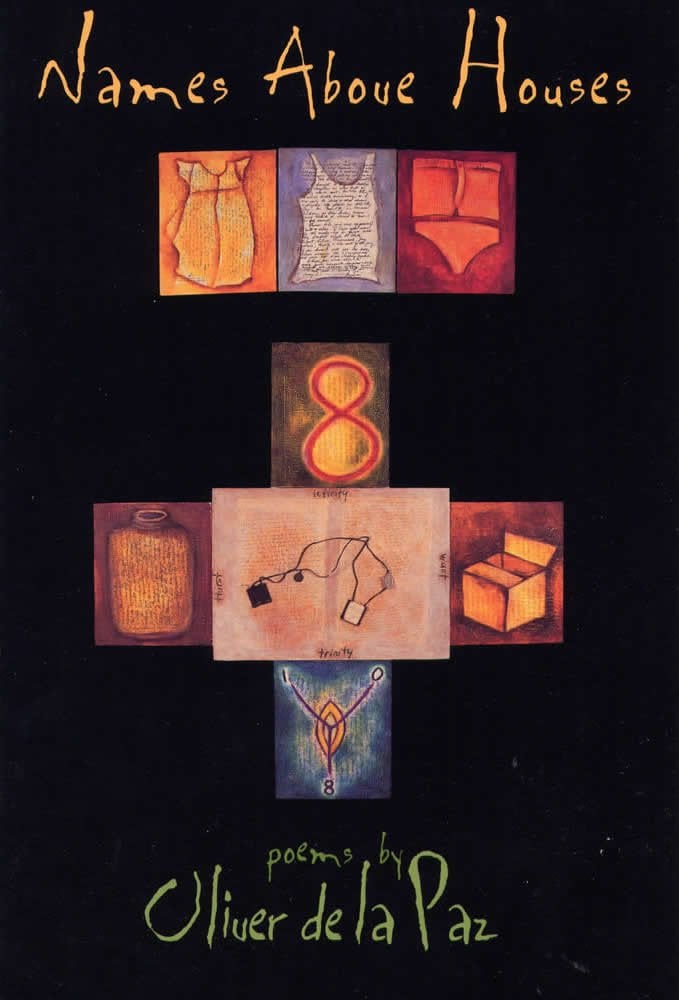
Paz also has an extensive array of literature, which I also recommend checking out on his website.
This Filipino Heritage month, let these powerful voices guide you through stories of resilience, identity, and history. Not only are each of these books a celebration of heritage, but also an invitation to look deeper into ourselves, our struggles, and our triumphs.
Find more literature from diverse voices at Bookstr here.
These books and countless more recommendations are available on Bookstr Team Recommendations on Bookshop.org.