




Kids of all ages love books about volcanoes, what lives in the ocean, what caused the Big Bang, and all about our solar system. When discussing earth sciences, there’s a lot to learn in the many branches, whether it’s the Earth’s many layers, the ocean, the atmosphere, or the planets of our solar system. These middle-grade earth sciences books are perfect for quenching their minds and engaging them in reading that helps them learn a little at the same time.
Geology
Kids of all ages love bringing cool-shaped and sparkly rocks home from walks, are awed by the miraculous wonder of volcanoes, or express curiosity about how mountains and rivers form. All of these are part of the study of geology, which teaches us a great deal about the history of our planet and enables us to make informed scientific predictions about its future.
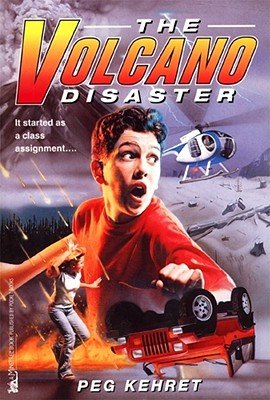
The Volcano Disaster by Peg Kehret
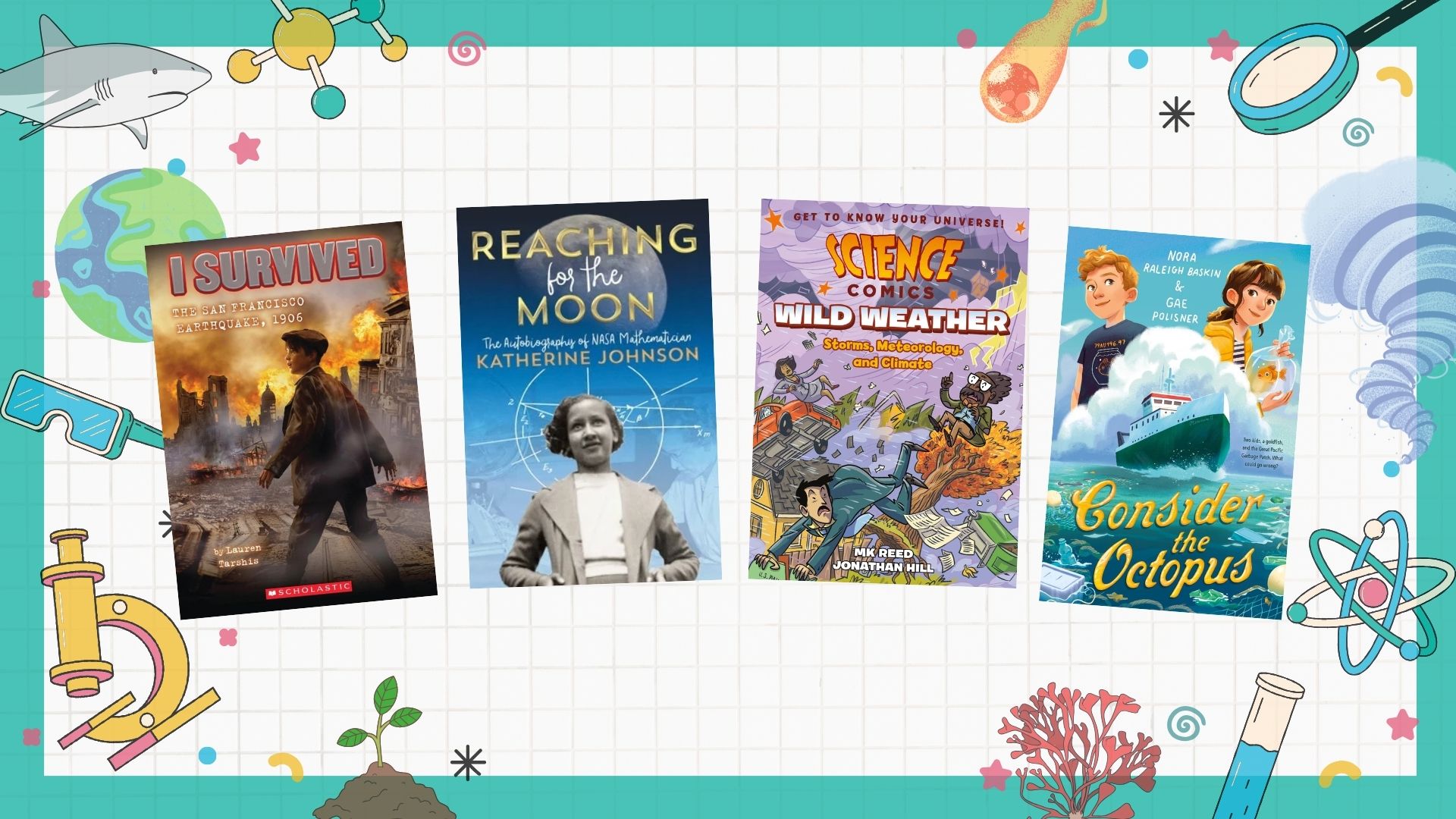
Following Warren Spaling, who now lives with his grandma, readers find him grieving the loss of his father in a new house. While he’s exploring the house, he discovers his grandfather’s many inventions, one of which is the Instant Commuter. This device transports you to any place on a map when you touch the wire to the map. Unfortunately for Warren and his project partner Betsy, it also works on photos. While working on his class project about volcanoes, the wire touches a photo of Mt. St. Helens minutes before it erupts. Warren and Betsy have to work together to escape the exploding volcano and return to their time before it’s too late.
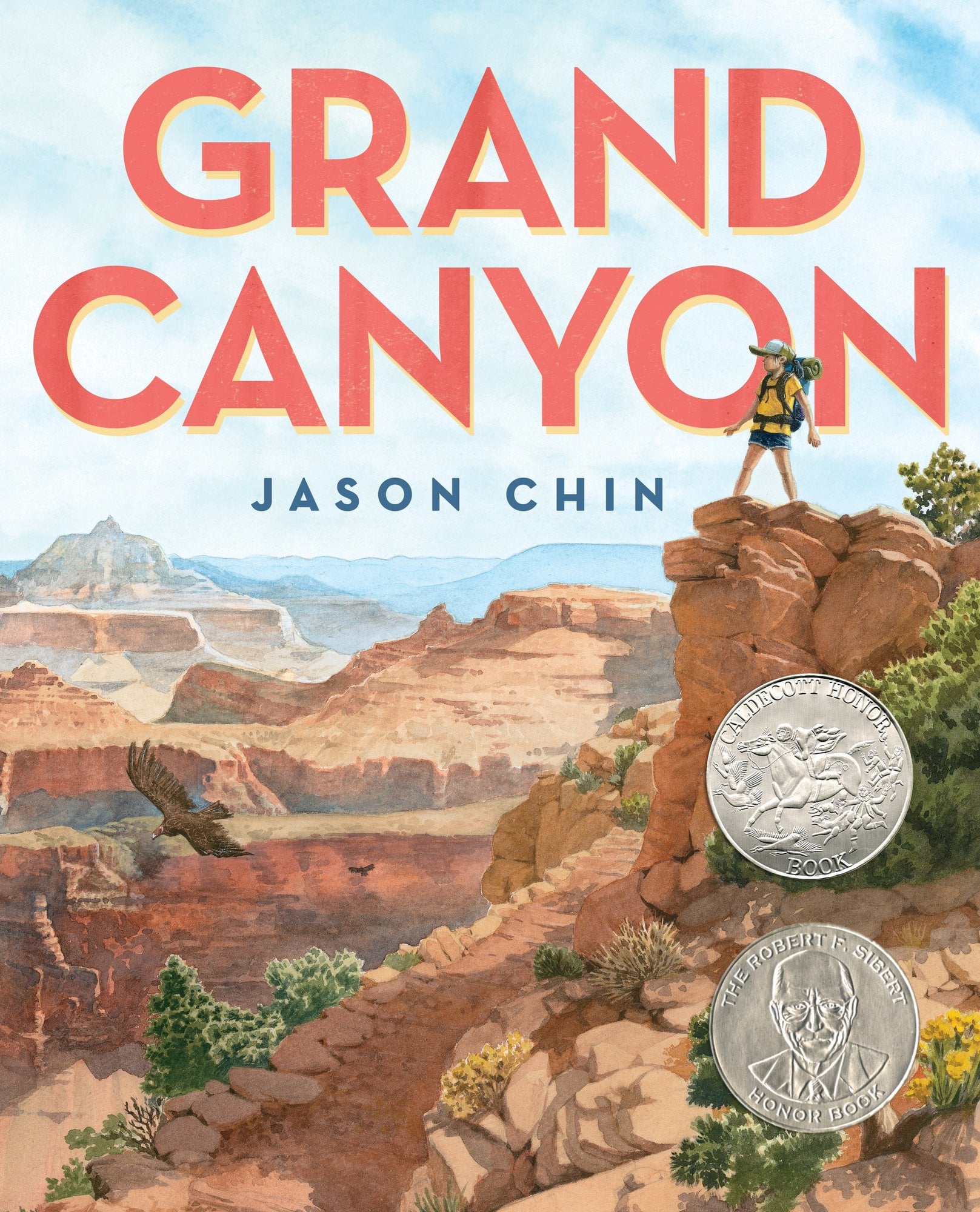
Grand Canyon by Jason Chin
Grand Canyon takes readers on a graphic novel-like story, following a man and his daughter on a backpacking trip through the Grand Canyon. Filled with die cuts and gorgeous imagery, we learn a lot about the plants, animals, and formation of the Grand Canyon. They discuss each passing rock layer on their journey as they “move through time,” imagining what the Grand Canyon might have looked like in the past. Following a phenomenal double gatefold of a highly detailed map of the Grand Canyon is extensive backmatter, including an author’s note, sources, and recommended additional reading.
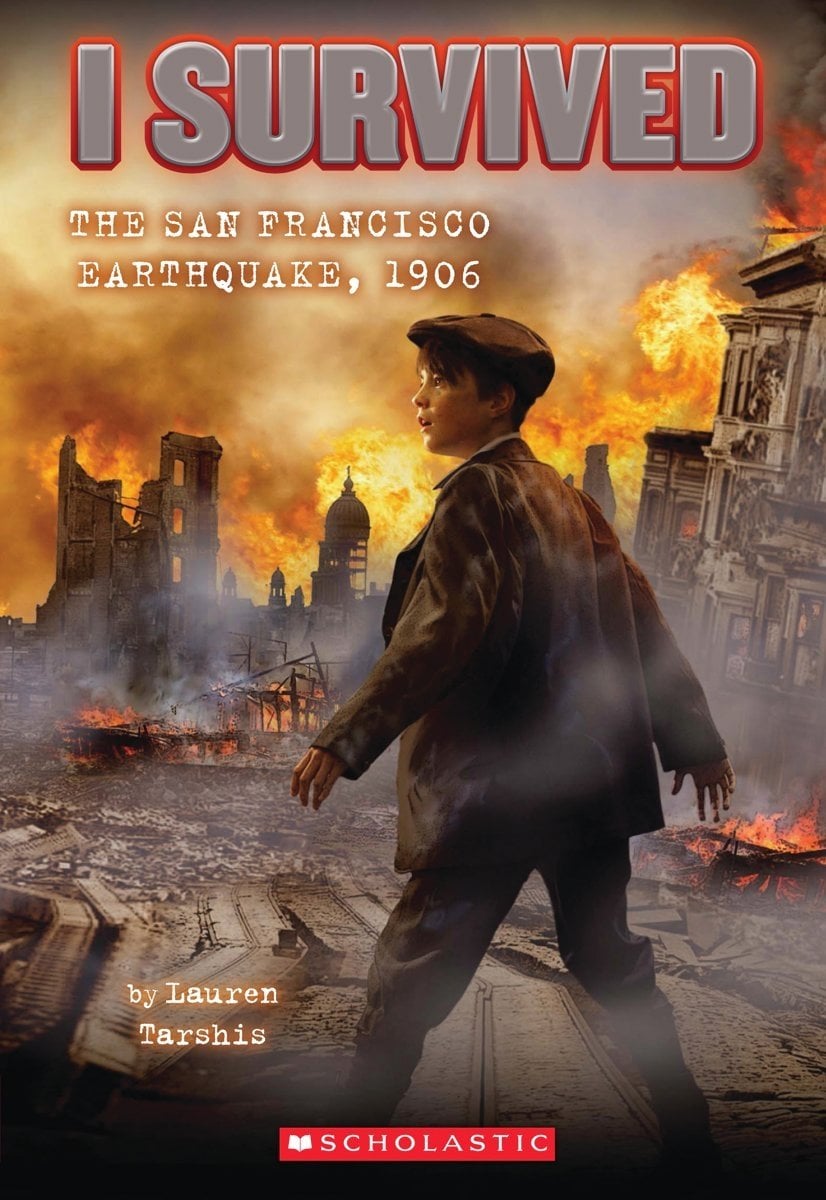
I Survived the San Francisco Earthquake, 1906 by Lauren Tarshis, Illustrated by Scott Dawson
Leo is a 10-year-old newsboy in San Francisco who explores the hilly city with admiration and wonder. But he is in for a surprise as he experiences the 1906 earthquake and the city crumbles to the ground. Readers follow Leo as he tries to find his way out of a burning city to survive the aftermath of a devastating earthquake. This historical fiction book is an excellent resource for middle-grade readers to learn about the impact of massive earthquakes, such as the 1906 San Francisco earthquake.
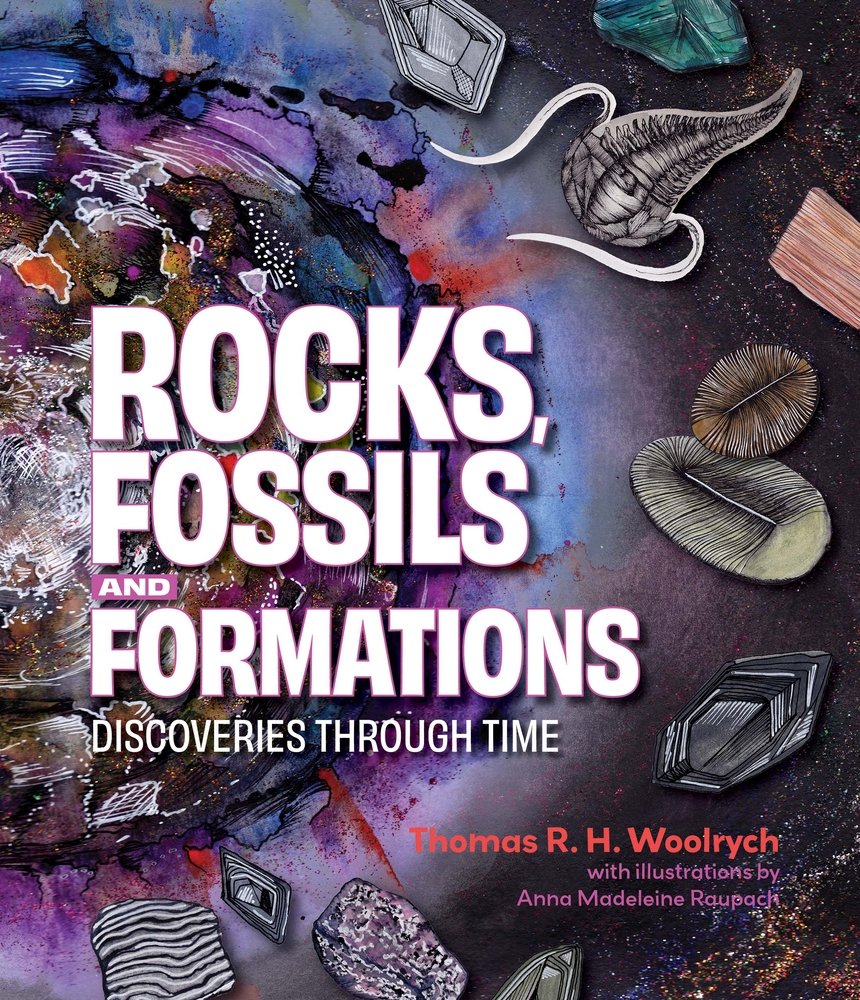
Rocks, Fossils and Formations: Discoveries Through Time by Thomas R. H. Woolrych, Illustrated by Anna Madeleine Raupach
Take a deep dive through the formation of rocks and fossils in this introduction to geoscience for middle-grade readers. Readers get to experience time-travel through geology as they learn about the Earth’s first 4.6 billion years. Through an Australian lens, readers will learn how rocks get their color and texture and what might be lying deep underground. The vocabulary alone makes this a book perfect for middle-grade readers looking to expand their knowledge that previously-read picture books gloss over.
Oceanography
Whether it started with a love for animals or a curiosity about the sea, most kids can name just as many ocean creatures as they can land mammals. Oceanography dives into deeper waters by studying plants and animals, water composition, the ocean floor, and currents within the water. These sciences help us understand climate change and declining fish populations, while also enabling the development of new medicine and technologies.
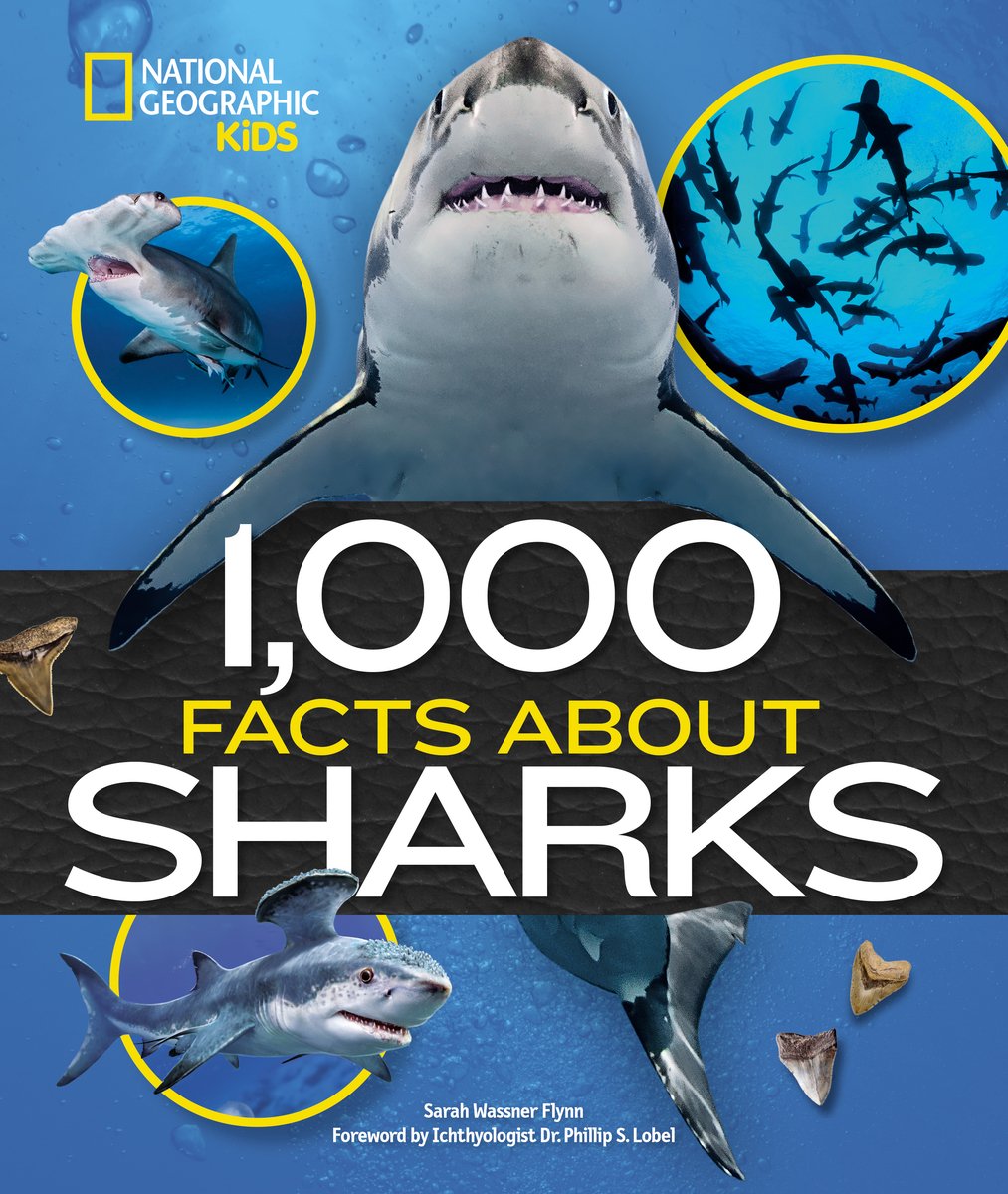
1,000 Facts About Sharks by Sarah Wassner Flynn
We couldn’t discuss the ocean without mentioning the animals that inhabit its depths. Sharks are some of the most fascinating creatures for kids, teens, and adults, so it’s no surprise that 1,000 Facts About Sharks made the list. Science-backed facts are compiled amongst jaw-dropping photos of everyone’s favorite and not-so-favorite shark species. There are also prehistoric diagrams and fun facts about stingrays, a close relative of sharks, to enjoy. Any shark-loving middle-grade enthusiast is sure to find all kinds of bite-sized facts to enjoy and share with their friends.
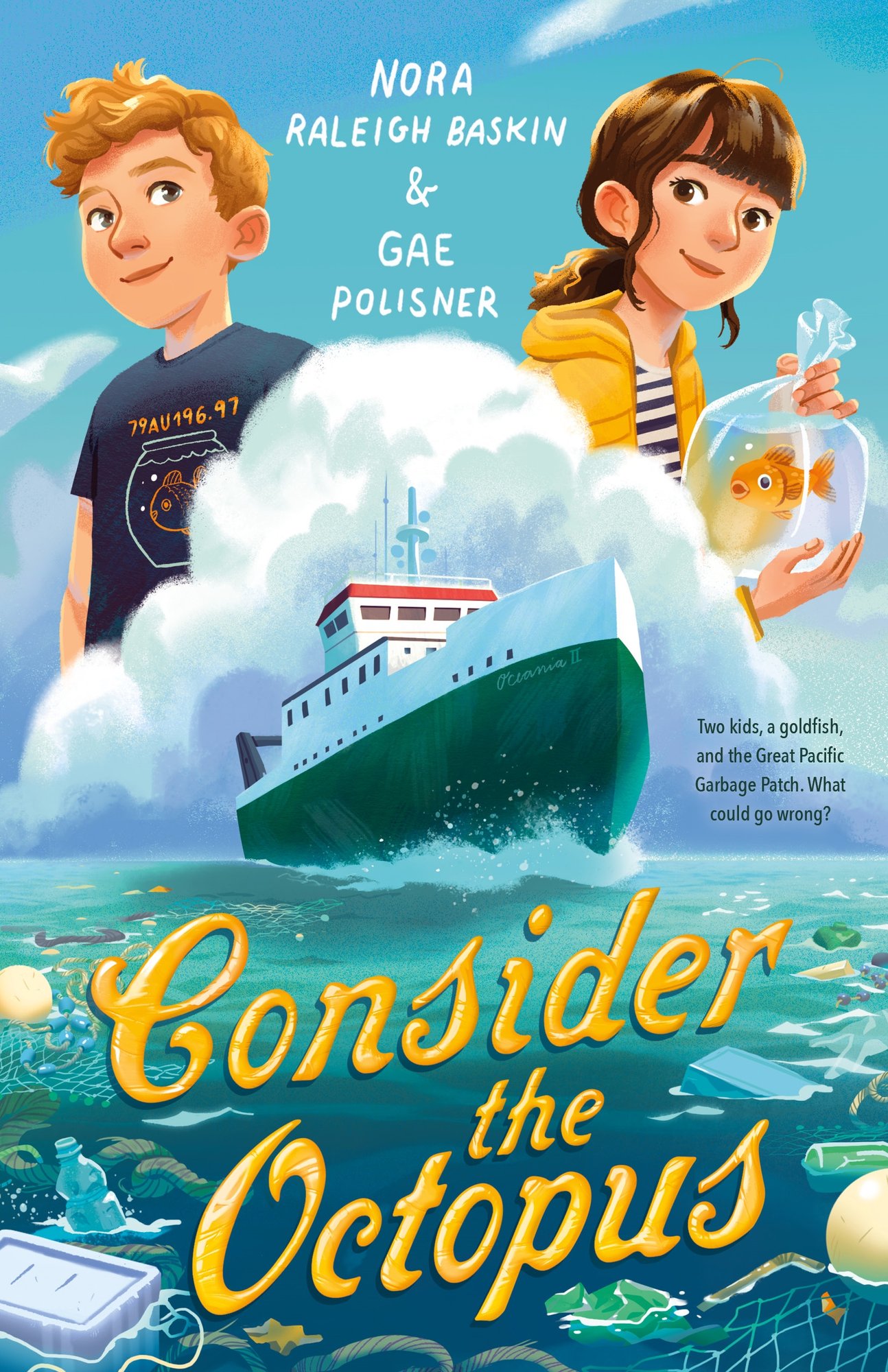
Consider the Octopus by Nora Raleigh Baskin and Gae Polisner
Consider the Octopus is a heartwarming story of two twelve-year-olds who end up on the same research ship. One, Jeremy Barnes, is reluctantly dragged onto the boat by his scientist mother, who tasks JB with finding the contact information and sending invitations to important international scientists. Instead of inviting Dr. Sidney Miller, a marine biologist, he ends up inviting twelve-year-old Sidney Miller. After realizing his mistake, he decides to hide Sidney on board the ship, which she eagerly accepts. The ship’s main task is to clean up the Great Pacific Garbage Patch, teaching middle-grade readers some of the important things that scientists do for our world.
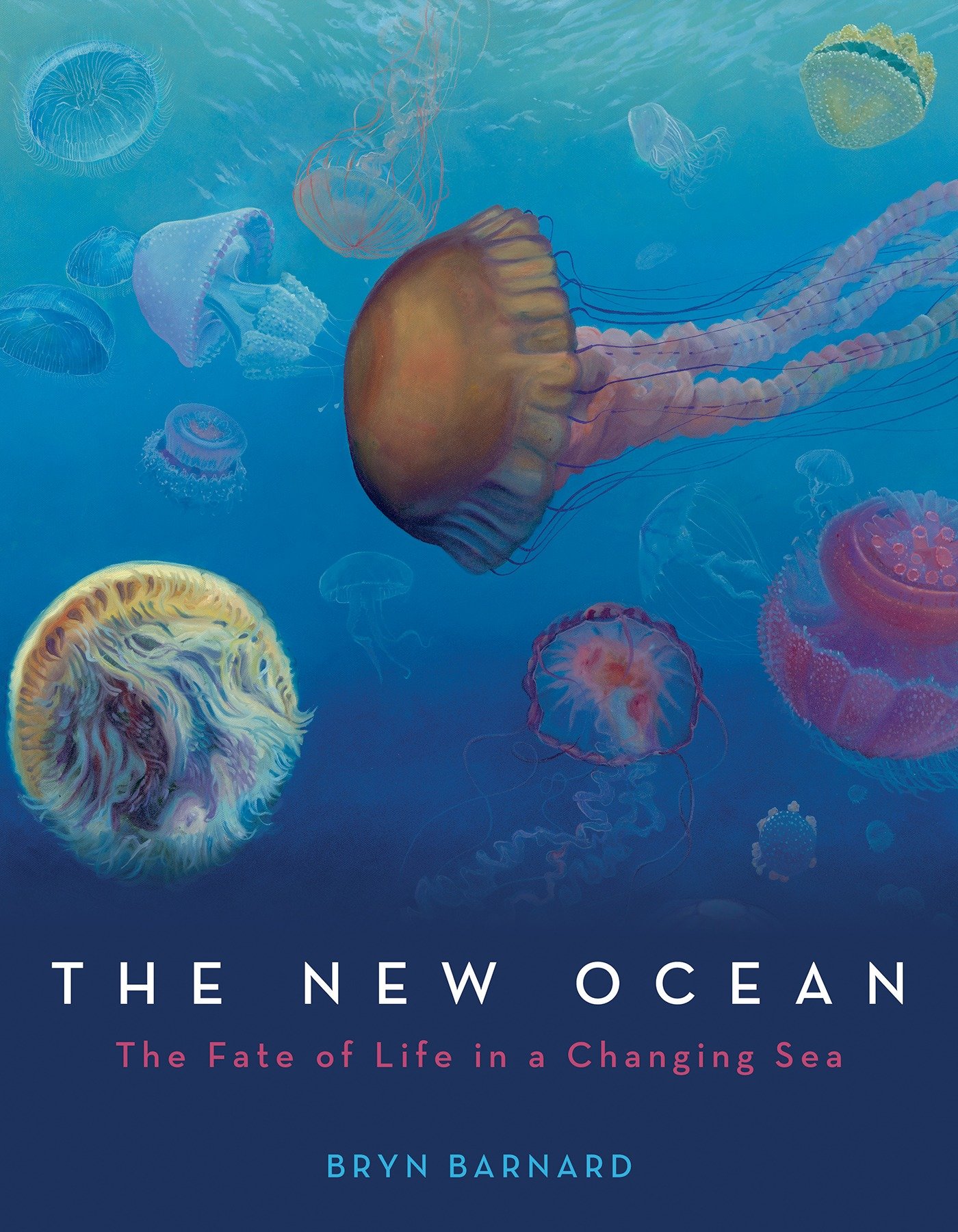
The New Ocean: The Fate of Life in a Changing Sea by Bryn Barnard
Readers are taken on a journey through the ocean, where they discover the impact that warming waters, pollution, and overfishing have on the Earth. Through the lens of six sea dwellers, we estimate what could happen to them if we don’t make the appropriate changes to save our planet. Jellyfish, orcas, sea turtles, tuna, coral, and blue-green algae are in danger in our hotter, more polluted planet. Those with a deep love for the ocean and our planet will find the information alarming and sad, sparking the change our world needs.
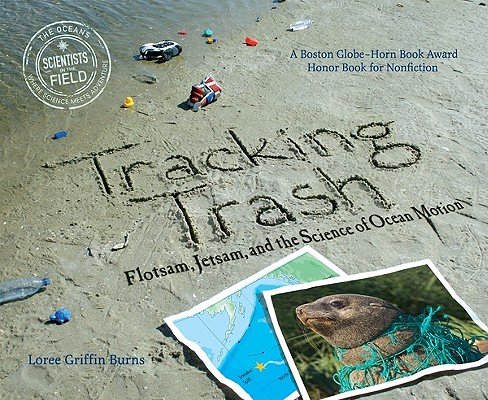
Tracking Trash: Flotsam, Jetsam, and the Science of Ocean Motion by Loree Griffin Burns
Tracking Trash follows the works of oceanographers who track trash in the ocean to study its currents. With the use of the Ocean Surface CURent Simulator (OSCURS), scientists can view and predict ocean currents, utilizing this technology to help forecast the likely destination of cargo lost at sea. There is a wealth of information about currents, waves, and tides, with the primary focus on how human waste in the ocean affects the animals that live there.
Meteorology
When we picture a meteorologist, we all tend to think of the weather forecaster on TV, but they do much more than that. These specialty scientists study the atmosphere and its interactions with Earth’s surface. This can include anything from studying snowflake formations to inspecting air quality and consulting on windfarms. I was the kid who thought learning about clouds was fun, and these books take it a step further with an insider’s look into meteorology.
How Could We Harness a Hurricane? by Vicki Cobb, Illustrated by Theo Cobb
This fantastic book takes readers through the science of hurricanes while simultaneously showcasing the work of meteorologists, scientists, and engineers in mitigating the damage and destruction associated with hurricanes. The discussion on if and when humans should intervene to reduce the impact of hurricanes is a great thought experiment for middle-grade readers and their caregivers to discuss. Stimulating and fascinating, young scientists will enjoy How Could We Harness a Hurricane? with its well-thought-out diagrams and a thorough glossary.

Navigators: Extreme Weather by Margaret Hynes
Curious minds will appreciate the direct, informational style of Extreme Weather, which focuses on the world’s weather systems and climate in relation to extreme phenomena. Thunderstorms, lightning, tornadoes, hurricanes, cyclones, drought, and hailstorms bring middle-grade readers closer to the science behind these natural disasters and their aftermath. The phenomenal photos only underscore the impact of these extreme weather events on humanity.

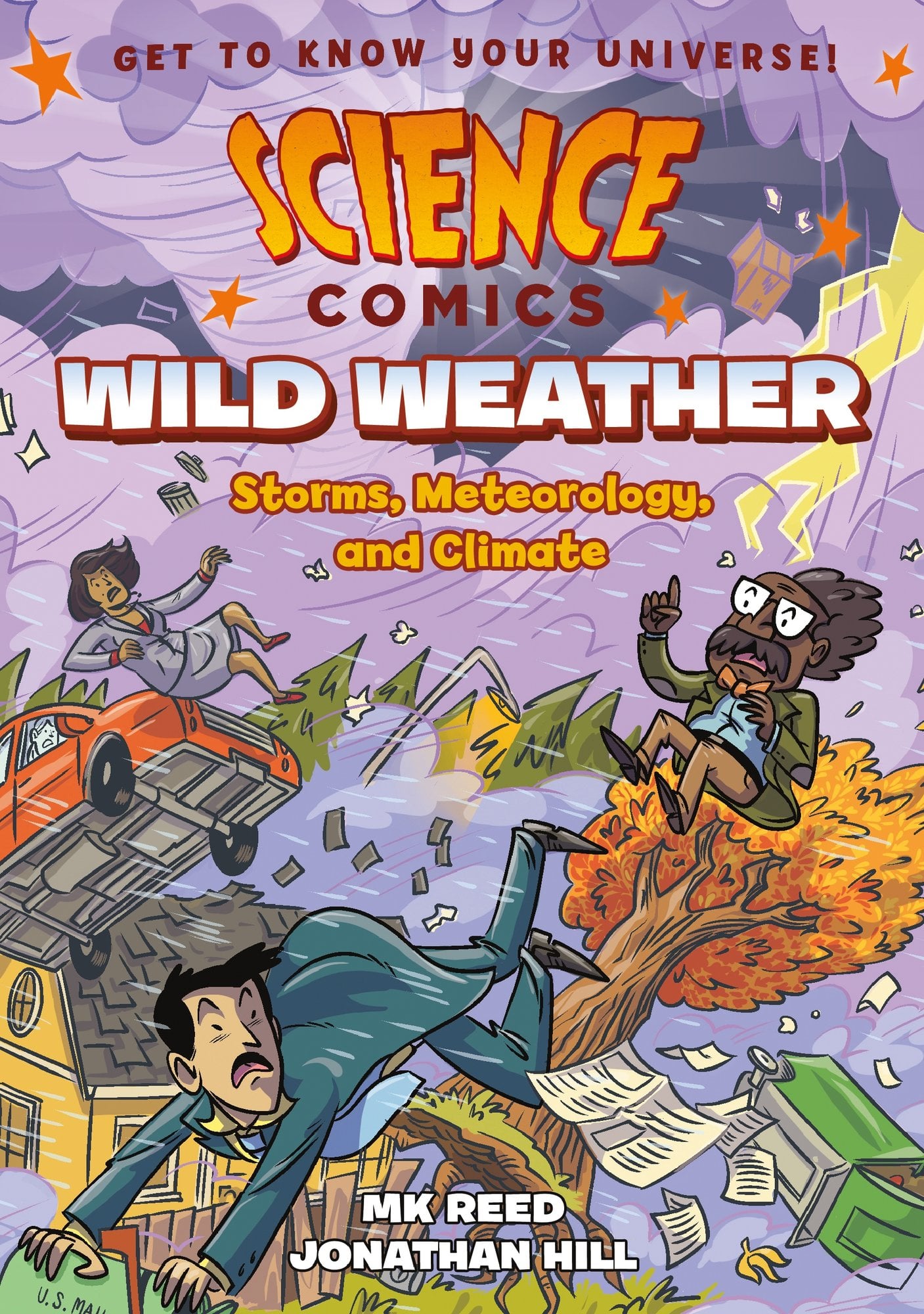
Wild Weather: Storms, Meteorology, and Climate by MK Reed, Illustrated by Jonathan Hill
TV weatherman Stormin’ Norman is annoyed with his colleagues as a snowpocalypse descends upon the community. As visually engaging as it is educational, readers embark on a whirlwind tour of knowledge, from the formation of hurricanes and rainbows to the effects of climate change and how landscapes influence temperatures. I love that the catalyst for the story was a fellow TV anchor joking about how cold weather means that global warming doesn’t exist, which is a real talking point that some older generations love to bring up in conversations. Science Comics does it again with this intelligently made graphic novel about the science of weather and climate change.
Astronomy
As a kid, my head was always in the clouds, and, for a time, far beyond them. A telescope was on every gift-giving list you could put one on, and I wanted nothing more than to stare through that lens and into another world or two. Astronomers perform tasks similar to those involved in studying the planets, stars, and other celestial bodies that populate our solar system. These books are for the middle-grade teens, with their heads far beyond the clouds.
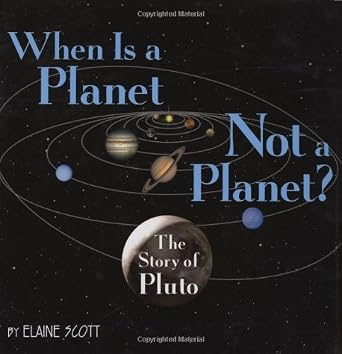
When Is a Planet Not a Planet?: The Story of Pluto by Elaine Scott
My fellow millennials will appreciate this book, even if we only read it for ourselves and don’t pass it on to our children. In 2006, Pluto was reclassified from a planet to a dwarf planet, changing books on the solar system and schoolyard mnemonics forever. The Story of Pluto shows readers the science-backed decision-making process that goes into classifying planets and how that evolves as science progresses and new definitions emerge. The book starts in Ancient Greece and shows how scientific evolution is constantly changing, based on new information or better technologies. A very quick, but thorough, view on astrological history for our middle-grade readers to get a feeling for what these scientific books will entail.
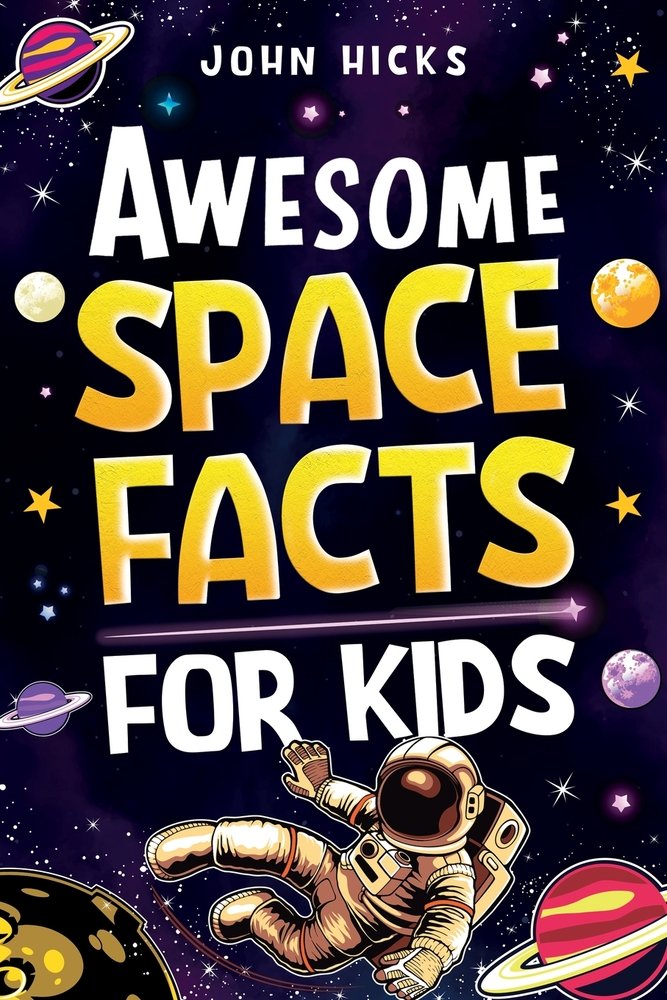
Awesome Space Facts for Kids: Discover Amazing Facts, Mind-Blowing Records, and the Wonders of the Universe! by John Hicks
Fact-filled books are always a favorite among middle school crowds, offering small nuggets of information that are easier to digest. Awesome Space Facts for Kids offers insight into planets, meteor showers, galaxies, black holes, and so much more for middle-grade readers to dive into as they let their imaginations soar into the atmosphere. Much as the title suggests, there is so much to uncover in this book that you come back to it time after time to soak up more information about our vast solar system. My favorite part was the chapter on notable astronomers, which will really allow kids to see themselves in the shoes of a physicist or astronaut.
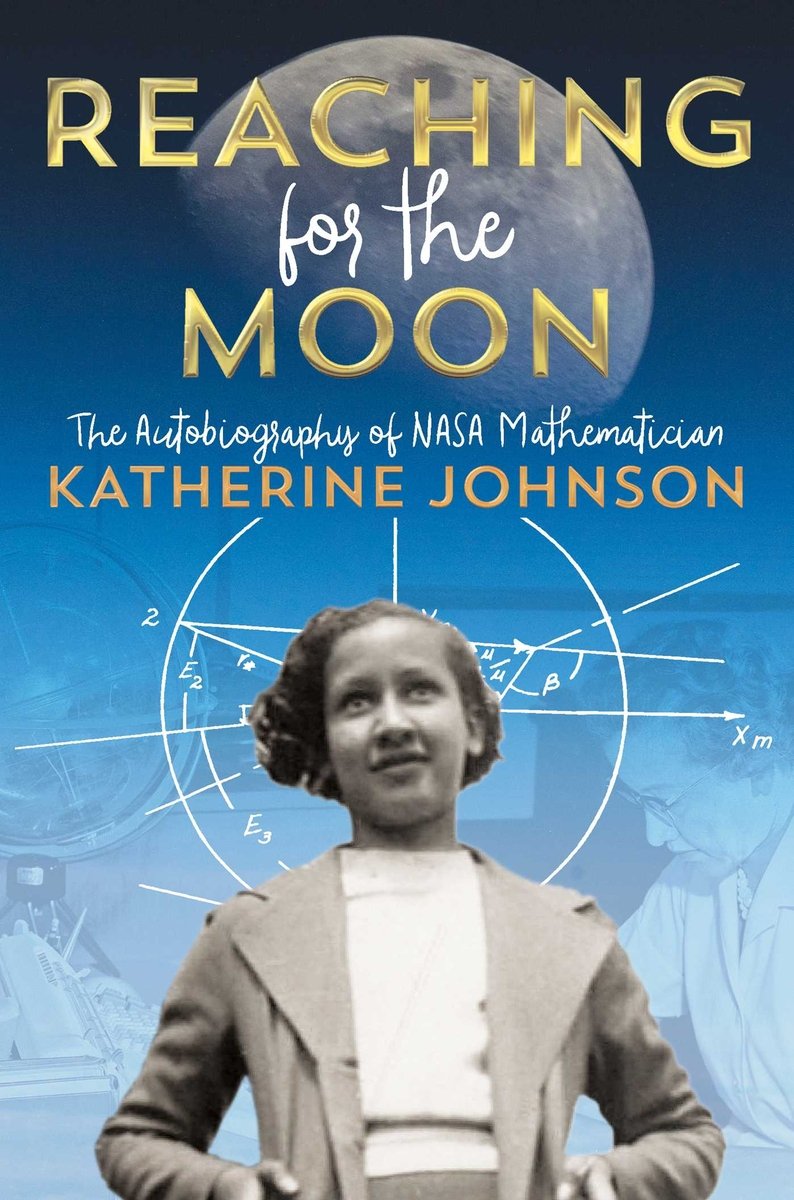
Reaching for the Moon: The Autobiography of a NASA Mathematician by Katherine Johnson
A middle-grade memoir by Katherine Johnson recounts her journey into the Apollo 11 mission and beyond. As a young child, she loved math and excelled at it, skipping several grades to reach her full potential. Unfortunately, her race and gender would try to stop her, but she persevered with her father’s words as her mantra. As she weaves the story of her life, she also highlights US history as she viewed it. In the era of segregation, she began her career at NASA as a mathematician, and her work there played a crucial role in putting the first man on the moon. An inspiration for middle-grade readers everywhere, Reaching for the Moon is a great addition to any library.
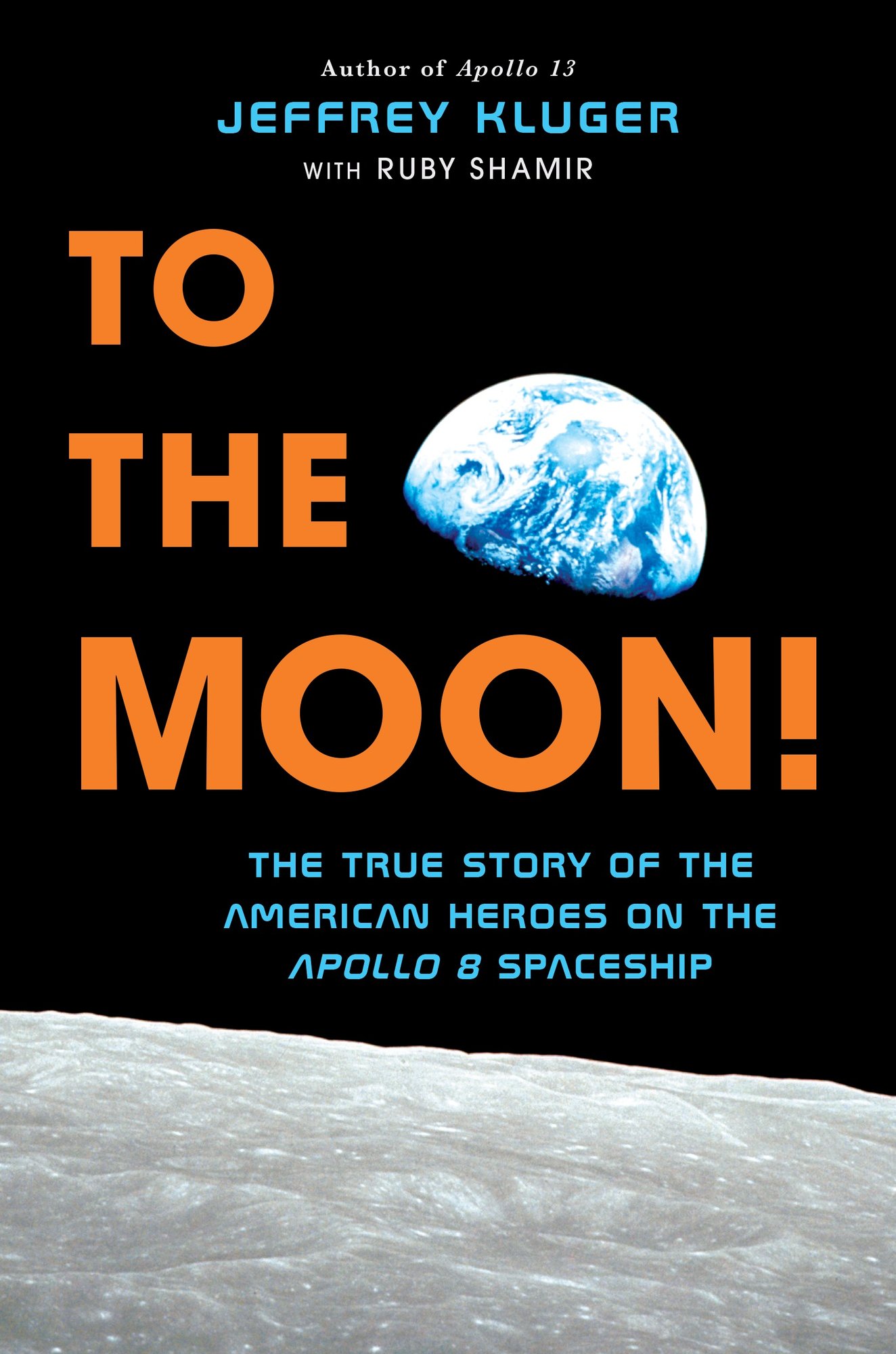
To The Moon! The True Story of the American Heroes on the Apollo 8 Spaceship by Jeffrey Kluger and Ruby Shamir
Another trip to the moon takes the reader through the building of the Apollo 8 spaceship, which sent three astronauts into space to orbit the moon. The story recounts the hard work that goes into sending rockets into space, as well as some of the personal sacrifices these men had to make for the advancement of science. This highly detailed novel takes readers through the highs and lows of the space race, beating the Russian astronauts, and fulfilling President Kennedy’s promise to put a man on the moon by the end of the decade. Future astronomers will appreciate this scientific recount of the making of the Apollo 8 rocket, life in space, and calculating the return path to Earth.
A Black Hole Is Not a Hole by Carolyn Cinami DeCristofano, illustrated by Michael Carroll
For black hole enthusiasts everywhere, Carolyn Cinami DeCristofano introduces readers to this very complex scientific phenomenon. Travel through multiple galaxies as readers learn what a black hole is, where they come from, and how they were discovered. The beginning of the book reassures readers that Earth is not in danger of being sucked into a black hole, which my own middle-grade reader was quite thankful to hear. The overwhelming concept of black holes is so wonderfully broken down for middle-grade readers interested in space. The creative analogies, detailed imagery, and scientific backing are sure to capture the attention of your future scientist.
Although earth sciences encompass a wide range of studies, there are so many avenues to explore for a deeper understanding of our world and our role in it. These awesome middle-grade books take our younger readers on a journey as they explore the wonders of earth sciences and the scientists working hard to make our world a better place.
Check out Bookstr’s Young Readers Recommendations for a diverse TBR.
Find these books and more on our Middle Grade Novels for the Inquisitive Teen bookshelf on Bookshop.org.