

















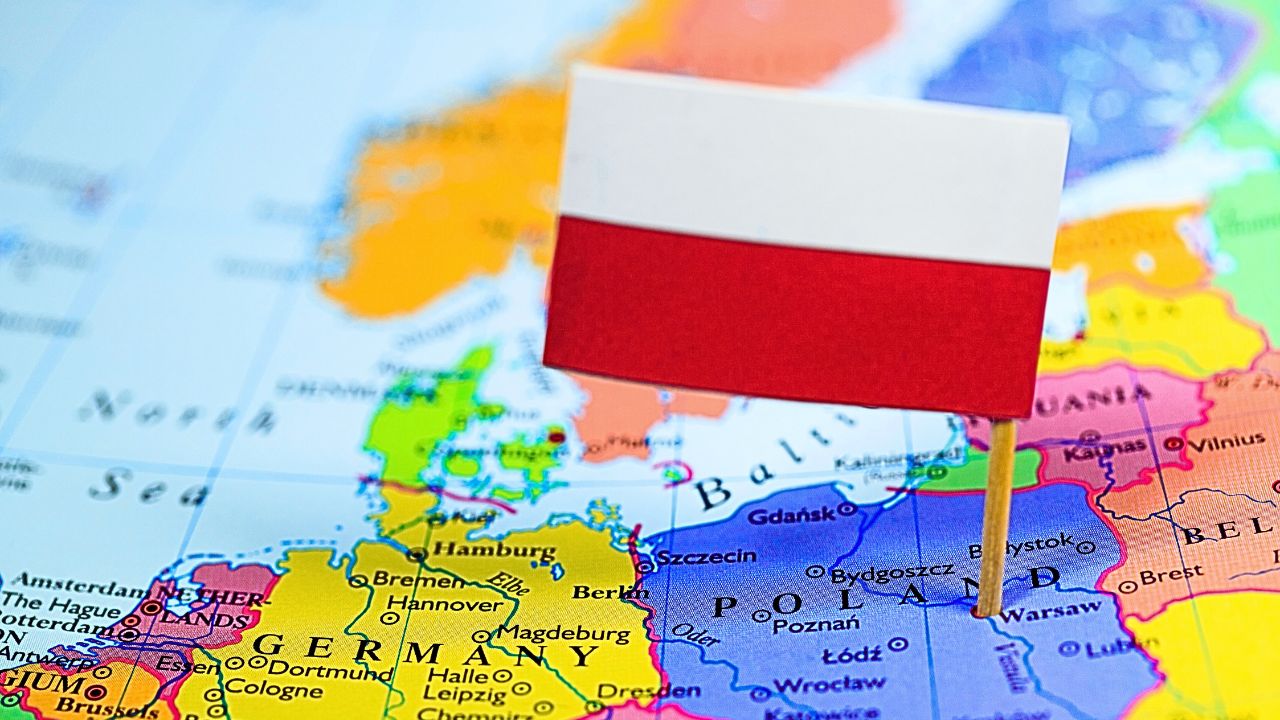
Poland’s rich culture and history come alive in its literature, offering stories that capture resilience, identity, and tradition. From tales of war and survival to the exploration of everyday life, Polish authors weave narratives that speak to the heart of their nation’s spirit. In this collection, you’ll discover novels that reflect Poland’s deep connection to its past while pushing boundaries in contemporary storytelling. These books not only highlight the struggles and triumphs of the Polish people but also offer universal themes of love, loss, and hope. Get ready to dive into stories that will stay with you long after the last page.
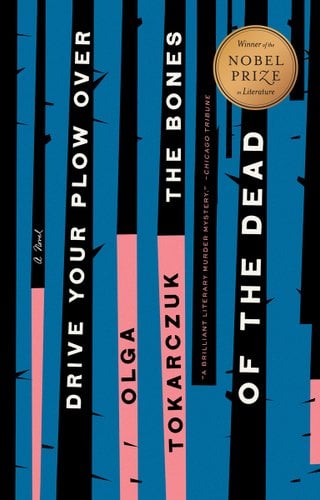
Drive Your Plow Over the Bones of the Dead by Olga Tokarczuk
Drive Your Plow Over the Bones of the Dead, Olga Tokarczuk crafts a darkly quirky thriller set in a faraway Polish village. The story follows Janina, a secluded woman who prefers animals to people and delves into astrology and William Blake’s poetry. When mysterious deaths shake the village, Janina becomes convinced she knows the culprit, though no one takes her seriously. Through Janina’s perspective, Poland’s rural traditions and beliefs come alive, reflecting tensions between modernity and old customs. Tokarczuk explores themes of sanity, justice, and who society listens to — all with Poland as a backdrop to the mystery.
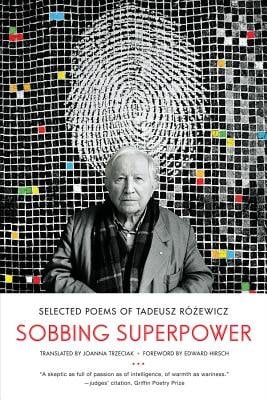
Sobbing Superpower by Tadeusz Różewicz
Sobbing Superpower, Tadeusz Różewicz explores the emotional and moral aftermath of war, with Poland’s history deeply embedded in his poems. His poignant, stripped-down style reflects the crisis of values and loss of innocence, particularly in post-war Poland. Różewicz uses striking language to confront the horrors of World War II and its lasting effects on Polish society. His work captures the disillusionment of a generation grappling with trauma and a crumbling moral foundation. Poland’s experiences of war, survival, and resilience are ever-present, shaping the bleak yet profound tone of his poetry.
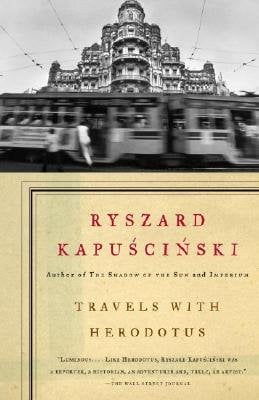
Travels with Herodotus by Ryszard Kapuściński
Travels with Herodotus, Ryszard Kapuściński reflects on his early years as a Polish journalist venturing beyond the Iron Curtain. Armed with a copy of Herodotus’ Histories, he explores countries like India, China, and Ethiopia, blending personal experience with ancient wisdom. His Polish upbringing shapes his perspective as he navigates new cultures, viewing the world through the lens of a country recovering from war and oppression. Poland’s past and position during the Cold War influenced his understanding of the global events he witnessed. Kapuściński’s insightful writing merges history, travel, and Poland’s place in the world.
A Grain of Truth by Zygmunt Miłoszewski
A Grain of Truth, Zygmunt Miłoszewski brings prosecutor Teodor Szacki to the quiet Polish town of Sandomierz. When a woman is found brutally murdered, Szacki is pulled into a case that stirs centuries-old tensions between the Polish and Jewish. The murder, echoing ancient myths of Jewish ritual, sparks paranoia and anti-Semitism in the town. Szacki’s investigation uncovers dark secrets linked to Poland’s complex history, forcing him to confront painful national wounds. Through this gripping crime story, Miłoszewski weaves modern Poland’s societal issues with unresolved historical trauma, making the setting integral to the plot.
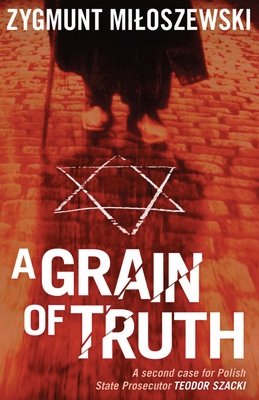
Poems, New And Collected: 1957 1997 by Wisława Szymborska
Poems, New and Collected: 1957-1997 by Wisława Szymborska brings together 40 years of the Nobel Prize winner’s finest work. Her poems explore universal themes — life, death, and the human experience — with a subtle wit and depth that captivates readers. Poland’s history and everyday life subtly shape her poetry, often reflecting the country’s resilience and cultural complexity. Szymborska’s words balance the weight of Poland’s political past with a unique, philosophical lens on ordinary moments. Through her minimalist yet profound style, she captures both personal and national identity, making Poland a pervasive backdrop in her work.
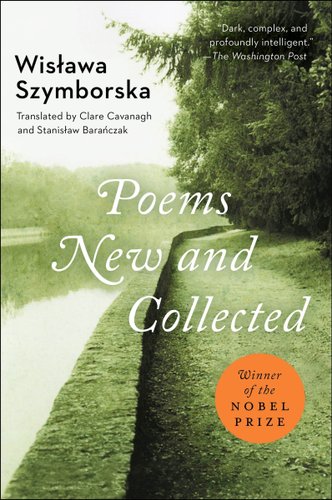
The King of Warsaw by Szczepan Twardoch
The King of Warsaw by Szczepan Twardoch is a gripping tale set in 1937 Poland, a country on the brink of chaos. Jakub Szapiro, a Jewish boxer and enforcer for a crime lord, navigates the violent streets of Warsaw, seeking power in an increasingly dangerous world. Poland’s rising tensions, with fascism and anti-Semitism escalating, deeply influence Jakub’s life as he grapples with loyalty, identity, and survival. The novel brilliantly captures the social and political unrest of pre-World War II Poland. Through Jakub’s eyes, Twardoch explores Poland’s dark history and the struggle for control in a crumbling society.
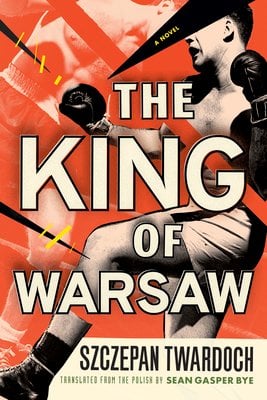
The Witcher Series by Andrzej Sapkowski
The Witcher series by Andrzej Sapkowski follows Geralt of Rivia, a monster hunter navigating a world of magic, politics, and moral ambiguity. His journey is filled with complex characters and morally gray decisions, where not all monsters are evil, and not all humans are good. While set in a fantastical universe, Poland’s rich folklore, history, and landscapes subtly inspire world-building, shaping the series’ tone and atmosphere. Sapkowski’s storytelling blends Slavic myths with modern themes, making Geralt’s world feel both familiar and otherworldly. The series explores power, humanity, and survival, all with a Polish cultural undertone.

Final Appeal by Remigiusz Mroz
Final Appeal by Remigiusz Mróz is a gripping legal thriller following defense lawyer Joanna Chyłka as she tackles her most confounding case. Set in modern Poland, the country’s legal system and political landscape play pivotal roles in shaping the story’s twists and turns. Chyłka must defend Piotr Langer Jr., accused of living with two corpses for days, but his guilt or innocence remains unclear. As she and her trainee — Kordian — untangle the shocking mystery, they confront danger and intrigue at every turn. The novel highlights Poland’s contemporary challenges while delivering a tense, courtroom drama.

Polish literature has a way of capturing history and culture like no other. From thrilling plots to deep reflections, these books show the heart of Poland. Pick one up and experience the magic for yourself!
Want to know how the 1939 Invasion of Poland started World War II? Check out this article.
Be sure to browse our Shalom Stories: Diverse Jewish Voices in Literature bookshelf on Bookshop.org for more Jewish book recommendations!
