


The 2025 Venice Film Festival marked the 82nd year of honoring movies from filmmakers across the world. Celebrated over 11 days, with a slew of awards and prizes determined by juries sized from two to 23 members, the festival was a wealth of new stories promising to become instant classics. Looking towards the future of film is also made all the better by understanding how these filmmakers and artists developed a creative vision. For many, the first seeds of inspiration came from the written word. Find out more about seven films featured at this year’s Venice Film Festival whose stories began in the pages of a book.
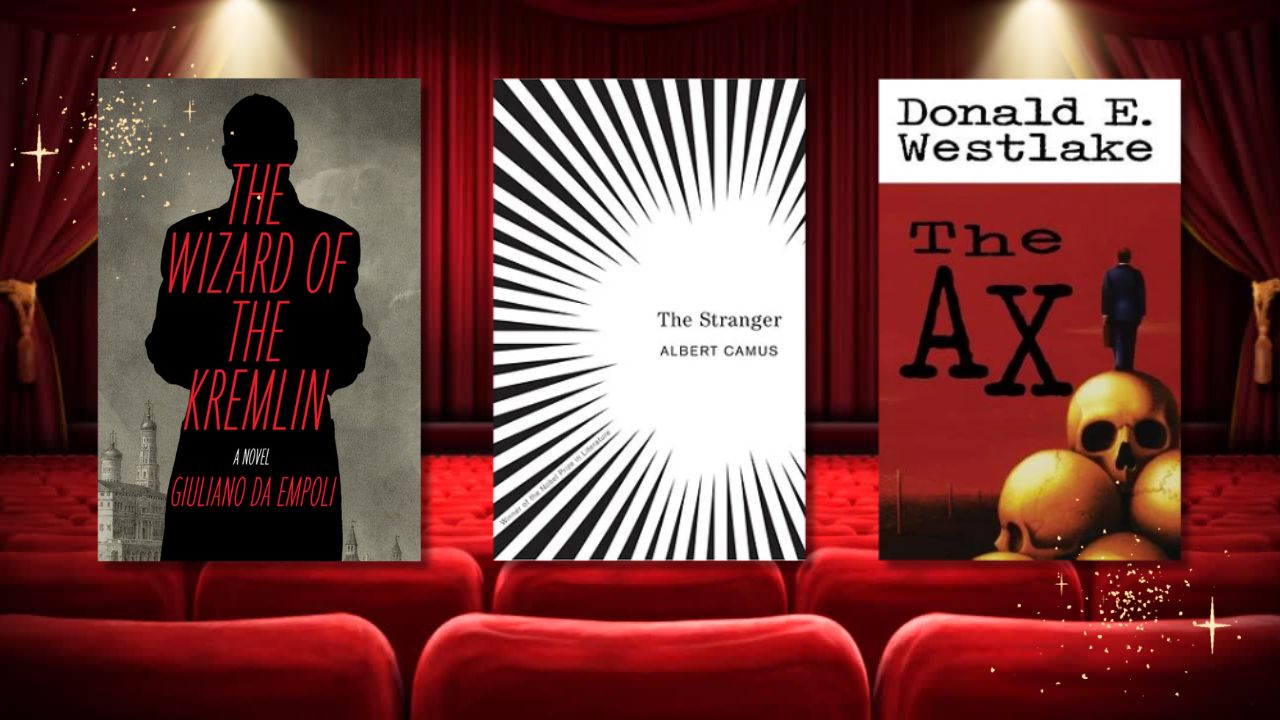
No Other Choice by Park Chan-wook / The Ax by Donald Westlake
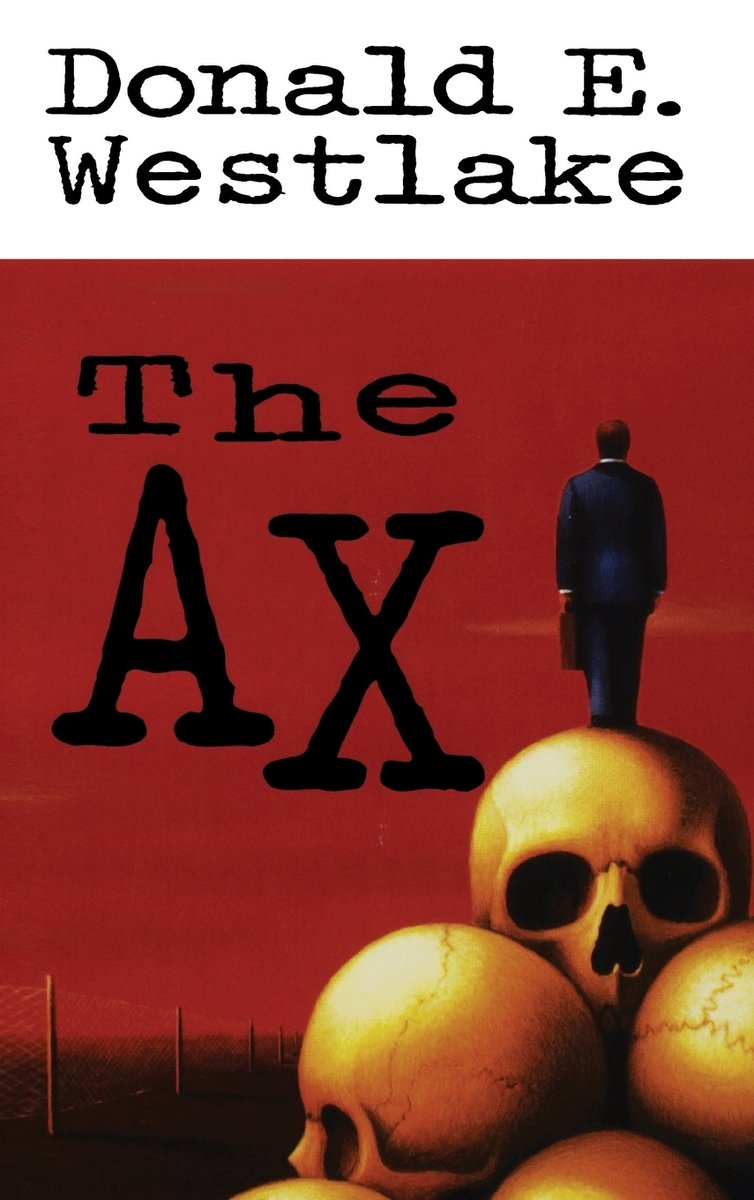
Park Chan-wook has earned a title as one of the most recognized filmmakers of South Korea for his countless credits in directing, screenwriting, and producing. His latest directorial project, No Other Choice, follows Man-soo, a long-time employee of a company in the paper industry. When his world is turned upside down after an abrupt firing, Man-soo is forced to find out just how far he will go to provide for his family and set his career back on track. The film is a dark comedy thriller, a tone that is also true of the novel that inspired it. In fact, the general premise is largely unchanged between book and movie, though The Ax centers on Burke Devore, rather than Man-soo. Both stories are full of gripping, violent action, sharp humor, and cutting critiques of the corporate world.
At Work by Valérie Donzelli / At Work by Franck Courtès

French director Valérie Donzelli’s upcoming film At Work, or À pied d’œuvre, adopts the name and many of the key beats of Frank Courtès’s autobiographical novel. Its narrative revolves around Paul, a man attempting to navigate life in the wake of both his marriage and career in photography coming to an end. As Paul pursues a life of writing, and part-time employment and odd jobs to keep afloat, he faces judgement and hardship from many angles. How he finds both the grit to work and the inspiration to write makes for a quiet, yet poignant story both on the page and screen.
The Wizard of the Kremlin by Olivier Assayas / The Wizard of the Kremlin by Giuliano da Empoli
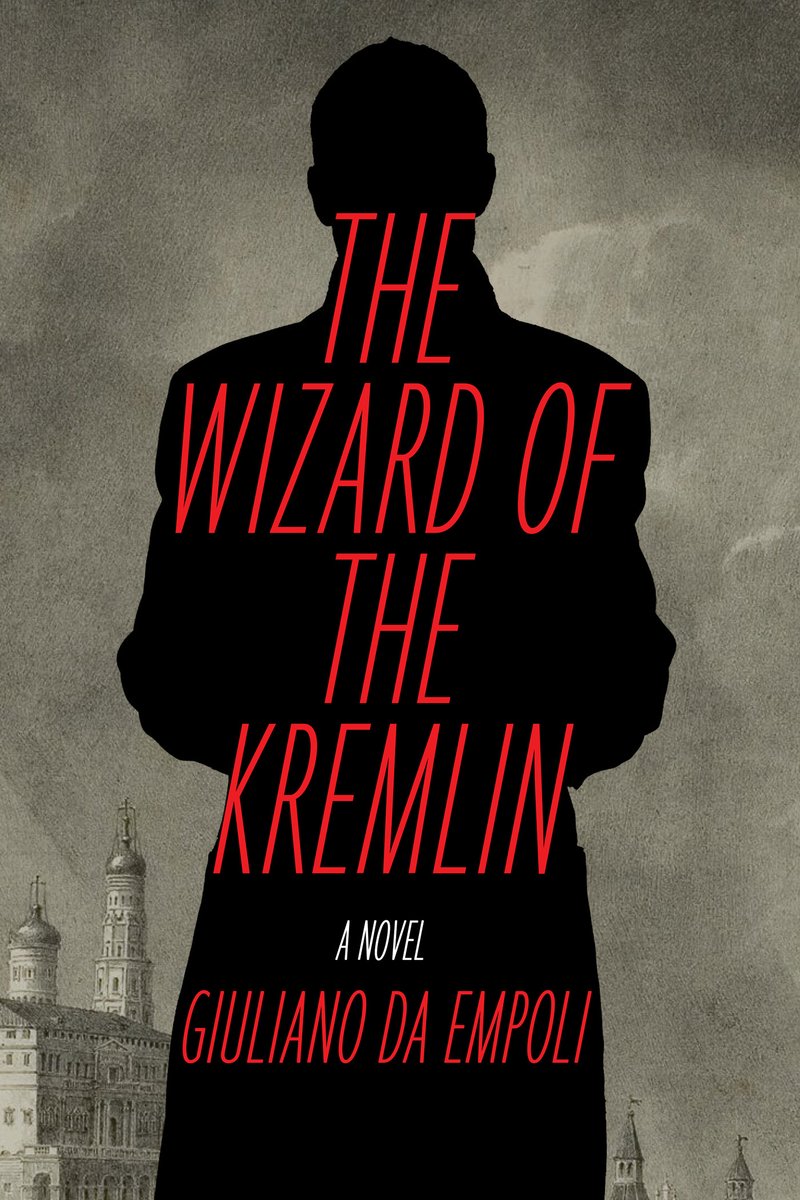
In The Wizard of the Kremlin, fictional character Vadim Baranov finds himself plunged into the political whirlwind of the collapsing Soviet Union. Though once a filmmaker and artist, Baranov comes to be the close advisor of Vladimir Putin in his rise to power, traversing the choppy waters of a nation under reform. The fundamentals of his story remain faithful to its first telling in Giuliano da Empoli’s 2022 novel of the same name, though the tales of the literary Baranov are recounted through an imagined encounter between the character and the book’s author. While Vadim Baranov moves in the shadows of Russian politics, his life is rife with drama and intrigue sure to keep both readers and viewers entranced.
Fragments for Venus by Alice Diop / Voyage of the Sable Venus by Robin Coste Lewis
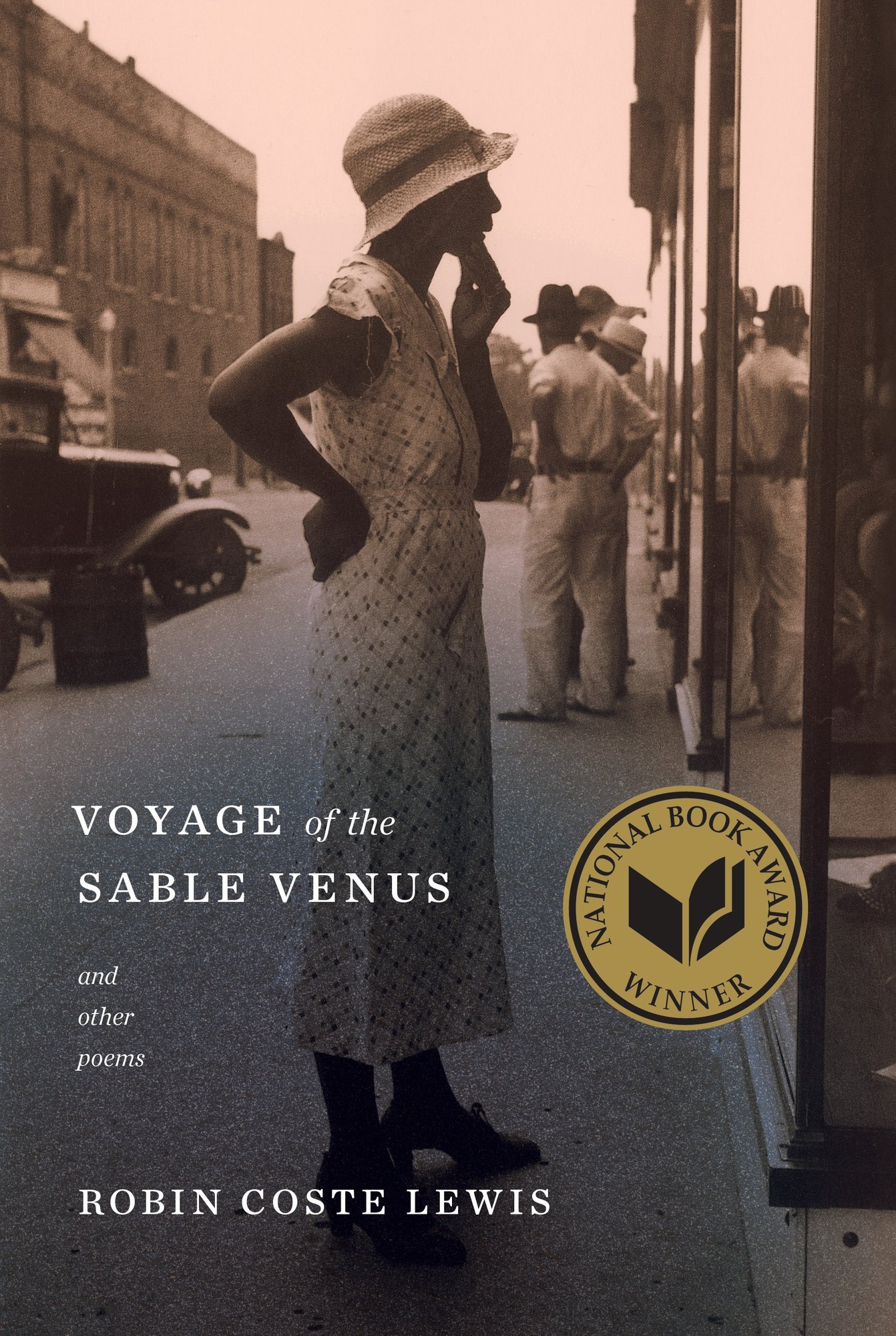
In Alice Diop’s short film Fragments for Venus, a stroll through a museum reveals a deep, twisted history. The film primarily follows two Black women, one browsing a museum’s works of art, accompanied by voiceover that describes the works’ titles and their part in Western art’s common depictions of Black women, and the other taking in the borough of Brooklyn and the women who walk its streets. Inspiration for Diop’s short came in part from Los Angeles Poet Laureate Robin Coste Lewis’s poem, Voyage of the Sable Venus. A prominent aspect of Voyage, for example, is how Lewis weaves together works of art and their titles to unpack stereotypes in their storied history. Additionally, Diop incorporates questions that Lewis poses about the role art plays in identity and how it shapes our ways of seeing into Fragments of Venus, reinterpreting them through her own eyes.
The Stranger by François Ozon / The Stranger by Albert Camus
If the title The Stranger rings familiar, that’s no coincidence — François Ozon’s newest feature is based on Albert Camus’s 1942 existentialist classic of the same name. Both the film and novel follow a Frenchman, Meursault, as he experiences the consequences of a complete indifference towards his own life. This latest interpretation is one of three overall, with adaptations also released in 1967 and 2001, and is said to remain close to its source material in its elegant, black and white filmic rendering of an iconic, haunting story.
Frankenstein by Guillermo del Toro / Frankenstein by Mary Shelley
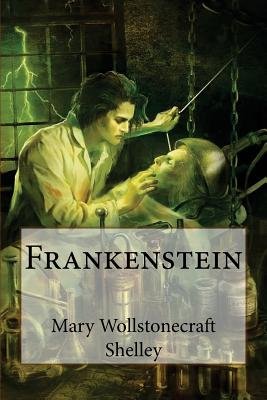
Since the character of Frankenstein was first brought to the page from the imagination of Mary Shelley in 1818, he has been inextricably linked to aspects of culture from Halloween costumes to the Gothic genre of literature. Now, Oscar-winning director Guillermo del Toro has brought his own adaptation to theaters with a cast including some of American cinema’s most recognizable stars. Del Toro’s taste for sweeping science fiction stories on monstrous, misunderstood characters seems a perfect fit for Shelley’s novel, and he follows much of her original plot, including the creation of Frankenstein’s creature and the violent results of its escape.
On the Road by David Pablos / Children of the Road by Jose Maria Castro Ibarra

Danger, hate, friendship, and exploration of sexuality are all a part of a trucker’s life in David Pablos’s new film On the Road. Pablos handles themes of hyper-masculinity, family, and fatherhood as he tells the story of young Veneno, a vagabond traveller who ends up on the same path as a seasoned, guarded driver, Muñeco. One important guide for his vision and direction through this work was the writing of Jose Maria Castro Ibarra in his book Children of the Road. Ibarra’s book compiles his years of observations and research on Mexican highways, unpacking the unique nomadic culture that develops in the networks and landscapes of car travel. His reflections on what it really looks like to live life on the road were a part of the character dynamics and settings that eventually found a place in On the Road.
Though the 2025 Venice Film Festival has come to a close, the many films that debuted throughout the event are only just beginning to reach viewers. When it comes to movies adapted and inspired by the written word, the hard work of the casts and crews and the impact the films make on their audiences are also a testament to the power of authors in creating stories to which we keep returning.
Find more stunning book-to-movie and TV adaptations to check out here!
Get these titles and more novels that have made their way to the silver screen on our Bookshop Book to Screen Adaptations for Your Viewing and Reading Pleasure list!