



It’s no secret that LGBTQ+ relationships are constantly misrepresented in pop culture. The media is often guilty of oversexualizing, stereotyping, or fully excluding queer characters. For example, Clueless and Mean Girls do a phenomenal job of stereotyping gay men and creating one-dimensional characters out of them. Meanwhile, others rely on the “bury your gays” trope (we’re looking at you, The 100.) Thor: Ragnarok provides an example of erasure as a scene confirming Valkyrie’s bisexuality was cut, leaving viewers to read between the lines, unlike in the comics, where her sexuality is explicitly portrayed.
Negative representation or no representation at all is very harmful as it reinforces stigma, fuels generalizations, and contributes to the erasure of queer identities. When queer characters and relationships are portrayed as wrong or one-dimensional or exclude them all together, it gives the idea that queer lives are less moral and not worthy of being seen. This is especially damaging to individuals exploring their identities as it can lead to shame, a sense of isolation, and negative self-perception. Thus, positive and accurate representation of queerness is of the utmost importance. Authentic portrayals validate queer viewers’ experiences, negate stereotypes, and encourage empathy and understanding from the general audience.
So, let’s highlight queer relationships in pop culture that have accurately captured the experience of LBGTQ+ love and connection.
Trigger/Content Warning: This article recommends media that may include triggering content within it. Please read TWs prior to engaging with this content. This article also includes spoilers.
Bill and Frank – The Last of Us
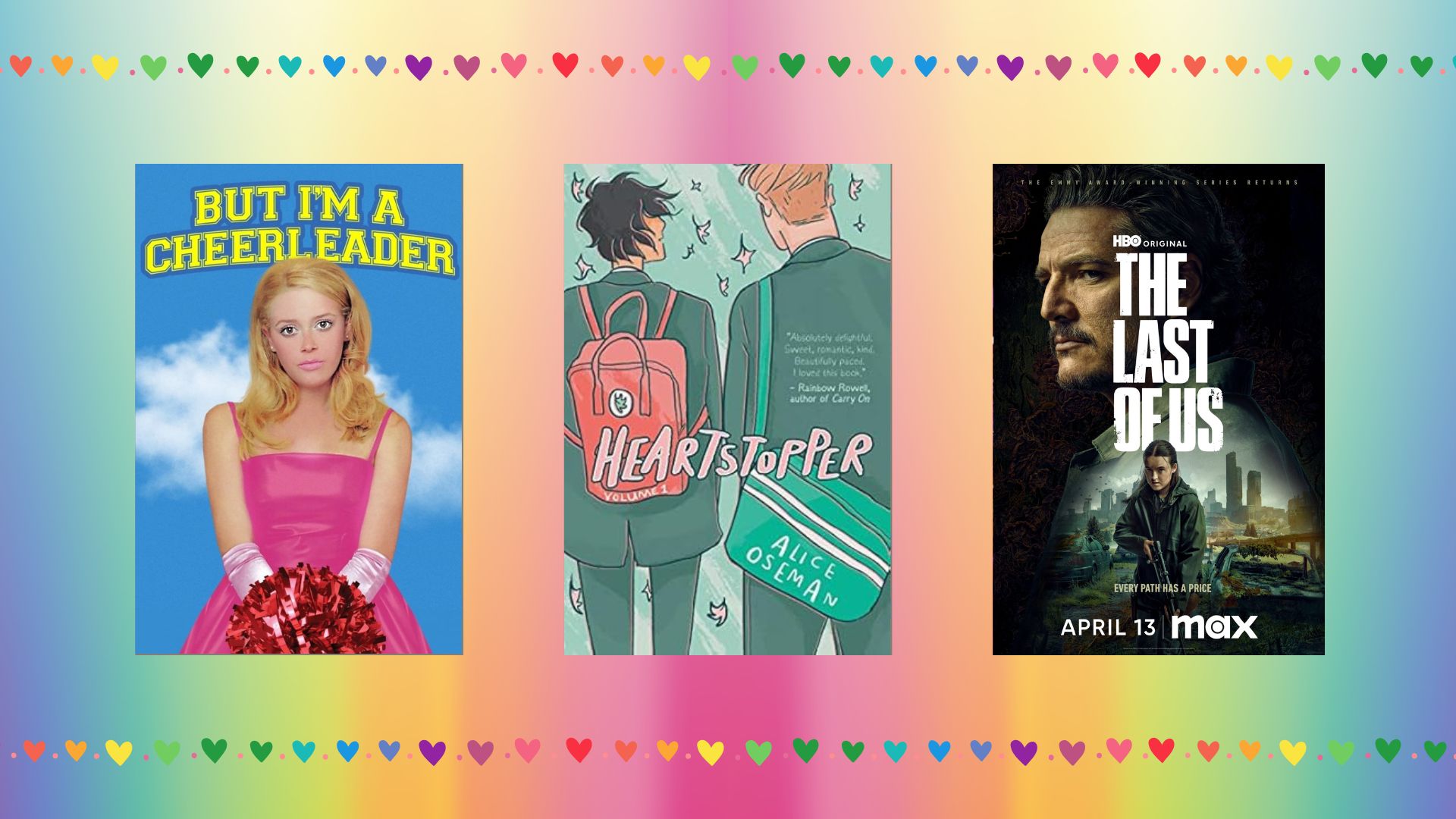
Episode three of the first season of The Last of Us brings us a beautiful and unexpected love story between two apocalypse survivors who found each other against all odds. In just over an hour, the episode encapsulates the entirety of Bill and Frank’s 16-year relationship and offers a powerful and heartfelt portrayal of a queer relationship. Bill and Frank are so much more than their sexualities, both of them full of quirks and emotional depth. Their story unfolds into something deep and wholeheartedly human. We have the pleasure of watching the couple grow old together as they sip wine and restore the town while also witnessing their disagreements and tough moments. Their love becomes a significant example of queer representation done right.
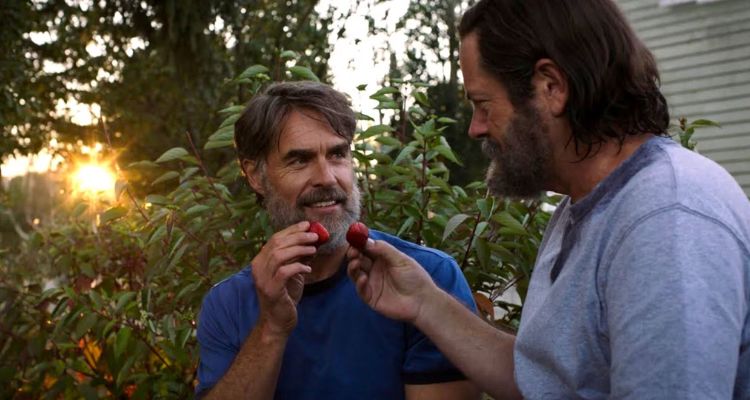
“…Bill and Frank’s love story didn’t just feel like easy representation for the purpose of checking boxes or amassing clout. It felt lived-in, achingly familiar, and pointed—like we were being allowed this brief 16-year detour, this reprieve from the horror, for a reason.”
– Slate
August and Jane – One Last Stop by Casey McQuinston
McQuinston’s One Last Stop presents us with an amazing portrayal of a queer relationship. The book tells the story of Jane, a punk woman from the ’70s stuck on a train, and August, a puzzle-lover determined to help Jane recollect her memories and get her off the train. As the story progresses, audiences get to see the women breaking down each other’s walls, revealing each one’s intricate personalities that exceed the lesbian stereotypes we constantly see in the media. On top of watching the two characters fall in love, readers get a good deal of information on queer history and politics from the ’70s, adding to the significance of August and Jane’s relationship.
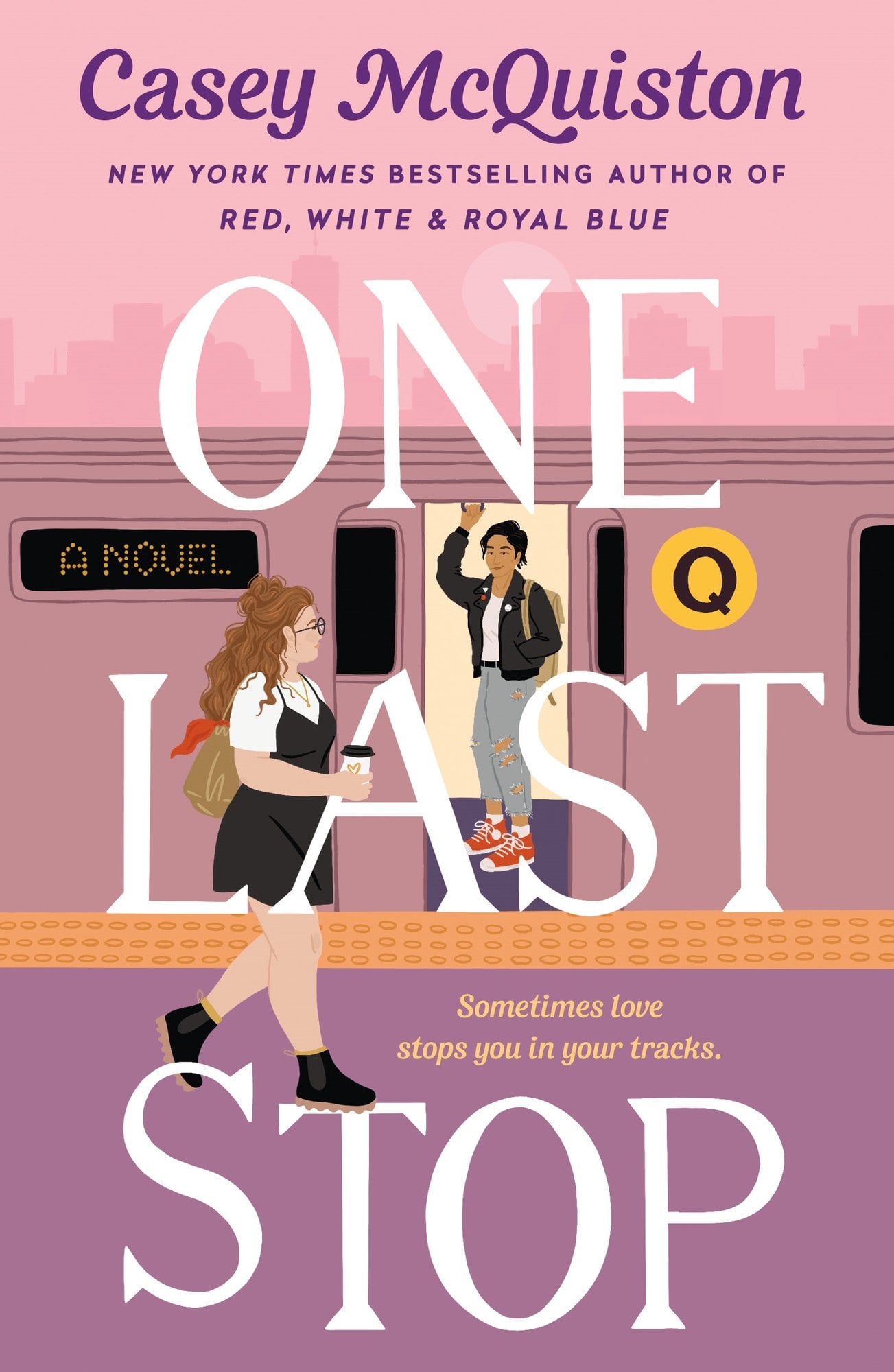
“August and Jane are both great examples of queer representation, but they also represent very different generations of the LGBT community.”
– Bookstr
Carol and Therese – Carol
The 2015 film Carol depicts a love story between Therese, an aspiring photographer, and Carol, an older, soon-to-be divorcee, set in the 1950s. This film presents a positive representation of a sapphic couple by highlighting the emotional aspects of queer love and exploring the nuances of a lesbian relationship. Instead of featuring stereotypes, the common “coming-out” trope, or oversexualized characters, the film focuses on the authentic and emotional aspects of the love and desire Carol and Therese feel for each other. Carol and Therese’s relationship is praised for being written through the “lesbian gaze,” making it relatable and genuine to the sapphic community.

“This is a love story between two women set at a time and place when that relationship was beyond taboo, but as its bravura filmmaking unfolds, those specifics fade and what remains are the feelings and emotions that all the best movie love stories create. And make no mistake, ‘Carol’ belongs in that group.”
– Los Angeles Times
Charlie and Nick – Heartstopper by Alice Oseman
The graphic novel and Netflix TV show Heartstopper beautifully portray many queer stories through the experiences of young adults. The romance between two school peers, Nick and Charlie, is at the heart of this coming-of-age series. The first book/season follows Nick’s self-discovery and coming-out journey as he begins to fall in love with Charlie. Meanwhile, Charlie faces his own issues, including homophobic bullies and family troubles. Charlie and Nick’s relationship, while slightly idealistic, is a realistic representation of the queer young adult experience. Together, the boys face relatable real-world challenges and deal with heavy topics outside of those related to their sexualities. They wholeheartedly support each other as they encounter issues and bring out the best in each other.
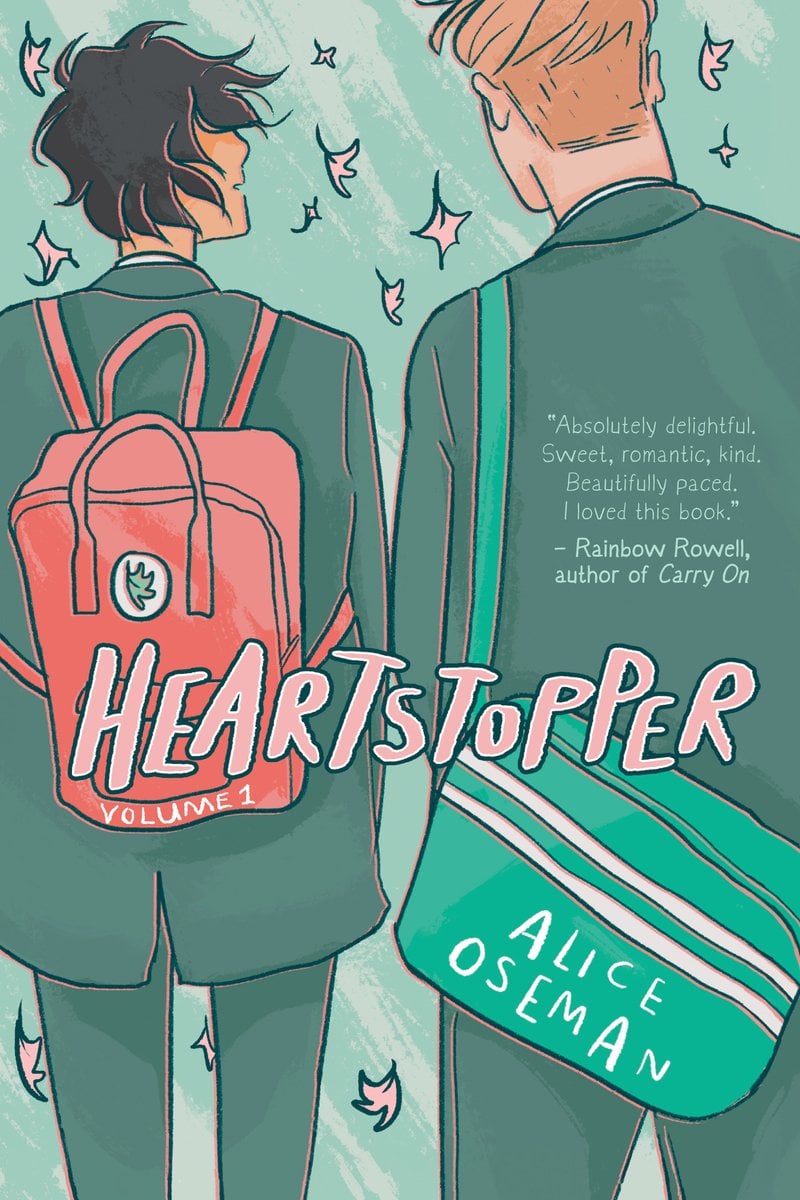
“It is a comic book fantasy about LGBTQ+ teenagers, and as such, it softens any hard edges and amplifies the sweetness of the romance at its centre.”
– The Guardian
Megan and Graham – But I’m a Cheerleader
Megan and Graham’s relationship in But I’m a Cheerleader offers a sincere, positive, and affirming portrayal of young queer love. Megan, a high school cheerleader, is sent to conversion therapy where she meets Graham, an unapologetic and rebellious lesbian. The absurdity of the conversion camp they’re put in wonderfully contradicts the authenticity of Megan and Graham’s connection. As their relationship evolves, the couple demonstrates the importance of personal growth and emotional support necessary when discovering one’s identity. Their bond and complex identities are easy to identify with and stands as a reminder that queer people live their lives unapologetically.
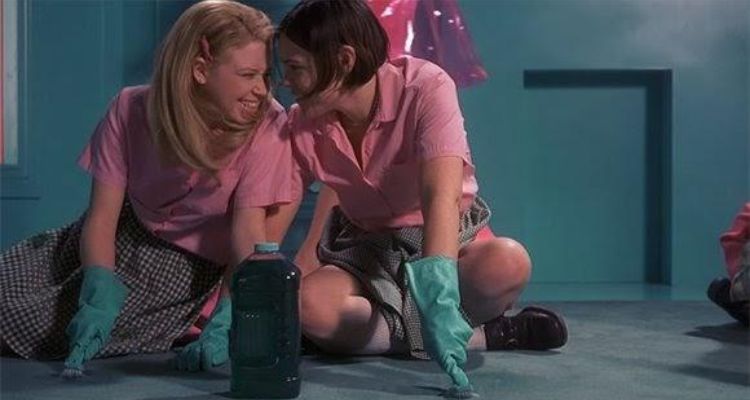
“But I’m a Cheerleader is a film that doesn’t shy away from the abuse and oppression suffered by queer people, but it also doesn’t allow its subjects to become tragic, hopeless victims.”
– Dazed
Evelyn and Celia – The Seven Husbands of Evelyn Hugo by Taylor Jenkins Reid
The Seven Husbands of Evelyn Hugo brings us a touching, complex depiction of queer love in the form of a sapphic relationship between two movie stars that unfolds over a few decades. The trials and tribulations Celia and Evelyn face show that queer relationships in an unaccepting society can be complicated and painful but ultimately resilient, beautiful, and worth it. Both characters show a profound amount of depth and steer clear of sapphic stereotypes. While there are discussions on whether Evelyn’s bisexuality was represented accurately, Evelyn and Celia’s bond was depicted wonderfully and stands as a testament to the enduring nature of true love.
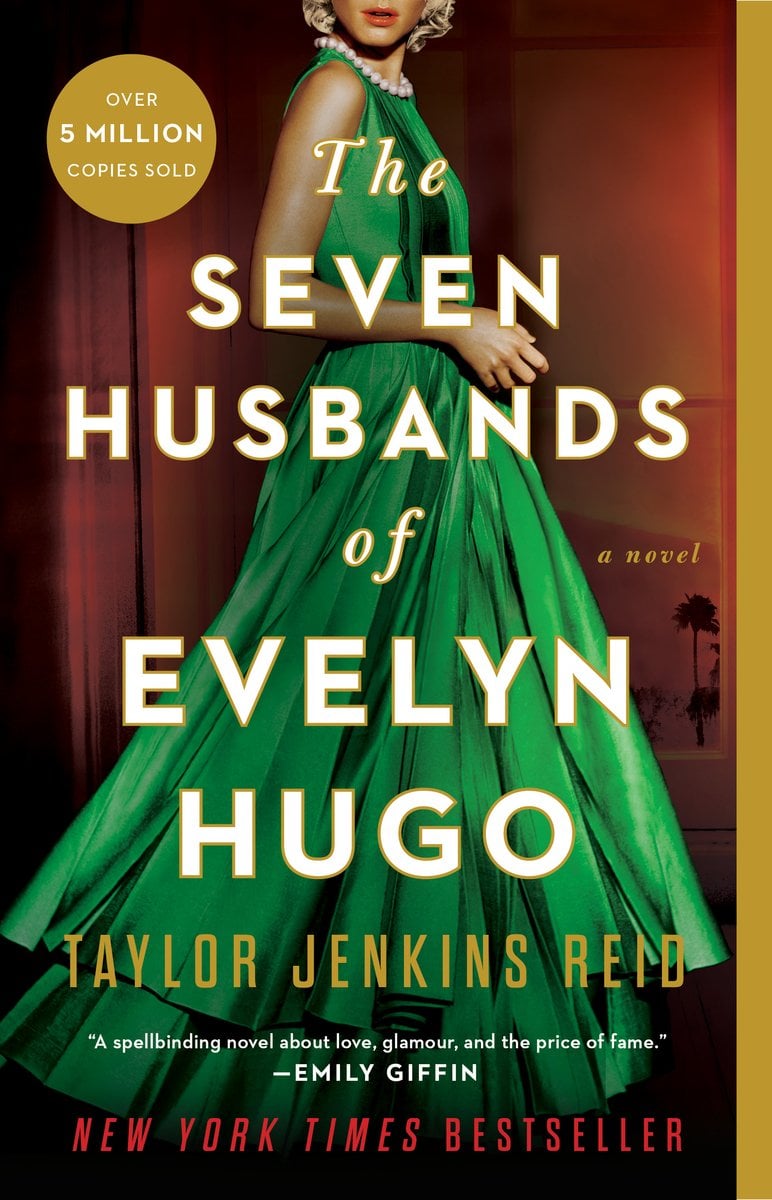
“This is a masterpiece of literature in which the LGBTQ+ community sees representation in a way that is both tasteful and true, and women are empowered through the words of a multi-award-winning author who paints beautiful relationships and authentic stories.”
– Lighthouse Writers
Simon and Bram – Love, Simon
The 2018 film Love, Simon was very impactful for the queer community, being as it was one of the first gay teen rom coms. The film follows the story of Simon, a closeted high schooler, as he navigates his sexuality and anonymously emails his love interest, Bram. Simon’s coming out story is very easy to relate to and presents challenges that a lot of young queer people face. The movie ends with a heart-warming declaration of love; however, their story continues in the series Love, Victor, where both boys are much more comfortable in their sexualities and even help Victor come to terms with his sexuality. Ultimately, the couple is a great, positive portrayal of young queer love and the obstacles that may come along with it.
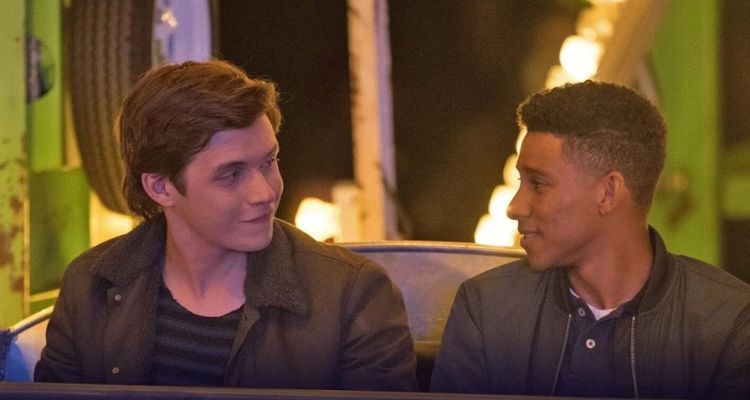
“…it is a gay film that is feel-good, and no one dies at the end (sorry for the spoiler). Yes, let me repeat that. THIS! IS! A! GAY! FEEL-GOOD! FILM! It is a gift to LGBT teens.”
– The Guardian
Achilles and Patroclus – The Song of Achilles by Madeline Miller
The Song of Achilles by Madeline Miller is praised for its stellar queer representation. The book follows the connection between Achilles, a demigod destined for fame, and Patroclus, a modest healer, from their childhoods to the Trojan War. As the two men grow, the relationship between Achilles and Patroclus blossoms into a powerful and beautiful bond. This book wonderfully represents queer relationships in that Achilles and Patroclus’ sexualities aren’t at the forefront of their love story. Rather, there’s so much depth to the story and characters’ personalities that truly emphasizes the authenticity of their connection. Miller does a spectacular job of depicting the raw, natural, and intimate connection between the characters in a way that feels genuine and special.

“It serves as a great example of LGBTQ+ representation in that it approaches and treats gay romance the same way straight romance would be written about.”
– The Daily Free Press
While accurate representations of queer couples are still too rare in pop culture, each film, book, and show that gets it right is a meaningful step forward. By uplifting authentic portrayals and calling out harmful ones, we continue to push for better, inclusive storytelling.
Want to learn more about queer representation? Check out this article!
Looking for your next queer story? Browse our Hooray for Representation – LGBTQ Voices collection on bookshop.org!