






The places we live often seem to be alive; a house that’s seen generations of family or an apartment that has grown with you can feel like members of your own family, and personalities unto themselves. So it makes sense that many works of literature incorporate this feeling into their narrative, creating houses that act as characters within the story.
In this list, we’ve chosen to highlight works where the house in some way takes action itself, or has a conscience or narrative voice. Although there are other great houses and estates in literature, these ones can definitely be said to have a purposeful effect on their story. So, without further ado, in rough order of terrifying to genuinely beneficial, here are the books that truly bring their houses to life.
The Haunting of Hill House by Shirley Jackson
Perhaps the most quietly terrifying and well-known of Jackson’s works of horror, The Haunting of Hill House revolves around the insidious nature of its titular building: Hill House. As newcomers are summoned to reside within its walls, the reader begins to realize, along with the characters, just how important it is to the story.

After all, Hill House is in many ways the main character of the novel — it’s certainly the first named one. The second sentence of the book begins: “Hill House, not sane, stood by itself against the hills, holding darkness within…” Hill House holds, and it stands, and it is not sane. From these pieces of information, Jackson weaves a dark and compelling tale that centers on the house on the hills.
The Shining by Stephen King
What is The Shining without the Overlook Hotel? Immortalized as one of King’s most iconic works and serving as the setting of the movie adaptation, the isolated and foreboding residence is the site and cause of the psychological horror of the novel.
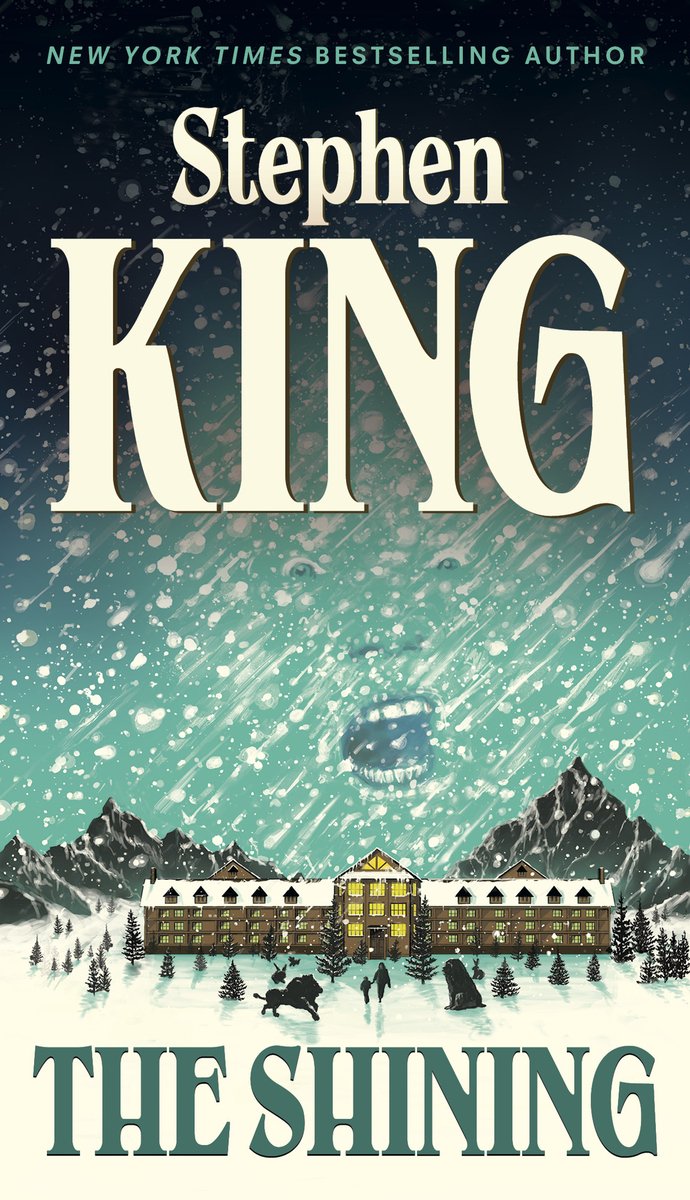
Although much of the novel’s plot might be chalked up to the effect of the season and possibly the most intense case of “stir-crazy” known to history, the reader slowly becomes aware of the Overlook Hotel’s inherent malevolence, as the events of the novel draw inexorably to their conclusion.
Gormenghast by Mervyn Peake
Gormenghast is a satisfyingly Gothic novel, with all of the usual tropes, including the forbidding, sprawling manor house. But of course, with Mervyn Peake, all of those tropes are twisted and expanded until they’re a creation unto themselves. The same is true for the hulking masterpiece that is Gormenghast.
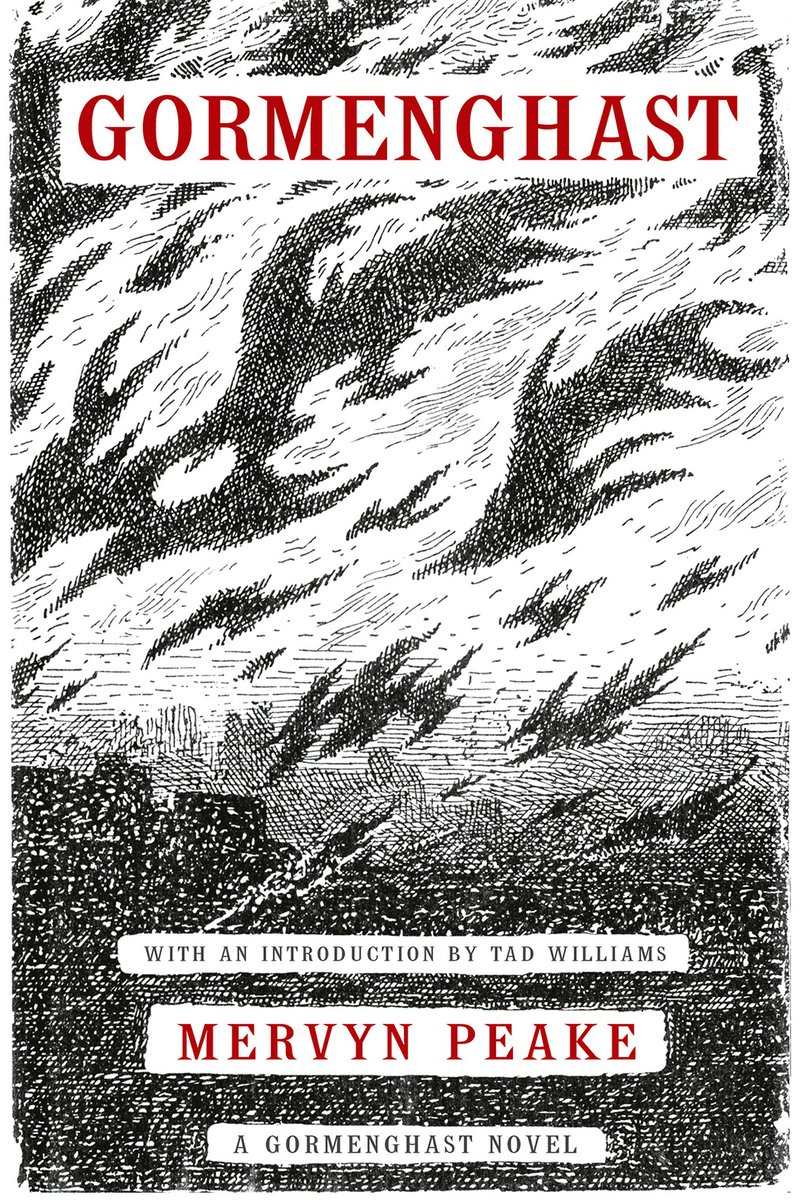
Gormenghast is an unknowably large edifice, teeming with life in some places and utterly abandoned in others. And within the story itself, more than any other character, it is a true representation of the legacy and ruin of the family that resides in it.
Beloved by Toni Morrison
Another book with an iconic opening line: “124 was spiteful. Full of a baby’s venom.” From the first sentence, the reader understands that not only is 124 (the address of the family home) a focal point of the story, but it is a character with its own feelings and traits.

Morrison’s novel is an emotional, groundbreaking look at the traumatic effects of slavery on one family, and many of the plot’s threads and throughlines center around 124, as the channel and manifestation of the loss the characters continue to experience. It becomes, in the end, a character just as alive and urgent as the others.
Thistlefoot by GennaRose Nethercott
GennaRose Nethercott crafts a modern retelling of the Baba Yaga myth in Thistlefoot, with her signature chicken-footed house as a main character. However, in this story, the house crosses the ocean to Baba Yaga’s descendants in America, carrying with it the memories and history of its long life.
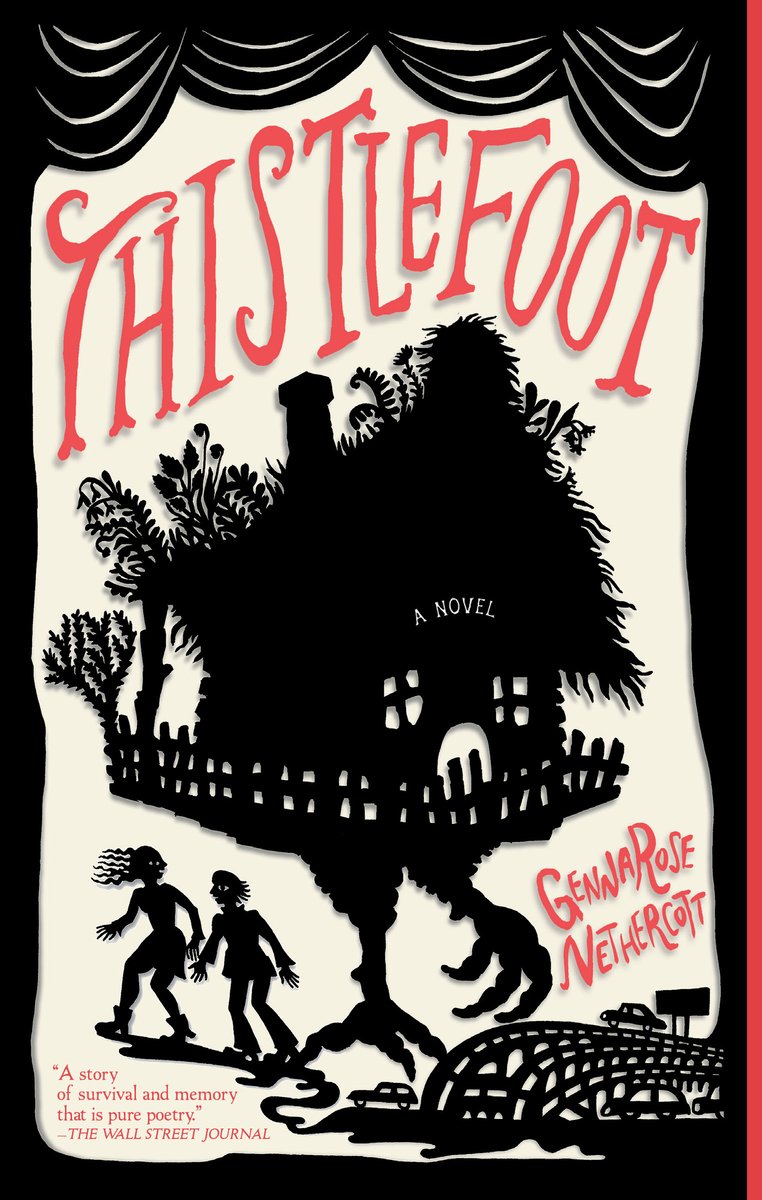
Baba Yaga’s house is one of the most ancient and iconic living houses, so it’s only fitting that the house itself gets to narrate chapters of this novel, an epic that spans hundreds of years of Jewish folklore, which are deftly spun into a lushly crafted, timeless journey.
To The Lighthouse by Virginia Woolf
Virginia Woolf’s classic To The Lighthouse is an ode to grief and the power of family. It is set in the same place, during three visions many years apart: the Ramsay family’s summer home. As the people around it shift and change, so too does the house that holds them all.
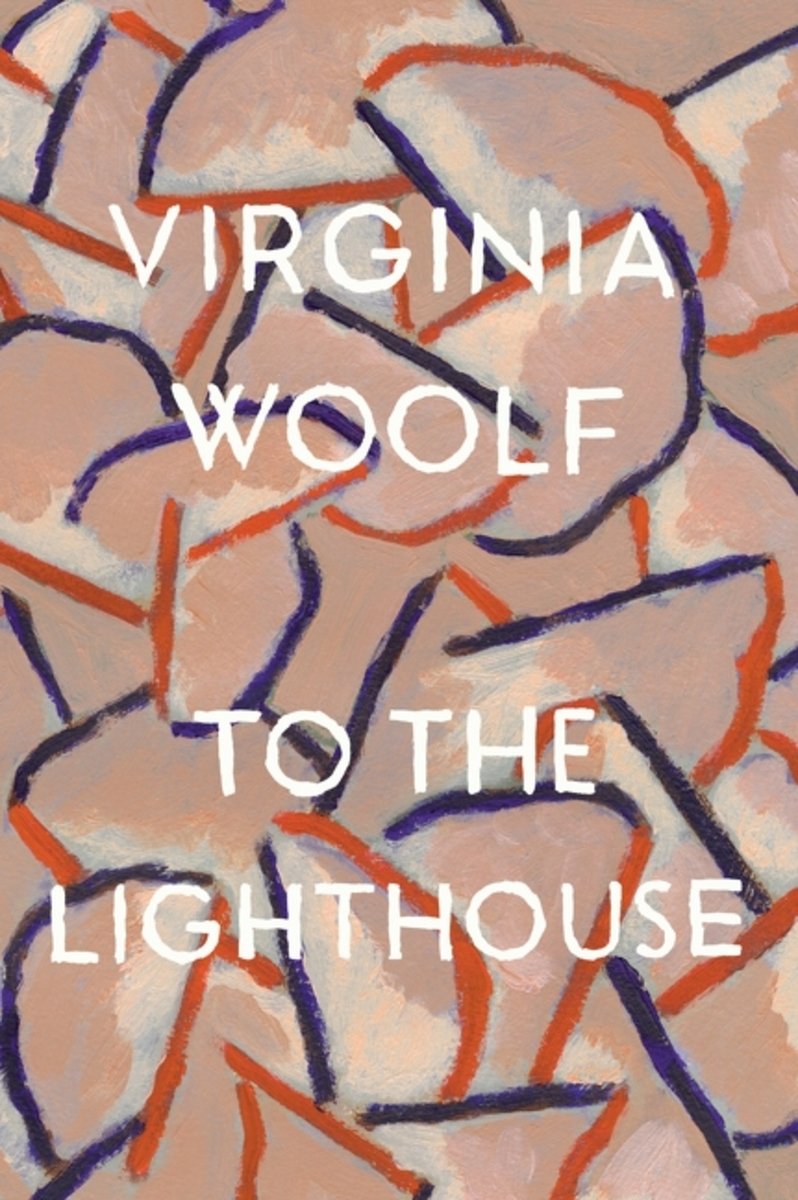
As so many of the other houses on this list, the house in To The Lighthouse, although not memorialized with a name or a first line, is nonetheless the nexus of nearly everything in the novel — the threads that connect people to each other, as well as to memories, places, and feelings, all come together in one space.
House of Many Ways by Diana Wynne Jones
Diana Wynne Jones’ clever, crafty prose and ability to surprise even the most seasoned readers shine through in this fantasy-land romp, starring the bookish Charmain Baker and taking place in the familiar land of Ingary. And of course, it stars a house that seems to have a mind of its own.
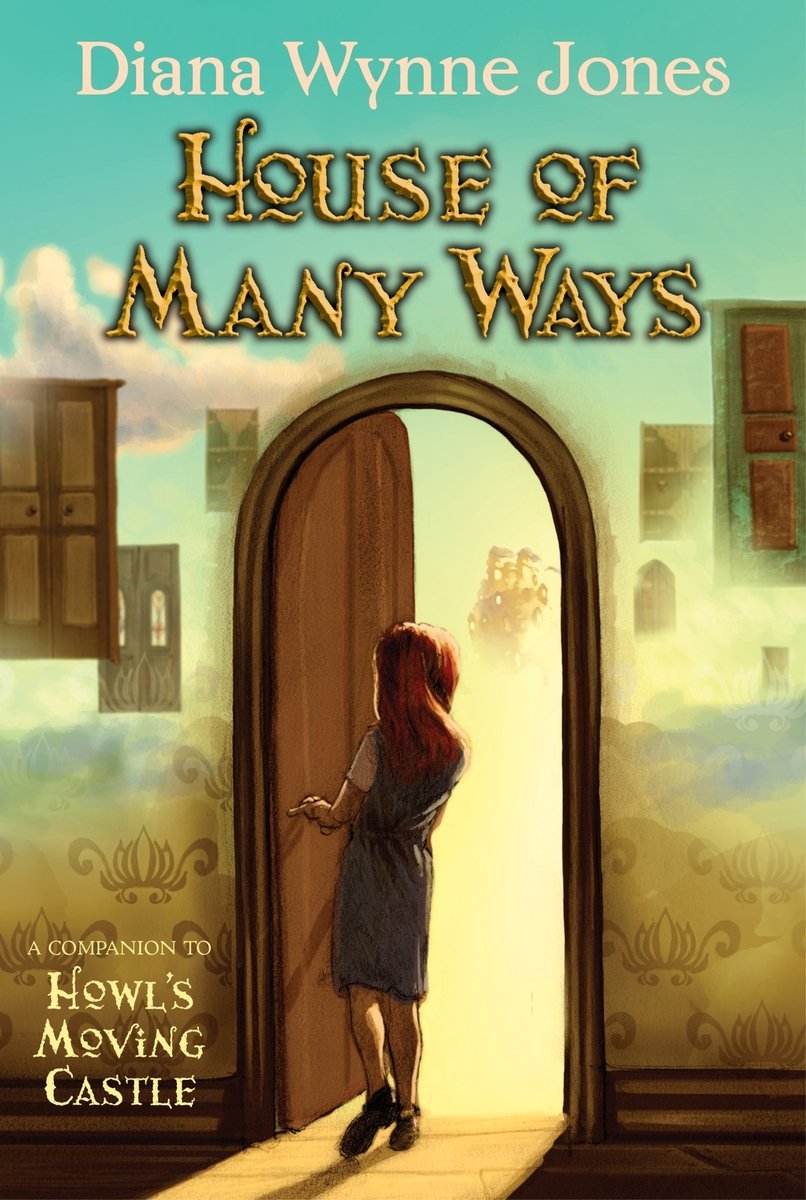
Charmain thinks she’s signing up for a blissfully quiet summer of reading, but, as it turns out, both the inhabitants of her great uncle’s house and the house itself might have more for her in store than just a simple vacation. From within the confines of the house itself, Charmain stands on the threshold of an entire adventure.
From unrelentingly spooky to surprisingly benevolent, the houses in this list are a true range, reflecting the variety of authors, genres, and characters that populate the books they emerge from. But one thing they all have in common is that they are an integral part of the narrative of each one, playing a crucial part in the events that shape the storyline.
If anything, this list demonstrates that the places we live are truly what we make of them; whether that’s a cautionary tale or a hopeful thought is, of course, up to you.
Want more book recommendations? Click here.
Click here for more haunting book picks by the Bookstr staff!