








There are authors who can write a book within months or even weeks, churning out the pages like there’s no tomorrow. And then there are those who write at a leisurely pace, taking their sweet time with a draft until they’re satisfied with it. While neither side is inherently better than the other, some of the most recognized works of literature took quite a bit of time to complete. Here are some examples, and the reasons they took so long may not be what you expect.
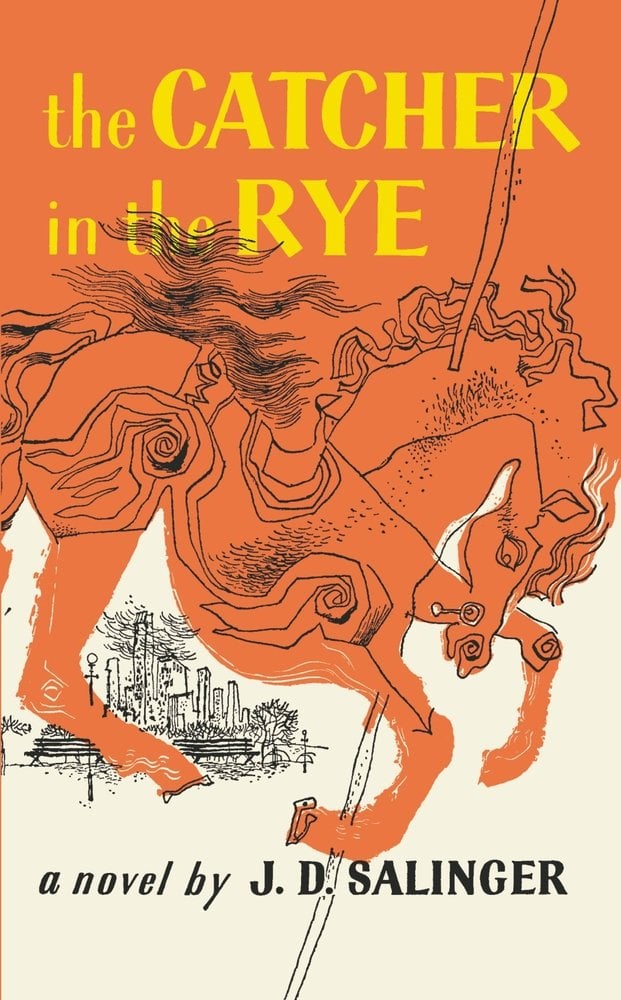
The Catcher in the Rye by J. D. Salinger – 10 years
It’s a bit difficult to write a book when you get drafted as a soldier in World War II. That was the situation J. D. Salinger found himself in with The Catcher in the Rye. It didn’t start as a novel—he originally wrote it as a series of short stories because he was a short story author unfamiliar with writing longer fiction. It’s reasonable to assume the war and Salinger’s lack of familiarity with the novel form did a number on his writing pace.
Still, he didn’t forget about his novel in the line of duty. It’s said he carried around the pages that held Holden Caulfield throughout the war, from the streets of Paris to the Nazi concentration camps.
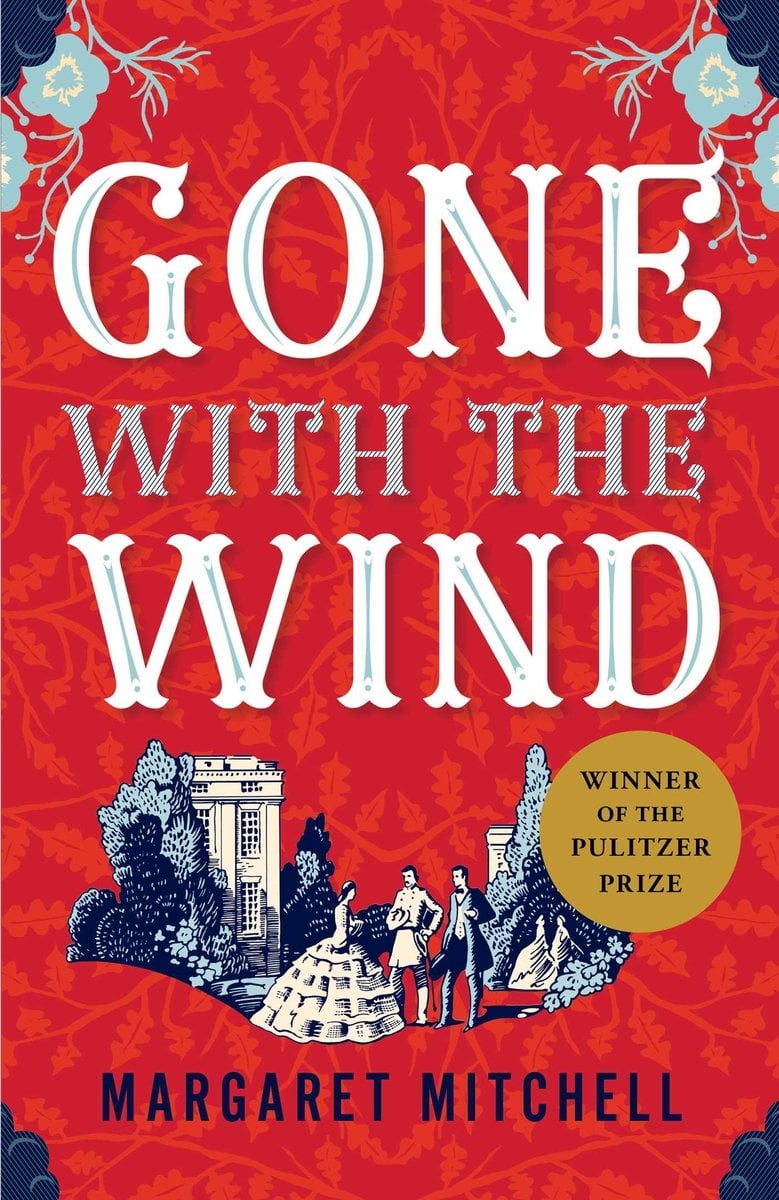
Gone with the Wind by Margaret Mitchell – 10 years
Margaret Mitchell went through nearly as many drafts of Gone with the Wind as the years it took for her to finish it—nine drafts of a thousand pages! That’s some thorough revision work for a book she didn’t intend to publish (until someone provoked her, that is). Mitchell started the book to pass the time while recovering from an ankle injury. Evidently, she was in no rush.
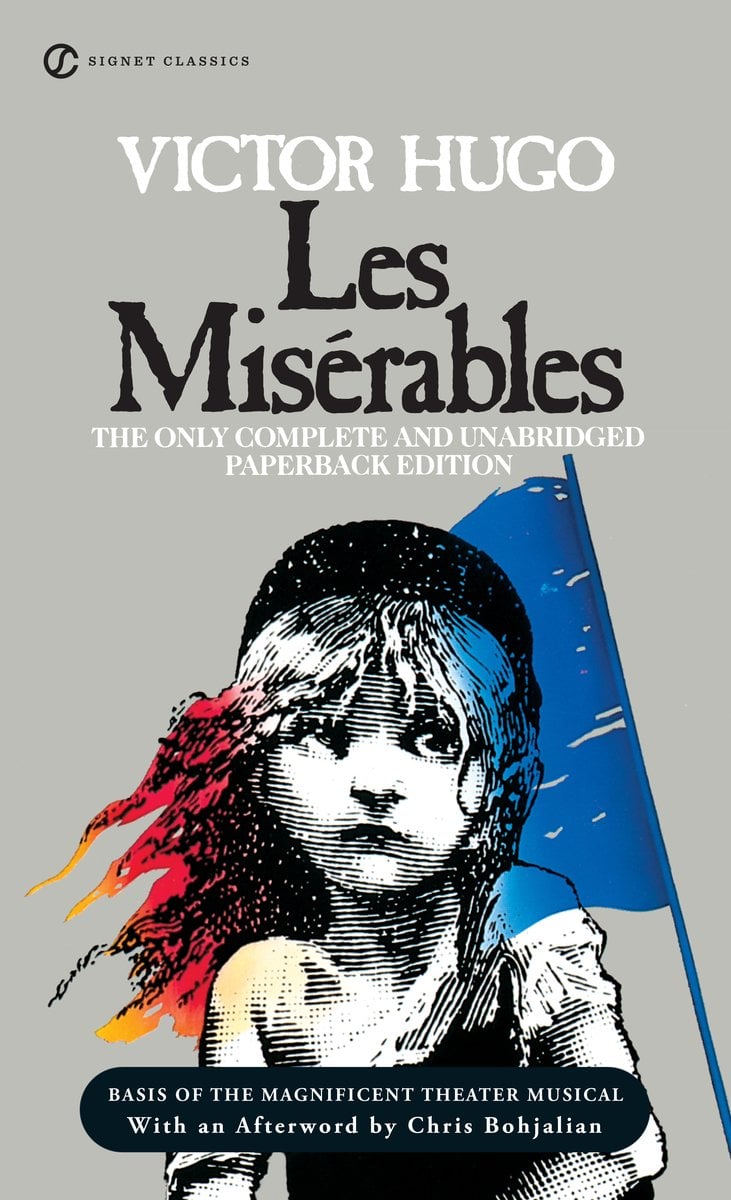
Les Misérables by Victor Hugo – 12 years
Victor Hugo started planning out Les Misérables in the 1830s, and he didn’t start writing it until 1845, a long way from its 1862 publication date. Let us also keep in mind that Les Misérables is one of the longest novels in history, at 1,900 pages in the original French (1,400 in English). You could say that a novel of such epic proportions called for an equal amount of time to bring to fruition.
No Great Mischief by Alistair MacLeod – 13 years
Perfectionism makes things take longer to finish, and that was certainly true for Alistair MacLeod. He liked to write one sentence at a time by hand and read it aloud before continuing to the next. Later, his editor commented that MacLeod’s writing was so precise that revisions to the novel were “almost unnecessary.”
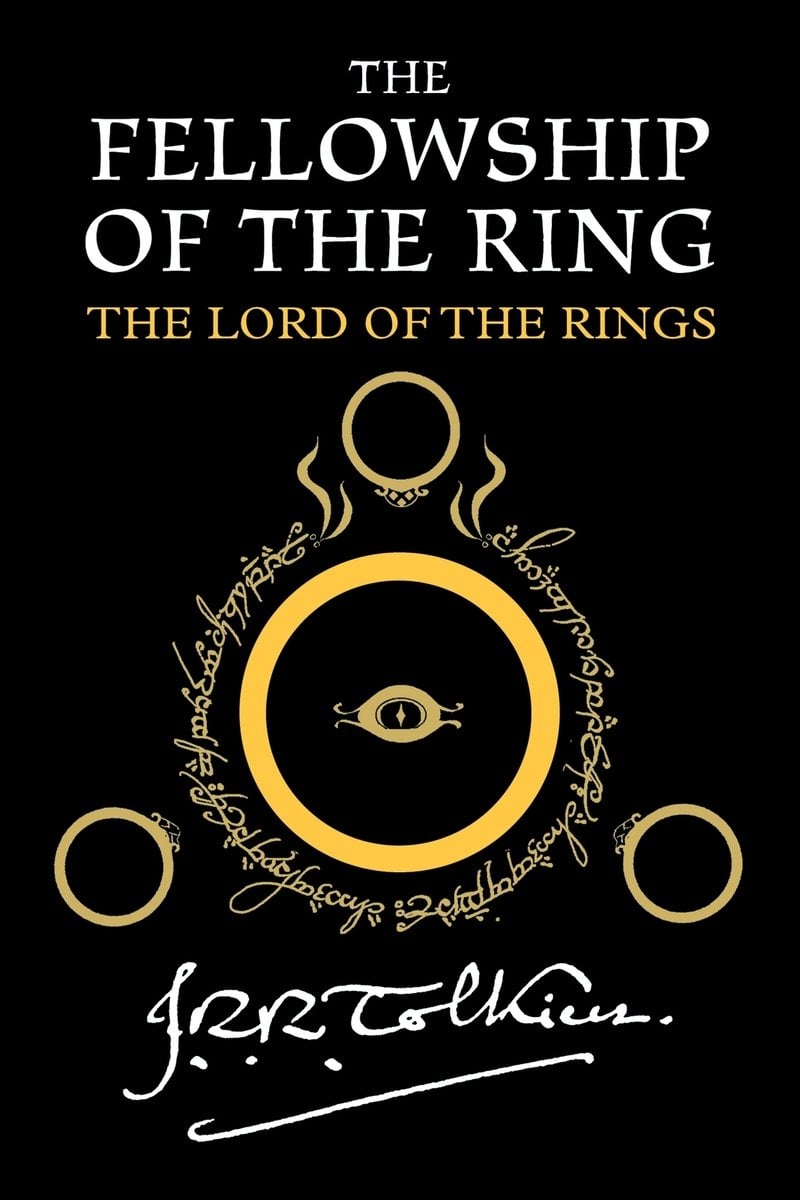
The Lord of the Rings by J.R.R. Tolkien – 17 years
As a full-time academic, J. R. R. Tolkien only had so much spare time to write. He also abandoned The Lord of the Rings for a year, which didn’t help. Tolkien restarted it in April 1944 for his son Christopher Tolkien, sending chapters as they were written during Christopher’s time in the Royal Air Force. All in all, he did about 12 years of actual writing, with five years of breaks in between.
Sphere by Michael Crichton – 20 years due to long hiatus
While Michael Crichton wrote quickly, his preparation could take years. That’s why Jurassic Park took eight years to finish.
Sphere was an odd case, though, as it took way longer to finish for completely different reasons. He stopped writing it partway through because he couldn’t think of a good ending, only to finish it 20 years later in about two months. So, he asked, “Did it take 20 years, or two months?”
The Cantos by Ezra Pound – 57 years, incomplete
In 1915, Ezra Pound described The Cantos as a poem “of immeasurable length which will occupy me for the next four decades unless it becomes a bore.” Evidently, it kept him occupied because he spent over half his life writing The Cantos, dying before he could finish.
These works show that many things can get in the way of a book’s progress—a full-time job, perfectionism, lack of ideas, you name it. When a good book survives to publication, it is something to celebrate, whether it takes months, years, or decades.
Interested in more bookish trivia? Keep up with our Tuesday Bookstr Trivia series here and on Instagram.