













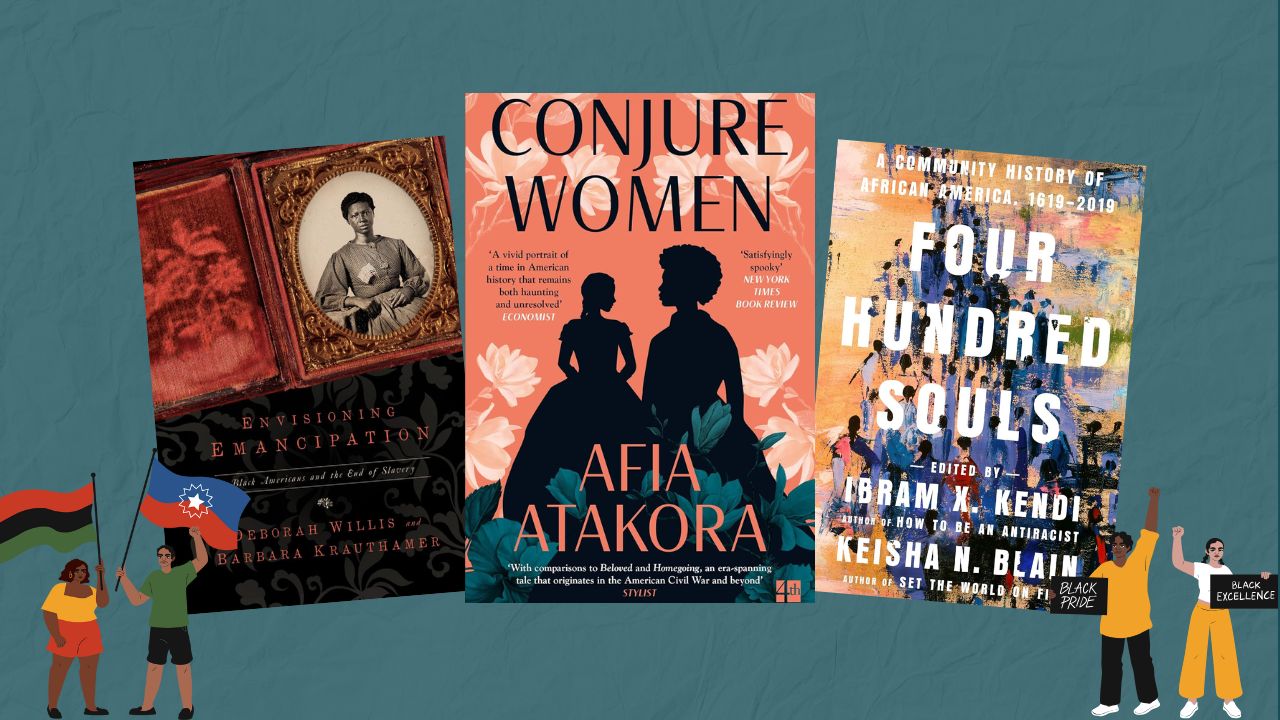
June 19th, more commonly known as Juneteenth, is a holiday celebrating the emancipation of enslaved people in the United States at the end of the Civil War. It specifically commemorates the day that the final enforcement of the Emancipation Proclamation, when the enslaved African-Americans in Galveston, Texas, were informed that they were free on June 19, 1865. The holiday is often recognized as America’s Second Independence Day as it honors the long-fought freedom and independence of enslaved Americans. Let’s take a look at five books that look back on the struggle faced by enslaved Americans and celebrate their resilience and attainment of Civil Rights.
On Juneteenth by Annette Gordon-Reed
In this memoir, Annette Gordon-Reed — historian, descendant of enslaved African-Americans, and proud Texas-native — explores the roots of the Juneteenth celebrations in Texas history.
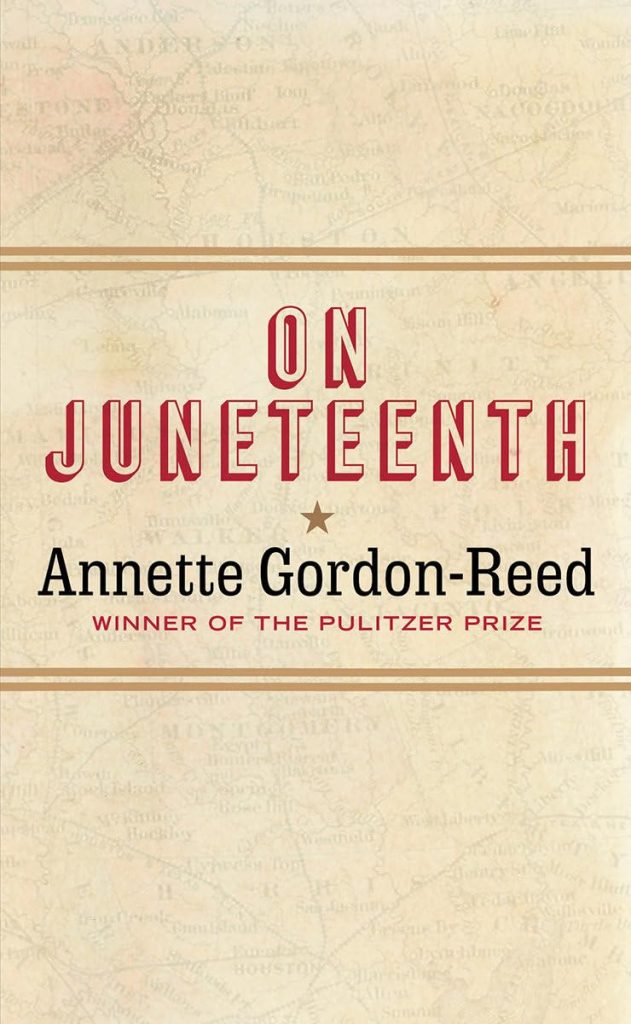
In the preface of On Juneteenth, Gordon-Reed writes, “Rather than keeping the holiday to ourselves, Texans have been in the forefront of trying to make Juneteenth a national holiday.” Writing this book, for Gordon-Reed, came from a deep love of her home state, her people, and a desire to challenge misconceptions and share the true history of the Juneteenth holiday. In this book, Gordon-Reed paints a well-researched and yet deeply personal portrait of the treatment of the African-American population and the ongoing struggle for equality in the Lone Star State that resonates with the larger American psyche.
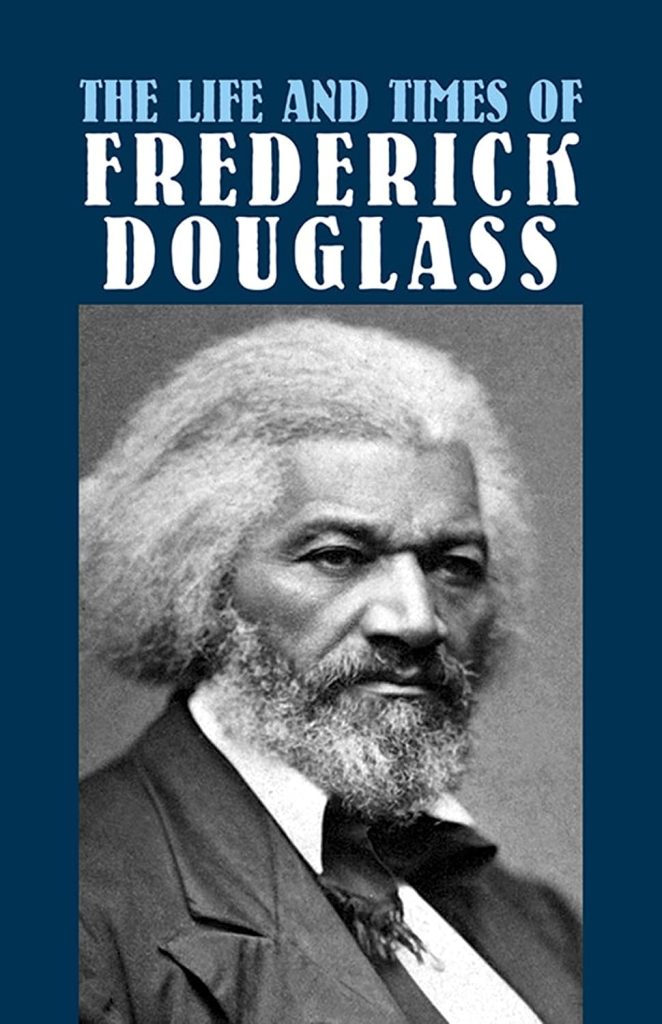
The Life and Times of Frederick Douglass by Frederick Douglass
Revered abolitionist, orator, and writer Frederick Douglass wrote three autobiographies in his lifetime. Written after the end of the Civil War, his third autobiography, The Life and Times of Frederick Douglass, was Douglass’s most detailed recount of his life. Written in eloquent prose, Douglass describes the abuse he endured as a child, his daring escape from enslavement to the North, his involvement with abolitionist leaders and thinkers in the fight to end slavery, and more. Douglass’s autobiography is essential reading for anyone who seeks to understand through firsthand accounts the conditions of enslavement and the series of events that brought slavery to an end in America.
Envisioning Emancipation: Black Americans and the End of Slavery by Barbara Krauthamer and Deborah Willis
As the saying goes, “A picture is worth a thousand words.” This is a concept Barbara Krauthamer and Deborah Willis choose to explore in Envisioning Emancipation. In this book, they delve into the history of enslavement and emancipation through the visual medium of photography. Krauthamer and Willis closely examine photographs depicting Black Americans before and after the Civil War, from the 1850s through the 1930s. They ponder the narrative being represented in these photographs and how it evolved with the changes brought about by the end of slavery. This book visually represents the journey to freedom amongst Black Americans.
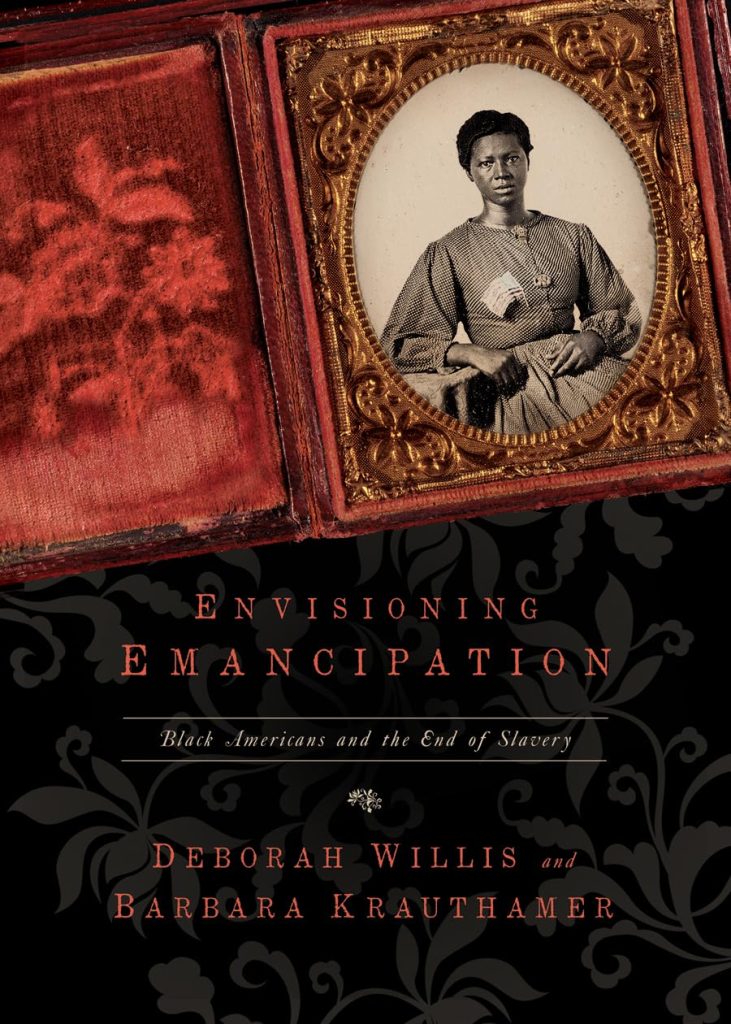
Krauthamer and Willis write in their introduction, “we found ourselves repeatedly coming back to conversations about photographic representations of slavery and freedom and the ways in which these photographs functioned simultaneously as historical sources of information, as visual representations of particular ideas and interests, and as sites of memory that sustain a sense of connection to the earliest generations of the black freedom struggle.”
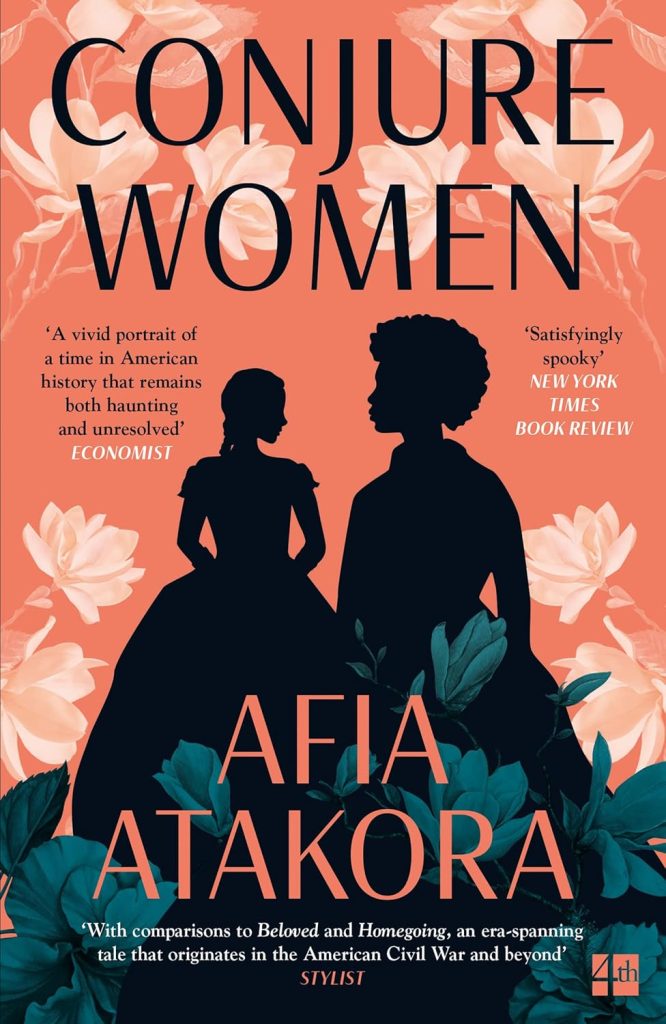
Conjure Women by Afia Atakora
For my fiction lovers, this book is for you. Afia Atakora’s Conjure Women is a work of historical fiction that delves into life in the South before and after the Civil War. Atakora’s prose pulls you into the narrative as though you were there in the South alongside her characters. The story centers around three women living on a plantation: Miss Maybelle, who is a healer, midwife, and conjurer, her daughter Rue, who shares her gifts for healing, and their Master’s daughter Varina. Atakora weaves past (Slaverytime) and present (Freedomtime) and blends elements of magical realism to create a haunting narrative delving into the nuances of freedom for Black Americans in the post-war South.
Four Hundred Souls: A Community History of African America, 1619-2019 Edited by Ibram X. Kendi and Keisha N. Blain
Four Hundred Souls offers a more all-encompassing look at African-American history than the rest of the books on this list. This book comprises the works of 90 different writers, each tackling a five-year period in the 400-year-long history of what editors Ibram X. Kendi and Keisha N. Blain call “African America”. This collection of nonfiction and poetry starts with the first known arrival of Africans in what is now known as the United States of America in 1619 and ends with the year 2019. This book brings together powerful voices of the African-American and Black American communities, affirming and uplifting the often overlooked, and yet, tremendously instrumental role their communities have played in the shaping of America.
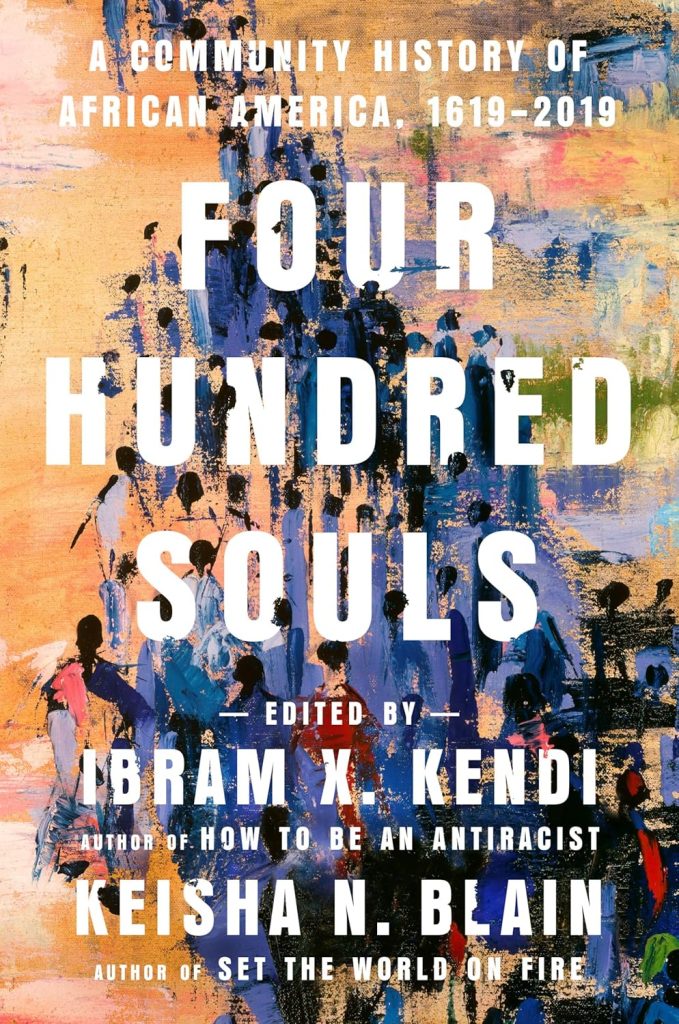
In the introduction of Four Hundred Souls, Kendi writes, “Most of the pieces in this volume were written in 2019. We wanted the community to be writing during the four-hundredth year. We wanted four hundred souls to write history and be history.”
This Juneteenth, as we celebrate the emancipation of enslaved people in the U.S., it is important that we take the time to learn and understand the history that has brought us here. These five books are just a small peak into the wealth of research and literature that has been dedicated to honoring African American history and engaging with them is just one way for us to observe this monumental day.
If you are interested in learning more about the history of Juneteenth, read about it here!
You can access the books listed in this article here, on Bookshop.org.