











Stories have always been a powerful form of expression, enabling us to understand the world and those fighting for its betterment. Through fiction, we step into lives marked by oppression and injustice, yet also hope, and see the human side of global struggles. Stories about human rights are not only informative, but they also awaken empathy and inspire action. We’re highlighting a selection of novels centered on human rights, inviting readers to witness, to empathize, to reflect, and to appreciate more of these experiences poured onto the page. With these recommendations, we hope to inspire awareness and strive for action toward a fairer, more equitable world — socially, economically, and politically.
HOT PICK
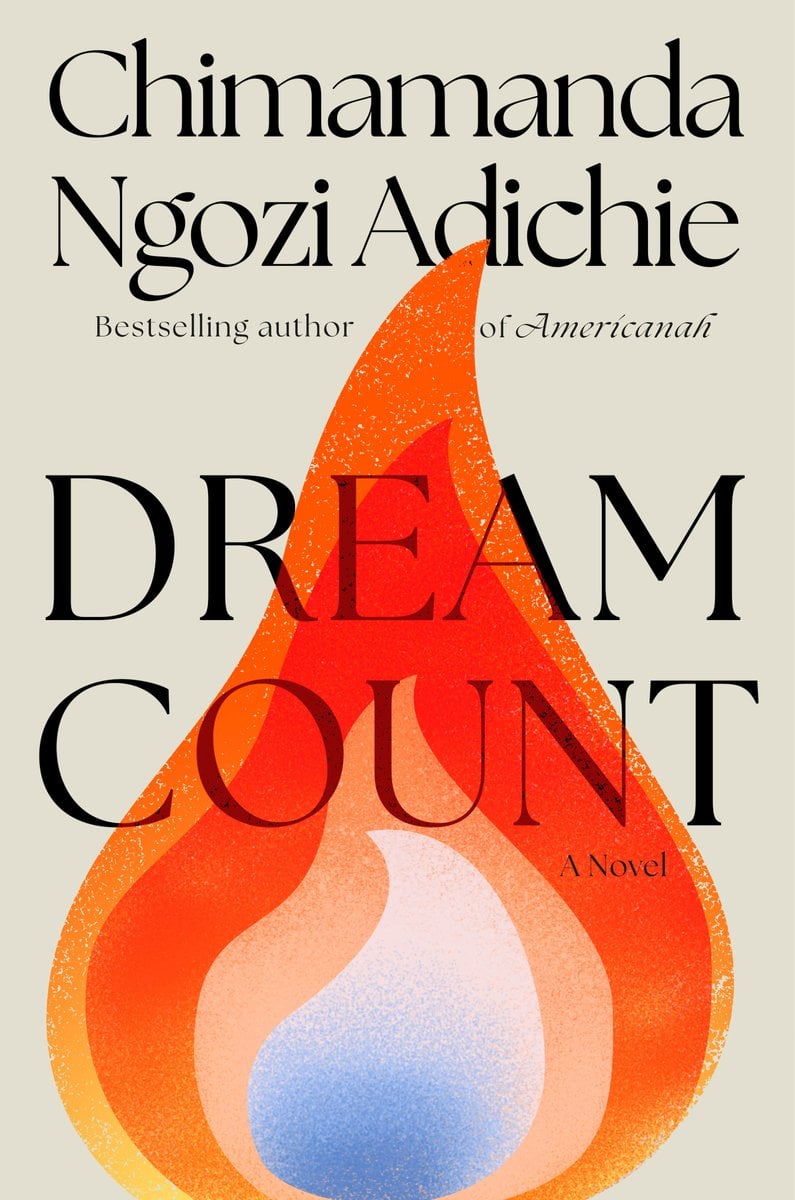
Dream Count by Chimamanda Ngozi Adichie
SYNOPSIS:
Chiamaka, a Nigerian travel writer isolated in America during the pandemic, confronts her past lovers and grapples with the regret of her choices. Her best friend Zikota is a successful lawyer who faces an emotional collapse after betrayal, forcing her to seek support from someone she once dismissed. Chiamaka’s cousin, Omelogor, is a fearless financial executive in Lagos who grapples with self-fulfilment. Meanwhile, Kadiatou, her housekeeper in the U.S., proudly raising her daughter, fights to protect the life she’s built when unimaginable hardship strikes and poses a risk to all she has worked hard to contain.
WHY:
In Dream Count, Adichie exposes the invisible architecture of inequality and the global issues that shape each woman’s choices: migration, class inequality, gender expectations, and the difficulty of achieving power and self-determination. This highlights their struggle to claim safety, autonomy, and emotional authenticity within restrictive social and institutional frameworks structured to marginalize them. Adichie abstains from a didactic discourse on policy, instead rendering the abstract principles of human rights tangible through the nuanced choices her characters make. Drawing on her experiences growing up in Nigeria and living between cultures, Adichie humanises these issues, showing how rights and dignity are enacted in real-life choices made by women navigating societies that often limit them.
COFFEE SHOP READ
Fundamentally by Nussaibah Younis
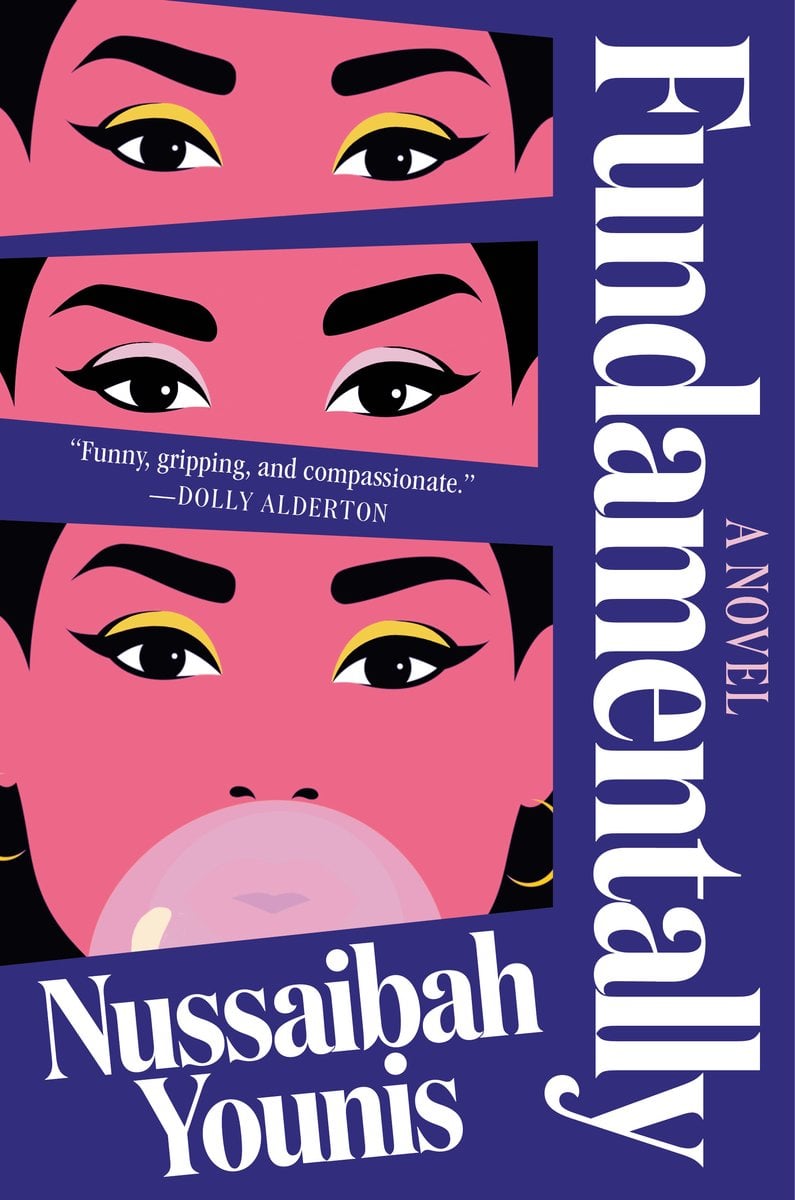
SYNOPSIS:
Nadia Amin is a sharp-witted PhD who publishes an article on deradicalization, propelling her into the complex and morally fraught world of a United Nations rehabilitation program in Iraq for women caught in harmful ideologies. Eager to turn theory into action and grappling with personal heartbreak and the absence of maternal guidance, Nadia dives into an unthinkable mission with a team consisting of eccentric and frustrating colleagues. She forms a powerful bond with Sara, a streetwise Londoner who was drawn into radicalization as a teenager. As the program proceeds, Nadia realizes that she has to confront the limits of her power and wrestle with the uncomfortable reality that saving someone may not be within her control.
WHY:
In Fundamentally, Younis examines the moral and emotional complexities of restoring dignity and self-determination to those who have been manipulated by oppressive systems. Grounded in her expertise as a political analyst and a scholar of Middle Eastern affairs, her narrative carries authenticity that bridges policy and human experience, illuminating the psychological cost of ideological conflict. Through the intertwined journeys of Nadia and Sara, the novel reframes human rights as lived negotiations of empathy, accountability, and survival, making it both intellectually rigorous and deeply humane.
DARK HORSE
A Little Trickerie by Rosanna Pike

SYNOPSIS:
Tibb Ingleby is a resourceful and fiercely independent young woman who has known only the precarious life of a vagabond, shaped by the lessons of her late mother: that survival often requires bending the rules of a world that offers little shelter to women like her. Tibb’s mother is now dead, leaving her orphaned and alone. She navigates the fields and forests of Tudor England, discovering the most unpredictable spectrum of human character, bound by people who will care for her and those who mean her harm. Tibb and her group of friends conjure a daring hoax to claim freedom from the constraints society has imposed, yet their clever scheme spirals into unforeseen consequences, drawing danger to their name.
WHY:
Pike’s background as a scholar and historian of early modern England (supported by her academic work on marginal life and popular belief) enriches A Little Trickerie’s authenticity, grounding Tibb’s experiences in documented realities of social exclusion, vagrancy laws, and the cultural anxieties of the period. Tibb’s precarious life as a rootless young woman exposes the enduring struggle for bodily safety, autonomy, and the fundamental right to inhabit the world without persecution, reflecting the very conditions historically imposed on women, itinerant communities, and the economically disenfranchised.
Thanks for tuning in to this week’s edition of Three to Read! We’ll be back with more thoughtfully compiled recommendations that inspire and challenge — all for you!
Click here for more powerful stories that tackle human rights struggles.
Visit our Three to Read bookshelf on Bookshop for more remarkable recommendations!