









Trigger warning: This article and the books it discusses contain depictions of ableism, mental health issues, and other potentially distressing content. Please exercise care while reading.
Disability representation in media, including literature, has long been limited by the gaze of non-disabled authors. Often villainized, pitied, or held up as inspiration for their non-disabled counterparts, disabled characters are largely denied agency or any real characterization. They’re pushed to the margins of a story, visible but not truly seen.
Our Three to Read picks this week are a diverse selection of novels from disabled authors that center the unique experiences of their disabled protagonists. These books make massive strides toward expanding disability representation in adult literature, each main character asserting her autonomy over her own narrative. Whether they’re falling in love, writing about robots, or indulging sexual fantasies, their stories are sure to capture your attention — and your heart.
HOT PICK
Death of the Author by Nnedi Okorafor

SUMMARY:
Zelu’s disability, disinterest in marriage, and aspirations of becoming a novelist have alienated her from her Nigerian American family. After losing her job and receiving yet another publisher’s rejection, Zelu decides to change course. She abandons her usual literary restraint to write a post-apocalyptic sci-fi epic about the rise of androids and AI. The novel, Rusted Robots, becomes a runaway success — but with that success comes unintended consequences as Zelu’s story slips from her grasp.
WHY:
Contrary to its title, Death of the Author is Nnedi Okorafor’s most personal work yet. While this metafictional narrative does incorporate the speculative lens she’s most known for, much of it is rooted in her own experiences. Chapters from Rusted Robots intertwine with episodes from Zelu’s own life as she navigates diasporic family dynamics and industry racism, until the lines between the two start to blur. Strikingly vulnerable, it’s the story Okorafor’s always wanted to tell — and now, at long last, we have the privilege of reading it.
BEACH READ
32 Days in May by Betty Corrello

SUMMARY:
Reeling from a recent lupus diagnosis, Nadia Fabiola wants to retreat into the quiet comfort of Evergreen, her family’s longtime Jersey Shore vacation destination. Then her rheumatologist sets her up with his cousin, former TV actor Marco Antoniou. A delightfully chaotic first date leads to an agreement: Nadia and Marco will embark on a spring fling, no strings attached, just for the month of May. But as the two inevitably catch deeper feelings for each other, the health issues Nadia’s been keeping from Marco begin to take their toll. Will Nadia open up, or will she let May — and Marco — pass her by?
WHY:
Around the time of her own diagnosis with an autoimmune disease, Betty Corrello watched Sweet November in a nail salon. Devastated by the film’s tragic resolution, Corrello resolved to write a story that gave its chronically ill lead a happier ending. By turns hilarious and heartfelt, 32 Days in May doesn’t shy away from the challenges Nadia faces as she adjusts to her new reality. But through her budding romance with Marco — who’s working through issues of his own — she finds renewed joy and hope for the future.
DARK HORSE
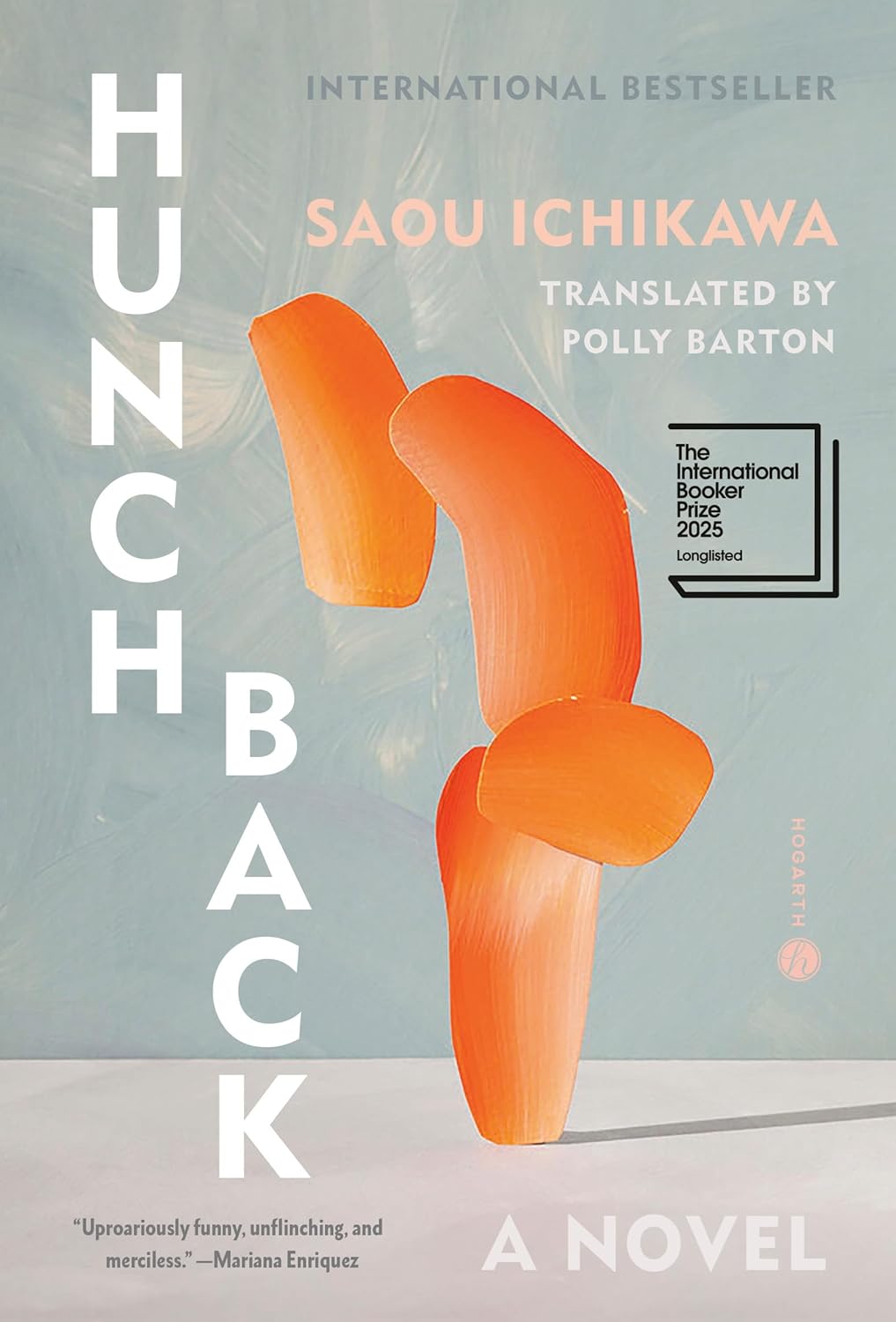
Hunchback by Saou Ichikawa, translated by Polly Barton
SUMMARY:
Due to her congenital muscle disorder, Shaka Isawa lives in a care facility near Tokyo. But Shaka’s life is far from dull: When she’s not taking online classes, she’s writing copious amounts of swingers’ erotica or trolling on Twitter. Shaka enjoys her internet exploits in relative anonymity — that is, until her new carer, Tanaka, reveals that he’s read all her tweets and her stories. When Tanaka decides to take Shaka up on an offer she tweeted — paying someone an exorbitant amount of money to be her sperm donor — her world begins to change.
WHY:
Originally published in 2023, Hunchback is the first book from a physically disabled author to win Japan’s distinguished Akutagawa Prize. Its English translation by Polly Barton brings Saou Ichikawa’s story to a wider audience. Ichikawa directly confronts the ableist preconceptions and prejudices around disabled people, presenting Shaka in all her feisty, sexual, occasionally morally dubious glory. To quote literature professor Yuki Arai, it’s a “shout of rage” against an ableist society, one that explores questions around agency and power with searing wit.
That’s it for this week’s Three to Read! We’ll be back next week with more awesome new reads for your TBR.
Looking for books that center neurodivergent characters? Click here for three romance recs with autistic protagonists.
Find these and other Three to Read picks at our Bookshop.