




Autism isn’t all nonverbal stimming and sensory overload. There can be a lot of nuance to the conversations surrounding our emotional, psychological, and social well-being. The National Institute of Mental Health defines Autism Spectrum Disorder as “a neurological and developmental disorder that affects how people interact with others, communicate, learn, and behave.” This is such broad terminology that can be difficult for some adults to understand; it’s no wonder that our children might have a hard time, too.
We can learn a lot when we read more books that expand our worldview and take a walk in someone else’s shoes. This stereotype-busting list of books will show you the highs, the lows, and the in-betweens of living with Autism.
Picture Books for Early Readers
Young minds need little stories to grasp big concepts like autism and sensory issues. It can be hard for them to fully comprehend where the sun goes at night or why rainbows don’t always show in the sky. These books do a fantastic job of showing the world what little kids on the autism spectrum feel in their day-to-day lives.
The Chalk Rainbow by Deborah Kelly, illustrated by Gwynneth Jones

The Chalk Rainbow is told by Zane’s older sister. Zane likes to line things up, has his own made-up language, and is terrified of the color black. He won’t wear black or walk across the black road that leads to the playground. Zane’s sister has an idea to cover the black with a rainbow of chalk so they can still go to the park.
A beautiful story about inclusivity and overcoming familial problems with new solutions was really touching. The use of color to help tell Zane’s story was well-thought-out and intelligently placed throughout the book. Little kids everywhere are sure to enjoy the colorful illustrations and relatability of wanting to go to the playground!
Starabella: Mystery Girl of Music by Sharon Fialco, illustrated by Anton Petrov

A stunningly illustrated book, Starabella: Mystery Girl of Music is the first in a series introducing Starabella, a musically inclined girl whose eyes shine like stars. She amazes her parents with above-average feats, but, within the same stroke, concerns them with puzzling signs.
Readers everywhere will love Starabella and all the things that make her unique. Her autism and sensory issues take the forefront in this beautiful story. The use of music with an accompanying CD and colorful illustrations is sure to make this book stand out to any young child.
This Beach is Loud! by Samantha Cotterill
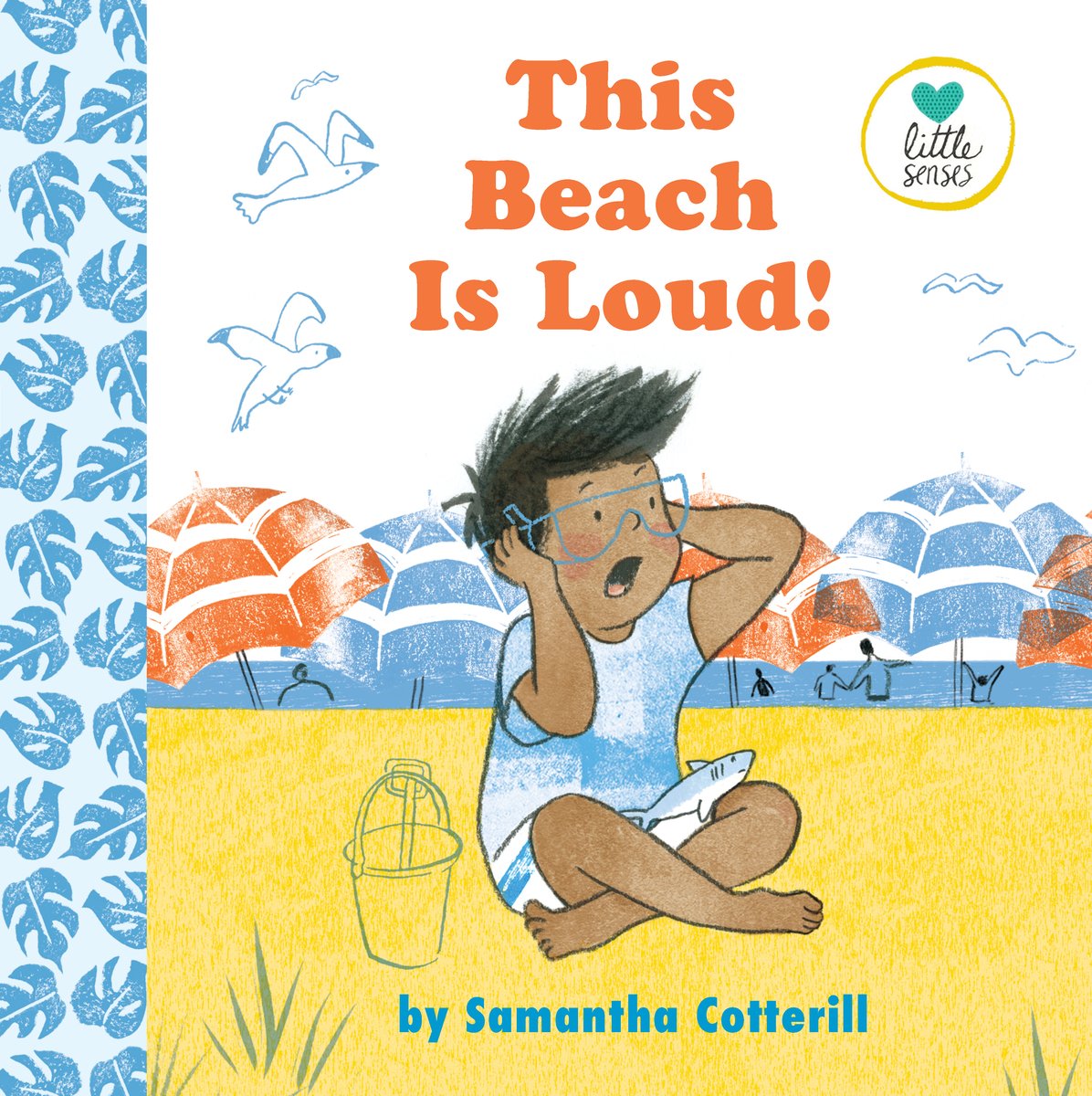
Going to the beach is exciting, but it can also be busy, hot, itchy, and, most of all, loud! A father and son head to the beach in this timeless summer read. However, when we get there, it’s not everything we thought it would be. Armed with coping skills and patience, the family can enjoy their day at the beach.
Any kid can empathize with a “Sharkie”, like the boy in the story, and even more so with any kid who might be sensitive to sound. This story also features a grounding exercise that can help regulate emotions for kids across all walks of life. Any read-along story time will be enhanced by the art style that incorporates the words to create the environment.
My Friend Julia: A Sesame Street Book about Autism by Jennifer Cook
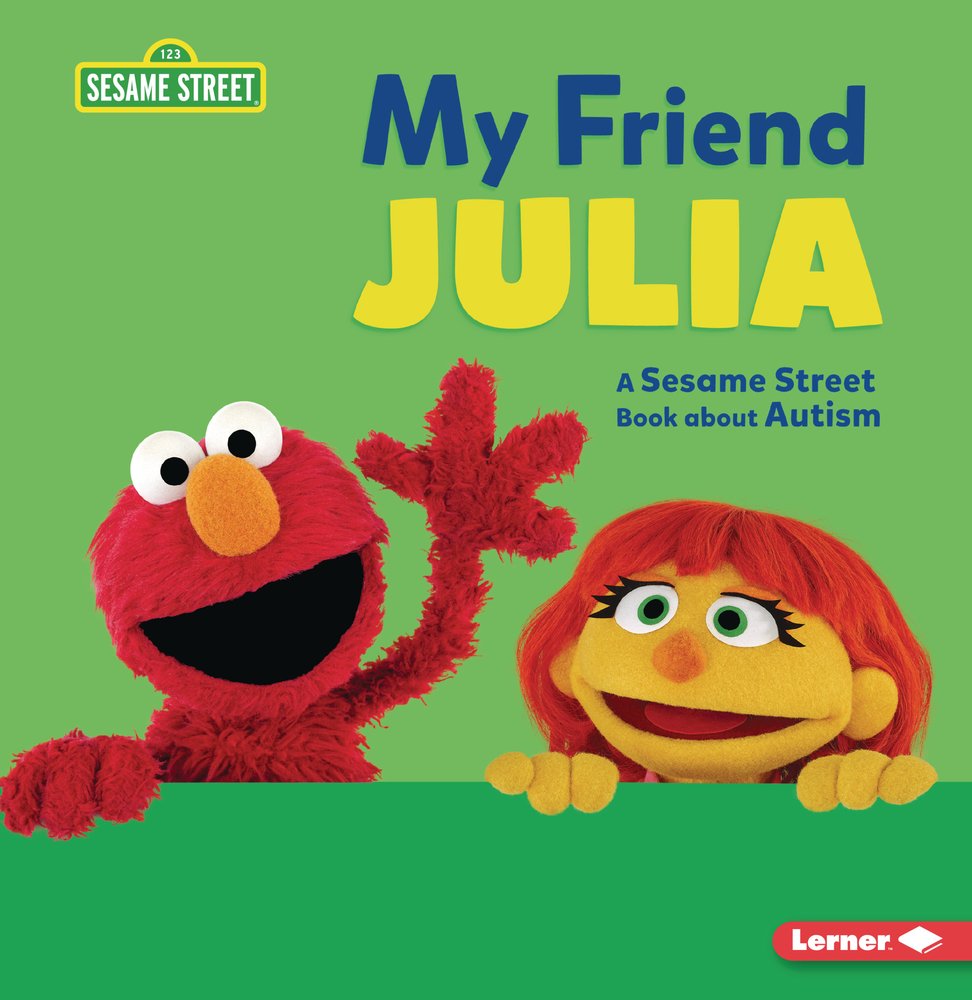
This book serves as a bit of a literary introduction to the Sesame Street character, Julia. Through the book, we get to learn about the things Julia likes, which are mostly the same as what any child likes. She likes art with Elmo, building with Ernie, and she likes her bunny, flapping, and her headphones.
Leave it to Sesame Street to give us a book filled with love, acceptance, and advocacy. Children with autism will see themselves in Julia, while all children can see how even though we’re all different, we can get through anything by being a good friend.
Books for Young Elementary Readers
With an ever-expanding mind, elementary readers are naturally curious. Whether they know someone at school who may act differently than their peers or are freshly diagnosed, these stories address these topics and can help ease their questions. The following books would enrich any home library or classroom shelf, supporting both engagement and understanding.
Gina Kaminski Saves the Wolf by Craig Barr-Green, illustrated by Francis Martin
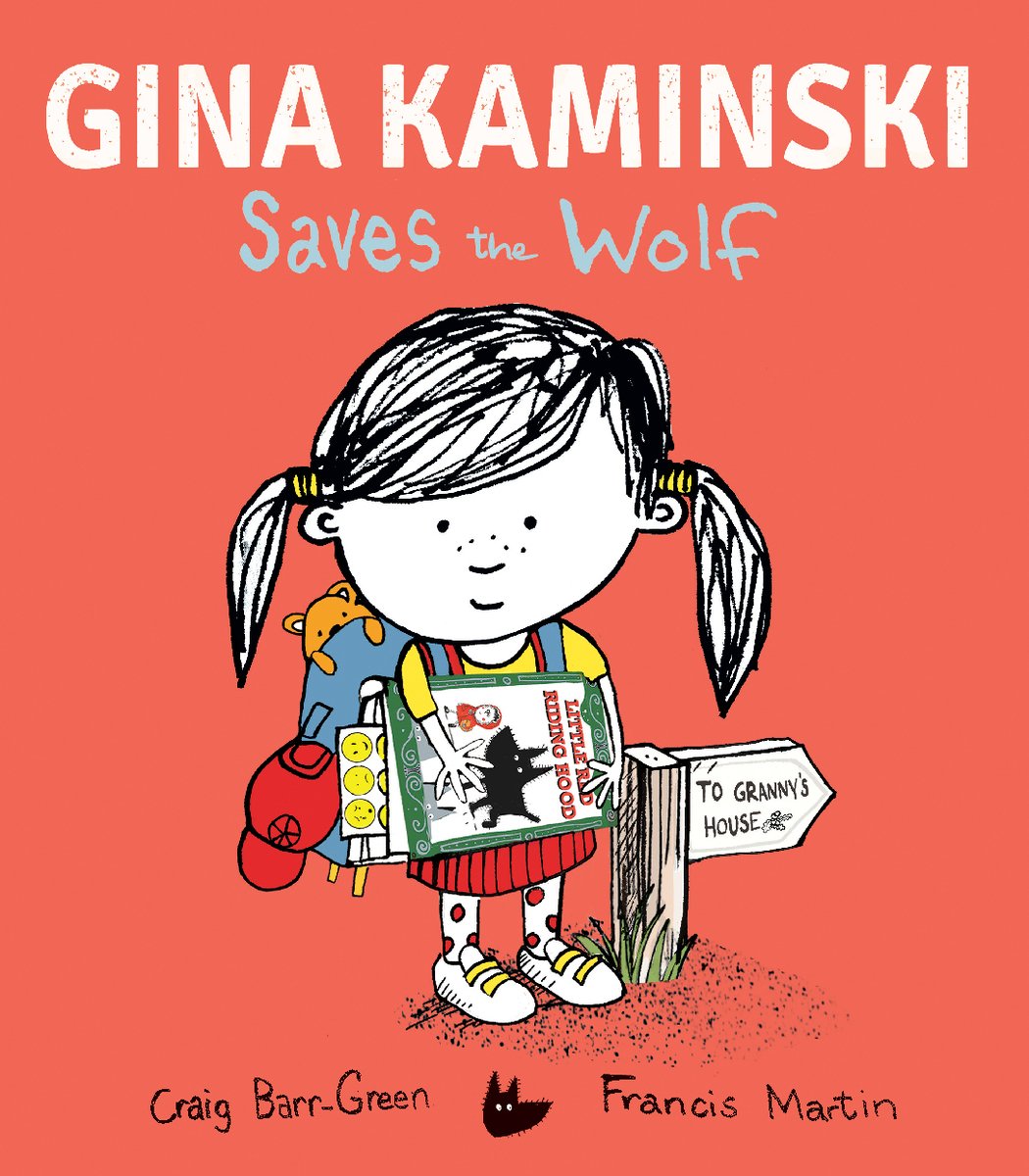
In this imaginative story, we see Gina having a bad day at school. Things are too loud, too hot, and too smelly. When she goes to the reading room, Gina’s teacher picks out Little Red Riding Hood. The rest is an enchantingly illustrated exploration into Fairytale land to fix the story and save the wolf.
Using a feelings chart was a great way to incorporate Gina’s support system while maintaining her storyline. Emojis are integrated in a way that children will find fun and engaging. Overall, I thought this one was a fun, affirming story that challenged traditional narratives and celebrated the individual strengths of children with autism.
Today My Brain Is a Dinosaur by Kyla and Jedidiah Mora, illustrated by Mette Engell
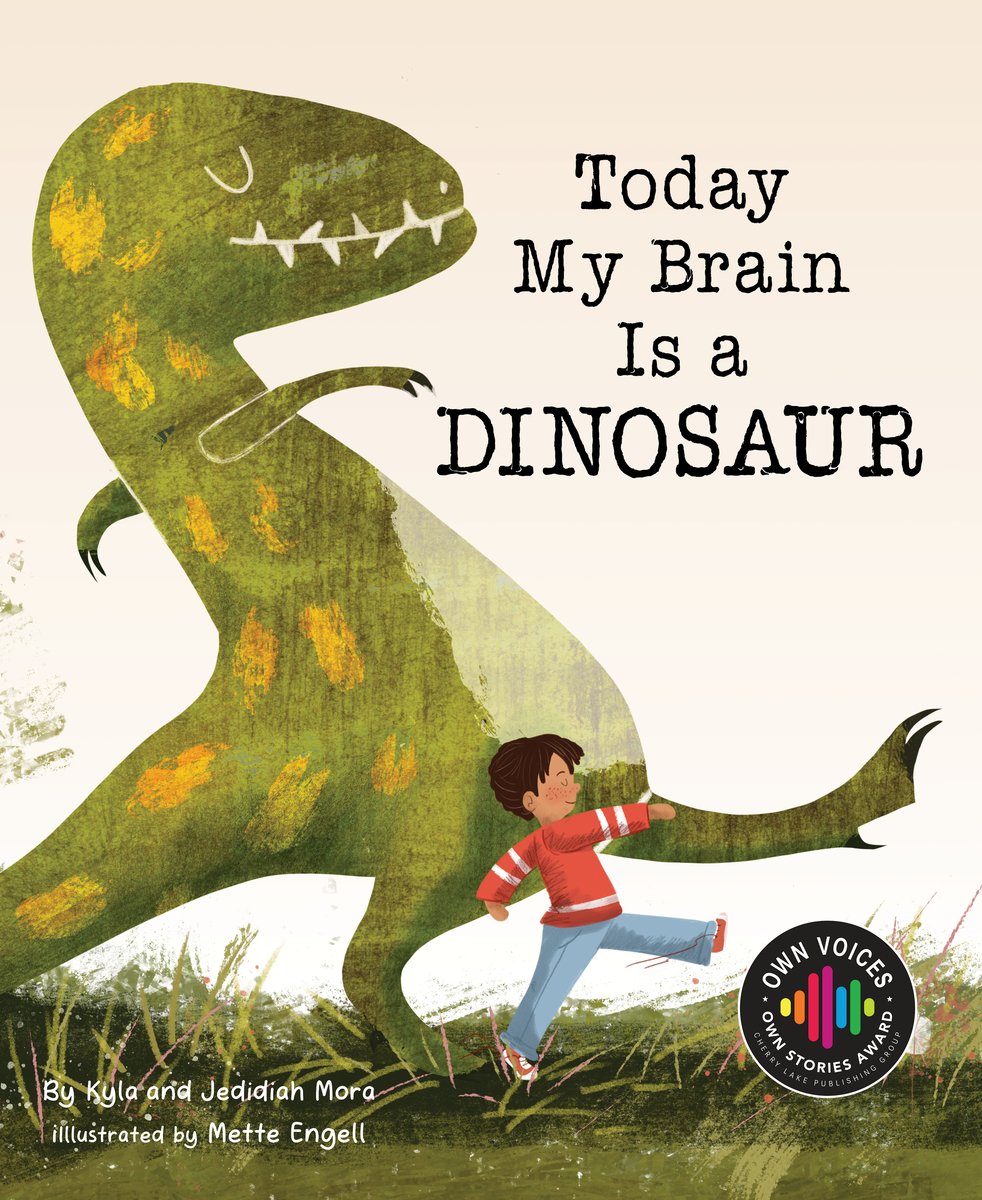
Jedidiah wishes he could be like everyone else. But some days his brain tells him to be a raging bull or a rampaging dinosaur. During the story, Jedidiah is starting to lose himself to waves of emotions. His family comes to save the day – dressed as pirates – calling for him to “climb aboard.”
An enlightening story, readers everywhere love this action-packed story filled with gorgeous illustrations. As someone with autism and sensory issues, Jedidiah learns how he can redirect his energy elsewhere, and that’s something kids of all neurotypes can learn about.
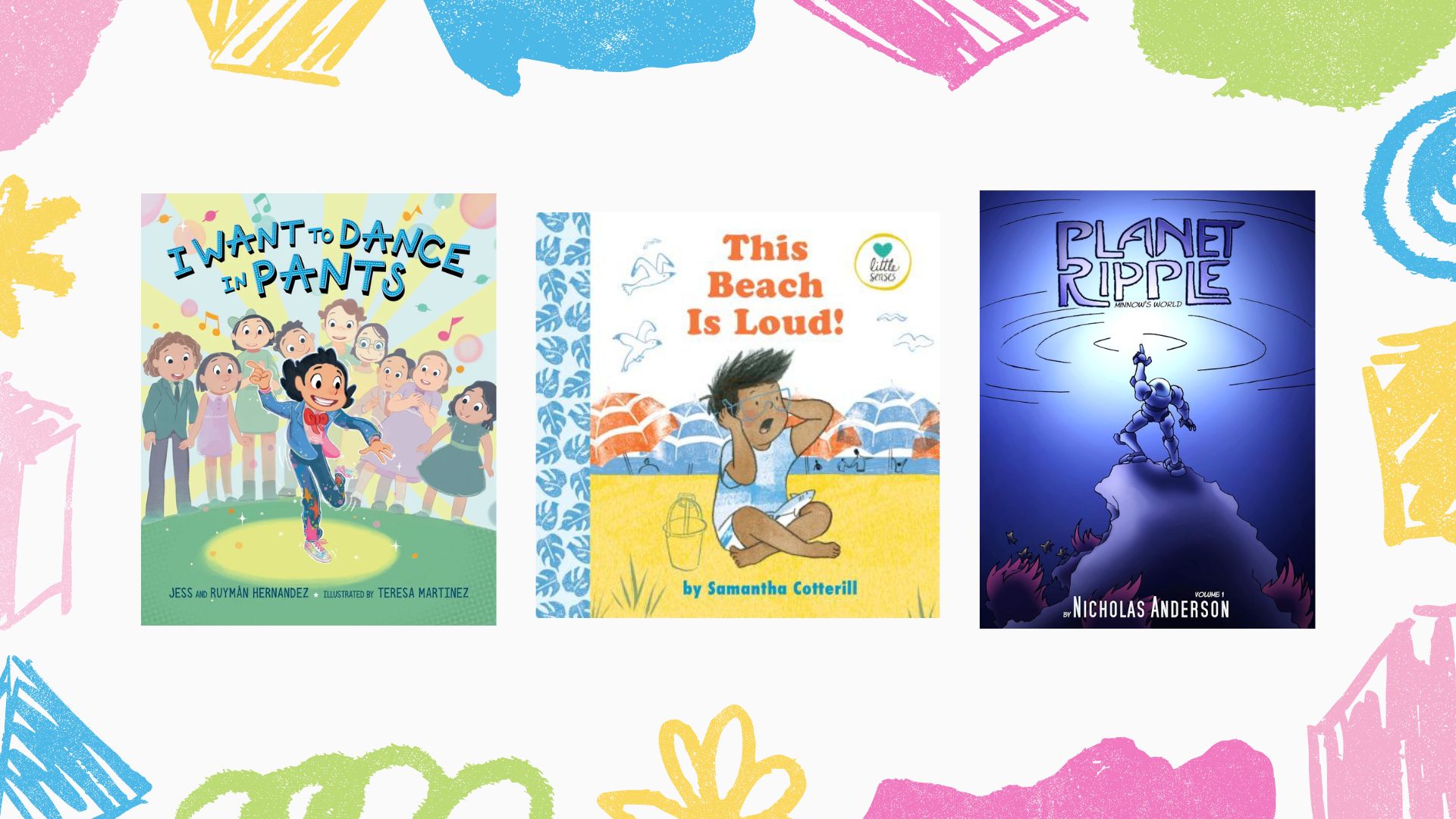
I Want to Dance in Pants by Jess Hernandez and Ruymán Hernandez, illustrated by Teresa Martinez
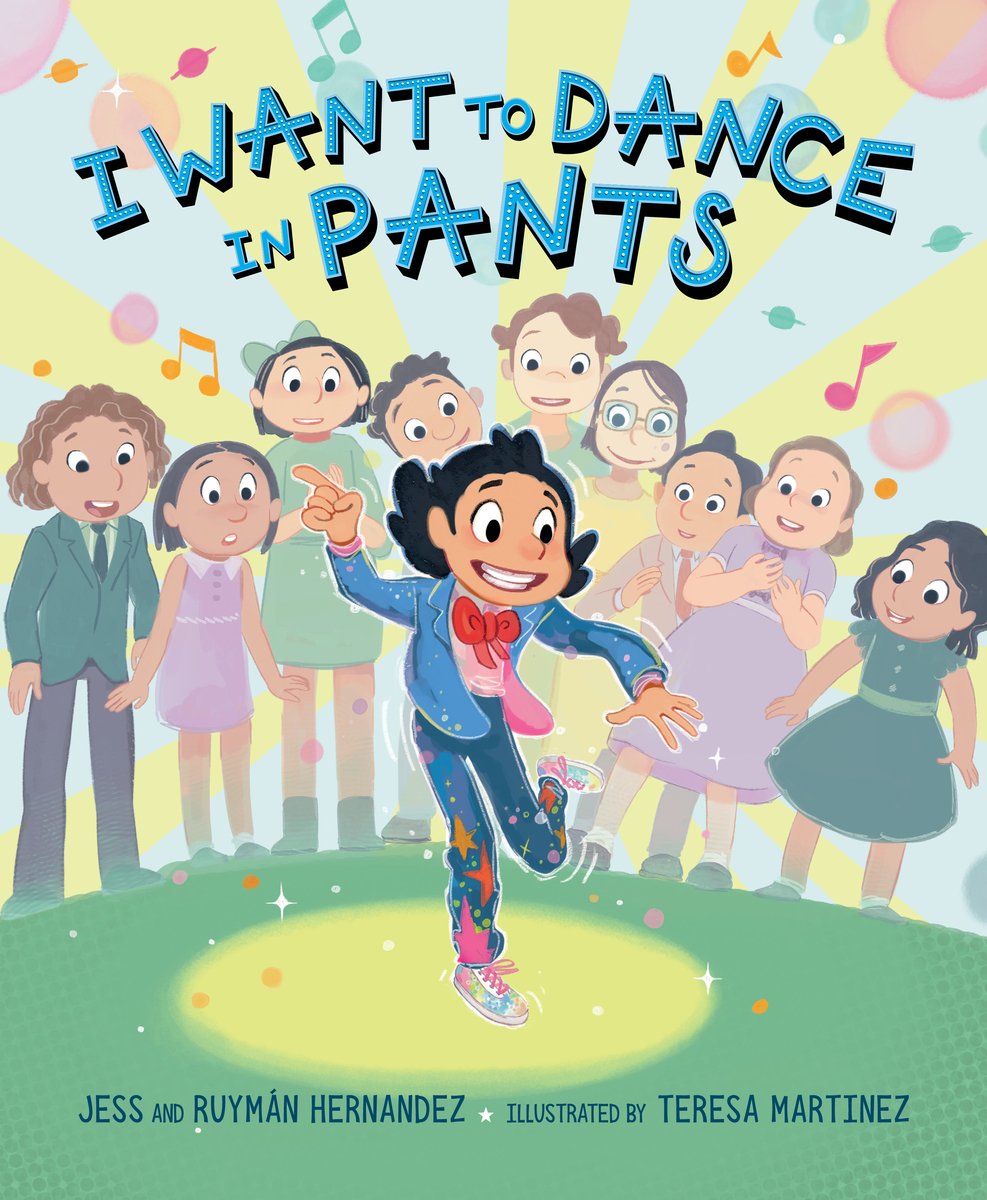
Ava does not like dresses – they poke, pinch, squish, and squash. Ava has been invited to a quinceañera and is taken dress shopping. When she finds a sparkly tuxedo to wear instead, and despite her mother’s warnings that other girls will not be wearing dresses, she has made up her mind!
Confirmed by the author as an autism-coded character, Ava displays sensory sensitivities in wearing dresses. The colorful illustrations are sure to get kids interested as they learn about doing what makes them feel best, even if it goes against societal norms.
All Brains Are Wonderful by Scott Evans, illustrated by The Boy Fitz Hammond

Taking a scientific approach to the acceptance of all types of brains is great for children to grasp some more complex ideas. It’s divided into three sections: Science, Society, and Taking Action. Filled with definitions for scientific vocabulary, there’s also a passage discussing misinformation and ensuring the information you hear is coming from reliable sources.
There’s even a section about choosing the language around identity – I have autism or I am autistic – bringing to light person-first language. This nonfiction book is so wonderfully illustrated that kids everywhere will love it. For that ever-expanding mind, All Brains Are Wonderful is a fantastic choice for any school library or home collection.
The Unlikely Heroes Club by Kate Foster
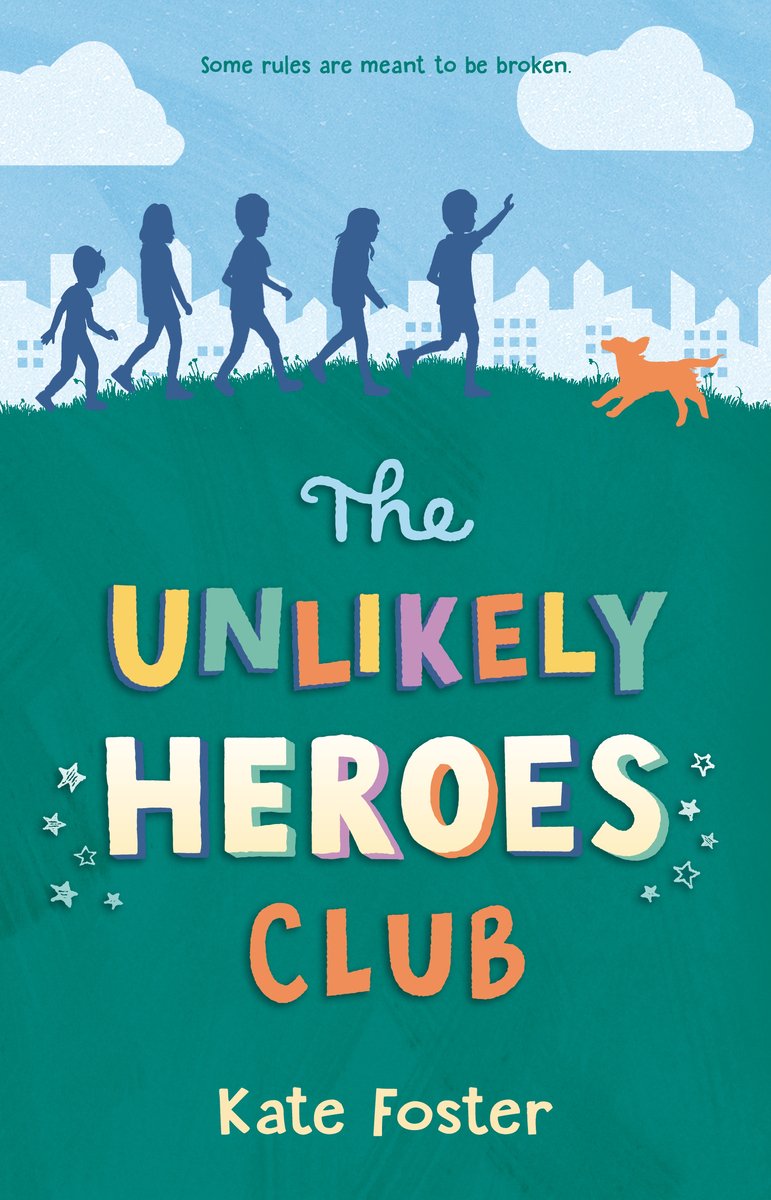
In a story about dog-loving kids, The Unlikely Heroes Club tells the story of 11-year-old Ollie. After his parents enroll him in the Heroes Club at school, a group for kids with autism, they notice a stray dog that keeps darting across the street and disappearing into a soon-to-be-demolished building. When the adults won’t listen, Ollie and his newfound friends devise a plan to rescue the dog.
This book does a great job of showcasing skills for the children in the Heroes Club to utilize instead of masking their autism. It’s informative enough that a reader could practice these lessons without making the reader feel like they’re being forced to learn. In this lovable story, we’re reminded of the importance of finding our unique strengths.
Books Intended for Middle-Grade Readers
Children often get diagnosed around middle school age. Hurdles such as high-masking individuals, changes in diagnostic criteria, the development of coping strategies, and access to medical care can frequently inhibit families from seeking a diagnosis earlier in life. These relatable stories are the perfect tool. Reading can help us introduce neurodiverse young readers to characters that help them feel less alone or have more empathy for someone we know at school.
Trigger Warning: The following books discuss ableism, bullying, and racism that may be triggering for some readers. Please read the warnings before purchasing.
Planet Earth Is Blue by Nicole Panteleakos
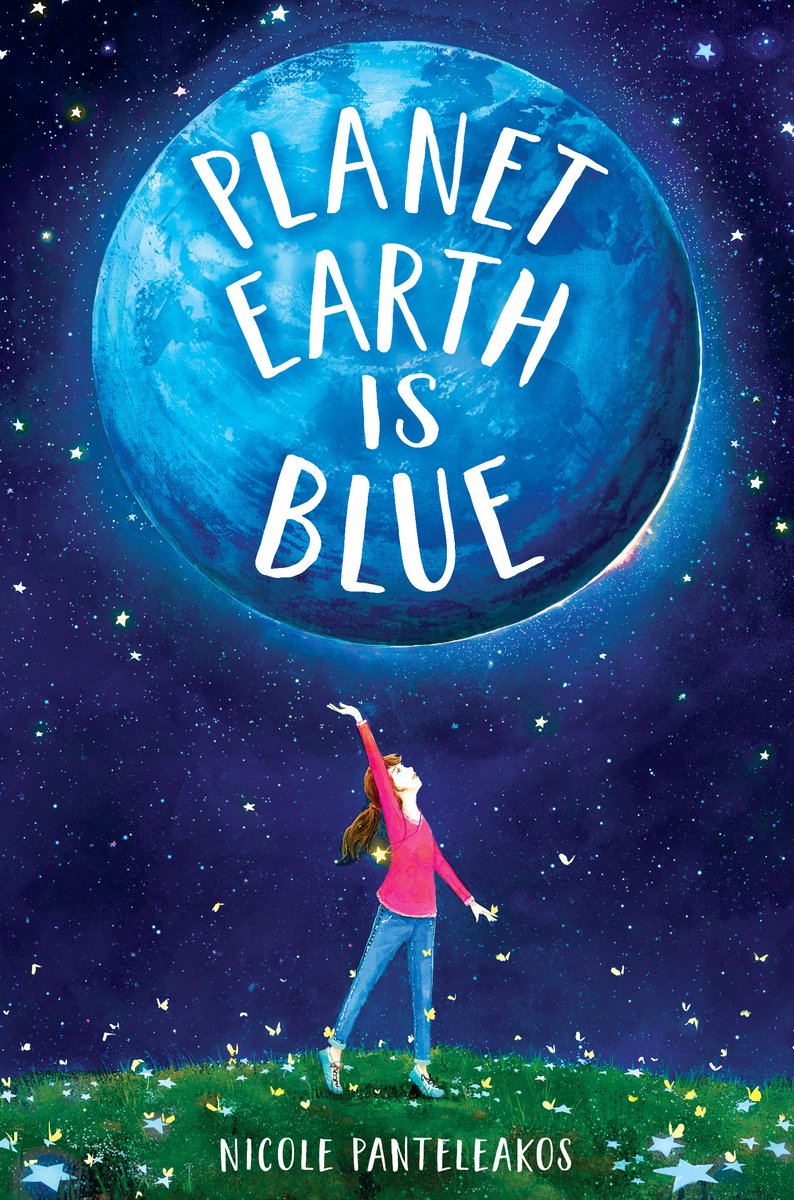
Nova is eagerly awaiting the launch of the space shuttle Challenger. As she counts down the days, she writes letters to her sister, Bridget, who has said she will be there to watch the launch. Moving through foster homes, the pair of sisters navigate their lives in 1986 when nonverbal autism was not as well understood.
Each one of the characters portrayed in Nova’s special education class is written with compassion, care, and positivity. Their disabilities are portrayed no more inconvenient than any physical trait. It is simply another aspect of who we are. Written with compassion and care, there is little about this book that won’t captivate readers from all walks of life.
Get a Grip, Vivy Cohen! by Sarah Kapit
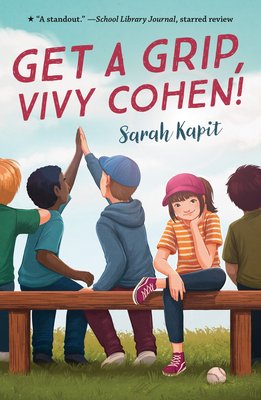
Vivy Cohen won’t let autism stop her from playing baseball. In this epistolary, we see the main character write a letter to her idol, VJ Capello, lamenting her mother’s protectiveness and desire to play baseball, despite being a girl. Then, two amazing things happen: Vivy meets a Little League coach who invites her to play, and VJ starts writing back.
Through the special interest deep dive of our main character, readers will love sharing the joy, frustration, and sadness Vivy feels. The letters and emails allow Vivy to articulate in ways that she is unable to do verbally. As charming as it is relatable, Vivy shows us that we can overcome our differences when we work as a team.
Anything But Typical by Nora Raleigh Baskin
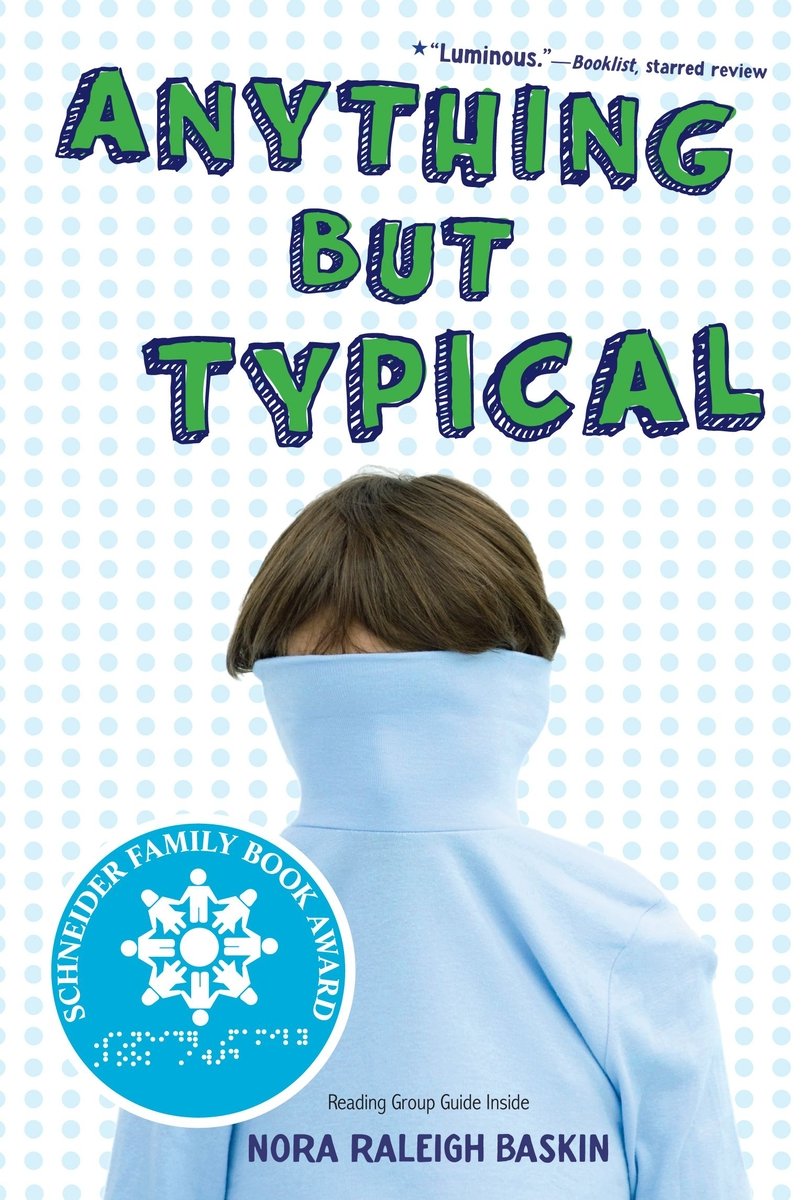
Jason Blake is a 12-year-old living in a neurotypical world. It is only a matter of time before one of his classmates makes fun of him or reacts negatively to something he does or says. His only solace is an online storyboard where he makes a friend. As they prepare to meet at a convention, Jason worries that Rebecca will not be able to overlook his autism.
Neurodivergence shines in this timeless tale about struggling to fit in. We can see Jason learn that, as much as you try to be typical, the stress that comes with trying to fit in can oftentimes make things worse. Anything But Typical is a great story for anyone who feels like they might not fit the “standard” of today’s neurotypical world and finds solace in Jason’s character.
Planet Ripple: Minnow’s World by Nicholas Anderson

The first in a series, we are introduced to Minnow, a girl on the autism spectrum who takes advantage of prosthetic limbs. In this science fiction graphic novel, we get to see a rich post-apocalyptic flooded world filled with cyborg pirates and merfolk.
Through it all, Minnow’s strength shines as she battles oppression while confronting her own physical and mental challenges. In, albeit a graphic novel at the far end of our middle-grade range, stories like these are important to positively represent those with autism, and also so that people without autism can understand them more.
Autism is a spectrum, which means no single experience on this rock we call Earth will be identical. As the saying goes, once you’ve met one person with autism, you’ve met one person with autism. While no one book could encompass the whole of the autistic experience, we can all use more knowledge and compassion surrounding neurodiversity. If you need to fill a classroom library with more inclusive books to read or want to teach your children about the many ways humans can be different in relatable media, I hope you have found some good choices in this comprehensive list. With books like these, the world can become a better place.
For more explanatory reads, check out 7 Awesome Children’s Books That Explain Autism Well.
Find these books and more on our Mindscapes: Diverse Narratives of Neurodiversity in Literature Bookshelf on Bookshop.org!