







Trigger warning: These books explore themes including child abuse, suicide, slavery, racism, incest, sexual assault, drug misuse, and ethnic cleansing, which may be sensitive to some readers.
If I could keep only one decade on my bookshelf, honestly, the ‘70s would be a strong contender. This era saw sci-fi bloom, with titles like The Hitchhiker’s Guide To the Galaxy and The Dispossessed weaving their way into the canon. Any number of space exploration or speculative sci-fi titles probably come to mind as you read this. Afrofuturism, ecological dystopia, and feminist sci-fi, perhaps not so much — but the sci-fi boom of the ’70s planted a literary breeding ground for a range of emerging subgenres. Sci-fi aside, the ‘70s also saw the rise of names like Gore Vidal and Kingsley Amis. But did you know that these authors also wrote revisionist historical and counterfactual fiction?
Fifty years later — and counting — these ten masterpieces deserve a second look.
The Bluest Eye by Toni Morrison, 1970
Toni Morrison was the first Black woman to win the Nobel Prize in Literature. Her books Song of Solomon and Beloved won the National Book Critics Circle Award and the Pulitzer Prize for Fiction. Why, then, did The Bluest Eye slip under the radar when it came to literary recognition?
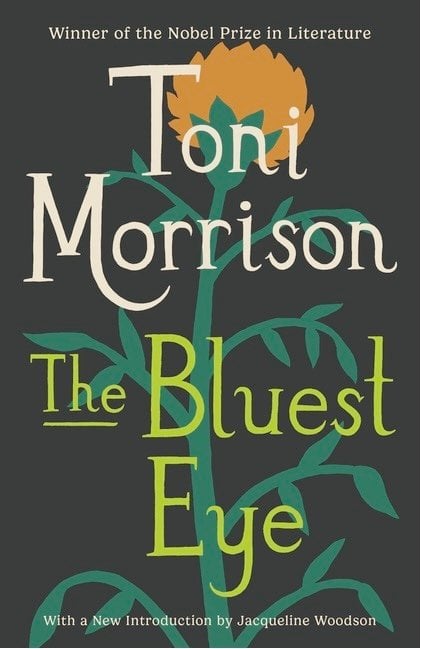
Set in her Ohio hometown, The Bluest Eye is Toni Morrison’s first novel — and quite possibly her most discussed. 11-year-old Pecola comes from a broken home, and longs to look like the White children around her. If she has “the bluest eyes”, she thinks, then she will finally be loved and respected. The truth is, The Bluest Eye is as shocking now as when it was first published. It deals with the full weight of incest, domestic abuse and child pregnancy, and forms a chilling critique against the racist beauty standards American children find from their first schoolbooks. Today, Goodreads ranks it as the #1 bestseller from 1970.
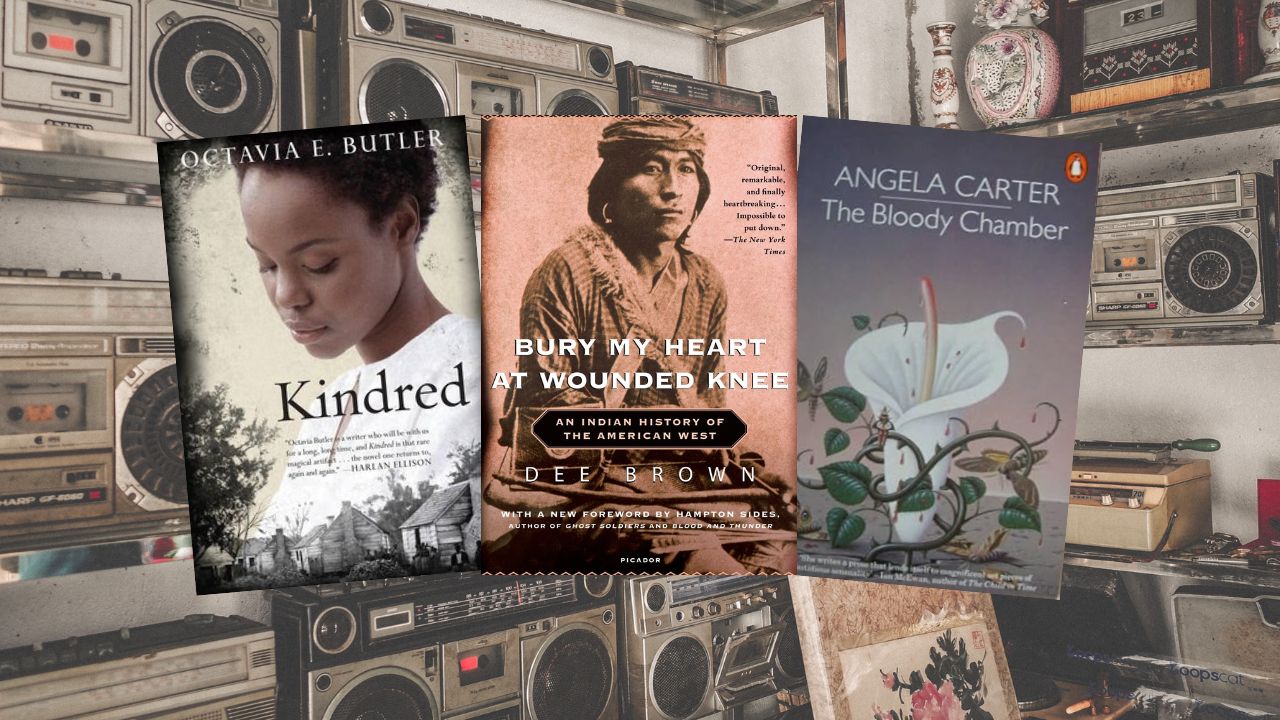
Bury My Heart at Wounded Knee: An Indian History of the American West by Dee Brown, 1970
Bury My Heart At Wounded Knee is a history lesson in setting the record straight. It made its way onto American bookshelves in 1970, at a time of gradually increasing American Indian activism — three years after the American Indian Movement — and its lessons are just as vital today.
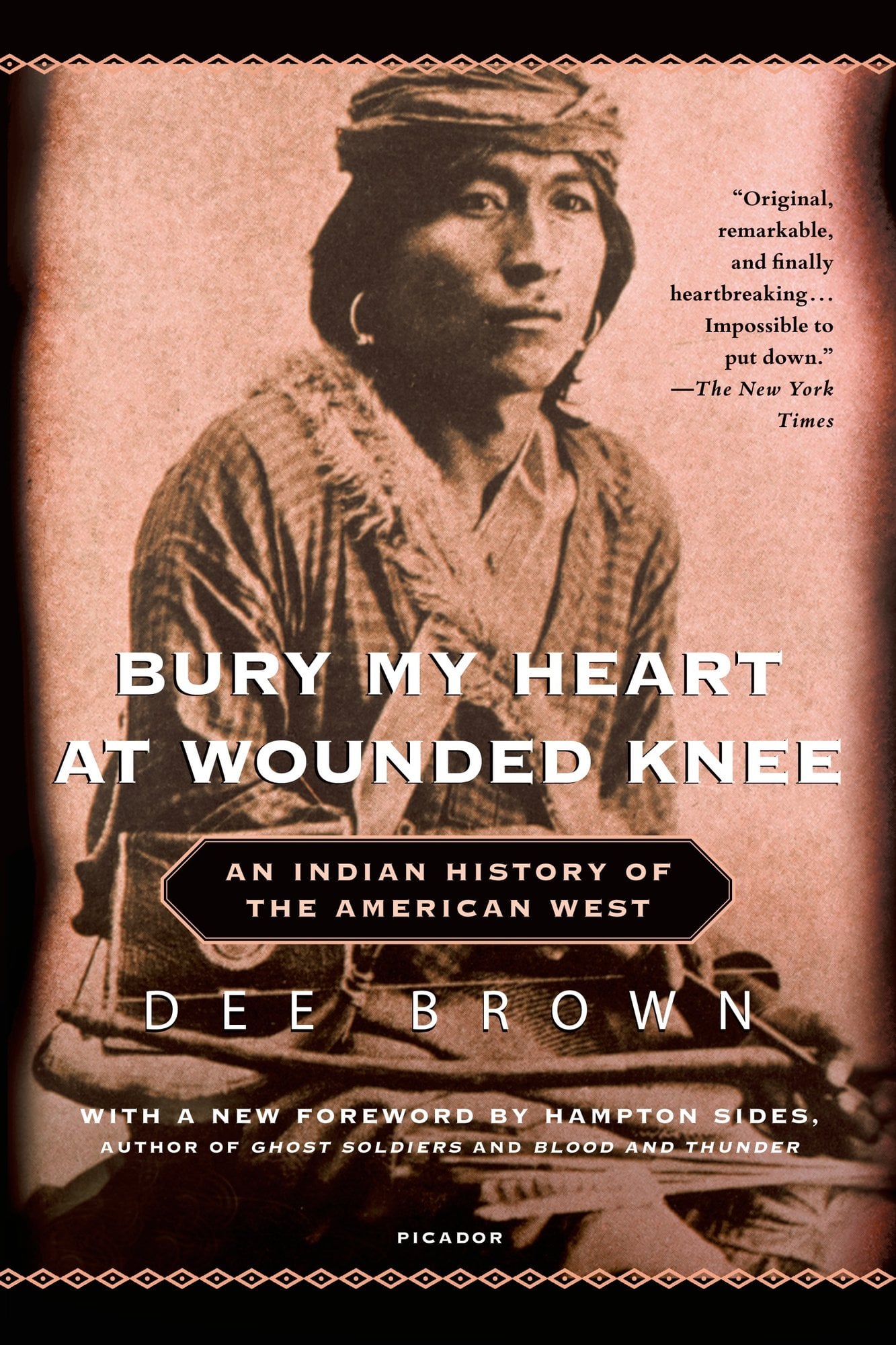
Dee Brown’s title comes from Stephen Vincent Benét’s book-length poem American Names — “I shall not be there. I shall rise and pass. Bury my heart at Wounded Knee”. It’s an account of loss, brutality and ethnic cleansing at the hands of the European settlers, walking readers from the Long Walk of the Navajo to the massacre of Sioux people at Wounded Knee in 1890. Unlike many schoolbooks 1970s readers had grown up with, Brown (though not Native himself) relays history from a Native-centred perspective. “This is not a cheerful book,” Brown warns readers. Instead, it reminds us never to forget.
The Lathe of Heaven by Ursula K. Le Guin, 1971
One of my personal all-time favorites is by Ursula K. Le Guin. And it’s not A Wizard of Earthsea or The Dispossessed.
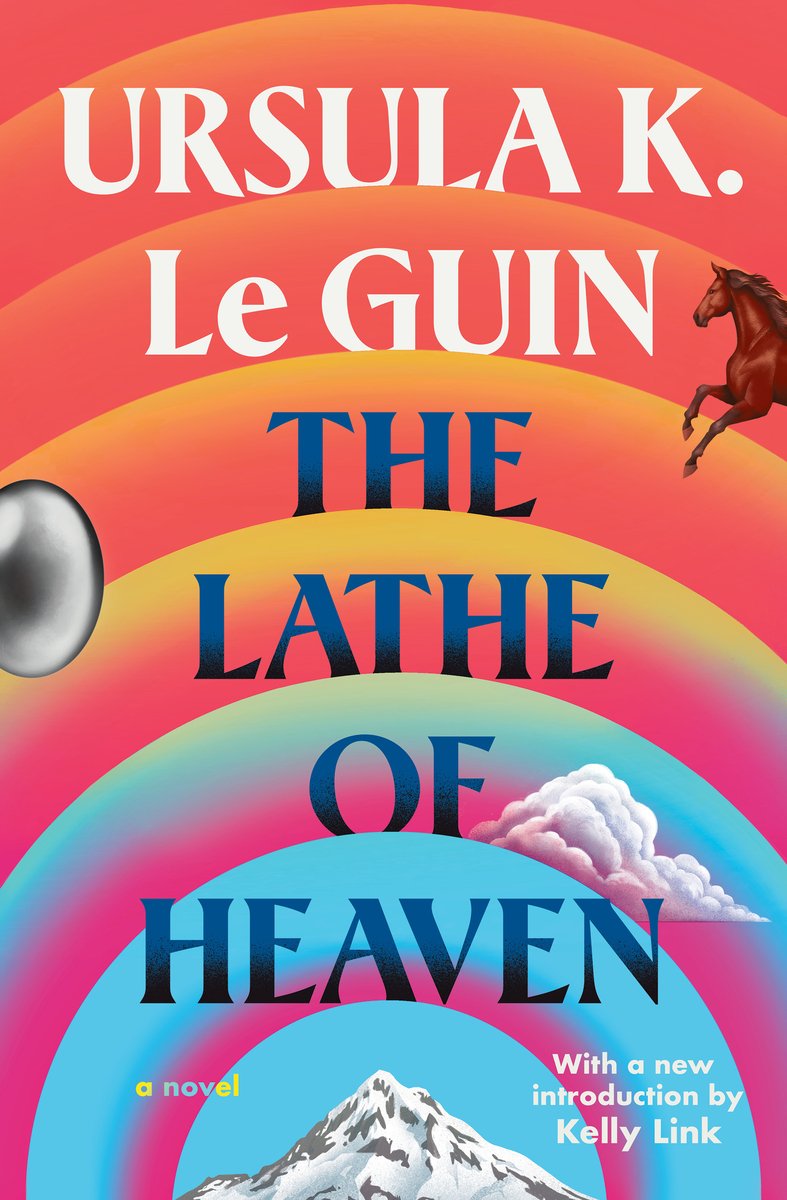
The Lathe of Heaven takes its title from Chuang Tzu’s Taoist writings. We meet protagonist George Orr as a patient battling severe, self-induced insomnia and psychological distress, exacerbated by his reliance on anti-dreaming medications. He’s just been referred to Dr. Haber, a dream psychiatrist, or oneirologist (yes, those are real). George has a unique problem: his dreams have the unconscious power to alter not only what is, but what was. And it’s been causing untameable chaos — thanks to his internalized resentment, he’s quite literally dreamed away a family member. Dr. Haber toys with his new patient’s god-like abilities, feeding him “suggested dream” prompts in an attempt to better the world on his own terms. But as the prompts begin to backfire, he soon realizes that nobody is safe.
In the Ditch by Buchi Emecheta, 1972
In the Ditch is Nigerian-born author Buchi Emecheta’s semi-autobiographical debut novel, and a work she described as her “sixth child”. Over 50 years later, it made its name as a Penguin Modern Classic.
Emecheta’s novel follows Adah, a single mother raising five children in a run-down London flat. After her husband leaves her for Nigeria, she’s left to depend on state welfare, tackling double jobs to keep afloat. As we see with so many immigrant narratives, Adah’s new country is not the haven she had in mind. Despite its — at times — bleakly realistic observations of abandonment and council estate life, In the Ditch has been hailed by The Guardian as “the surprisingly uplifting one” of the author’s books. Emecheta sweetens the sorrows of her tale with more than a pinch of wry humor.
Burr by Gore Vidal, 1973
With many of us shamelessly owing our knowledge of the Founding Fathers to Hamilton — Aaron Burr, sir — this book is probably best appreciated today more than ever.
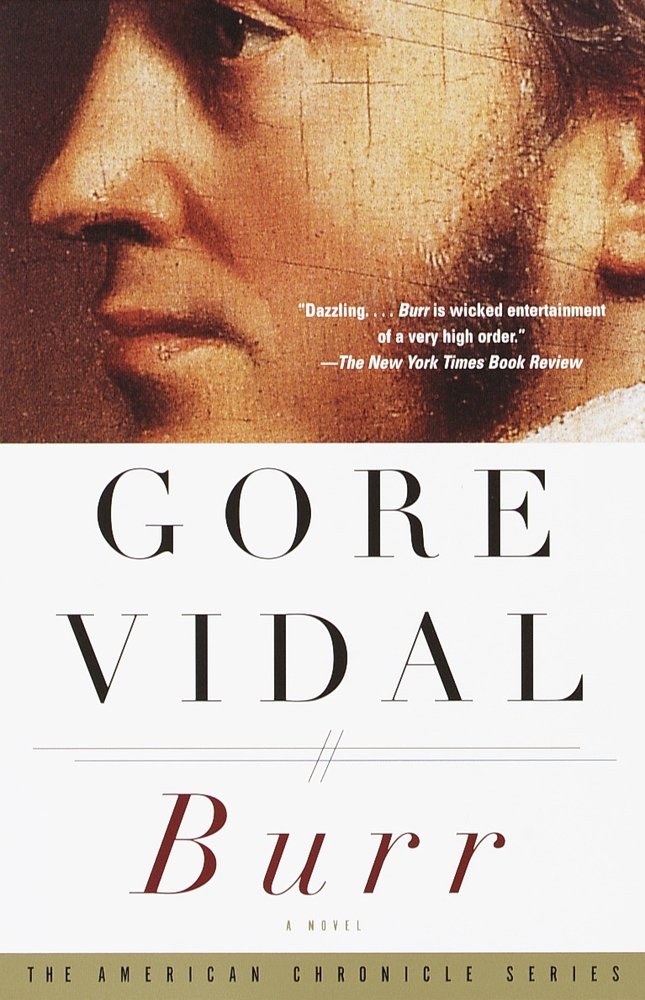
Burr is the first in the Narratives of Empire series by political commentator and satirical writer Gore Vidal. In his account of Aaron Burr’s rise to power, act of homicide and subsequent vilification, the anti-hero is complex, understated, and honorable at heart. It’s Alexander Hamilton, and Mount Rushmore icons George Washington and Thomas Jefferson, who are either overly ambitious, hypocritical or downright incompetent. Burr tells an unapologetic revisionist history that turns the one-dimensionality of taught American history on its head.
The Female Man by Joanna Russ, 1975
The Female Man arrived in an age when female sci-fi writers were scarce, and feminist sci-fi was scarcer. It follows the lives of four women who are genetically the same, but whose realities are starkly different.

Joanna — who shares more than a passing similarity to her author — lives in 1970s Earth. Jeannine is in an alternate New York, where the Great Depression never ended, and World War II never happened. There have been no major feminist movements, and women here are encouraged to live restricted, domestic lives. So far, so familiar.
Then there’s Janet and Jael. We find Janet in Whileaway, a futuristic, all-female utopia where men have been wiped out by a sex-specific plague (or so they say). There’s no sexual assault or murder, and children are free to play naked (interestingly, however, women often settle disputes with a duel to the death). And finally, there’s Jael’s dystopian Womanland, where men and women have lived separately for 40 years in a literal battle of the sexes. Russ’ implication that a woman must become a “female man” in order to be respected is one which has, and perhaps always will, spark debate amongst her readers.
The Alteration by Kingsley Amis, 1976
Kingsley Amis is perhaps best known for Lucky Jim. But if you’ve never read a great piece of reality-warping counterfactual fiction, The Alteration is the place to start.

It’s mid-1970s England. William V has just taken the throne, the rule of the Catholic church is absolute, and the Protestant Reformation never happened. In this alt-reality, we learn, the radical 16th century reformer Martin Luther made up with the Roman Catholic church; in fact, he served as Pope. And there are a number of other “alterations” in this Anglo-centric timeline. Ireland is known as “West-England”, Scotland as “North-England”. Rudyard Kipling held office, and Edgar Allan Poe was a celebrated general. Oh, and electricity is banned. Since its 1976 publication, The Alteration has been succeeded by several equally history-bending counterfactual stories which ask what if?, including Robert Harris’ Fatherland, Philip Roth’s The Plot Against America, and Amis’ own 1941/A.
Where Late the Sweet Birds Sang by Kate Wilhelm, 1976
Where Late the Sweet Birds Sang takes its name from Shakespeare’s Sonnet 73. It’s a haunting vision of post-apocalyptic civilization, which raises question upon question around the durability of human nature.
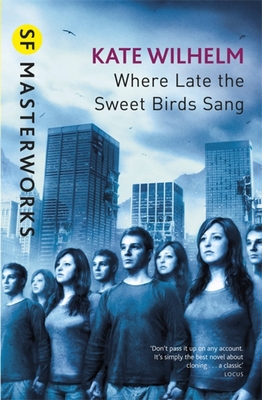
Only a scattering of human life remains on Earth in the wake of its devastating environmental decline. Pollution and disease run rampant. But that’s not the worst of it. As the surviving families soon learn, humanity has become infertile. And the only way to reverse it, they decide, is by cloning themselves. The next generation of clones becomes so close-knit that they develop a severe form of separation anxiety. It’s only when one clone is isolated that she regains a “traditional” sense of individuality.
Kate Wilhelm’s dystopia examines human values, and their ability to change. But its climate warnings are only getting more poignant. Where Late the Sweet Birds Sang warns modern-day readers to look after our planet — while we still can.
Kindred by Octavia Butler, 1979
If you thought that female sci-fi writers were rare, recognized female African American sci-fi writers were even rarer. Octavia Butler released her science-fiction-meets-slave-narrative novel in 1979. Over forty years later, it’s become a TV drama.

Kindred is one of the earliest examples of Afrofuturism — a genre exploring the intersection between sci-fi and racial justice (think Black Panther). In fact, Kindred fused time travel with the legacy of slavery before “Afrofuturism” had been coined at all. Dana, a writer in 1970s LA, finds herself repeatedly and unwillingly hoisted back to an early 19th-century plantation, where she meets her enslaved ancestors. Her brushes with the lawless slave owners become more and more life-threatening — will she die before she can ever have lived?
The Bloody Chamber (collection) by Angela Carter, 1979
Angela Carter’s dark and sensual reimaginings of the cosy fairytales we grew up with causes as many shock waves now as it did in 1979. Nonetheless, it’s the dark palette she writes with that lures so many readers in.

In her short story collection, Carter “mines the content of traditional fairy stories to create something new and exotic, hybrid tales of the voluptuous and the snarling, glittering portraits of desire and perverse sexuality”. So claims the LA Times, and so claim many after reading Carter’s subversive recreations of Little Red Riding Hood (Wolf Alice), Snow White (The Snow Child) and Beauty and the Beast (The Tiger’s Bride). Even today, the content of Carter’s stories are a source of critical scrutiny and debate amongst its feminist reader base (Ayman Sabir’s article unpacks this).
As it turns out, many of these ‘70s titles are just as — if not more — poignant today as they were 50 years ago. In an age when American Indian activism, racial justice and climate change are as topical as ever, these recommendations can teach us as much about our present as the past.
For the most popular book of each year in the ’70s (and to spot which title we have in common) read Kaitlyn Gardineer’s article here.
For more timeless reads, check out Bookstr’s classics recommendations at our Bookshop.