













There’s something deliciously rebellious about choosing kindness in a world that expects cynicism. Like the grumpy yet golden-hearted Ove, who hides profound compassion beneath layers of curmudgeonly complaints, these characters prove that empathy is the most radical act of all. They’re the literary equivalent of punk rockers — refusing to conform, challenging the status quo, and creating change through unexpected tenderness. From cantankerous feminists to unlikely pilgrims, these ten books demonstrate that true rebellion isn’t about anger; it’s about having the audacity to care.
Florence Gordon by Brian Morton
This book grabbed me by the throat because Florence Gordon is the feminist icon we need — seventy-five years old, brilliantly blunt, and absolutely refusing to perform warmth for anyone’s comfort. What makes her punk rock isn’t just her fierce nonconformity; it’s how her sharp edges can’t quite hide the empathy. Morton proves that tenderness exists beyond sweetness because compassion can manifest through gruff behavior, and an older woman’s refusal to become invisible or conform to societal expectations makes her the most rebellious.
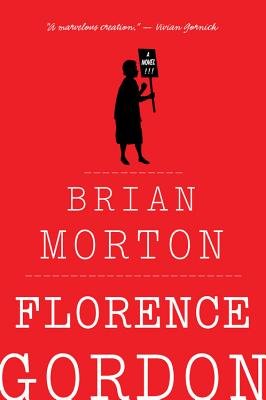
Florence is writing her memoirs in blessed solitude when her family crashes into her carefully constructed world — her son, daughter-in-law, and granddaughter all suddenly needing things from her just when she needs them least. As this feminist intellectual navigates unwanted family dynamics, professional frustrations, and the indignities of aging, she becomes an unlikely study in how love persists even when we’re terrible at showing it. Morton crafts a sophisticated portrait of a woman whose very existence is an act of defiance.
The Unlikely Pilgrimage of Harold Fry by Rachel Joyce
Harold Fry destroyed me in the best way because his rebellion is so quiet it’s deafening. This recently retired, utterly ordinary man becomes punk rock incarnate not through anger but through the radical vulnerability of choosing connection over comfort. Joyce shows us that walking six hundred miles in yachting shoes to save an old friend is the ultimate snub to a society that tells us to stay in our lanes, mind our business, and never make a scene. Every blister Harold gets is a badge of honor, every stranger he meets and changes is proof that small acts of kindness are revolutionary.
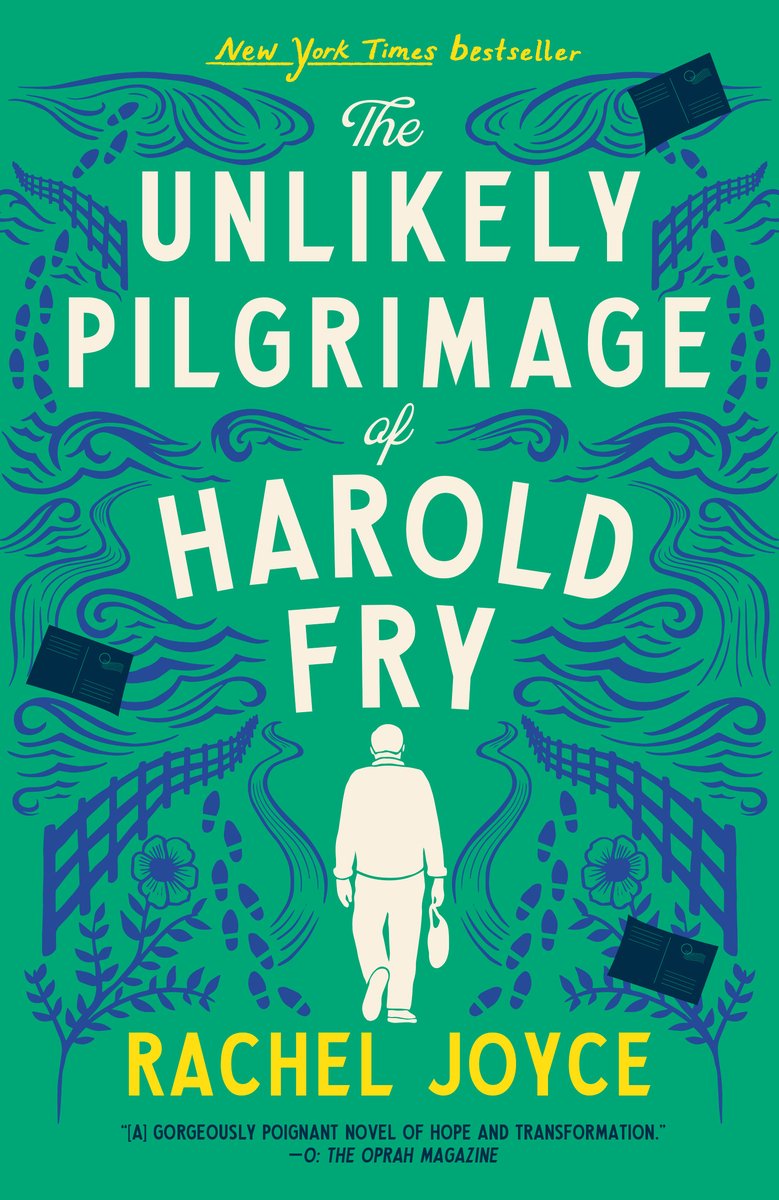
When Harold receives a goodbye letter from Queenie Hennessy, a former colleague dying of cancer, he sets out to post a reply — but keeps walking instead, convinced his journey will keep her alive. The man walks across England without the proper equipment or a plan. He is astonished by the kindness of strangers he meets along the way. Harold’s simple act of showing up transforms not just his own life but ripples outward to touch everyone he meets.
Eleanor Oliphant Is Completely Fine by Gail Honeyman
Eleanor Oliphant made me want to stand up and scream because Honeyman presents emotional vulnerability as the ultimate strength, and I’ve never seen anyone make healing look so beautifully defiant. Eleanor’s journey toward opening her heart is punk rock at its finest — refusing to let past trauma define her future, choosing messy human connection over safe isolation. This book weaponizes empathy, showing us that the strongest form of rebellion is learning to be kind to yourself when the world has taught you that you don’t deserve it. Every small step Eleanor takes toward connection is a revolution against everything that tried to break her.
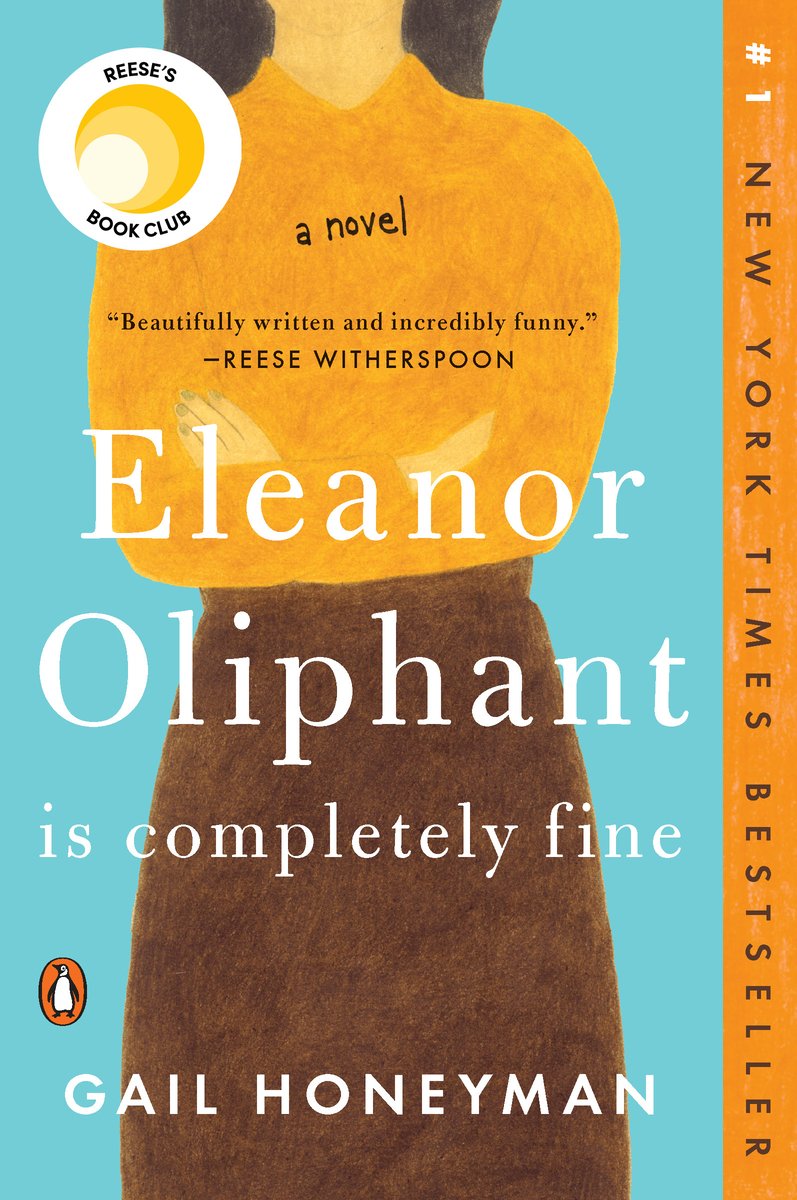
Eleanor lives a regimented, solitary life — same lunch every day, weekly phone calls with Mummy, vodka weekends, and absolutely no variations. But when she and her coworker Raymond save an elderly man who’s collapsed on the sidewalk, her carefully constructed armor begins to crack. As Eleanor slowly learns to navigate friendship, accept help, and confront the darkness in her past, we witness the radical transformation that happens when someone decides they’re worth fighting for.
My Grandmother Asked Me to Tell You She’s Sorry by Fredrik Backman
Backman appears twice on this list because this book made me ugly cry on public transportation, and I’m not even sorry. Seven-year-old Elsa’s grandmother is punk rock personified. She is weird, wonderful, and fiercely loving in ways that embarrass everyone but also save everyone. The letters Granny writes serve as more than narrative tools because they function as emotional explosives that break down the social barriers that separate neighbors who have lived in the same building for many years. This book insists that being aggressively, embarrassingly kind is the most rebellious thing you can do in a world that rewards cynicism.
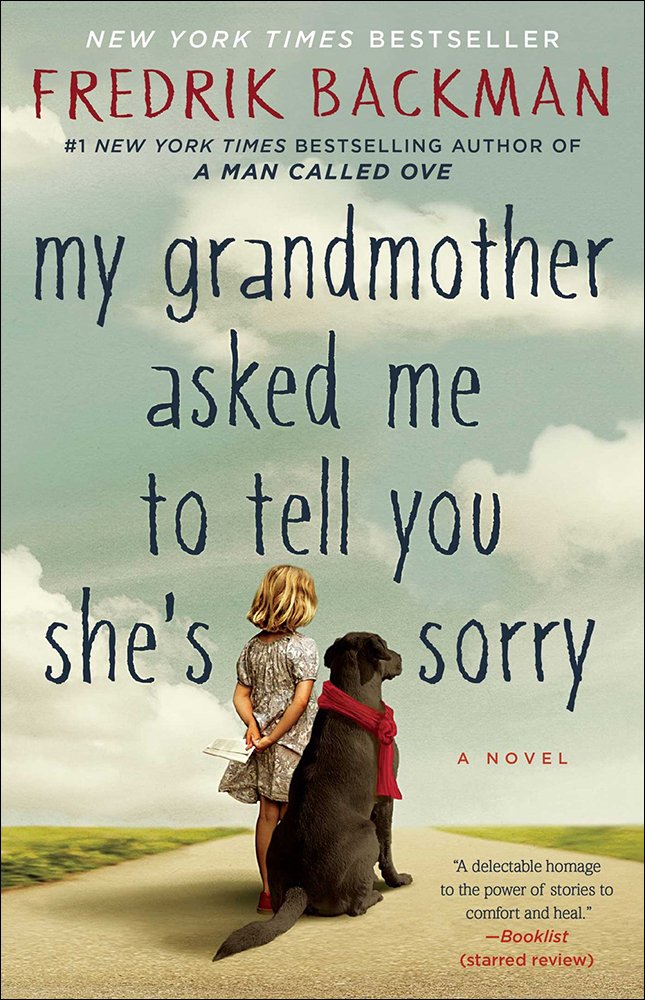
Elsa’s eccentric grandmother is her only friend, her fierce protector, and her gateway to the magical Land of Almost-Awake. When Granny dies, she leaves Elsa a treasure hunt of apology letters to deliver to their neighbors — each one revealing secret acts of kindness that have been binding their community together all along. As Elsa navigates grief, bullies, and the complicated adults around her, she learns that her grandmother’s greatest gift wasn’t the fairy tales but the lesson that healing happens when we dare to connect across our differences.
Moxie by Jennifer Mathieu
This book set my heart on fire because Mathieu makes the connection between punk rock and kindness explosively and unavoidably clear. Vivian isn’t just angry; she’s weaponizing empathy and turning care into a revolutionary force. Every photocopied page becomes a Molotov cocktail of compassion, every act of solidarity between girls proves that giving a damn about each other is the most radical thing teenagers can do. Mathieu shows us that collective kindness — girls having each other’s backs in hallways and classrooms — is more dangerous to the status quo than any individual act of rebellion.

Fed up with sexist dress codes, hallway harassment, and an administration that protects the football team at all costs, Vivian Carter takes a page from her mom’s Riot Grrrl past and creates an anonymous feminist zine. What starts as one girl blowing off steam becomes a movement as other girls respond, forming friendships across clique divides and popularity rankings. As the Moxie revolution grows, Vivian discovers that caring enough to protect each other can bring down entire systems.
The Care and Feeding of Ravenously Hungry Girls by Anissa Gray
Gray’s debut knocked the wind out of me because she shows how choosing radical compassion over comfortable distance is the hardest, most defiant thing a fractured family can do. In a world that thrives on Black families staying broken, the Butler sisters’ messy, imperfect attempts at forgiveness become acts of resistance that made me want to call my own siblings immediately. Every meal cooked for resentful nieces, every uncomfortable truth faced, every moment they refuse to abandon each other is revolutionary because the world expects them to fail. This book proves that kindness isn’t soft — it’s the most difficult necessary work we do.
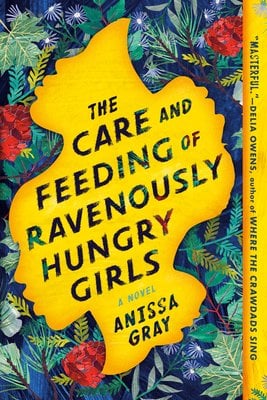
When respected matriarch Althea Butler is imprisoned alongside her husband for financial crimes, her sisters Viola and Lillian must return to their childhood home to care for Althea’s teenage daughters. Forced to confront decades of family wounds they’ve spent years avoiding, the sisters navigate their own struggles — Viola with her eating disorder, Lillian with her marriage — while trying to hold together a family in crisis. Gray reveals how the smallest acts of care become radical when performed by people society has already written off.
The House of Broken Angels by Luis Alberto Urrea
This book made me want to throw my own party loud enough to shake the walls because Urrea presents familial love as an act of political defiance that takes no prisoners. In a country that builds walls against them, the de La Cruz family’s insistence on joy becomes resistance so pure it could power cities. “All we do, mija, is love. Love is the answer. Nothing stops it. Not borders. Not death” — this isn’t sentiment, it’s revolution, and every page pulses with the punk rock energy of people who refuse to be quiet or small. Their radical hospitality, their determination to celebrate while systems try to erase them, proves that for marginalized communities, loving each other loudly is the ultimate rebellion.
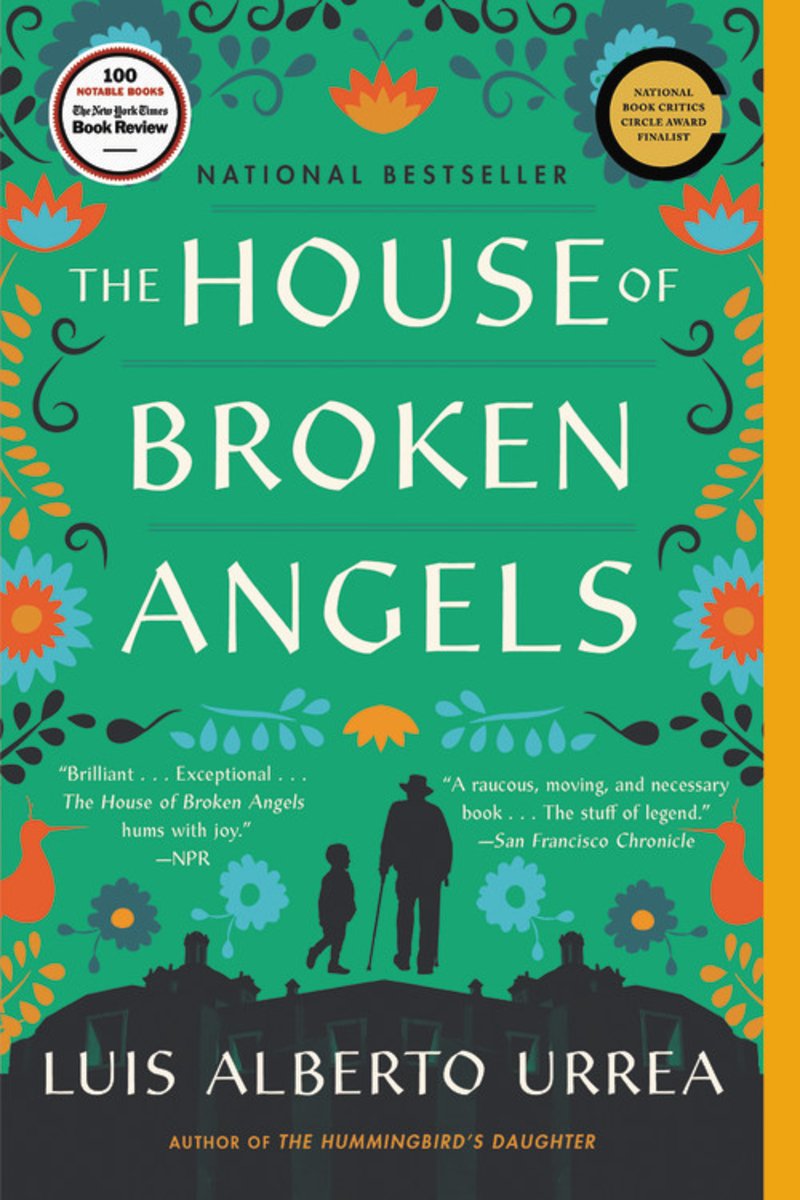
Big Angel de La Cruz is dying, and he summons his sprawling Mexican-American family for one last legendary birthday party. When his nearly hundred-year-old mother dies just before the celebration, the weekend transforms into a farewell doubleheader in their San Diego neighborhood. Across two days of grief, joy, memory, and reckoning, the family’s stories reveal the ordinary and heroic acts that brought them to this fraught and sublime country, with even Big Angel’s half-gringo, half-brother, Little Angel, finding his place in their fierce embrace.
Anxious People by Fredrik Backman
Backman strikes again with a hostage situation that becomes a masterclass in how connection and compassion are the real answers to every crisis we face. This book made me laugh until I cried and then cry until I laughed because it subverts every assumption about who deserves kindness and why we offer it. These anxious idiots (Backman’s words, not mine) trapped in an apartment viewing prove that vulnerability is contagious in the best way. Once one person admits they are struggling, everyone else’s walls begin to crumble.
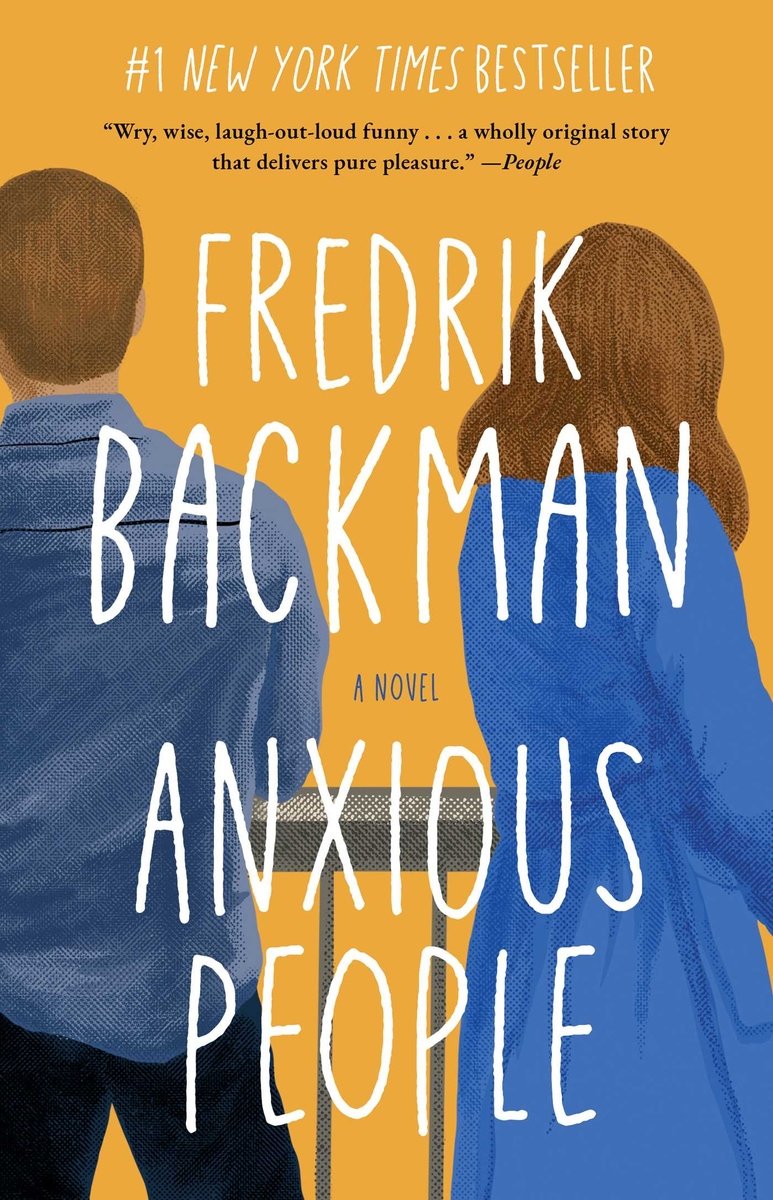
A desperate parent attempts to rob a bank to pay rent after a divorce, but the bank is cashless and the robbery fails spectacularly. Fleeing the scene, the would-be robber accidentally takes eight strangers hostage at an apartment viewing — including a wealthy banker, elderly apartment flippers, a pregnant woman and her wife, and various other anxious people. As they wait for police intervention, these strangers reveal their fears, mistakes, and hidden connections, discovering that they’re all doing their best, and maybe that’s enough.
Light From Uncommon Stars by Ryka Aoki
Aoki created something so radically tender it shouldn’t exist — a story about selling one’s soul to hell that becomes a testament to the saving power of found family and good donuts. This book made me believe in everything because it insists that even transactional kindness can transform into genuine care, that even demons might choose love over contracts, and that a trans runaway teaching her violin teacher about hope is the most punk rock plot twist imaginable. Every genre Aoki blends (fantasy, sci-fi, contemporary) crashes together like a beautiful three-car pileup that somehow results in everyone being saved. This is what happens when you weaponize whimsy against despair.
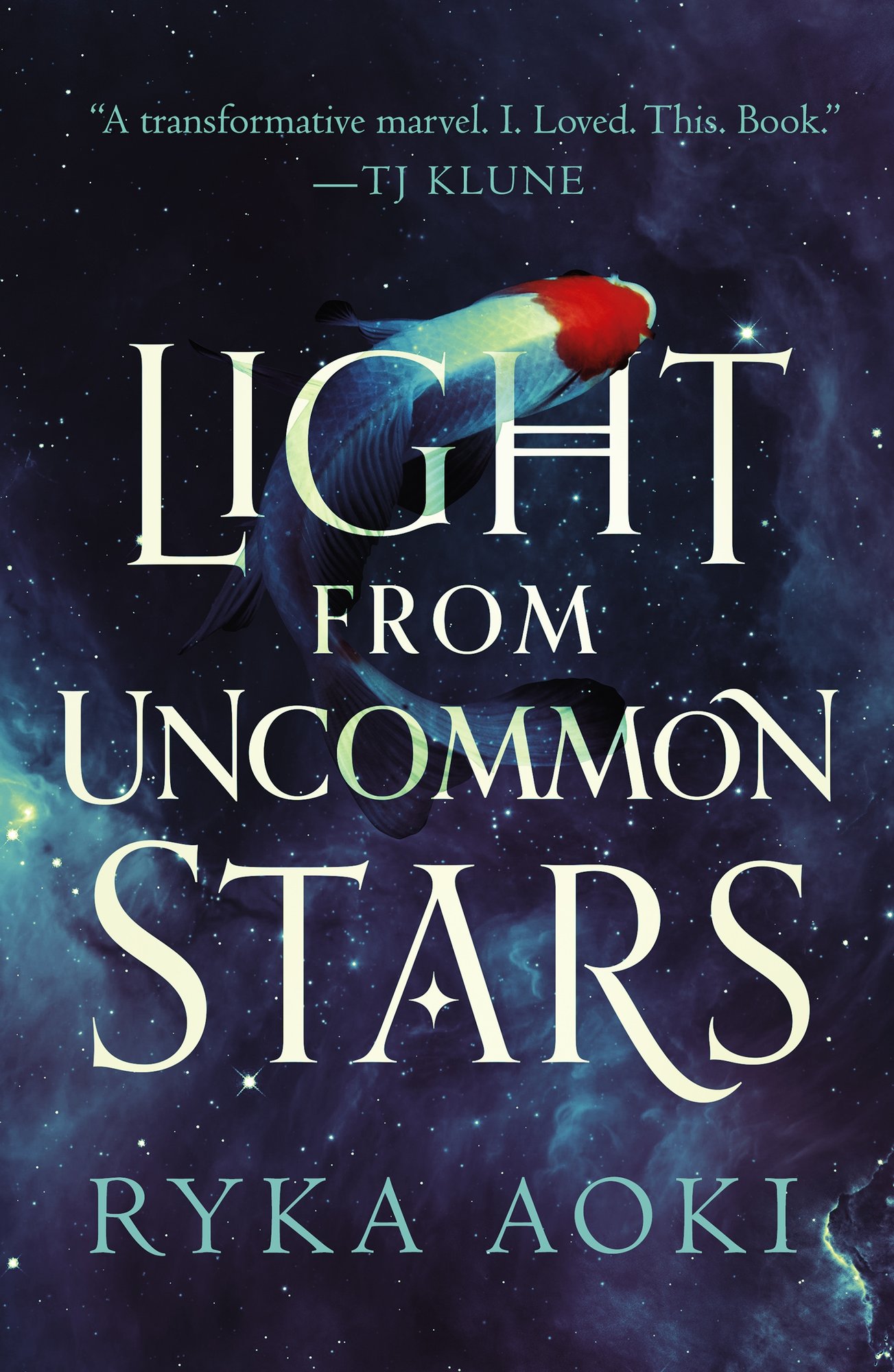
Shizuka Satomi has made a deal with hell — deliver seven violin prodigies’ souls and win back her own. She’s delivered six and needs just one more, targeting Katrina Nguyen, a transgender runaway with extraordinary talent. But Shizuka finds herself teaching Katrina to heal through music rather than preparing her for damnation, especially after meeting Lan Tran, a retired starship captain hiding from galactic war by running a donut shop in the San Gabriel Valley. As these three women’s lives intertwine, they discover that found family might be stronger than any infernal contract.
The Galaxy, and the Ground Within by Becky Chambers
Chambers took kindness to space and made first contact look like a radical act of hope that left me breathless with its quiet audacity. The universe basically runs on beings misreading each other, so watching these completely different life forms reach for patience when they could panic, get curious when fear would be easier, and build bridges instead of walls? That’s the kind of tiny rebellion that flips off the cold emptiness of space itself.
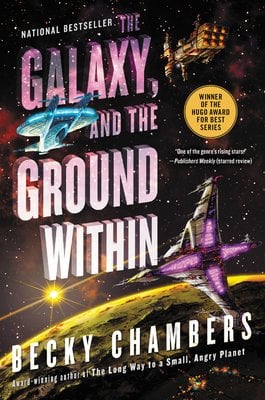
Three alien travelers find themselves stranded at a humble rest stop on a backwater planet when a technical failure grounds all spacecraft. A human, an exiled alien artist, and a mysterious traveler whose species has never been seen before must wait together with their hosts — a harried single parent and their teenager — while repairs are made. Despite having nothing in common except bad timing, these five beings slowly discover that their differences are gateways to understanding and that grace can bloom even in the most unlikely ground.
The Bottom Line: Why Kindness Is Your Secret Superpower
These books join A Man Called Ove in a literary mosh pit where the most radical act isn’t smashing guitars — it’s smashing the walls we build around our hearts. Every curmudgeon who learns to care, every isolated soul who chooses connection, and every community that refuses to fracture is giving the finger to a world that profits from disconnection. This is what punk rock looks like now: Big Angel throwing a party so loud it drowns out border walls, Eleanor choosing messy human connection over safe isolation, high school girls armed with photocopiers bringing down systems through solidarity. These characters don’t just rebel against cynicism; they demolish it with radical tenderness. The revolution isn’t coming. It’s here, it’s contagious, uncontainable, and it scares the hell out of every system built on our separation. So pick up these books and start your own quiet riot, one generous gesture at a time.
Looking for more books that challenge the status quo? Check out Authentic Non-Binary and Genderqueer Representation in Books.
Find these revolutionary reads and more at Bookstr’s Bookshop.