



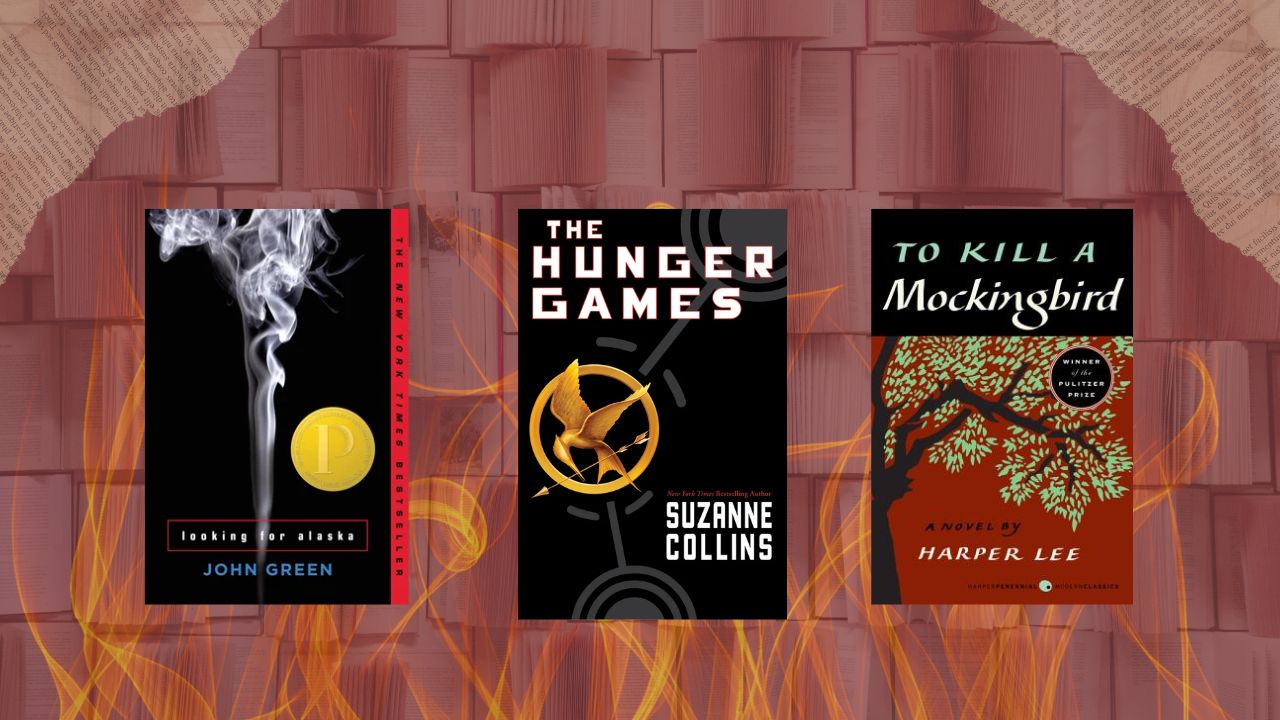
What if the books that carried you through the hardest parts of school, the ones you discussed with friends, underlined in the margins, or read late into the night, were suddenly out of reach? For many of us, novels like The Perks of Being a Wallflower, Speak, Looking for Alaska, and The Hunger Games weren’t just stories; they were our sanctuary. These books helped us navigate the complexities of loneliness, identity, grief, and the challenges of adolescence. Today, those same books are being pulled from shelves and challenged in classrooms, leaving a new generation of readers without access to the very stories that once made us feel seen.
Here is a closer look at ten beloved teen reads, and why they ended up being banned across schools:
The Perks of Being a Wallflower by Stephen Chbosky
The iconic coming-of-age novel The Perks of Being a Wallflower captures the messy, complicated reality of adolescence through the voice of Charlie, the unforgettable protagonist. Told in a series of his letters, the story dives into themes of friendship, love, trauma, and self-discovery with unflinching honesty.
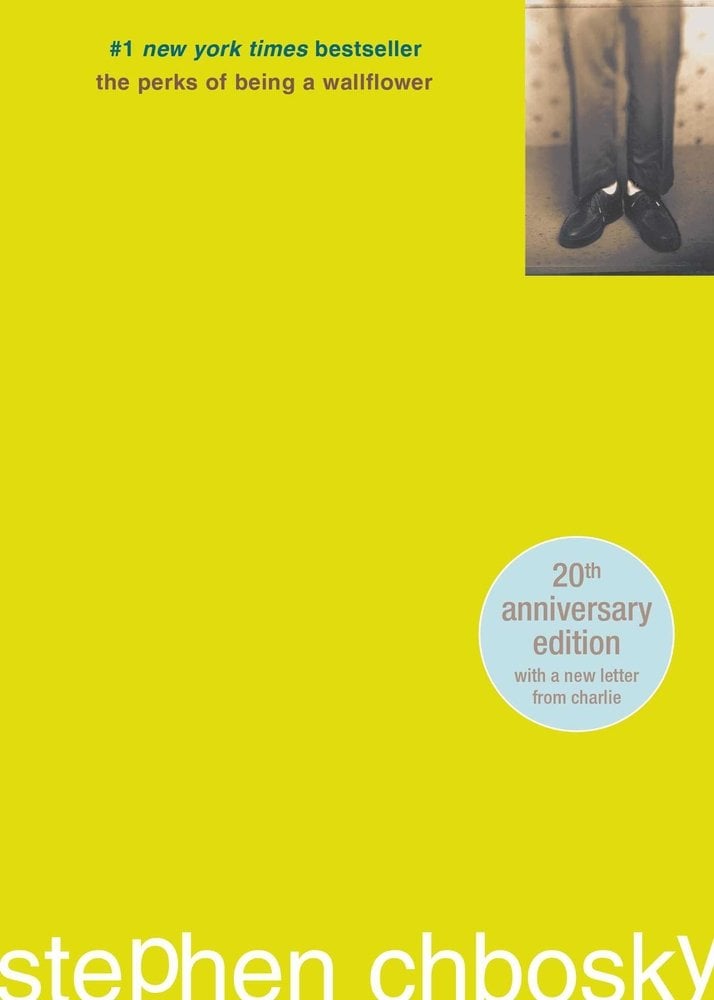
It has been banned for its candid depictions of sexual abuse of a minor, substance use, mental health struggles, and LGBTQ+ identity. Yet, those very elements are what make the book timeless, offering teens a mirror for their own experiences and a reminder that they are not alone.
Looking for Alaska by John Green
John Green’s debut novel quickly introduces us to Miles “Pudge” Halter and the enigmatic Alaska Young. Set in a boarding school in Alabama, the story centers on the teenagers who navigate heartbreak, grief, and the complex journey toward healing.
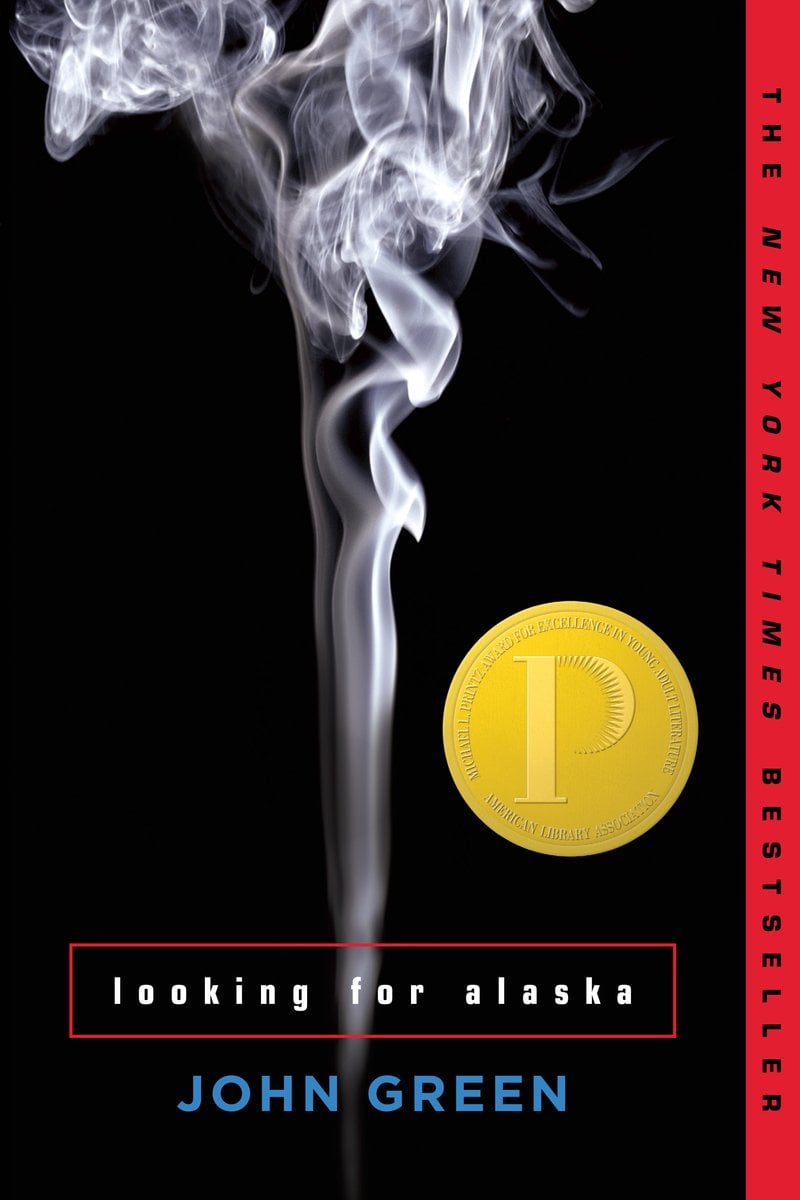
The novel is, at times, comedic, but the book has also faced challenges for its frequent use of profanity, depictions of teen smoking and drinking, the death of a character, and a brief, but controversial sexual scene. Despite the ban, Green’s Looking for Alaska remains a young adult classic for teens searching for the meaning of love and loss.
Speak by Laurie Halse Anderson
Laurie Anderson’s Speak broke barriers by tackling the topic of sexual assault in a young adult novel. Melinda, a high-school freshman, is forced into voluntary silence after experiencing a sexual assault at a party and being ostracized by her peers after calling the police.
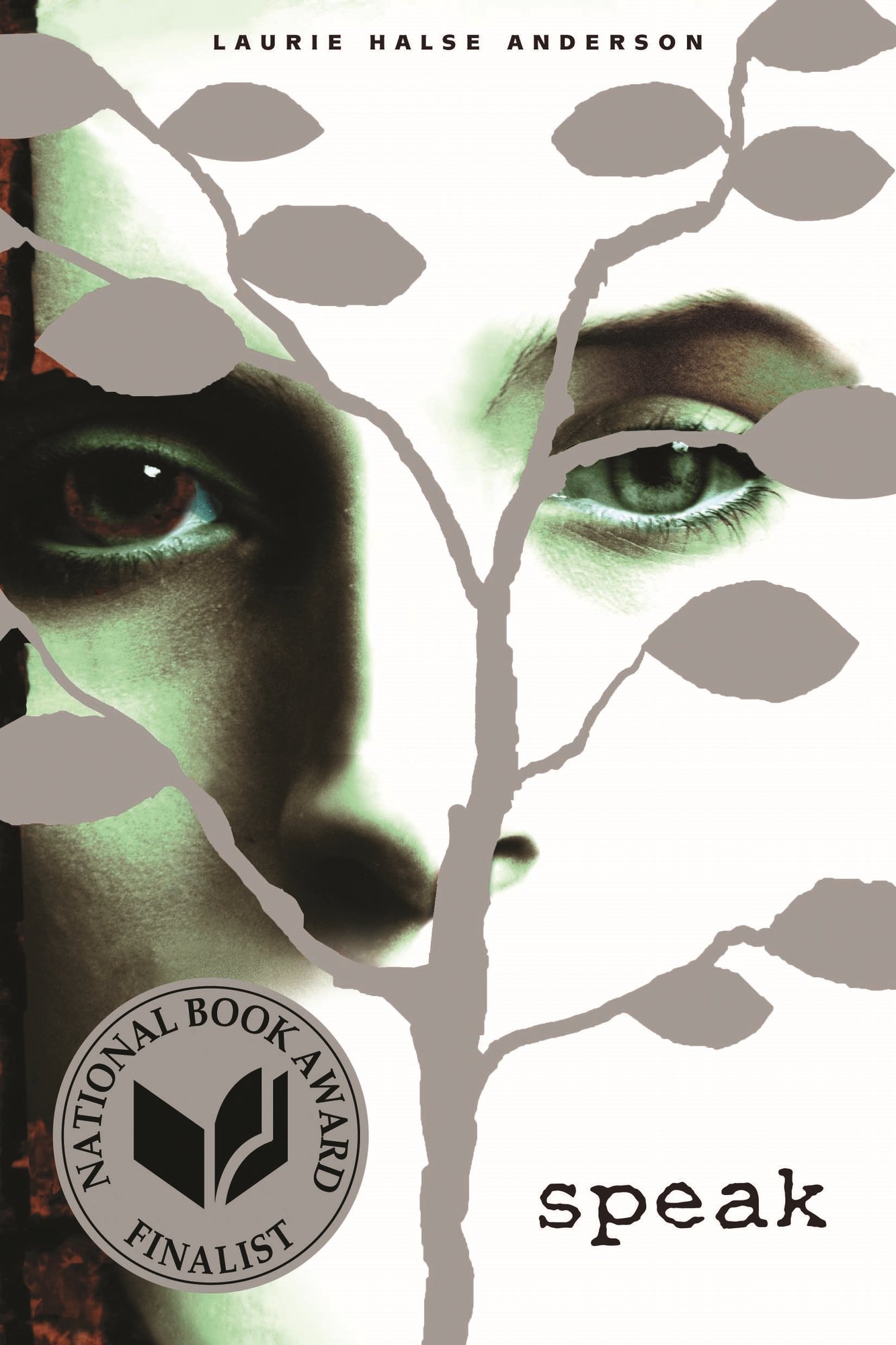
Its very candid treatment of sexual assault, trauma, and recovery is why it’s a target for censorship, with many calling the book “explicit.” Anderson herself has argued that silencing these stories does more harm, stripping away an essential resource for young survivors who may take solace in this book.
The Bluest Eye by Toni Morrison
Toni Morrison’s debut novel remains one of the most frequently banned and challenged works in American Literature. Following Pecola Breedlove, a Black girl who yearns for blue eyes in a world scarred by racism and abuse, Morrison exposes the brutal consequences of systematic oppression and unattainable beauty standards.
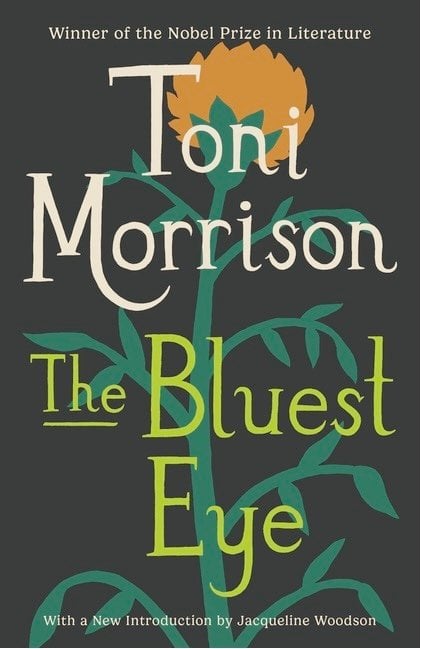
Still relevant in modern-day society, the book is banned due to its depictions of child sexual violence, incest, racism, and disturbing language. The Bluest Eye explores complex issues about beauty standards and race, truly a novel ahead of its time, and addresses important social issues.
The Hunger Games by Suzanne Collins
Suzanne Collins redefined YA dystopia with her haunting vision of Panem, a society where children are forced into a brutal spectacle, known as The Hunger Games, and fight to the death until only one survives. At the heart of the story is Katniss Everdeen, a heroine both fierce and deeply human, who volunteers to take her sister Prim’s place in the Games alongside Peeta Mellark, the boy tribute from her district.
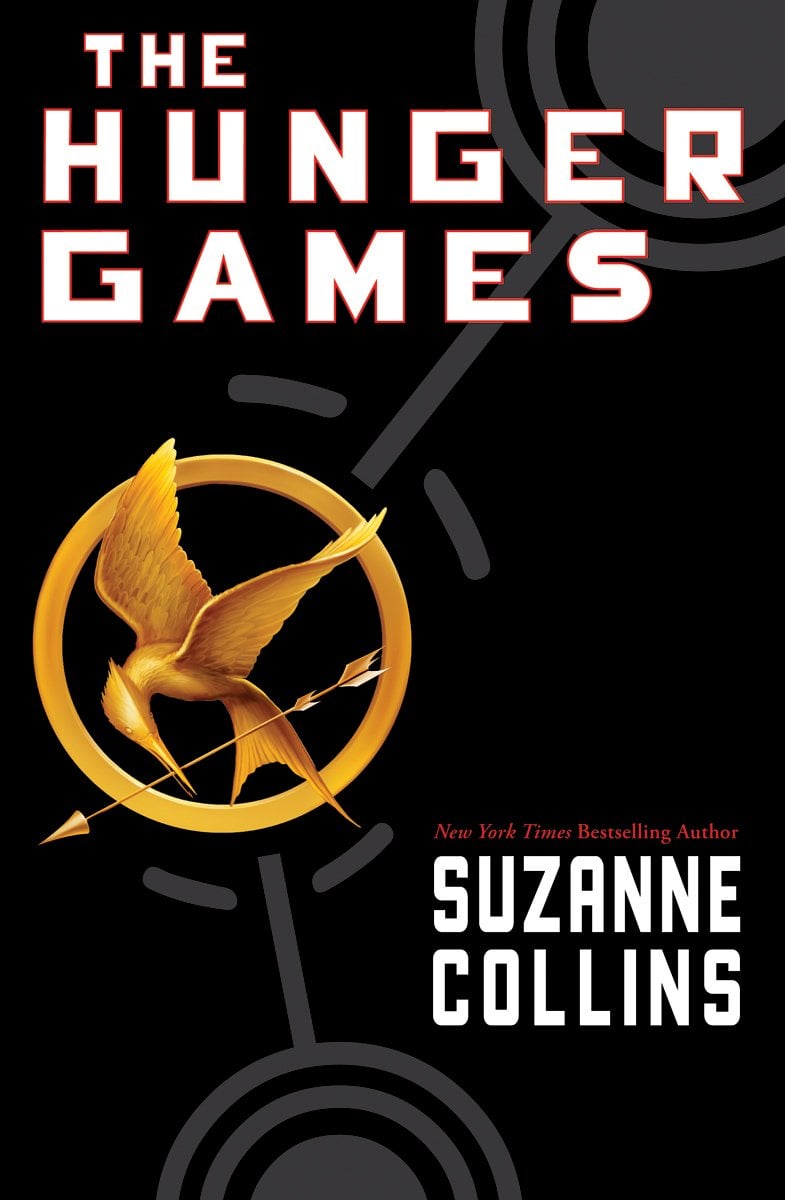
The trilogy’s impact has been monumental, inspiring three blockbuster films, a prequel exploring the rise of President Snow, and another prequel about Haymitch set for release next November. Yet The Hunger Games has frequently been banned for its violence, political themes, and critiques of authoritarianism. Ironically, its censorship underscores the very questions it asks about power, control, and the dangers of silencing dissent.
To Kill a Mockingbird by Harper Lee
Harper Lee’s Pulitzer Prize–winning To Kill a Mockingbird has been a cornerstone of American classrooms for decades, confronting the harsh realities of racism in the Jim Crow South through the eyes of young Scout Finch. The novel grapples with injustice, learning empathy through the eyes of a child, and moral courage, but its use of racial slurs, depictions of violence, class tensions, incest, and the false accusation of sexual assault by a white woman against a Black man have made it one of the most frequently banned books in schools.
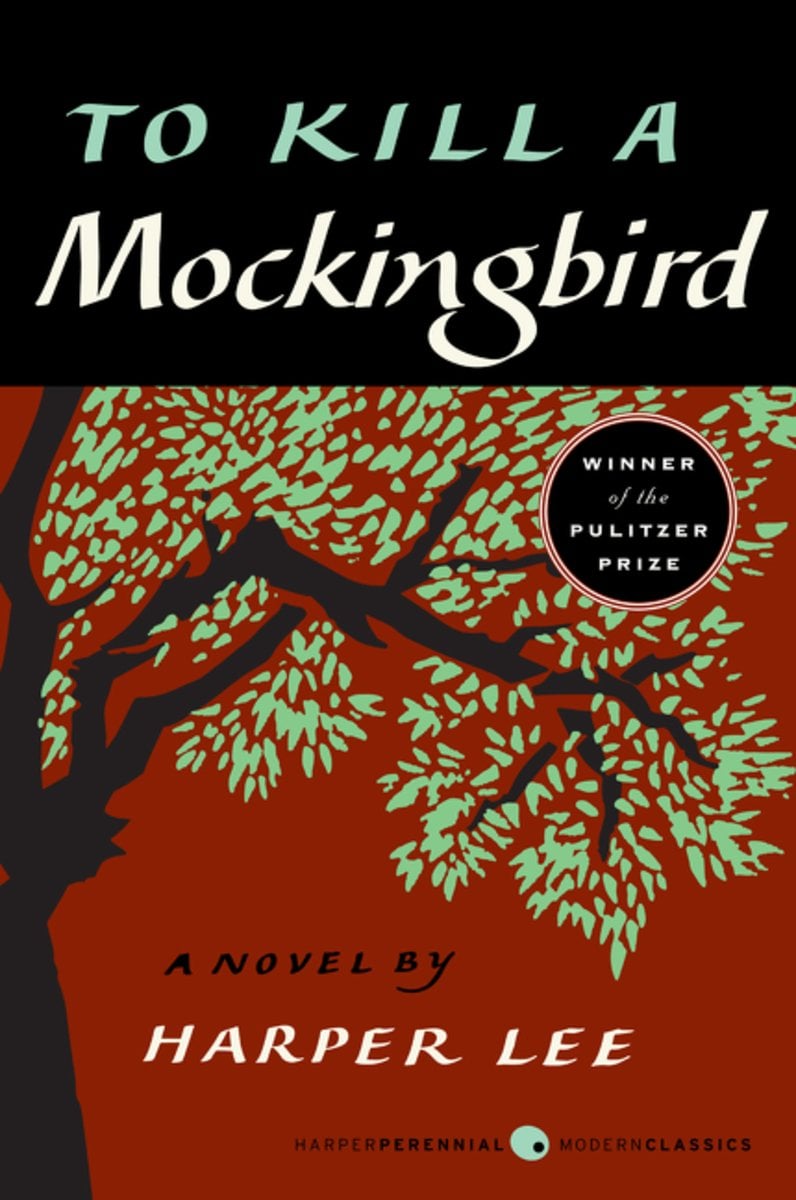
While its censorship remains a subject of ongoing debate, the novel’s enduring importance lies in its ability to spark critical conversations about race and justice that are as urgent today as when it was first published.
The Kite Runner by Khaled Hosseini
Khaled Hosseini’s debut novel, The Kite Runner, instantly captivated readers with its moving exploration of friendship, betrayal, redemption, and forgiveness set against the backdrop of Afghanistan’s turbulent history. For many teens, myself included, it offered a first glimpse into a culture and political landscape rarely represented in mainstream media.
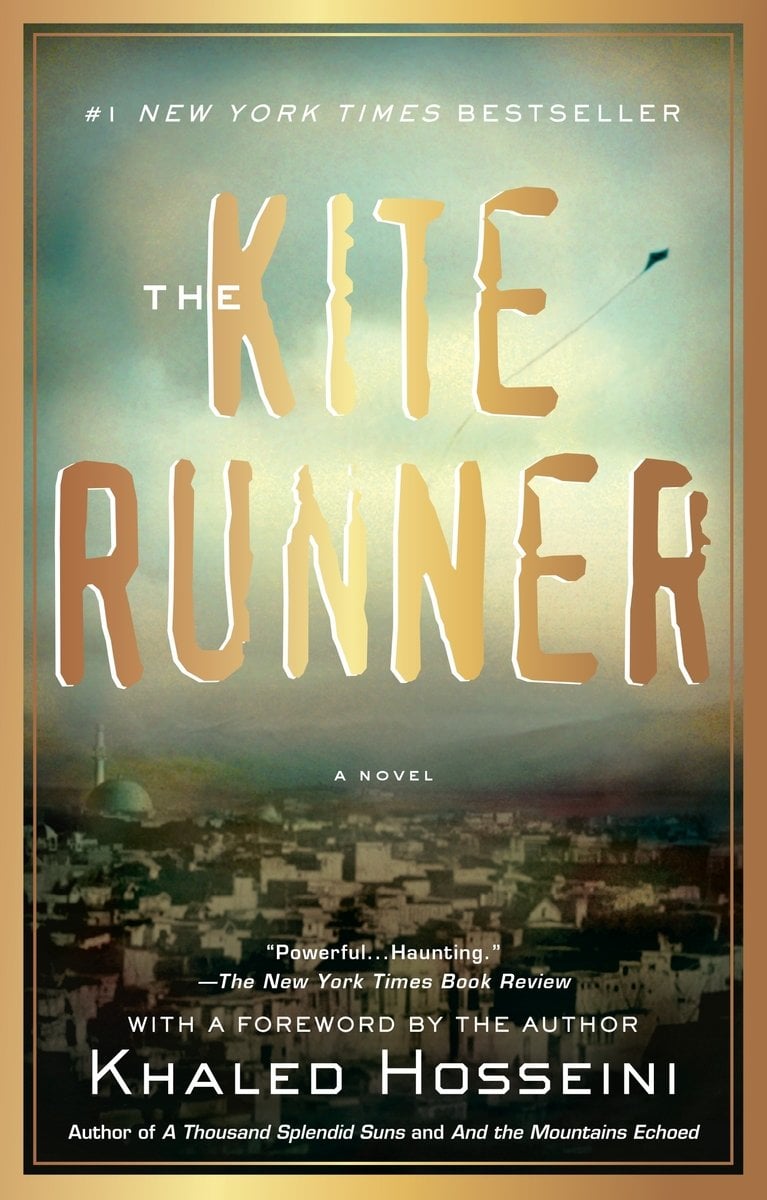
The novel has faced bans for its depictions of sexual assault on a minor, graphic violence, and its portrayal of Afghanistan’s shifting politics, from the fall of the monarchy to the Soviet invasion and the rise of the Taliban. Often deemed “too mature” for young adults, The Kite Runner remains a powerful work precisely because of its honesty. Its ability to foster empathy and broaden global awareness has made it not only notable but essential.
The Giver by Lois Lowry
Lois Lowry’s The Giver is a book we encountered in high school before its ban, and its haunting vision of a so-called utopian society has stayed with many of us ever since. The story follows Jonas, a young boy chosen as the community’s next “Receiver of Memory,” who begins to uncover the dark truths hidden beneath his society’s carefully controlled existence. In a world stripped of color, choice, and emotion, Jonas carries the burden of remembering humanity’s past in hopes of restoring freedom, individuality, and feeling to those around him.
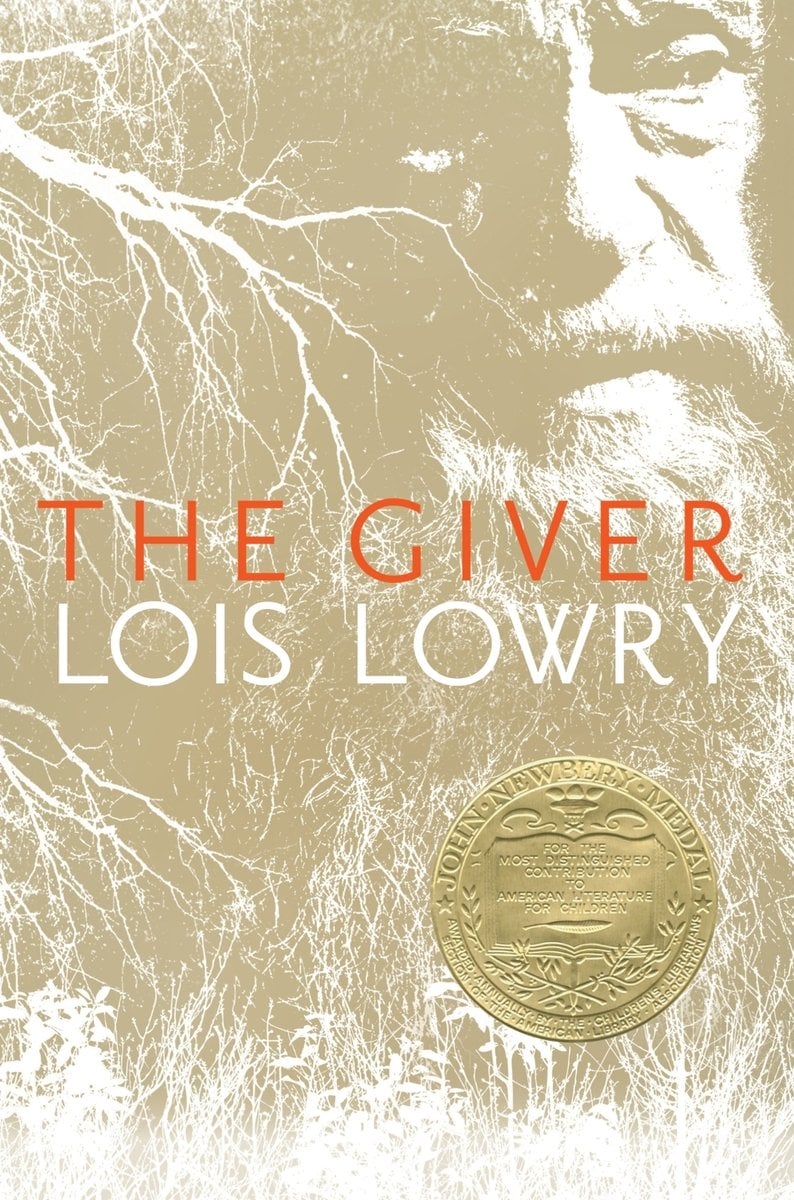
While celebrated as a powerful exploration of conformity versus individuality, The Giver has been frequently banned for its themes of euthanasia involving both minors and the elderly, its depictions of violence, and its critique of government control. In 2005, parents in Blue Springs, Missouri, even condemned it as “lewd” and “twisted,” solidifying its place on the banned books list. Ironically, its censorship only reinforces the very questions about control and choice the novel dares to ask.
The Handmaid’s Tale by Margaret Atwood
Although Margaret Atwood originally wrote The Handmaid’s Tale as adult fiction, it has since become a fixture in both high school and college classrooms due to its chilling relevance. Set in the theocratic regime of Gilead, once the United States, the novel depicts a society where women are stripped of autonomy and reduced solely to their reproductive roles.

Its candid portrayal of sexual violence, critiques of religious orthodoxy, and overt political themes have led to frequent challenges and bans. Yet, it’s precisely these unsettling elements that make the novel so enduring: Atwood’s story forces readers to confront uncomfortable truths, think critically about power and control, and question the authority structures around them. Eerily prescient, The Handmaid’s Tale remains a vital and provocative read for every generation.
1984 by George Orwell
George Orwell’s 1984 stands as one of the most iconic dystopian novels ever written, a haunting warning about the perils of totalitarianism, mass surveillance, and state-enforced censorship. Its vision of a world where truth is manipulated and individuality is crushed has made it both timeless and, ironically, a frequent target of bans.

Critics have deemed it “pro-communist” or too politically subversive, but these challenges only highlight the power of Orwell’s work. Far from fading into obscurity, 1984 endures as one of literature’s most urgent cautionary tales, reminding us of exactly what’s at stake when ideas are silenced and stories are suppressed.
While banned books are often challenged for being “unsuitable” for students, the greater danger lies not in their pages but in the act of censorship itself. Limiting access to stories restricts curiosity, critical thinking, and empathy, the very tools that help us grow and understand one another. Books that challenge and unsettle us, or show us perspectives unlike our own, are often the ones that stay with us the longest.
So, let this be your reminder: visit your local library, sign up for that free library card, and dive into the stories that inspire you. Read boldly, freely, and never stop turning the page!
Want to learn more about the realities of book bans? Click here.
Find these books and more on our Banned Books bookshelf on Bookshop.org