









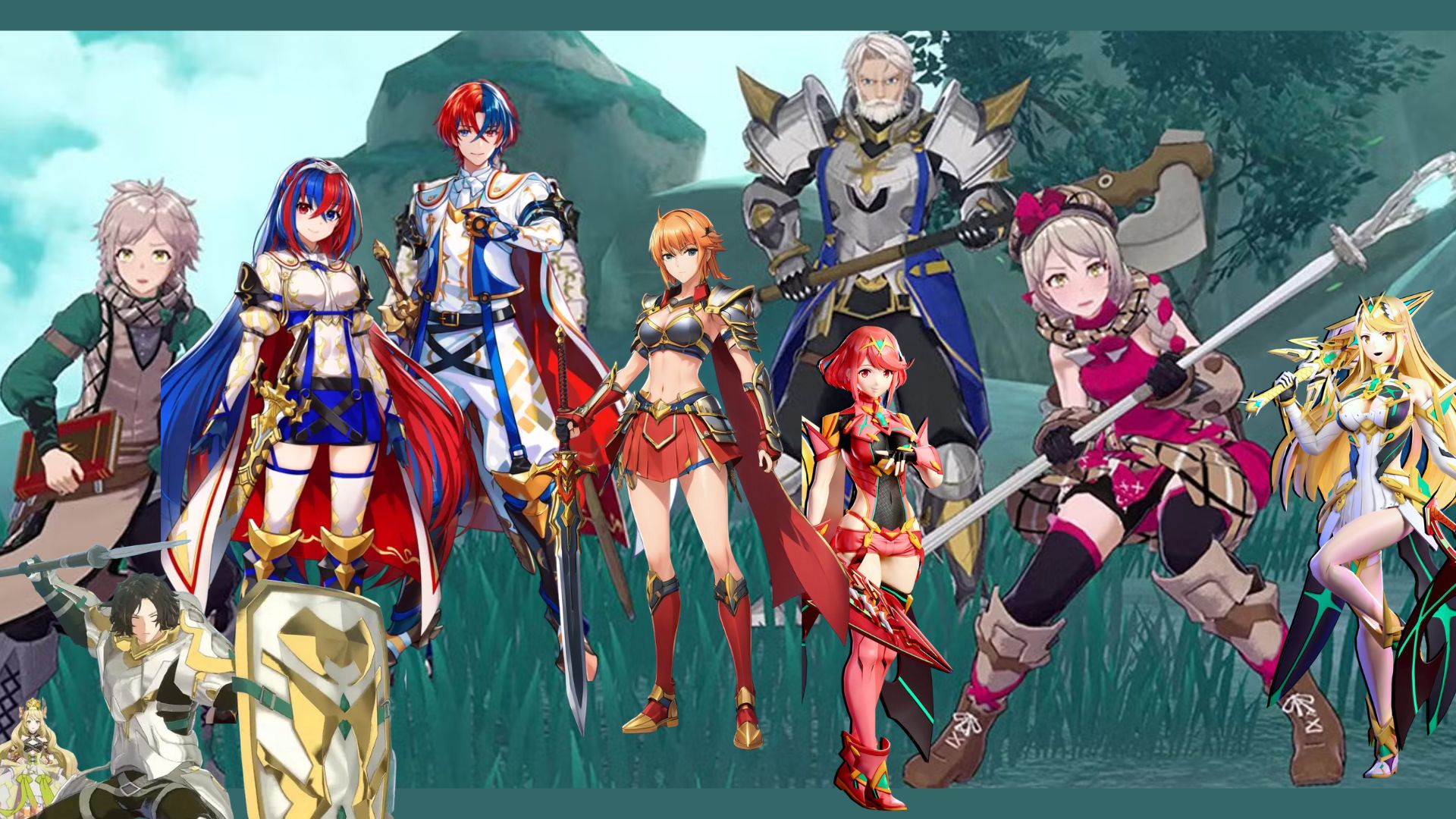
Throughout generations, video games have marked a pinnacle for audiences all over the world. Inspirational characters, tragic narratives, and endless wisdom born from experience. Production companies have steadily manifested video games from simple 8-bit platformers to vast open worlds, filled with deeply heartfelt characters arcs and impactful stories. We form a bond with the characters we play; sharing their pain, struggles, and eventual rise. However, with a lot of men portrayed as the main characters, there seems to be less emphasis on the women characters. In this article, we explore women’s roles in video games and how gaming companies define their “values” in these roles.
Trigger Warning: This article delves into prejudice and sexualization of women in the media.
Women as Leads
When it comes to many narratives, whether in video games or TV and film, we often witness an abundance of men as the lead headlining the plot. But there are a few women protagonists who have marked a staple above all these male-led roles. Let’s take a look at one of the earliest women leads in both video game and film adaptations — Lara Croft (Tomb Raider). This intrepid adventurer rivals a lot of others in her field, from Indiana Jones to Nathan Drake (Uncharted), and one of the best aspects is that she doesn’t wear obscene outfits to be recognized as a strong character — her grit and bravery prove to us why she is who she is on every adventure.
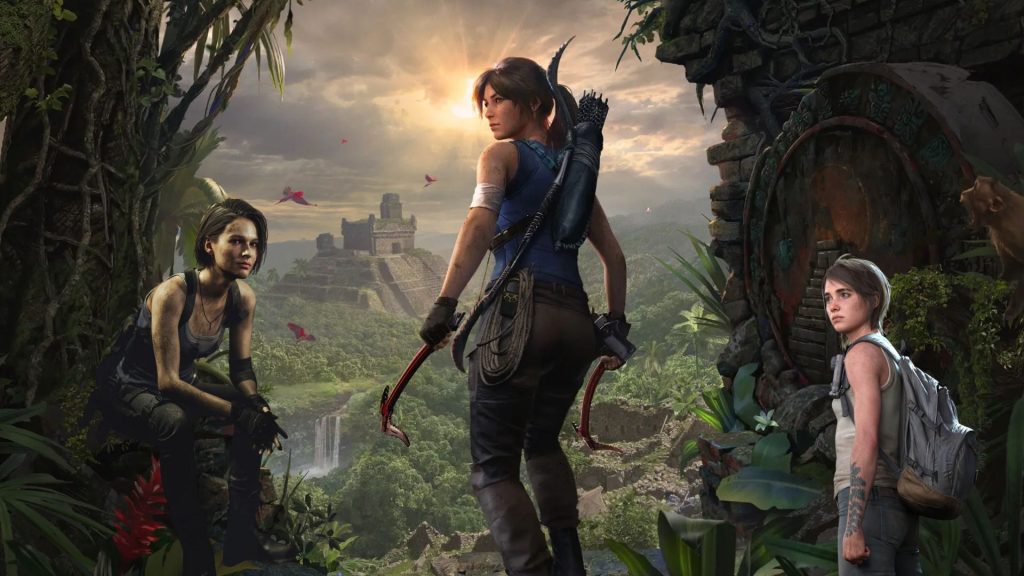
Some more recent women-empowered characters are Ellie Williams (The Last of Us), Aloy (Horizon Zero Dawn), and Jill Valentine (Resident Evil 3). These women are fierce, badass characters who go through hell and high water — whether it be an apocalypse, or a dystopian future, they face all evils whilst trying to survive in a world constantly trying to kill them. Talk about do or die.
Women on the Sidelines
But where there are a lot of inspirational women protagonists, there are those who barely get to share the spotlight — instead being cast aside due to men-casted leads. Look at these renowned Nintendo game franchises and tell me if you notice a similarity. The poster boy for Nintendo, Mario has been inspiring and entertaining us for years, decades even. Yet his story vaguely remains largely the same; tell me if you heard this. Princess Peach gets taken by the evil Bowser, Mario then ventures through a series of challenging areas to defeat Bowser and rescue Peach.
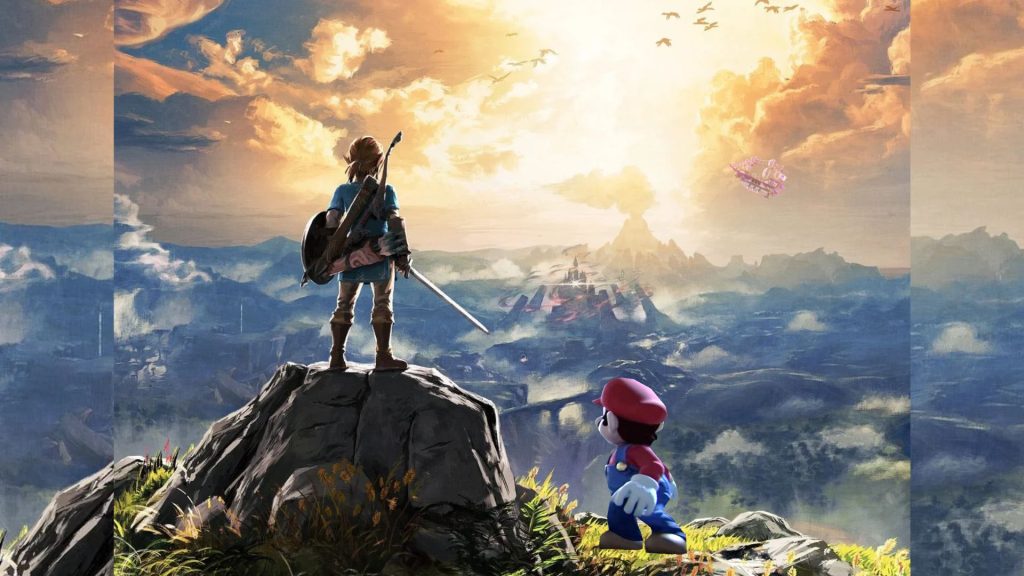
Or how about another Nintendo game — The Legend of Zelda? You may be thinking Princess Zelda, (her name is in the title so she’s the important lead), but when something tragically happens to her, Link must find a way to save her too. Did you notice? Both games showcase women characters of royalty, but they end up becoming reduced in their titles to no more than mere damsels in distress saved by the strong leading men. Their mainline title ends up becoming diminished to simple side characters.
From Badasses to Objects
The objectification of women in video games dates back to the early 90s, with characters like Samus from Metroid being introduced in a way that undermined their strength. Released in 1986, Metroid was groundbreaking in many ways. Samus, initially presumed to be a man due to her powerful persona, was revealed to be a woman — yet her reveal included a sexualized portrayal, wearing a bikini that diminished the gravity of her struggle. Regardless of how empowering a female character may seem in the media, their attire can often determine their value and significance. This is especially common in Japanese media, including anime, video games, and TV.
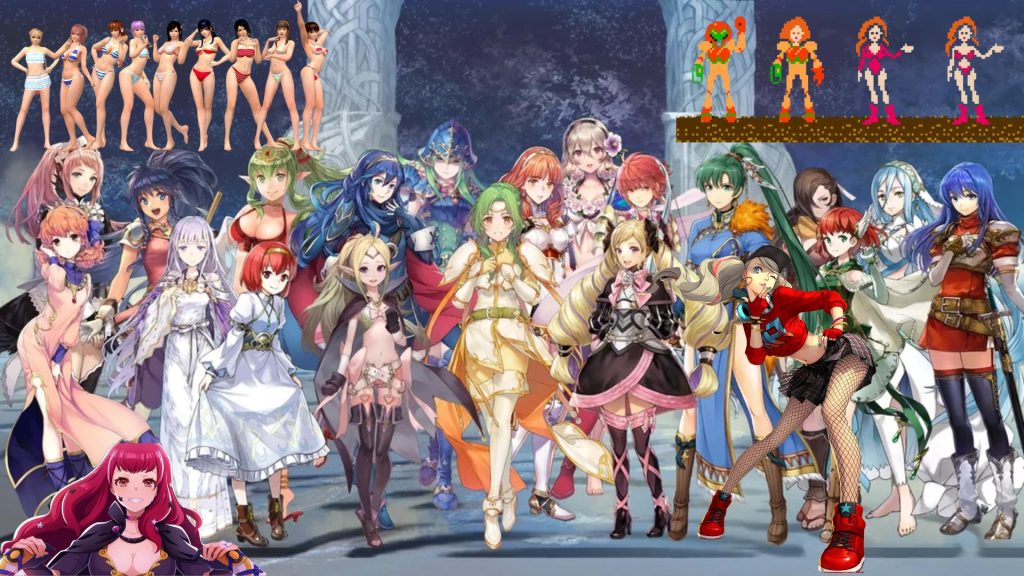
Production companies like Capcom (Street Fighter), SEGA (Persona, Bayonetta), and Nintendo (Fire Emblem) often feature women characters dressed in revealing outfits. While leading men battle in solid armor, many women characters either serve as sidekicks or healers, clad in skimpy armor that exposes more skin than seems practical. Games like Dead or Alive focus on the sexualization of women, with entire showcases dedicated to “waifus” in bikinis or idealized bodies. This portrayal raises questions about the effectiveness of these women in battle — can their skimpy outfits protect them as well as the armored men they fight alongside?
Square Enix: Portrayal or Prey?
Square Enix have published a vast array of incredible games throughout the decades (i.e. Hitman, Sleeping Dogs, Kingdom Hearts), even notably by leading the remakes of such empowering women characters like Lara Croft. But why do production companies continue to objectify women instead of expanding their roles? Looking at recent Square Enix titles, such as Final Fantasy 7 Remake (with Tifa Lockhart), it’s clear that exaggerated body images still persist.
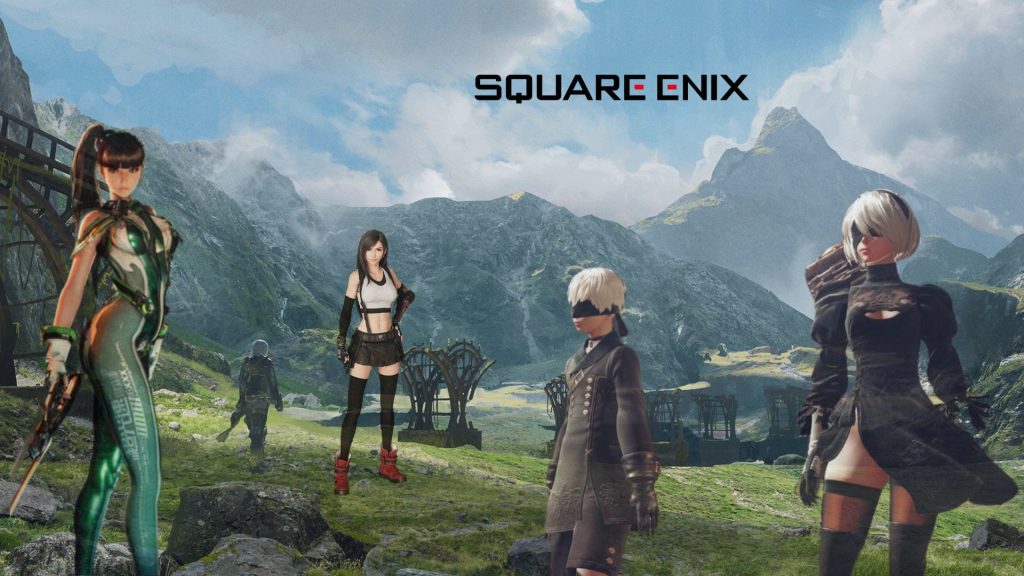
While characters like 2B (Nier Automata) and Eve (Stellar Blade) may seem like powerful warriors, their outfits — minimal and revealing — undermine their strength and character. Much like Samus from Metroid, these depictions detract from their status as protagonists, turning them into sexualized objects rather than empowering figures.
Across generations, we’ve seen a shift in the portrayal of women characters in video games. From early icons like Lara Croft to modern heroines like Ellie and Abby from The Last of Us Part II, the evolution of leading women depends on production companies and cultural influences. While companies like Square Enix and Capcom have shown potential with empowered women characters, issues of design and objectification remain prevalent. The question is: why don’t we see more competent women protagonists? It’s time for production companies to embrace the true potential of women in video games.
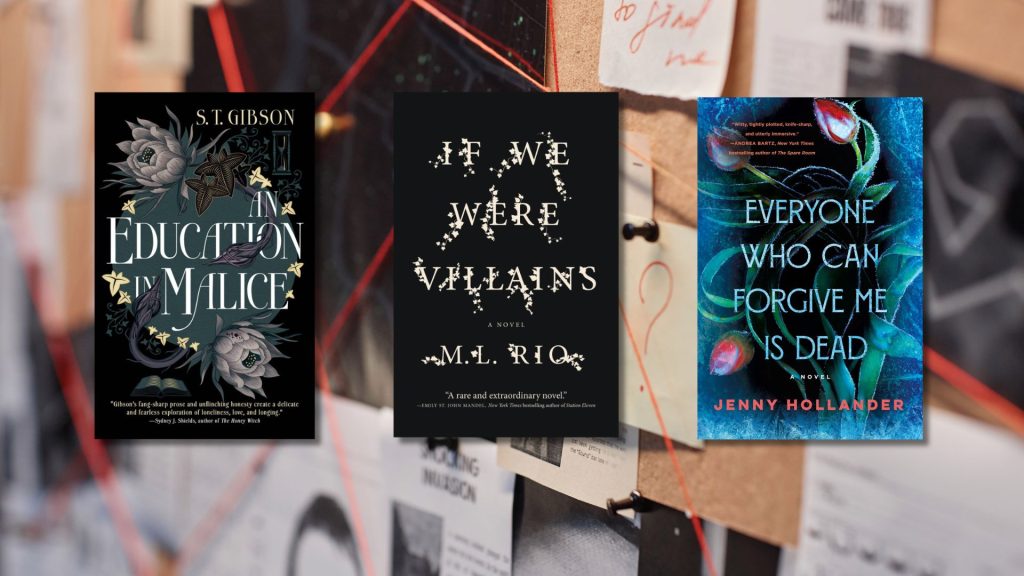
Take a look at these badass women in literature we should be celebrating.
Help support women’s voices and their roles by checking out this bookshelf here.