


















Reading books has always been a key part of the writing process, as each book we read teaches us something about how or how not to write. Inspiration is everywhere, but when you step outside of your comfort zone, there are a lot more possibilities out there than you may realize. No genre is linear, and no author is the same. When you read outside of your typical genres, you’ll not only get new perspectives as a reader, but you’ll also gain more knowledge as a writer. Let’s talk about how reading outside of your genre can improve your writing and where you can get started.
The Benefits of Reading Outside of Your Comfort Zone
There are many benefits to reading outside of your comfortable genre when it comes to your writing, as it will force you to get a little uncomfortable in order to learn new ideas and perspectives. Here are a few ways to incorporate your new knowledge to better yourself as a writer.
Learn From Other Writers
While it’s always a good idea for writers to find authors in their genres that inspire them, finding authors outside of your typical genre can still be beneficial when you’re working on your writing style. Each genre plays with craft elements in different ways, so let’s look at how those craft elements come into play along with the several other benefits of reading outside of your typical genre.

If you’re having trouble forming the structure of your fiction story, find a memoir and see how that author uses structure to their advantage. For my nonfiction writers, if you’re having trouble getting into the mindset of your characters, look into fiction books praised for their character development and notice which aspects of the writing make a strong character. When you are trying to find your words or different forms to play with, poetry is a great outlet to see how poets would describe the emotion you are trying to evoke, and they can be great inspirations for playing with form in your story to create physical meaning in your work.
Understand Your Characters
The more you know about your characters, the better you understand how to write them and their direction in the story. Writing a character is more than just writing down what a person does and thinks. It involves knowing the character’s background, values, culture, community, and all the aspects that make us conscious beings. The longer the story is, the more important it becomes to know each component of your character.

By finding other genres to read, you’ll not only open your mind to new knowledge and new worlds but you’ll also gain more character elements to use in the future. It can be as simple as having a character that’s obsessed with folktales, requiring you to become familiar with folktales yourself to try to see through your character’s eyes as you read. Or maybe you’re creating a character that is acting in a play but you don’t know much about acting. Grab a few scripts and find one that may turn into your character’s inspiration or, at the very least, your own.
By branching out and reading other genres, you’ll gain more perspectives that can help you shape a variety of complex characters and improve other aspects of your story. This can go for finding new environments to work within, crafting fresh plot points, experimenting with structure, and elevating any craft elements you may be struggling with.
Find New Interests
Reading other genres will not only help you with your writing but it may also inspire it as well. We all have that one book that became part of what inspired us to get into the writing world, and there may be one out there that influences how you write in the future.

If you’re still trying to figure out your writing style, see how authors write in other genres and practice writing in similar ways but with your own style. It’s great practice, and it helps with the experimentation part of writing so you can identify your writing style. You may be a fiction writer who finds a love for poetry and inserts your own into your stories, or maybe you’re a romance writer who reads speculative fiction that makes you change your genre completely. These types of changes are not expected, but if they come up during your journey, try to make use of your new revelation and see how it can make your writing better.
Recommendations
Trigger Warning: Some of the books recommended below contain mentions of violence, school shootings, racism, and homophobia. Please thoroughly check content warnings before engaging.
Need some help figuring out where to start? Here are a few recommendations to guide you in your search.
The Rock Eaters: Stories by Brenda Peynado
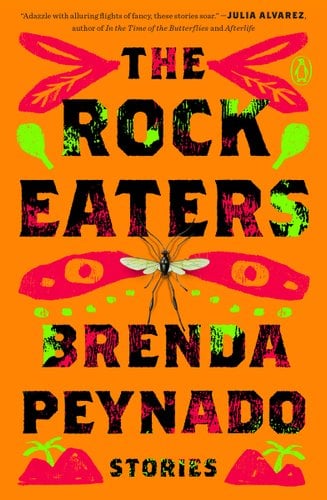
The Rock Eaters is a great intersection for genre and literary writers, as Peynado’s literary speculative fiction short stories have fabulism and magical realism elements that highlight the importance of her messages while also creating unique stories and worlds that stick with you after you’ve finished the book. Her stories’ messages span from grasping the flaws in our society to the nature of our beings and the mindsets we keep all while covering the reality of humanity and the way we treat one another.
The Man Who Could Move Clouds: A Memoir by Ingrid Rojas Contreras
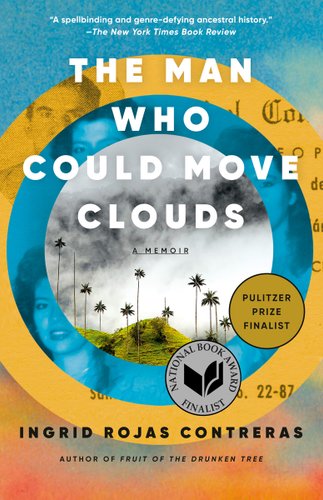
The Man Who Could Move Clouds is a wonderful memoir for my sci-fi writers that enjoy stories about the paranormal. Contreras’s family stories, which have been passed down through generations, highlight their legacy of curanderos — spiritual healers — and the ghosts that haunt her family spiritually and psychologically, along with the colonial narrative that attempts to break her family apart. The blend of her family stories with Columbian history makes this story worth the read as she challenges the readers and the bounds of reality.
All Out: The No-Longer-Secret Stories of Queer Teens Throughout the Ages edited by Saundra Mitchell
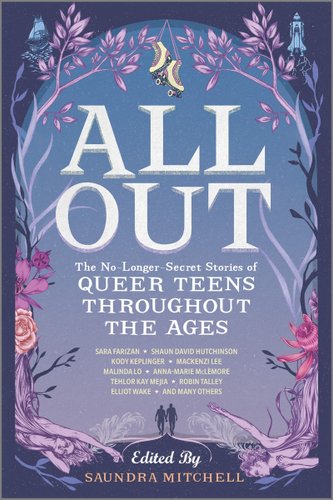
All Out is a captivating collection of young adult short stories for any nonfiction writers interested in history, folktales, queer characters and romances, and/or culture expressed through characters. With a variety of authors, the reader will be transported to different countries and centuries with all types of characters to show how people, places, and actions shape each and every one of these stories. This collection highlights the simplicity as well as the extravagance of the different ways we love to remind the reader that love is everywhere, in all forms, between time and space.
There is always more to read and more to write, and what you read can help influence what you write and how you write it. Exploring different genres makes the process more eye-opening, as each new book you read will always be another world you’ll be transported to. Go explore and let it guide you in finding your writing style for your next piece.
Need more help finding a new genre to read? Click here to take a quiz.
Find these books and more on our Bookstr Team Recommendations bookshelf on Bookshop.
