

















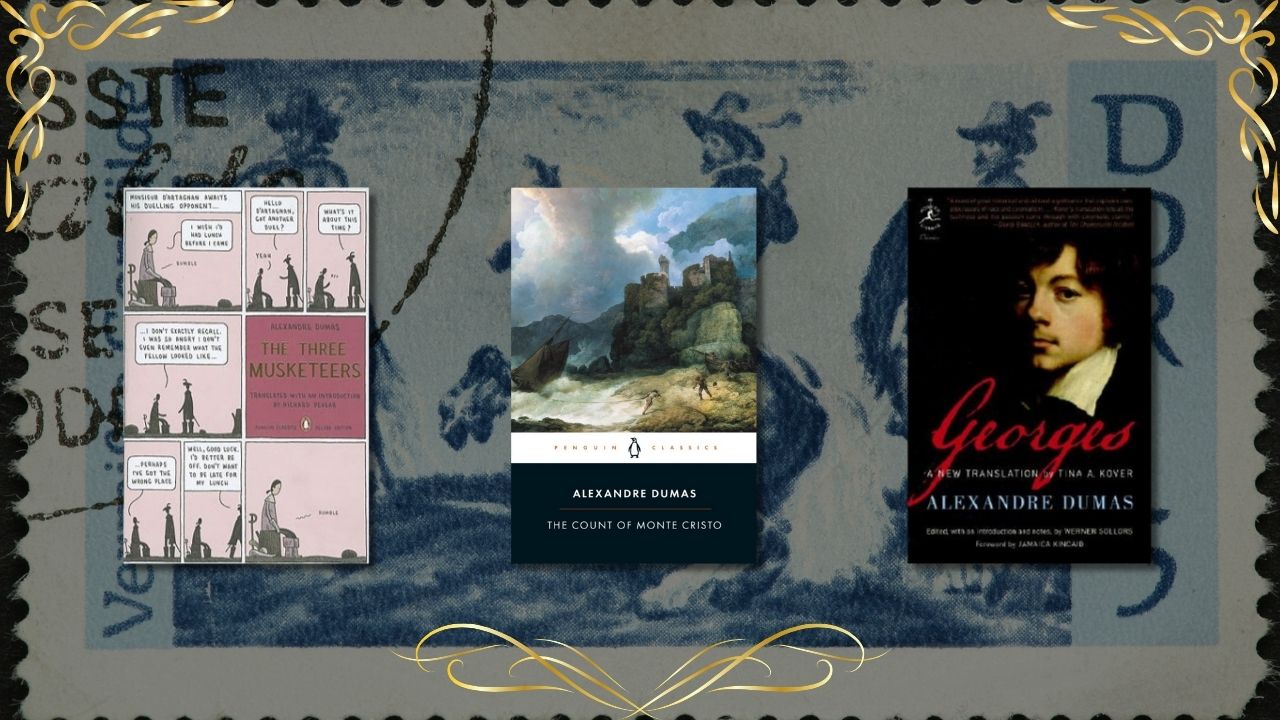
Alexandre Dumas was born on July 24, 1802, in France. As the child of Thomas-Alexandre, a general in the French army and the mixed-race son of a French nobleman, Dumas was undoubtedly unique already. By the time of his death in 1870, he would have proved himself even more extraordinary, penning classics of French literature like The Three Musketeers and The Count of Monte Cristo.
Dumas was also notable for the sheer breadth of his work: his stories were often published serially, and he wrote more than a hundred plays and novels over the course of his life. Although many of his plots were specifically relevant to the time and place he was writing, his novels still have a lot to teach the modern reader, and they’re still entertaining, too!
Dumas in Context
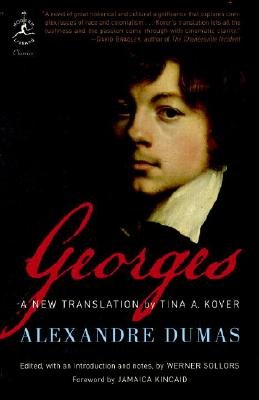
Dumas’ personal history is intimately tied to colonialism, race in Europe, and the formation and continuation of systems of racism and oppression, both in the Americas and French colonies, and in Europe. Dumas was a mixed-race man in the 19th century, coming from a legacy of military greatness: his father was the first person of color to hold the rank of general in the French army. However, racism was rife in Europe, and Dumas’s own father was unable to inherit his own father’s estate, since he was the child of a marquis and a Haitian woman. Dumas rarely spoke or wrote about his race or prejudice, but his novel, Georges, offered a look into race and racism in the French colonies, and he later used a number of the plot lines in his book, The Count of Monte Cristo.
His family had also fallen on hard times by the time he was born, and Dumas came up in life and was able to gain wealth by writing plays, eventually earning enough popularity to begin writing serial novels for newspapers, which would eventually provide the majority of his income.
Dumas was also reportedly — to use a piece of very modern slang — a yapper. He was described as charming and gregarious. English novelist and playwright Watts Philips wrote that his speech was like a windmill: “once set in motion, you would never know when he would stop.”
If You Like Superheroes…
Although newspapers don’t carry serial stories anymore, many of the books that were first published that way endure today, including works by Charles Dickens and George Eliot. And in fact, we still consume a lot of media serially, from webcomics to superhero stories to TV shows. Dracula Daily re-serialized the Bram Stoker classic, gaining hundreds of subscribers who tuned in every day to see where the characters were.
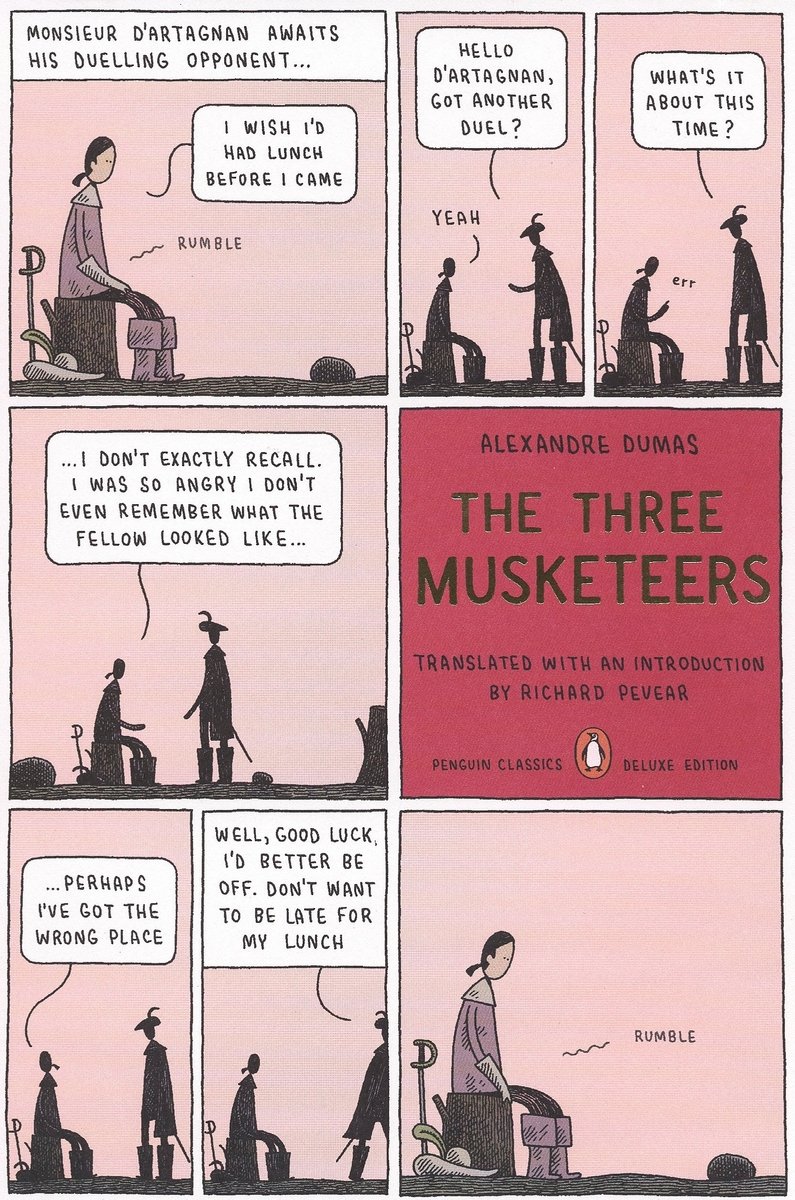
So why not do the same with one of Dumas’ most iconic works? The Three Musketeers reads almost exactly like a modern-day Marvel movie plot-wise, with our titular character rising from less-than-ideal circumstances to join a team of miraculous, yet hilariously flawed compatriots. Dumas skillfully weaves together the four main characters’ plotlines, giving the audience just enough backstory and character traits on each to keep them in suspense for the next adventure. Just like comic book heroes of today, the Musketeers get in and out of scrapes in seemingly impossible, yet endlessly entertaining ways.
So if you spend your week waiting with bated breath for the next installment of the Bachelorette, or if you grew up waiting for the next Percy Jackson or Magic Treehouse book, maybe it’s time to level up with a true classic and read the original story of the three (it’s really four, but no spoilers) Musketeers.
Relevant Themes
One of Dumas’ most enduring and complex novels is The Count of Monte Cristo, a sweeping revenge narrative that describes a young man’s unlawful incarceration due to political turmoil and scapegoating, and his subsequent imprisonment, escape, and revenge on those who wronged him.
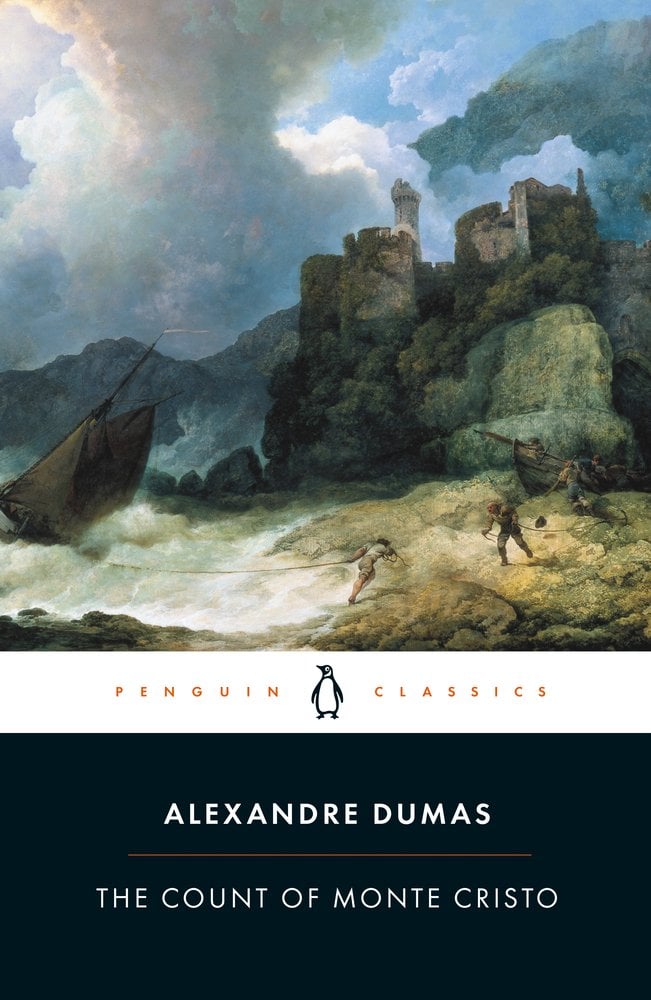
Although the novel is set in France in the early 19th century, its themes of revenge, incarceration, and rehabilitation ring true today. Edmond Dantès, the unlucky protagonist of the novel, loses his livelihood, his fiancée, and many of his friends over the course of his decade and a half in prison, all for a crime he did not commit. Once he escapes and comes across an immense fortune, he chooses to reward those who attempted to free him, despite the political drawbacks.
In a time of political turmoil, The Count of Monte Cristo asks the reader to think about the morality and precariousness of lengthy incarceration, and the effect it can have on a person, as well as to contemplate ethical dilemmas of revenge. It also poses the question of what to do with wealth and power: punish those who have wronged you, or reward the deserving? Although written over a century ago, those themes and questions are still relevant to today’s world of international politics and powerful billionaires.
Alexandre Dumas was a unique person for the time he lived in, and his works are similarly unique for the enduring entertainment and philosophical value they still hold today. The average reader may not be as familiar with the French politics of 1830 as they were then, but the central themes and motivations behind the characters in Dumas’ novels have remained just as urgent and compelling as they were over a hundred years ago.
So what are you waiting for? Pick a Dumas book, and dive right in. You’ll close it as a more satisfied, curious person than when you started.
Want more book recommendations? Click here.
Click here for more classic books we recommend.