
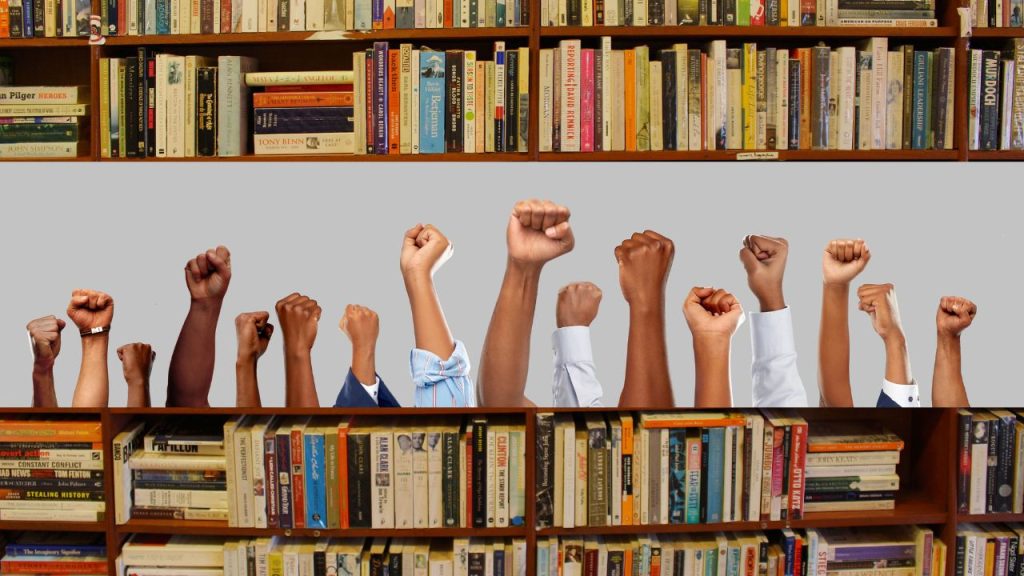


In this edition of our 5×5 series, we’re talking to five authors from a diverse array of background and communities about authentic representation in children’s literature. At a time when diversity in children’s books has become a political battleground and inclusive representation is under widespread attack in schools and public libraries, it’s even more important to understand why having access to media that affirms and celebrates marginalized communities is so critical for all young readers. Let’s learn more about five authors who are creating books for kids that encourage inclusivity and center underrepresented communities, and hear their thoughts on how diverse children’s literature can change lives.
The Authors
Alliah L. Agostini
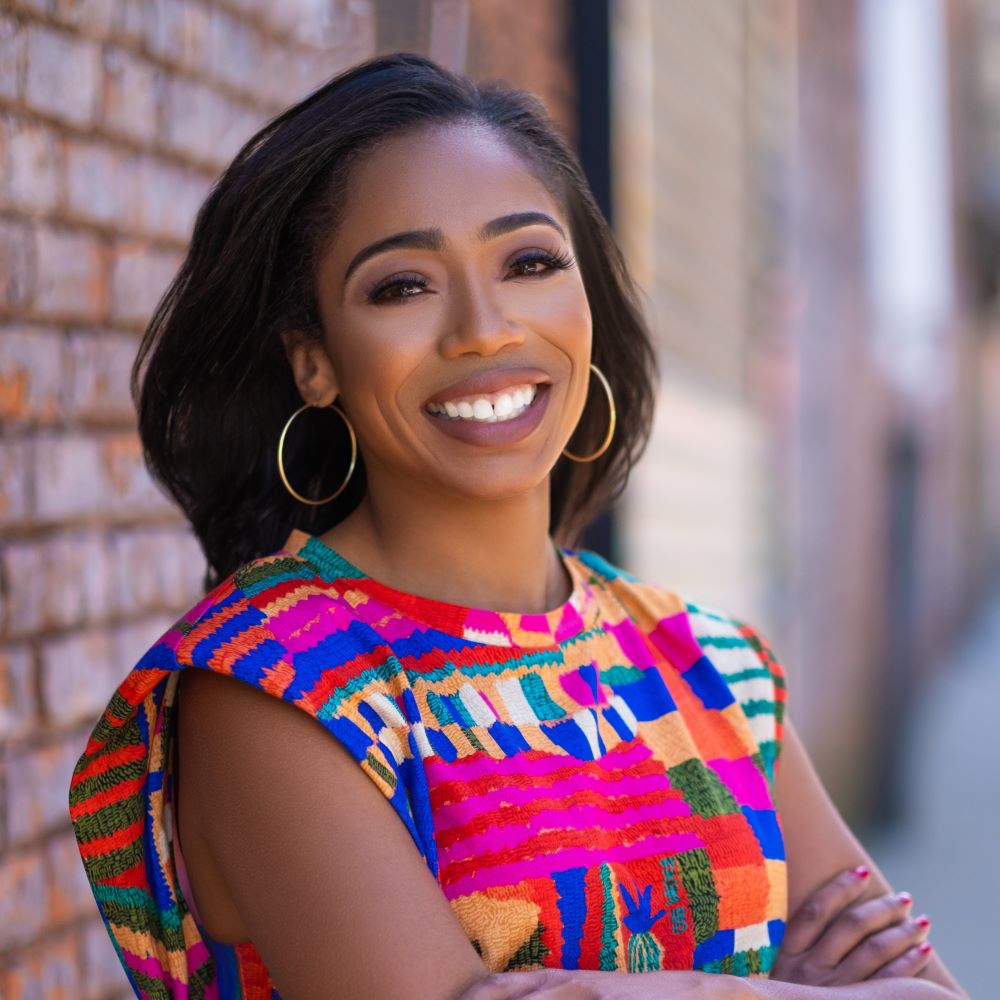
Buffalo, NY native Alliah (uh-lee-uh) L. Agostini (ah-go-stin-E) has marketed everything from iconic brands to scrappy start-ups, but motherhood helped her return to her first love: children’s literature. She writes to spread joy, truth, and to help more children see themselves reflected on the page.
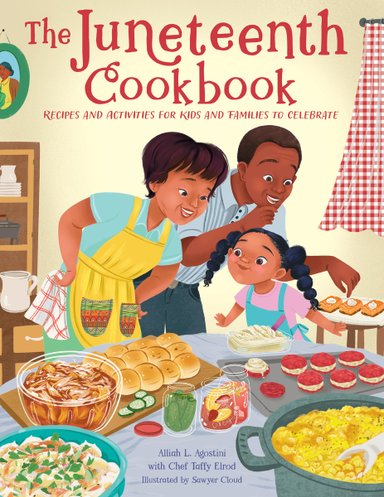
Alliah is the author of Junior Library Guild Selection Big Tune: Rise of the Dancehall Prince (starred reviews in Kirkus and Publisher’s Weekly), Black KidLit Award-winning The Juneteenth Story: Celebrating the End of Slavery in the United States, Oprah Winfrey: A Little Golden Book Biography, and The Juneteenth Cookbook. Her upcoming releases include Great Idea Malia, Blexi, Play!, Scarecited on the First Day of School, No Cat Like Tac, Art’s Art, and more.
A proud member of KidLit in Color, Black Creators HQ, the Picture Book Sunrays, and SCBWI, she and her work have been featured on Oprah Daily, Essence.com, TODAY with Hoda + Jenna, Morning in America, Good Housekeeping, CNN, NPR, and more.
Tyler Feder
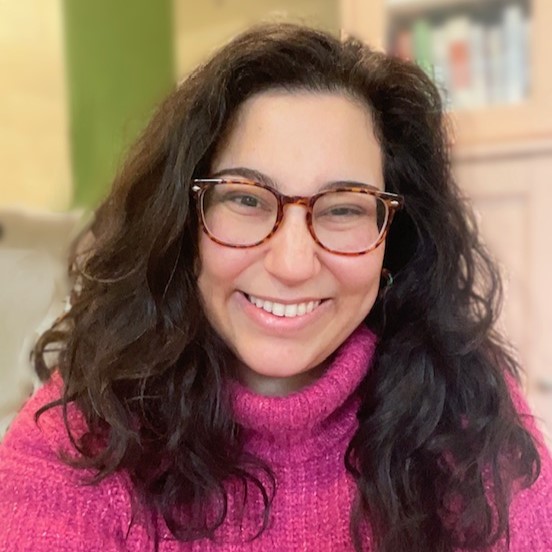
Tyler Feder is an artist whose work explores big feelings, feminism, and pop culture. Her debut solo work, Dancing at the Pity Party (Dial), a graphic memoir about the premature death of her super cool mom, won the Sydney Taylor gold medal for young adult literature. She wrote and illustrated two picture books: the critically acclaimed body positive anthem Bodies Are Cool (Dial) and Are You Mad at Me? (Rocky Pond), a charming tale of childhood anxiety co-authored with her sister Cody. In addition, Tyler also illustrated Together We March (Simon & Schuster) by Leah Henderson, Unladylike: A Field Guide to Smashing the Patriarchy and Claiming Your Space (Ten Speed) by Cristen Conger and Caroline Ervin, and All About Vulvas and Vaginas: A Learning About Bodies Book and All About Penises: A Learning About Bodies Book (Henry Holt and Co.), both by sex educators Dorian Solot and Marshall Miller.
Maham Khwaja
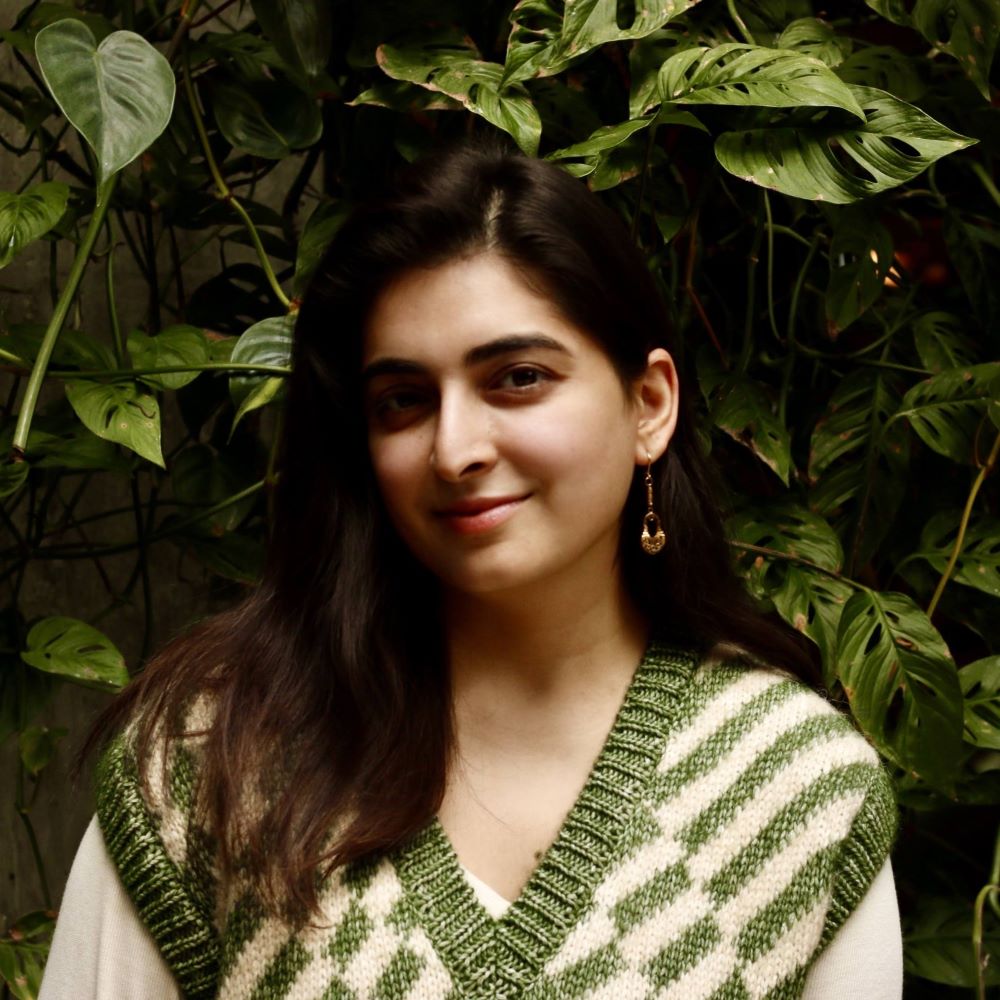
Maham Khwaja is a Pakistani-American writer, director, and artist. She has worked in feature film and network television production, as well as children’s programming, including Sim Sim Hamara (Sesame Street Pakistan), and was the recipient of the New Voices Award from Lee & Low Books for The Home We Make. Maham is currently developing her first feature, Auntie Express, about a boisterous group of Pakistani-American aunties who run a successful food truck. Maham currently resides in Brooklyn and works as a teaching artist providing arts access to K-12 students and community members.
Grace Lin
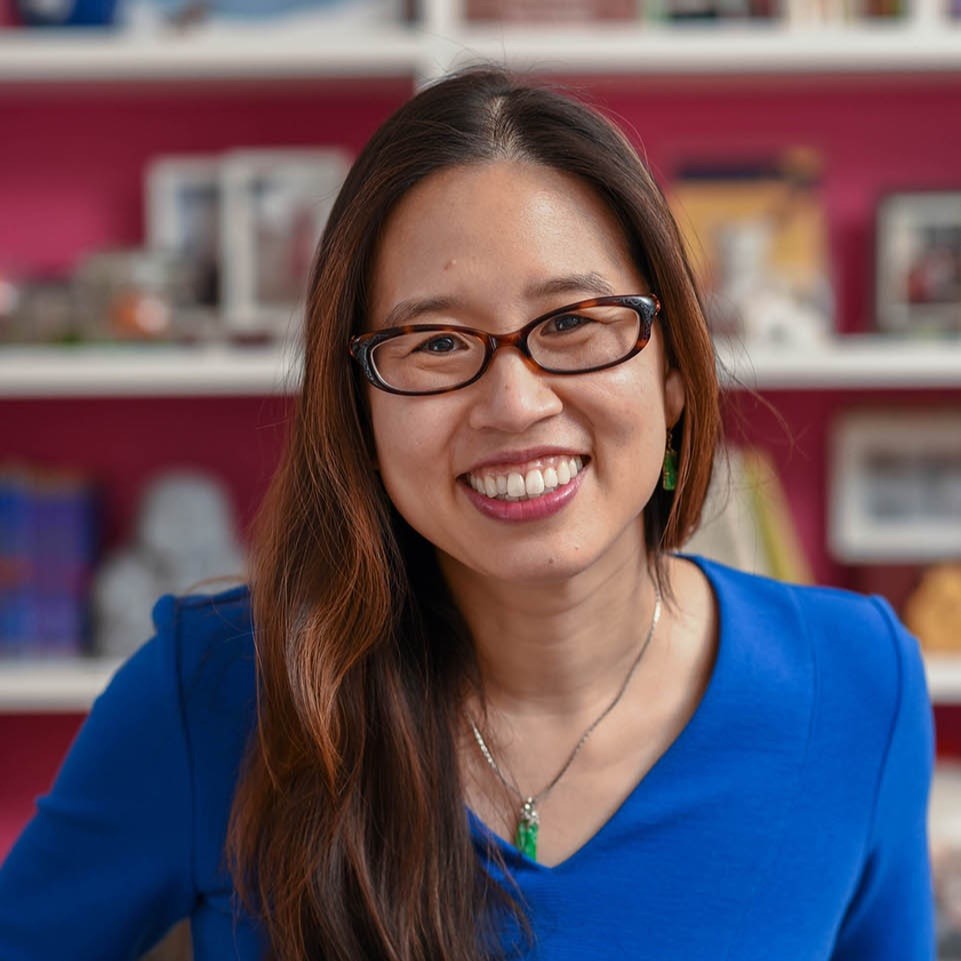
Grace Lin is the award-winning and bestselling author and illustrator of Chinese Menu, When the Sea Turned to Silver, Starry River of the Sky, Where the Mountain Meets the Moon, The Year of the Dog, The Year of the Rat, Dumpling Days, and Ling & Ting, as well as picture books such as The Ugly Vegetables, A Big Bed for Little Snow, and A Big Mooncake for Little Star. Grace is a graduate of the Rhode Island School of Design and lives in Massachusetts.
Nastasha Pollard
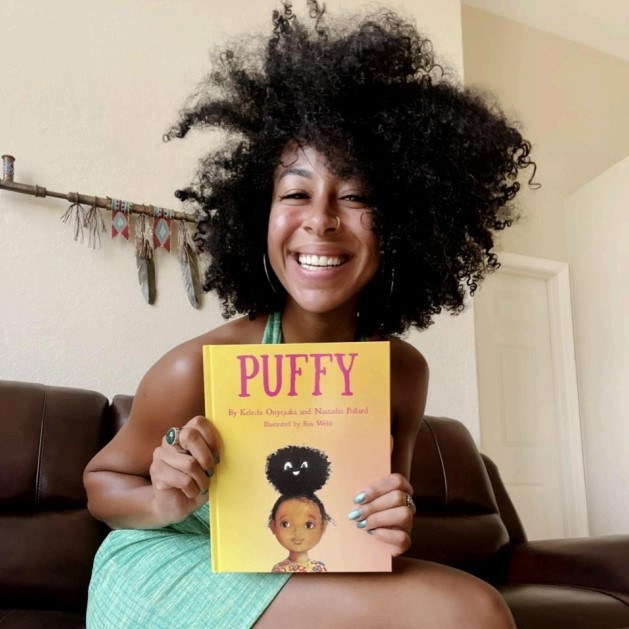
Nastasha Pollard is a Certified Registered Nurse Anesthetist who resides in New York City. She has her own business as an independent contractor providing anesthesia for surgeries and procedures in different clinical settings around Manhattan. Nastasha has simultaneously always had a big imagination and a passion for becoming a children’s book author since a young age. In 2021, she wrote and self-published her first children’s book with coauthor Kelechi Onyejiaka titled Puffy. Nastasha is currently writing her second children’s book, titled If You Don’t Know, Just Ask, with an estimated release date for Spring 2025. Nastasha enjoys traveling, investing, cycling, reading, plants, and spending time with loved ones.
The Interview
1. What do you want children to take away from your stories? How should they feel after having read them?
Alliah: I want kids to feel inspired — to feel a little bit lighter. I write non-fiction (like my debut, The Juneteenth Story) and fiction (like my most recent book, Great Idea Malia!) so each is a little bit different. But at the heart of each story is a little nugget of joy — whether it be in the joy of learning about how people have overcome adversity to create their own celebrations, as in The Juneteenth Story and The Juneteenth Cookbook, or the joy of celebrating what one kid can do, like in Big Tune and Great Idea Malia!
Tyler: I aimed Bodies Are Cool at preschoolers because I wanted to step in when kids are young enough that they have not yet absorbed the negative messages about bodies that are, unfortunately, a reality of living in modern society. My goal is for kids to come away from the book with a strengthened sense of wonder and delight at the diversity of bodies. I want them to look at their own bodies with compassion and respect and then extend that compassion and respect to other people’s bodies as well, no matter how much they differ from one another. Basically, I want fewer eating disorders and less bullying!
For Are You Mad at Me?, I am hoping that young children living with anxiety come away feeling comforted and encouraged. In my experience, adults have the tendency to minimize the mental health struggles of elementary schoolers because their problems can feel trivial when compared to the struggles of adult life, but for anxious kids, their anxieties are all they know! I want kids to understand that what they are feeling is real, that they’re brave for facing the world, and that things can and will get easier one day.
Maham: When I’m writing for children, I want them to be able to see themselves as human beings with agency and impact. So much of a child’s life involves the choices of others, and that can lead to feelings of hopelessness and frustration. After reading my stories, I want children to walk away knowing that they have agency and power and that these things are present in even the smallest of choices they make. I want them to feel hopeful, compassionate, and strong because they are all of those things and so much more.
Grace: I hope children take away a story that they love and remember; I hope they feel a sense of satisfaction, hope, and warmth after reading them. I always want my books to feel a bit like home — a place where they are always welcome, loved, and want to return to.
Nastasha: I write my stories for the possibility of impact; impact has infinite possibilities. My hope is little girls and boys will fall in love with themselves a little more after reading my book and future books. I want my stories to inspire children to become comfortable with who they are because that’s what illuminates the light they carry and how they walk the world. I want kids to be inspired to be curious and to dream big after one of my story times, because they now see the reality that they too can write their own book one day. My first children’s book, titled Puffy, allows for representation and makes an effort, in a creative way, to change the narrative that curly afro hair isn’t beautiful.
I want the takeaway to help quiet any self-doubt for little kids with curly hair: that their hair needs to be hidden, changed, or isn’t celebrated. A little girl may see herself on the cover of my book, and after reading the story, feel empowered and excited to love on her curly hair. Another little girl may read our book and look nothing like the main character with brown skin and an afro of curls, but she may learn people will look different from her and this isn’t something to be intimidated by or to bully. In fact, my children’s book Puffy will encourage her to celebrate differences because differences make us special.
2. How do you feel about authors who are not part of a minority group writing stories about the struggles of that group? Is it more important that children have representation, regardless of the source?
Alliah: While I understand that there may be people with expertise or who have done extensive research in the experience of groups that do not share part of their identity, it is generally my preference that such texts be collaborative efforts with or are written by an informed individual who shares the identity of the target group. Stories about Black people have long been told by and gate-kept by others, and we’re finally getting more opportunities to share our own. Frankly, speaking for myself, I don’t believe many Black authors feel the same level of comfort telling the story of a human outside of their racial identity as others do on our behalf.
I also strongly believe we should not conflate “diverse” books with books exclusively about struggle and adversity. Even in the most dire points of history, we also had the simple, mundane experiences of everyday life and also sublime joy.
Books about struggle have long been the lion’s share of books featuring protagonists from historically marginalized communities. While they are part of our story and are important for codifying and making sure everyone understands this part of our historical context, I don’t think those were the only stories being written about our lives. Perhaps those were the only stories those in power thought were marketable, which simply isn’t true.
This is why I believe representation — at every level of the publishing equation, from the authors and illustrators to the agents representing their work to acquiring editors to booksellers and librarians — matters. This funnel has a profound impact on the breadth of work ultimately accessible to readers.
Tyler: As a white person, I don’t think I have the authority to make a definitive call about this, but I will say that if an author or other creator who is not part of a marginalized group wants to tell a story about that group, at the very least, they should be doing a significant amount of research beforehand, including consulting with members of that group (and backing off the topic if that’s the feedback they receive!).

Maham: I believe a writer can write anything they are compelled to write, but if they find themselves writing the stories of those who have not had the privilege to do so themselves, it would be in good faith to at the very least acknowledge this, as well as the fact that they speak with the gaze of an outsider. But, at the end of the day, writers write. I think the larger responsibility lies within the publishing world to provide access and opportunities to those writers who have long been denied these things. There is an undeniable sense of joy and peace that comes from knowing a story about your culture has been written by someone connected to your culture. There is a shorthand that needs no explanation and a gaze that comes from within. You are looking together, rather than being looked at, and that is truly special.
Grace: In an ideal world, it wouldn’t matter who wrote the story as long as it was well done. Unfortunately, I don’t feel we are in that world yet. Having done this for over 25 years and meeting children who are readers of my books over this time period, I have personally seen and experienced how much it has meant to Asian children to see an Asian author writing Asian stories. I know how much it would’ve meant to me if I had seen it as a child. Right now, I think it matters that it is BIPOC authors that share BIPOC stories.
Nastasha: Representation from any author matters. However, Black, Brown, and Hispanic children must also see diverse books by Black and Brown Authors, so they know what’s possible and see someone that looks like them sharing in their experience. It allows their imagination to soar and for them to explore the world of infinite possibilities where they matter. Children know when they don’t see themselves in the world or in literature. It can disrupt their feeling of belonging. Black and Brown children’s stories shouldn’t just be about race/color; they should have everyday relatable stories where they see people who look like them experiencing the everyday ins and outs of life, where they are included.
3. Where does the inspiration for your stories come from? Lived experiences, creative process, or some combination of the two?
Alliah: My stories are largely rooted in at least a nugget of my lived experience that feeds into an insight I feel might translate across others’ lived experiences. For instance, my upcoming book Scarecited on the First Day of School is about a little girl making up words to describe her mixed emotions on the first day of school, but a large part of it is focused on her anxiety around her teacher mispronouncing her name, something that has been a big part of my life, and one of my least favorite parts of my first day at school — or anywhere, for that matter.
Knowing I’m not the only one who has dealt with this, I decided to tackle this story with another one of my loves, making lyrical texts (and making up words!) to create a story that kids might relate to, whether the theme of advocating for yourself and your “less practiced name” or the multitude of emotions she experiences on her first day of school.
Tyler: Certainly a lot of inspiration comes about throughout the creative process, but my books are primarily based on very impactful periods of my childhood. I was inspired to make Bodies Are Cool because I have seen firsthand the way that eating disorders and disordered eating can truly take over a person’s life. My sisters and I grew up in a very diet culture-y household within the very diet culture-y era of the ‘90s and ‘00s, and all three of us spent decades of our lives trying to undo the damage it inflicted on us.
Are You Mad at Me? also came about as a response to painful childhood memories, this time of being a misunderstood kid, yet to be diagnosed with an anxiety disorder, constantly feeling like there was something wrong with me. While making both books, I thought about what I wished someone had said to me when I was little that could have diverted me off of the path to self-hate, and then I tried to wrap that message in whimsy and colorful illustrations.
Maham: The inspiration for my stories comes from a mixture of lived experiences, observations of the world as I see it, and just good old-fashioned artistic curiosity and experimentation.

Grace: Definitely a combination of the two. I like to tell students that all my ideas come from real life — but that doesn’t mean the stories are real! My daughter has never eaten the moon like in A Big Mooncake for Little Star but she has eaten up an entire (large) mooncake — which inspired the book!
Nastasha: Inspiration for my story comes from my experience as a little girl feeling like my natural curly hair was not celebrated, not beautiful, not good enough, and was not desirable. I felt I had to change my hair or hide it, to not be rejected or feel self-doubt. I wanted to change the narrative for kids from a young age, who have a similar experience to me and see themselves in my main character in Puffy. I wanted my story to spark up conversation and curiosity from kids that may not have afro curly hair. Curly natural afro hair should be celebrated and loved on, kids’ imaginations should be ignited, and we must empower self-love in our youth.
4. What tactics do you use when presenting complicated topics to a younger audience? Is this a simple process for you, or do you find it difficult?
Alliah: It is difficult, because I try to find the balance of providing necessary information without sanitizing it, but still not overburdening young children with too much information. It’s a fine balance. That being said, I often say I think people don’t give kids enough credit for how much they understand. In The Juneteenth Story, I provide the context for slavery being associated with people (paraphrased) not being able to eat what they wanted to eat, playing when they wanted to play, or living how they wanted to live. While the horrors of slavery go far deeper than this, this still does strike on a level that even the youngest children understand; enslaved people were not free to live their lives as they wanted them — that is not a good or fair thing.
Tyler: Sometimes I think it can be more difficult to present the topics to adults! Kids come into the world with such a lack of bias and an openness to learn, that, in my experience, it doesn’t take more than a basic explanation to get through to them. For Bodies Are Cool, they don’t have to learn all the nuances of body image and appearance-based discrimination to understand that everybody (and every body) deserves respect!
As an author/illustrator who considers herself more of an illustrator/author, the main tactic I use is trying to convey as much of the message as I can through illustrations, especially illustrations that are fun to look at even without actually reading the book. When kids can look at a whole bunch of pictures of people in different bodies, all wearing colorful clothes and eating delicious food and having fun together, the concept that all bodies are good just makes sense.
Maham: I do find it quite simple, maybe because I’m a tender-hearted person by nature, or maybe it’s because I work with children as a teaching artist and have learned how to communicate with them effectively with compassion and understanding. That said, I do place importance in the art of subtlety in both my work for children and for adults, I don’t ever want to drill my point into the collective head of the audience, nor do I want to be gratuitous when it comes to violence and trauma. I want the readers to come to their own conclusion with the information that has been presented. I don’t ever want to tell them what 2+2 is. They are smarter than that.
Grace: That’s an interesting question. I write all different kinds of books, from board books to middle grade novels, and I find that it is the story that determines the audience. Some stories, like A Big Mooncake for Little Star, just wanted to be a picture book. Same with Dim Sum for Everyone! and The Ugly Vegetables. The stories came to me simply told with lots of visuals — which meant a picture book for younger audiences. Some stories come to me with many layers, complex and detailed, like When the Sea Turned to Silver. Those become novels. And, of course, there is everything in between. It’s not particularly difficult in the sense of painful struggle, but it does take time to truly understand a story. Many times there is a lot of trial and error. For example, The Year of the Dog began as a picture book that I had to let become a novel. It took me years to realize that.

Nastasha: I try to keep the messages simple and let them ask questions. Exploration and curiosity are important and a motivator for young kids. I try to let them share their own experiences and honest thoughts, and then give them perspective or guide them toward a lesson in a complicated topic. The process has been wavy and with more exposure to the little ones and experience, I feel I have gotten better and more comfortable with these discussions.
5. Many banned books tend to be diverse books aimed at children. Why are these books chosen? What do you think about this practice?
Alliah: I struggle to understand the minds of the people who find picture books about children finding joy in expressing their full selves or learning about their history and culture to be threatening. You could argue it’s because picture books are the only ones short enough for said adults to read, but oftentimes the people banning these books haven’t even read a page. Sad. In short, it’s a direct counter-resistance to progress made to elevate the full narrative of the world to reflect more than a cis-gendered caucasian population, which is over-represented in the media.
Tyler: Big shocker here, I’m sure, but I think it’s bad! Books are such an important way to introduce kids to the world outside their own communities, and it’s hard to get inside the mind of someone who feels threatened by the concept of children learning about people who are different from them. Do they think that by keeping kids from seeing, for example, queer families in their books, they’re “protecting” kids from ever meeting a queer person? Or from being queer themselves? I don’t understand it. I can’t tell you how many times I’ve been accused of “grooming” because Bodies Are Cool has a few people with top surgery scars in it or because I’ve drawn a variety of people “nearly naked” (aka wearing very ordinary swimsuits at the beach). If book banning advocates redirected their efforts to work that actually helps kids, they could accomplish so much!
Maham: Book banning, in general, is so egregious, but when it targets children in particular, I think it’s because they have some of the most flexible and open minds. Children’s brains are constantly ready to receive input about how the world works, and many diverse books tend to show children how the world can be. I think this threatens the powers that be and is, therefore, an affront to the rigidly racist and sexist systems that are in place in our society, from education to healthcare to justice.
Grace: Well, obviously, I think it’s terrible. Dim Sum for Everyone! and A Big Mooncake for Little Star were removed from library shelves and there was absolutely nothing political about either of them except that the main characters were Asian. But that was enough. In Florida, it is against the law to talk about race with students, and school administrators are scared that books like mine “might” make the students ask about it. I could go on for a long time about how wrong-headed and harmful this is, but suffice to say that I hope people fight against book bans and support educators who refuse to give in to the fear of book banners.
Nastasha: Some adults or groups of people don’t want to introduce an idea to children in books because they don’t want them to think about it, or be exposed to it, or they think if they are not exposed to it then they won’t think about it. This may be as simple as lack of open-mindedness or as deep as racism. We must stop banning children’s books. Every child deserves the chance to read books where they can see themselves reflected, or perhaps see improved versions of themselves, learn about people different from them, or discover hope, inspiration, or understanding. Every single child. This is just one of the countless reasons why banning books is harmful and why we must advocate for more diverse books for children.

Bonus Questions!
Are there any children in your life who inspire you to write? Who are they?
Alliah: Absolutely. My two children…and honestly my inner child, too. I started writing after becoming reacquainted with kidlit after they were born. My desire to tell stories that reflect our lives goes deeper than wanting to make sure to contribute to building a collection of literature that validates them — but to help the world see them as children deserving of the privilege of childhood, and not people to be feared.
Tyler: Other than the obvious answer of my hilarious and kind toddler nephew and baby niece, I am also very inspired by kids who are might be experiencing similar difficulties to the ones I had when I was little: neurotic and anxious kids, tall girls who slump to try to appear smaller, kids who receive a lot of comments on their appearance and feel pressured to change it, shy kids who resent being told to speak up, frantic not-quite-overachievers who never feel like they’re enough, people pleasers, anyone made fun of in gym class, anyone suffering in silence. Just knowing that kids like that continue to exist inspires me to keep making work that aims to make the world kinder.
Grace: Definitely my daughter! She is featured prominently as Little Star in A Big Mooncake for Little Star, Alice in Once Upon a Book and also in Chinese Menu. Very often being a working parent means getting work done in spite of your kids; I love being able to feel that I do my work because of my child.
Nastasha: My inner child inspired older me originally to want to write. Now, I am even more inspired by all the children I have met from all my school visits and experiences at story times to write another childrens book.
If you had to give a child a diverse children’s book besides your own, what book would you give them and why?
Alliah: It really depends on the child and their interest and/or particular need — diverse is a very broad term. Because I think we all could use a little more laughter, within the context of a book with leads of color, one that comes top of mind is Cute Toot by Breanna J. McDaniel and illustrated by Olivia de Castro (who also illustrated Great Idea Malia!). It’s about two sisters (who happen to be Black) playing hide and seek, but it shortly (de-?)evolves into a fart competition. My kids think it’s a riot. Why shouldn’t they? Farts are funny.
All too often this subject matter has remained in the domain of White male protagonists and/or animals. This funny book written by a Black woman about Black girls is actually strangely radical. We need to normalize our joy and our humanity, and this picture book is one way to do that very early. Black farts are funny, and they matter, too.
Tyler: There are so many, but one book that I think fills such a specific and necessary niche is Laxmi’s Mooch by Shelly Anand (a lovely author and person I’ve been on panels with in the past). It’s about a young Indian American girl who is teased for her little mustache, and, with the help of her family, learns to accept and embrace her body hair. I had a LOT of feelings about my own upper lip hair when I was growing up, and I know this book could have made a huge difference in my self-esteem.
Grace: It would depend on the age and the child as tastes range so greatly! But for the child I was, I would’ve given myself Juna’s Jar written by Jane Park and illustrated by Felicia Hoshino, and Jasmine Toguchi by Debbi Michicko Florence. In middle grade, I would’ve given myself Maizy Chen’s Last Chance by Lisa Yee. My own daughter, who is more spirited than I, enjoyed books like The Boring Book by Shinsuke Yoshitake and The Serpent’s Secret by Sayantani DasGupta.
Nastasha: Something, Someday by Amanda Gorman and illustrated by Christian Robinson because it inspires kids to know that together we can make the world a better place, create change, find beauty in a world that sometimes feels broken.
An enormous thank you to Alliah, Tyler, Maham, Grace, and Nastasha for taking the time to share their work and insights with us. As inclusive and diverse representation for children continues to suffer disgraceful pushback, we’re grateful to all creators who are making sure that all young readers feel seen, valued, and important.
Find Alliah L. Agostini here.
Find Tyler Feder here.
Find Maham Khwaja here.
Find Grace Lin here.
Find Nastasha Pollard here.
For more conversations with authors on the dangers of the book banning movement, check out our 5×5 with Authors With Banned Books on Censorship.
To see all of our recommendations for all mini bookworms, check out our Bookshop bookshelf.