













When we think of the term “ghostwriters,” we think of James Patterson and Tom Clancy who made no secret of their use of ghostwriters. In truth, ghostwriters have been around since the beginning of time.
From scribes writing for kings to authors writing for presidents, celebrities, even magicians, ghostwriting has a lengthy and fascinating history. Let’s delve into the history behind those invisible writers.
What is ghostwriting?
The idea behind ghostwriting is that one person would hire a ghostwriter to write a book for them, but the writer does not get any credit for the work. As a result, the readers would have no idea that the name listed on the cover of the book was not the name of the person who wrote it.
Nowadays, ghostwriting is more about the collaboration between authors and ghostwriters. It is becoming more common for ghostwriters to work together with the author in some capacity, either by editing drafts, helping brainstorm ideas, and more. More authors have begun adding their ghostwriters to their book covers, crediting them by stating “with [person]” or “and [person]”
Ghostwriters make anywhere from $30,000 to $80,000, but that price varies depending on the writer’s popularity, and various factors regarding the project. More highly sought after ghostwriters have higher rates, and ghostwriters can charge per page, per hour or per project. Ghostwriters tend to invest about 300 to 500 hours into a project, and can also charge for additional services such as editing.
Where It All Began
One of the earliest records of ghostwriting would be with the Bible. While each book of the Bible is credited under one name, both testaments were edited and revised by a committee hundreds of years after the actual events occurred.
In the ancient times, stories were not a physical collection of books, but rather an oral tradition that carried throughout cultures. As such, even before the Bible, the oldest texts were passed down by word of mouth; therefore, falling into the category of ghostwriting.
One example is The Brothers Grimm, known for the gruesome tales that led to the fairytales we know and love today: Cinderella, Sleeping Beauty, Snow White, and more. Those stories originated by word of mouth, and the Grimm Brothers recorded all those tales which were acquired by Disney.
Ghostwriters were especially popular for political figures, who lacked the time to compose their own works. A notable example would be Alexander Hamilton, who was a ghostwriter for George Washington. He wrote many of Washington’s letters and speeches.
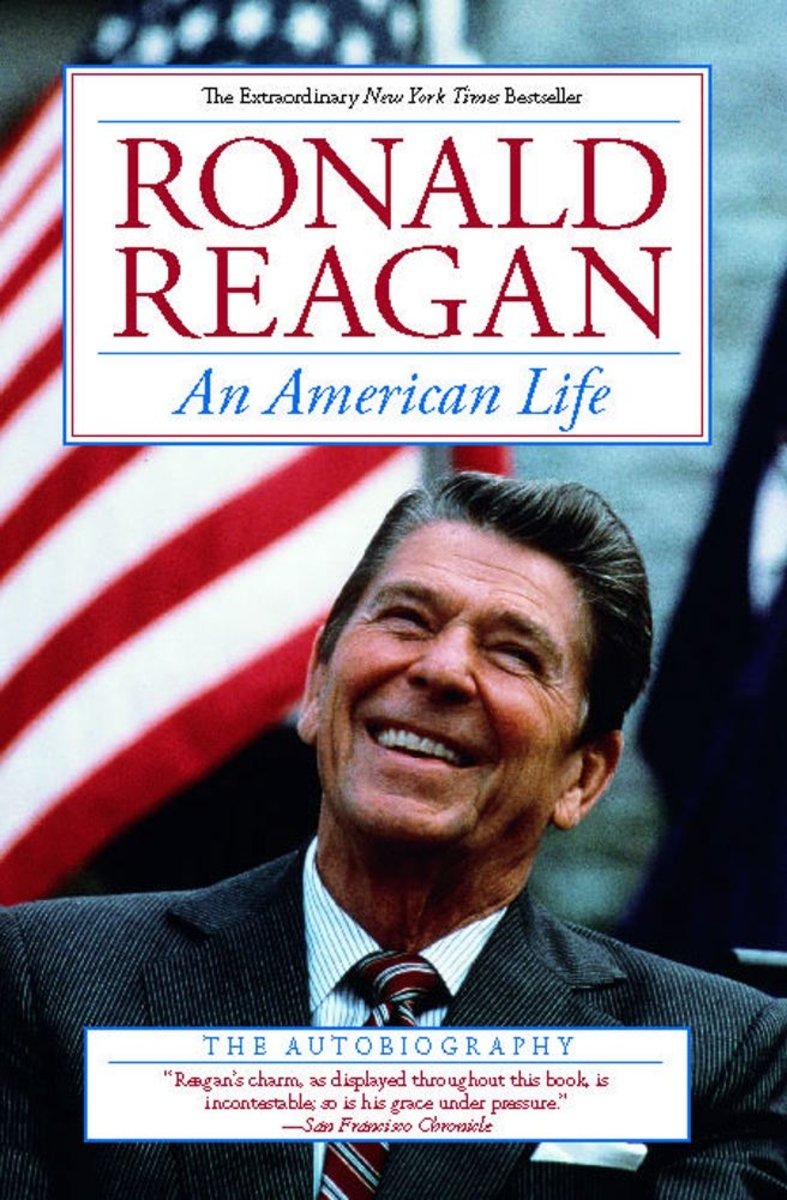
Former president Ronald Reagan also used a ghostwriter for his book, An American Life. While credited to Reagan, it was ghostwritten by Robert Lindsay, a journalist and an author himself.
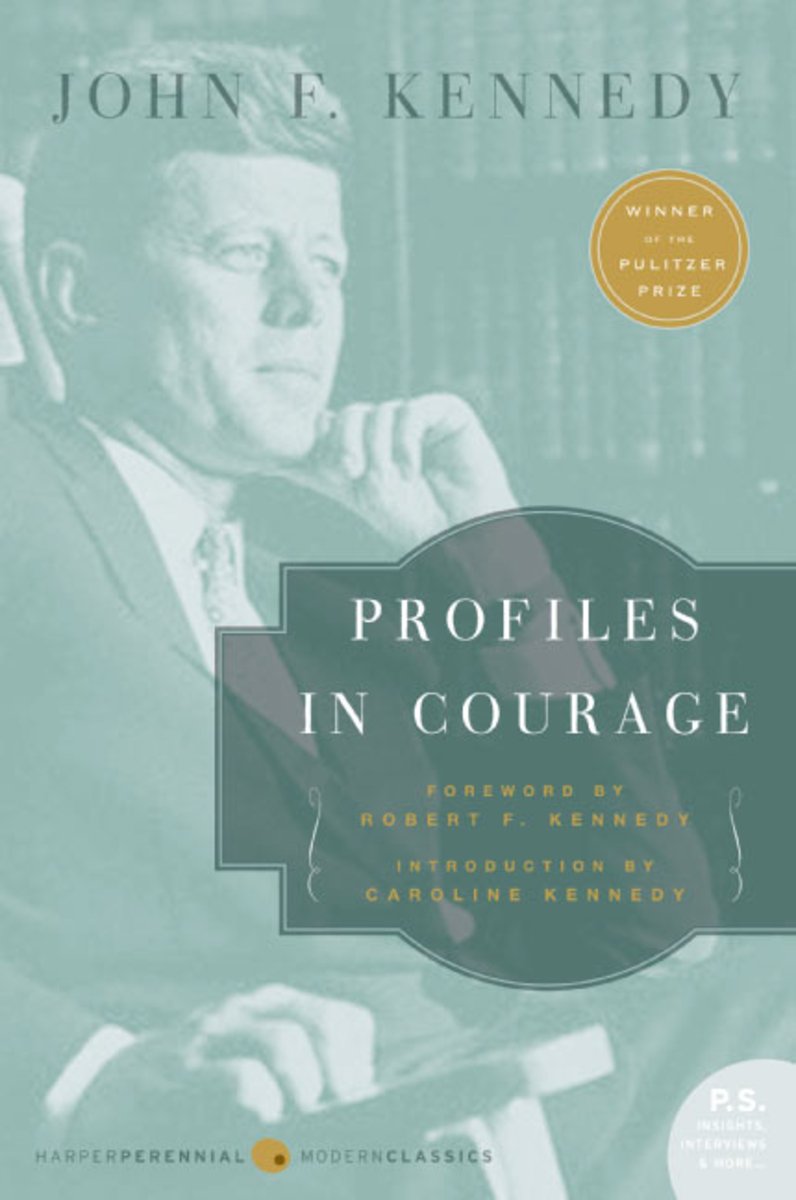
Additionally, former president John F. Kennedy used a ghostwriter for his Pulitzer prize-winning book Profiles in Courage which was written mostly by Kennedy’s speechwriter Ted Sorensen. This earned Sorensen some fame and made him a highly sought after ghostwriter.
Thanks to the Internet, ghostwriters were no longer kept in the shadows. An example of this would be with Jon Favreau, a political pundit who served as the speechwriter to former President Barack Obama. Thanks to his work for the former president, he gained some fame. People began realizing that celebrities and politicians did not write their own books, and started accepting this fact. Now, it is common knowledge that most celebrities utilize ghostwriters to write everything from speeches to social media captions.
The Pens Behind The Famous Books
Ghostwriters were not just used for memoirs and autobiographies. In fact, some of the more famous books we know today were penned by ghostwriters.
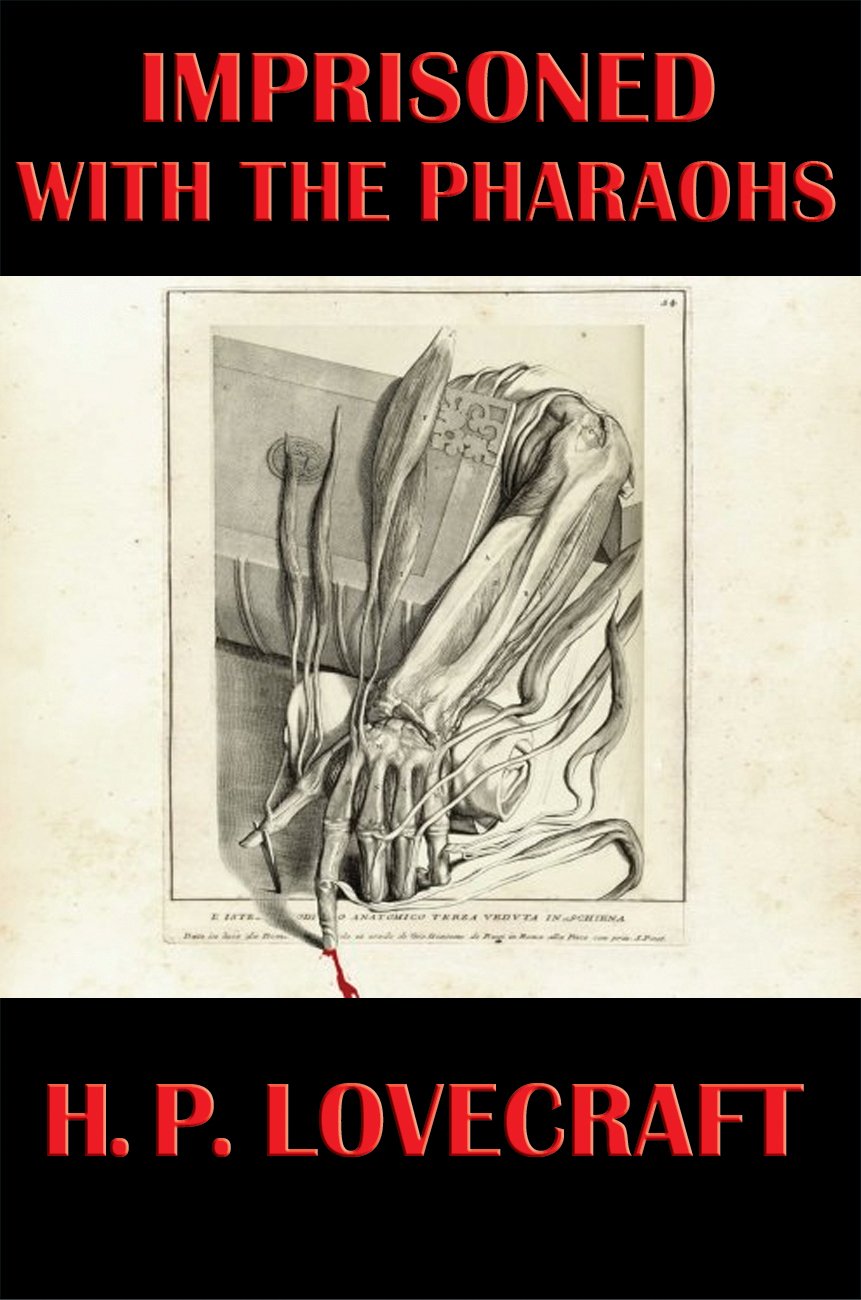
One example is H.P. Lovecraft, a writer known for his horror books, who ghostwrote for Harry Houdini, the famous escape artist. The book Imprisoned with the Pharaohs details one of Houdini’s escape acts. Lovecraft would go on to write more books for Houdini.
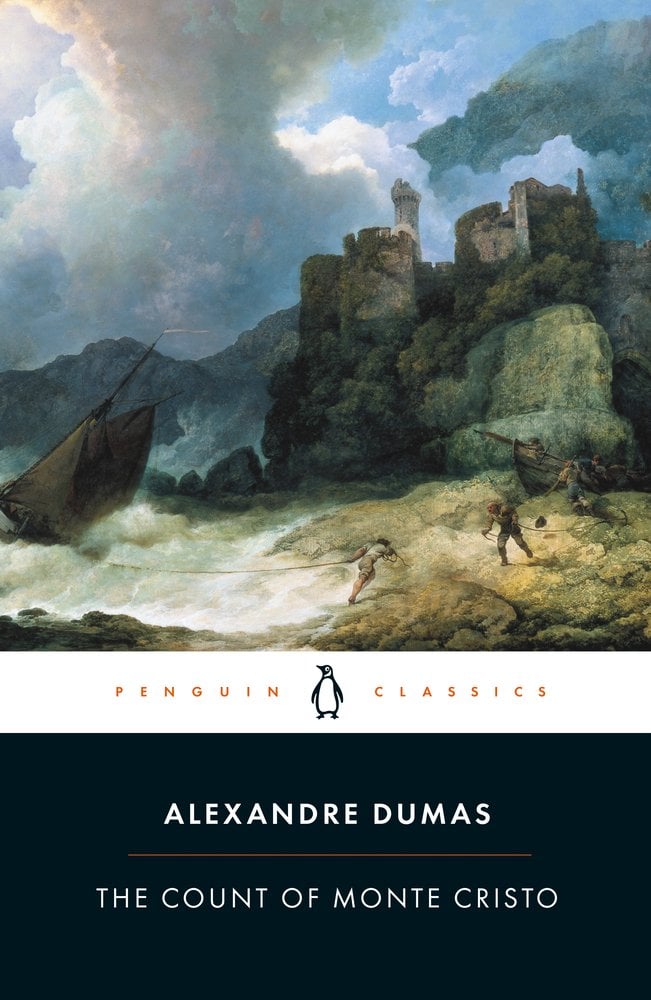
The classic tale The Count of Monte Cristo was credited to Alexandre Dumas, but written with the assistance of writer Auguste Maquet. Maquet was never credited for his work when it was published, but worked on other books with Dumas, including The Three Musketeers. Rumors are that the books he ghost wrote were credited on Maquet’s tombstone.
While George Lucas created the Star Wars concept, he used ghosts for the script for A New Hope as well as the books. Ghostwriter Alan Dean Foster wrote the novel Star Wars: From the Adventures of Luke Skywalker, which is credited to George Lucas.
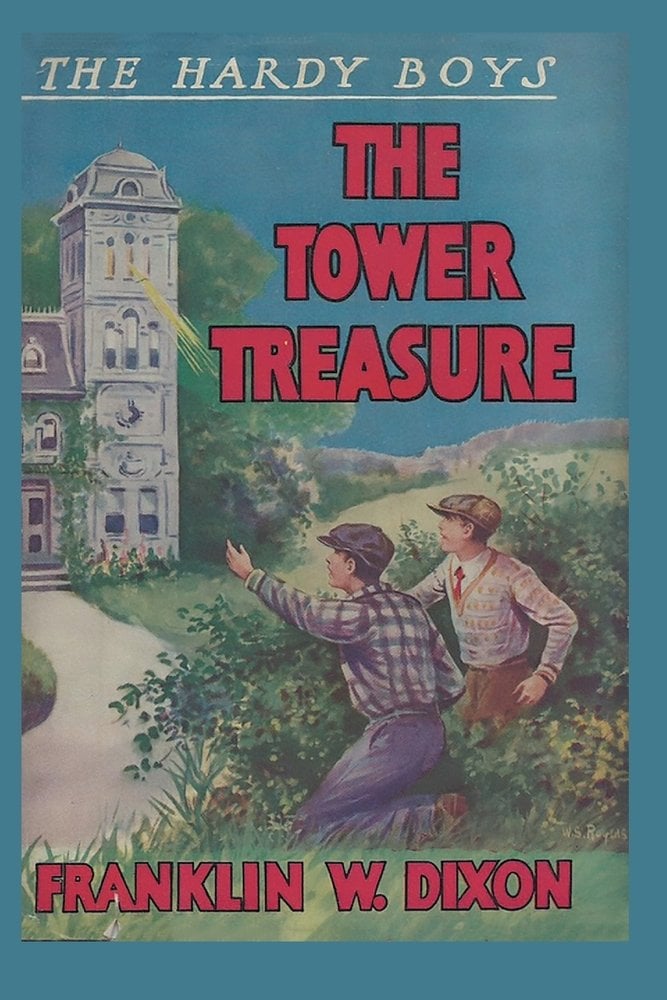
Some well-known pseudonyms were written by ghostwriters, including Carolyn Keene and Franklin W. Dixon which are the names tied to the Nancy Drew Mysteries and the Hardy Boys. Both pseudonyms were taken over by numerous writers over the years. Author Peter Lerangis, known for the popular series 39 Clues, was a ghostwriter for Hardy Boys and The Baby-Sitter’s Club.
The popular Jason Bourne series that was adapted into a film series was partially ghostwritten. The author Robert Ludlum passed away in 2001, and ghostwriter Eric Van Lustbader continued the series by writing the next 11 books in the series. Ludlum’s books were also adapted into multiple films, with Matt Damon playing Jason Bourne from 2002 to 2007. One of Lustbader’s books was later adapted into a 2012 film, The Bourne Legacy, starring Jeremy Renner. Various ghostwriters continued the series afterwards Lustbader, but they remain anonymous.
More recently, celebrity Gwyneth Paltrow released her cookbook, It’s All Good: Delicious, Easy Recipes That Will Make You Look Good and Feel Great. While credited to Paltrow, it was written by ghostwriter Julia Turshen, who has done many books for celebrities.

These are just a few examples of books that were ghostwritten. A list of ghostwriters and their respective authors and works can be found here.
Why People Use Ghostwriters
According to professional ghostwriters, one of the reasons authors may approach ghostwriters is that they want someone with more experience and skills to help write a book. Another reason for using ghostwriters is to help bring an idea to life.
James Patterson, a famous author known for using ghostwriters, creates the ideas and outlines his plots before having his writers work on the first draft. He credits his ghostwriters in the titles, which is a more common practice today.Speculation has surrounded the purpose of his use of ghostwriters, but the common answer is that he uses them to keep up with his intense workload, producing multiple books a year.
Another reason is that authors may not have the time to write a book. Writing a book is no quick task, and especially for politicians and celebrities who have demanding, time-consuming jobs, using a ghostwriter for this purpose may be what works best for them.
The concept of ghostwriting has existed since the beginning of time. While most writers went unnoticed and uncredited, it has become a more common practice to give them proper credit today.
From writing presidential letters to aiding famous authors, ghostwriters have become valuable members of the community, being the minds behind the works we know and love today.
More bookish trivia can be found on Bookstr’s Trivia page.
The list of books and more can be found on our Did You Know? Bookstr Trivia for Your Curious Bookish Mind shop on Bookshop.