











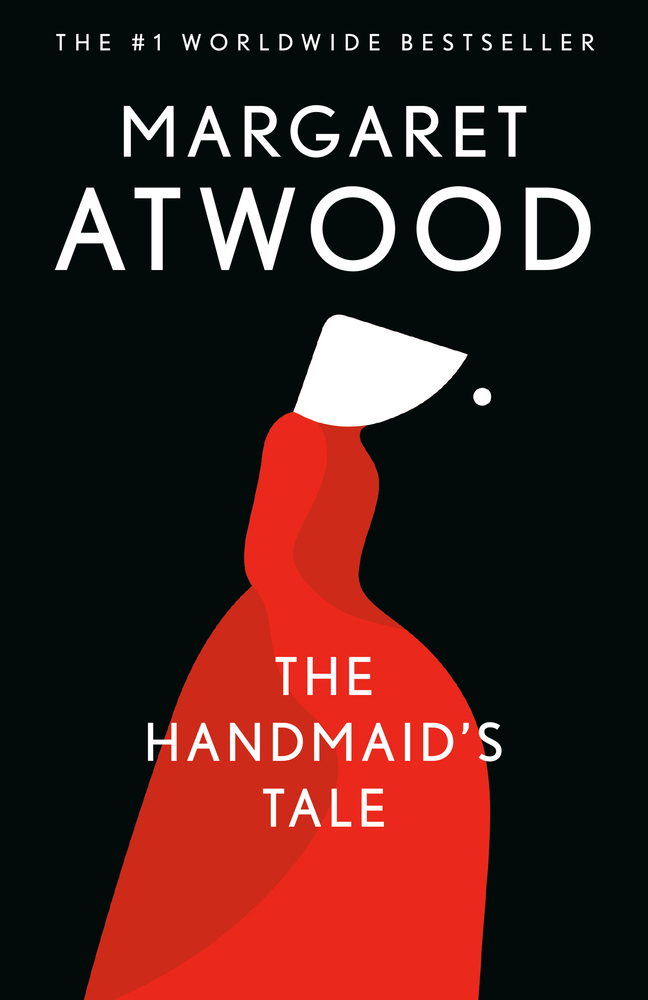
Although fertility rates haven’t completely collapsed and given rise to a theonomic government (go read The Handmaid’s Tale by Margaret Atwood or watch the Hulu series if this reference makes zero sense), fertility rates have significantly declined in recent decades. Roughly 13% of couples struggle to conceive when the female partner is under 30. The rate increases to 22% when the female partner is 30-39. In addition, many couples wait until their 30s before trying to conceive, which gives women a short window to have children considering pregnancy at 35 is geriatric.
Statistics aside, reproductive health issues can be extremely emotional–shame, guilt, humiliation, confusion, frustration–each person has their unique set of sentimental hurdles to jump. My husband and I have been actively trying to conceive (TTC) for 2+ years. I am 32 years old and well on my way to a potential geriatric pregnancy, and one of our literal hurdles was discovering my ovaries were spotted with cysts.
So, down the Polycystic Ovarian Syndrome rabbit hole, I went. I was convinced that because I had the syndrome’s root name (polycystic ovaries), then I absolutely must have PCOS. Oh, how wrong I was. To rule it out took a few months of consistent blood work, menstrual cycle tracking, and efficient communication with my fertility endocrinologist (Jan, you’re amazing!). I was determined to have a concrete answer to why we hadn’t successfully conceived yet.
It turns out that despite my polycystic ovaries I do not have PCOS because I lack the most important diagnostic criterium: excess male sex hormones. I am fortunate that I have access to reproductive healthcare that was able to eliminate an infertility cause and give us further direction on our TTC journey.
PCOS in Literature
Now, back to books! It was difficult to locate many titles with a prominently featured PCOS character across any fiction genre (despite the need for representation). Women and couples struggling with PCOS/infertility can now seek representation in a slew of celebrities who have come forward and talked about their reproductive chronic illness experiences. Among them, Keke Palmer, Bebe Rexha, Jillian Michaels, and Lea Michelle are helping women understand that they are not alone. Women sharing their reproductive journeys begets empathy and normalizes discussing women’s reproductive healthcare.
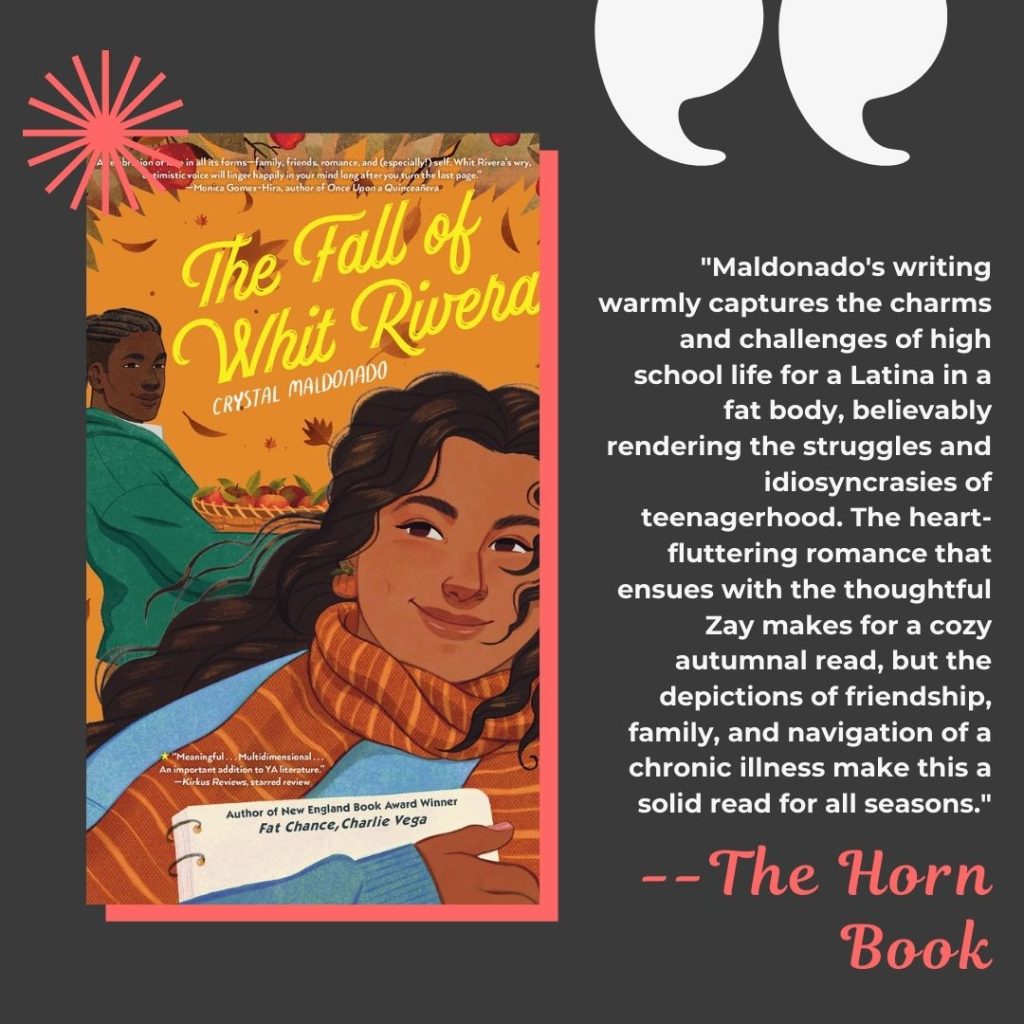
There is one fiction title worth noting: The Fall of Whit Rivera by Crystal Maldonado, a YA fiction with a PCOS heroine. Maldonado was diagnosed with PCOS when she was 16 and wanted to share her experience through her writing and bring awareness to a rarely discussed chronic illness. She had to advocate for her health, even at 16, because her family members and physician didn’t ask further questions about her symptoms. Unfortunately, this is common with invisible illnesses. Maldonado trusted her instincts. She knew her body was trying to tell her something, so when she saw a tiny article in a magazine alluding to PCOS she clipped it and brought it to her family doctor. Lo and behold, Maldonado was correct–she has PCOS. Her courage to share her uniquely female and vulnerable corporal experiences, and convey those feelings through a teenage lens is incredibly powerful to all women.
How to Advocate for Reproductive and Fertility Healthcare
While the Affordable Care Act does require most insurance plans to cover family planning counseling and oral birth control contraceptive methods, this may not be enough. The Biden administration has committed themselves to protect women’s reproductive rights, allowing women to make decisions about their bodies, and reinforcing the FDA’s determinations regarding safe and effective medications.
This may not be the case with future federal administrations, and with the Supreme Court’s overturning of Roe v Wade in June 2022 other bills and pieces of legislation regulating women’s reproductive health have entered the chat. Read these bills, participate in elections, and when a bill passes read the legislation to garner an understanding of how this may affect the ability to conceive or receive appropriate reproductive care.
Most recently, the Senate blocked three bills that would have protected current rights and potentially secured safety for medical professionals to help assist women facing severe reproductive issues, including abortion rights and in vitro fertilization (IVF) access. These pieces of legislation would have guaranteed continued access to and proper medical education for women’s reproductive healthcare, and while we do not know the indirect legal consequences of these bills getting shot down, what women need to know is what is where they stand in their autonomy. This is crucial for women/couples seeking IVF treatments or egg freezing.
PCOS is a chronic female reproductive illness that affects one in ten women nationwide, there is no cure, and it is the most common cause of infertility in women. There are many potential symptoms including unwanted bodily hair growth and skin problems, but the presence of hyperandrogenism (excessive male sex hormones) is the essential element for diagnosis. Getting a PCOS diagnosis may not be straightforward, especially because the menstrual cycle has very little research compared to other organ systems and bodily phenomena and many of these symptoms could be attributed to other conditions. In this age of information, information regarding PCOS is more readily available than ever before. However, not all information is good information. Advocate for your health–talk to your doctors, and (if needed) consult a lawyer regarding your family planning and/or medical reproductive services.
Want to learn more about Women’s Rights? Read about why Mary Wollenstonecraft is considered a Women’s Rights pioneer!
Stay informed and arm yourself with the latest Banned Books from Bookstr’s Bookshop!