




When I was a little girl, my mother dedicated a space in our house to be my brother’s and my playroom. There were Barbies, cars, building blocks, stuffed animals, and other knick-knack items, but a corner of the room had a bookshelf full of my childhood books — Dr. Seuss, Adventures of Frog and Toad, Charlotte’s Web, Peter the Rabbit, and Biscuit were just some of the classics that I would reach for.
As I’ve gotten older, the bookshelf grew, adopting young adult fiction, autobiographies, classical literature, and a dash of mystery and romance. However, just because the bookshelf changed didn’t mean the children’s books were thrown out. No, now they’re the basis of sparking that childhood imagination that sometimes fades due to the realities of everyday life.
A Walk Down Memory Lane
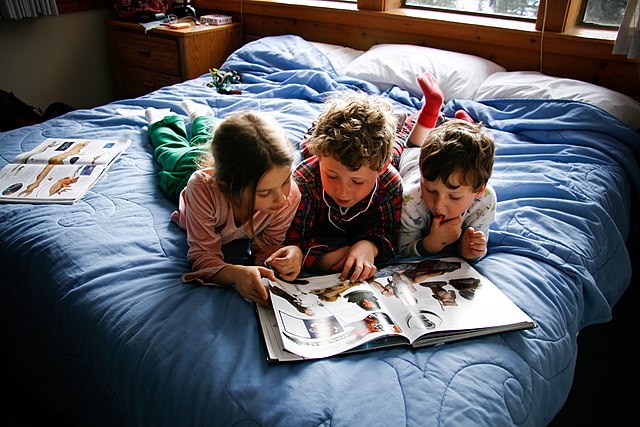
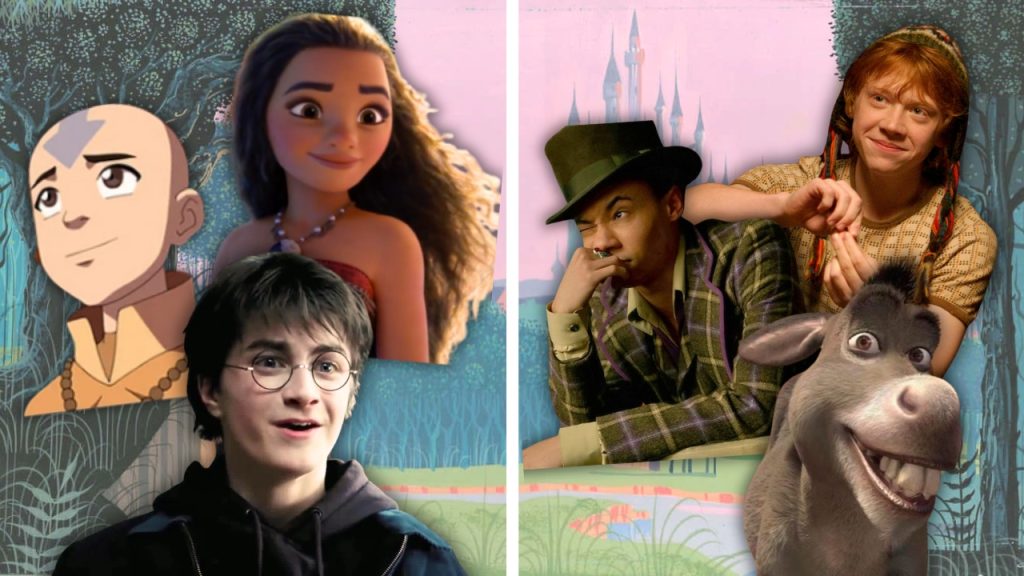
While it can be easy to shift our mindset into thinking our reading focus should reflect our age, I can’t imagine a world where adults completely let go of children’s literature. Children’s books are the foundation for growing a love for reading. It’s the first genre we’re introduced to whether it was your parents reading to you or a teacher at school. By closing the door on children’s literature, we are ignoring the importance it still has in our lives in our 20s, 30s, 40s, and so on.
Ignite that Inner Child
So you may be asking yourself, how do children’s books impact me as an adult? It’s quite simple, really. The most apparent reason is nostalgia. It is like watching an old Disney movie you adored as a child when you are an adult, and those same feelings come rushing back to you. Maybe you see the film differently now that you are older, but you cannot ignore the nostalgic feeling of childlike joy after watching it. The same can be said about a children’s book. We all have those few books that had a special place in our hearts as a child.
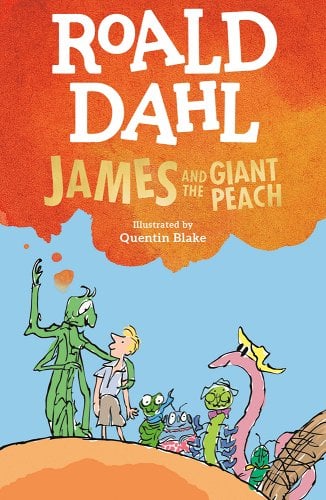
When I pick up the book James and the Giant Peach by Roald Dahl, I am transported back to my second-grade classroom surrounded by my friends as we sit on the reading carpet, listening to our teacher read the book to us. Reading children’s books brings back positive memories and allows for personal reflection on who we were as a child and who we are now. Anytime we pick up a children’s book, we allow ourselves a moment of youthfulness again. To remember the days when our worries were few and our adventures were many.
A World of Imagination
Reading children’s books also grows our imagination. Martha C. Pennington and Robert P Waxler state that “imagination and magical thinking connected to reason spur discovery, innovation, and new understandings, it can be maintained that literature has a key role in both developing and engaging imaginative and magical thinking.” While I’m not saying to simply forgo our treasured literature of today and focus solely on children’s books, I’m saying there is great importance to maintaining that child-like spark we all have. Life can be painful, and the trials we face can bring us down.
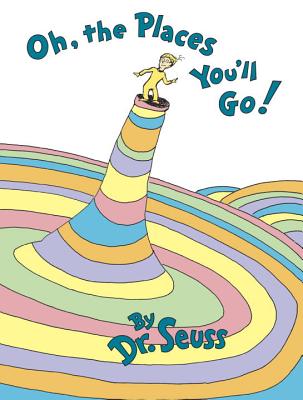
Sometimes, the books we need to ignite our imagination aren’t the ones on our bookshelf but rather the ones tucked away. The book Oh, the Places You’ll Go by Dr. Seuss is a whimsical approach toward achieving big dreams in life. People tend to use this children’s book to quote at graduations as a reminder for students to continue on with their aspirations and to keep going even when life takes its toll.
A Boost to Your Intelligence
Another beautiful element of reading children’s books is they boost emotional intelligence and cultivate empathy. Many of the children’s books are used to teach children how to be a good person through imaginative stories. The books help children navigate how to understand complex emotions and how to process difficult moments in life. They are clear, simple stories that guide children in understanding what is right and wrong. Even as adults, we can still use those reminders today.
Don’t Close The Chapter Just Yet
As we reflect on National Storytelling Week, let us not forget the roots of our reading journey. Don’t close the chapter of your childhood reading adventures because you think you have outgrown those magical stories. Do not lose that sense of imagination and wonder because without it, where would you be? Our inner child needs to be ignited now and then. We cannot live a life without a little splash of excitement. Life is too short to not pick up a children’s book you loved and reminisce. Maybe allow that creativity to excite you once again, and maybe dare to do something child you would be proud of.
Looking to learn more about children’s literature? Click here.
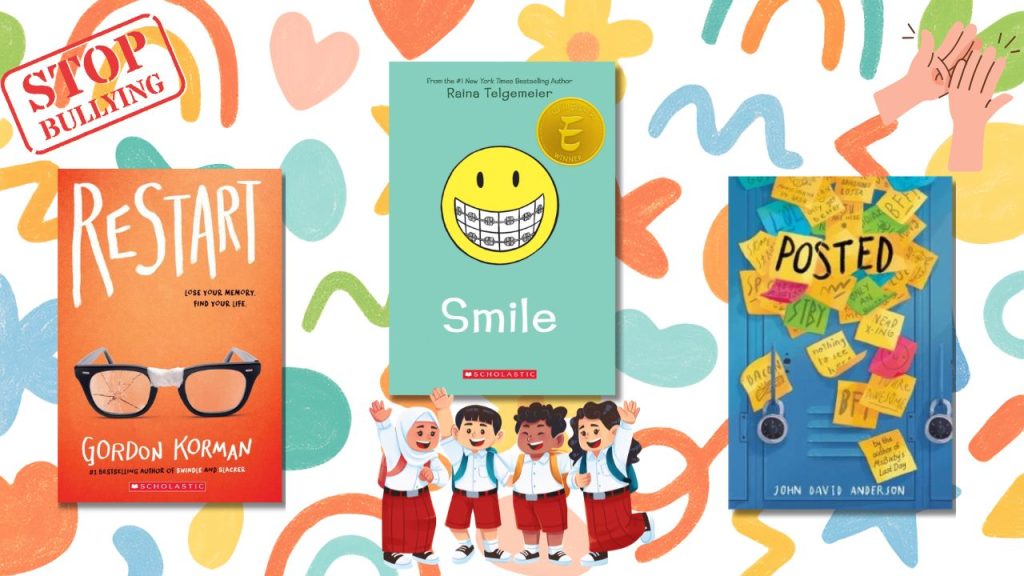
Check out some fun children’s book recommendations here.