















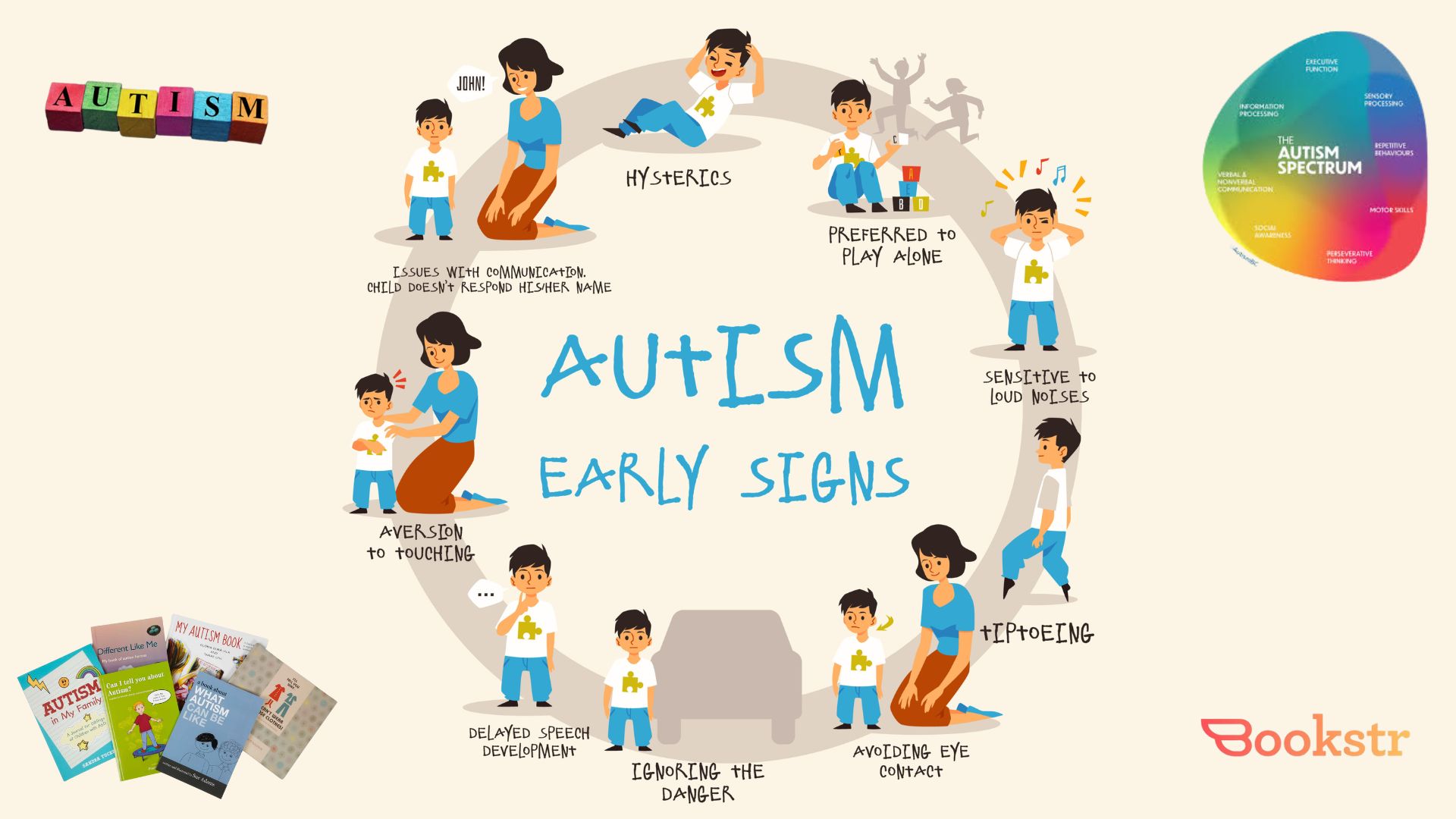
Autism is often misunderstood, especially when compared to similar conditions like ADHD. However, these books offer a deeper perspective, helping you better understand and connect with those who experience it.
Thinking in Pictures by Temple Grandin
Thinking in Pictures is an autobiography where Temple Grandin shares her personal experiences of living with autism and how her unique way of thinking shaped her life. Grandin challenges common misconceptions about autism and highlights the strengths of autistic minds.
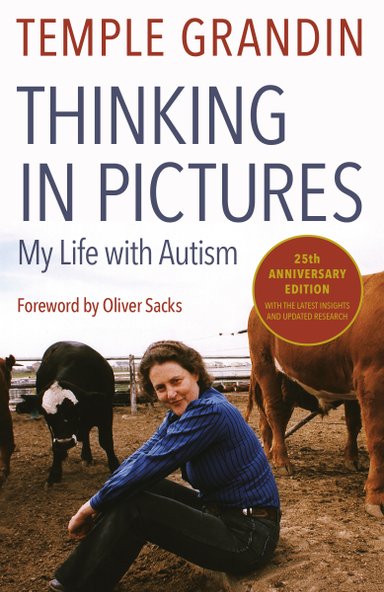
As an autistic woman who became a leading scientist, her first-hand perspective helps readers understand different cognitive approaches and the value of diverse ways of thinking. The book reinforces that autistic individuals are not limited by their condition but are capable of thriving in meaningful and influential roles, as demonstrated by Grandin’s success.
Look Me in the Eye by John Elder Robison
John Elder Robinson reflects on growing up diagnosed with autism, struggling with social interactions, and feeling like an outsider. His memoir shares his difficult upbringing – from living in a chaotic household to developing a passion for electronics and struggling to socialize and connect with others.
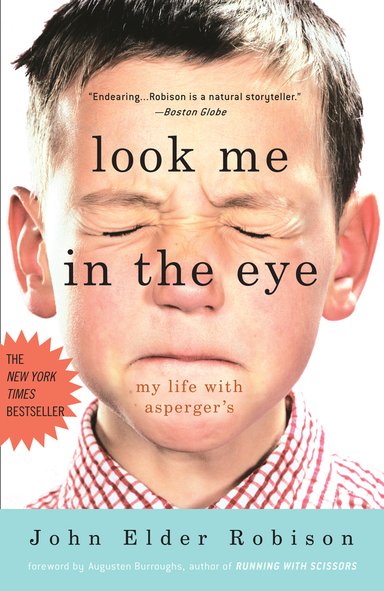
The book provides an honest, often humorous insight into what it’s like to move through a world that doesn’t fully understand him. His journey highlights the importance of embracing one’s individuality rather than seeking external validation.
A Kind of Spark by Elle McNicoll
Elle McNicoll’s novel follows Addie, an 11-year-old autistic girl who fights for a memorial in her town to honor women wrongly accused of witchcraft. The story explores themes of self-advocacy, standing up for others, and challenging injustice.
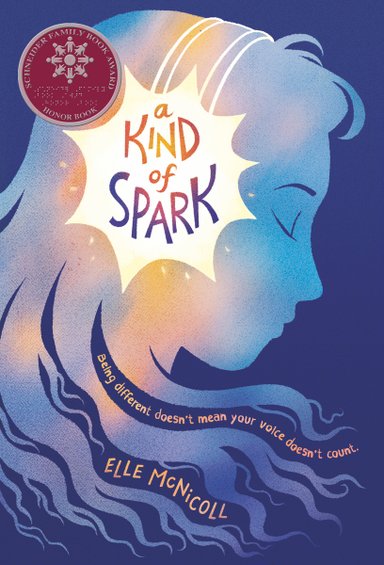
McNicoll breaks down harmful stereotypes and emphasizes the importance of empathy and inclusivity. The novel delivers a heartwarming message about kindness, understanding, and the power of standing firm in one’s beliefs. It has been widely praised for its authentic representation of autism.
On the Edge of Gone by Corinne Duyvis
This science-fiction novel follows Denise, an autistic teenager trying to secure a place on a survival ship after a catastrophic comet impact. Duyvis explores themes of survival, identity, and societal restrictions in a post-apocalyptic setting.

On the Edge of Gone authentically portrays autism, illustrating how such individuals navigate high-stress situations. Duyvis challenges stereotypes—such as the misconception that autistic people lack emotional depth—by showcasing Denise’s strong sense of love and compassion.
NeuroTribes by Steve Silberman
NeuroTribes delves into the history of autism, shedding light on the evolution and advancements of its perception across time. The book helps people understand those who think differently and better realize the spectrum of autism rather than narrowing the symptoms into a singular margin.
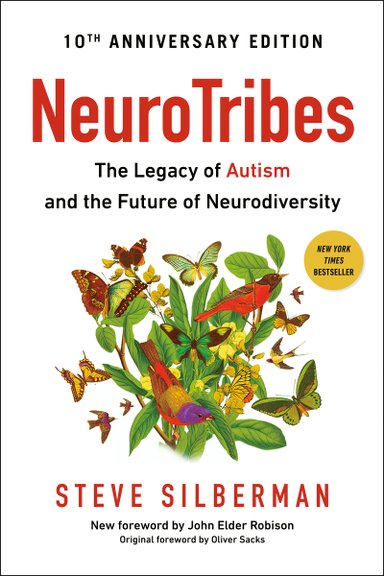
Silberman shifts the focus from autism to a more natural acceptance rather than misunderstanding and mistreatment. NeuroTribes provides scientific evidence and knowledgeable research into the ideologies of autism, and Silberman has been credited for raising awareness and advocating more inclusion of this condition in society.
Uniquely Human by Barry M. Prizant
Uniquely Human is a ground-breaking book that redefines autism. It focuses on understanding and supporting autistic individuals rather than “fixing” them. Prizant emphasizes that autistic individuals are not “broken” but simply experience the world differently.
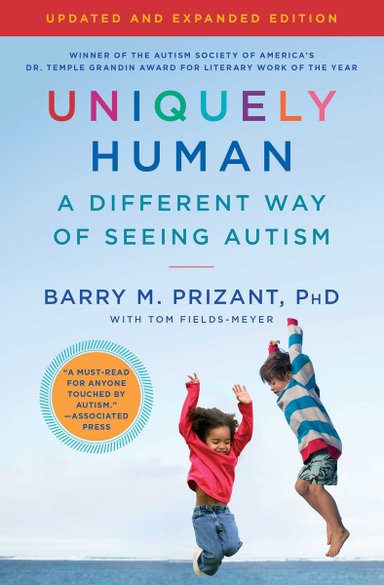
Through real-life stories and professorial insights, Prizant promotes a more human-centered approach to supporting autistic individuals. This support should focus on acceptance, communication, and the individual’s needs. Uniquely Human shifts the conversation from “curing” to acceptance, encouraging people to treat autistic individuals as understood and valued.
The Reason I Jump by Naoki Higashida
This memoir describes the experiences and story of a 13-year-old young boy with autism. Higashida explains the reasoning and motives behind his actions, especially the ways in which autism affects his thoughts, feelings, and perceptions of the world around him.
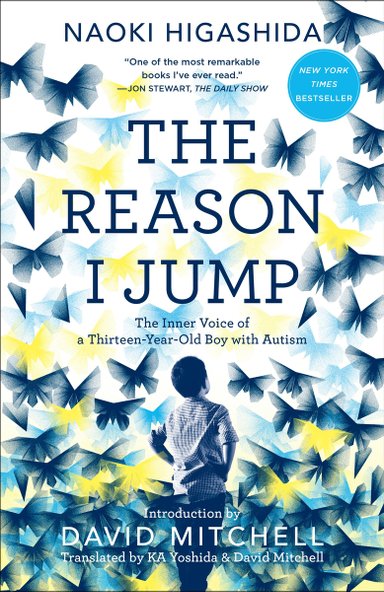
The Reason I Jump helps bridge the gap between autistic and non-autistic perspectives, giving a personal look into life with autism. By sharing his experiences, Higashida breaks common misunderstandings and shows why acceptance matters. He shows how nonverbal autistic people have deep thoughts and emotions, and their actions – though sometimes misunderstood – are meaningful ways of communicating.
People have a lot of misconceptions about autism, but these books show that it’s not some strange, distant thing – it’s just a different way of thinking, like how we all see the world in our own way. A lot of the stories here make it clear that growth comes from accepting people as they are, not trying to change them into something they’re not. Autism is unique, but so is everyone. Instead of judging people for their differences, maybe we should take the time to actually understand them first.
Take the time to learn about other misunderstood mental health conditions and how to better support those who experience them.
Dive into this Bookstr bookshelf on self-help and mental well-being.