

















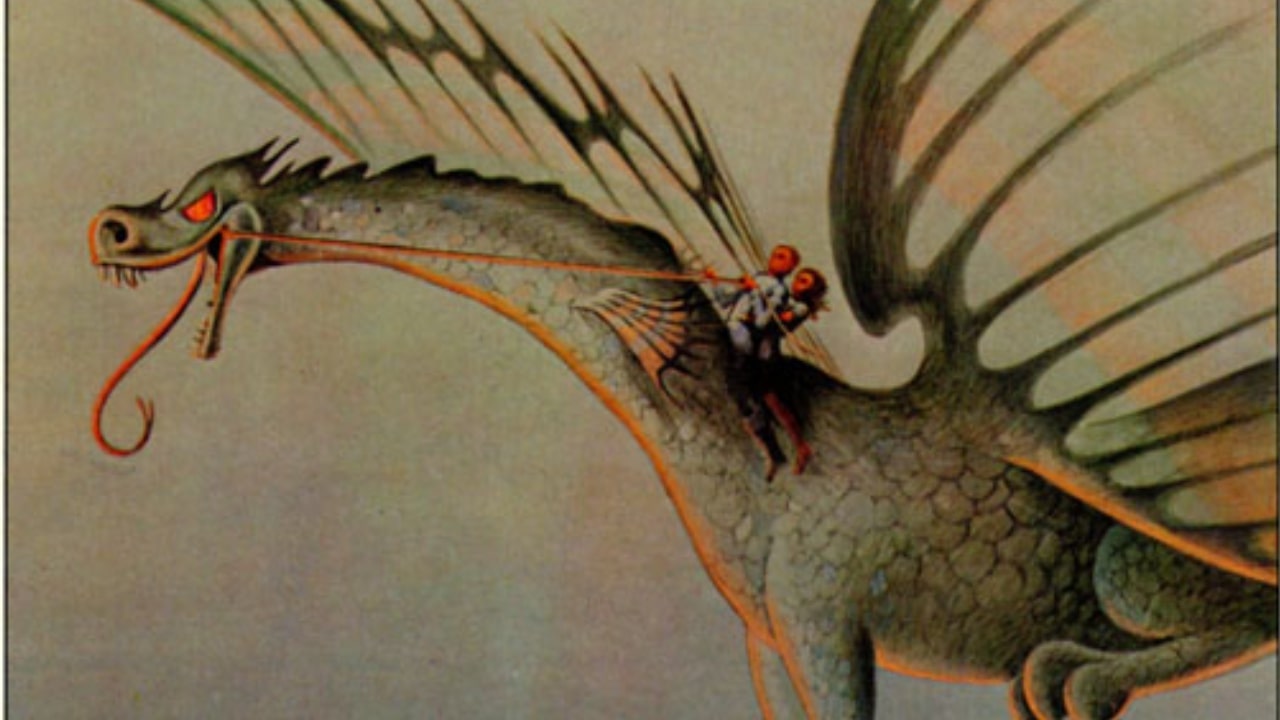
Dragons have captivated the human imagination for centuries, evolving from serpentine figures in ancient mythologies to the powerful, multi-faceted creatures in modern fantasy. From their symbolic roles in chaos and destruction to their transformation into loyal companions in stories like Dragonflight, the dragon has undergone significant changes in both literature and mythology. This article explores the origins of dragons, their depiction in literature, and their eventual evolution into the revered dragon riders of fantasy fiction, culminating in the groundbreaking work of Anne McCaffrey and the Dragonriders of Pern series.
A Snake-Like Creature
Dragons have been a part of our stories since the dawn of time with the earliest depictions appearing in mythologies of the ancient Near East, particularly in Mesopotamian art and literature as snake-like figures. Initially, dragons didn’t have the shape and abilities we commonly see in media today, rather, they often resembled huge snakes with varying characteristics and symbolism across multiple cultures.
For example, in Iranian and Persian cultures dragons were known as Aži Dahāka which means Great Snake, and they were considered the personification of sin and greed. In other cases, they could symbolize power, protection, and strength like the ones found on Tutankhamun’s tomb. In Egyptian mythology, the gods Apep, Mehen, and Denwen were deities known for having snake-like appearances with powers we consider to be those of a dragon in modern times. These gods would represent chaos, protection, and destruction respectively.
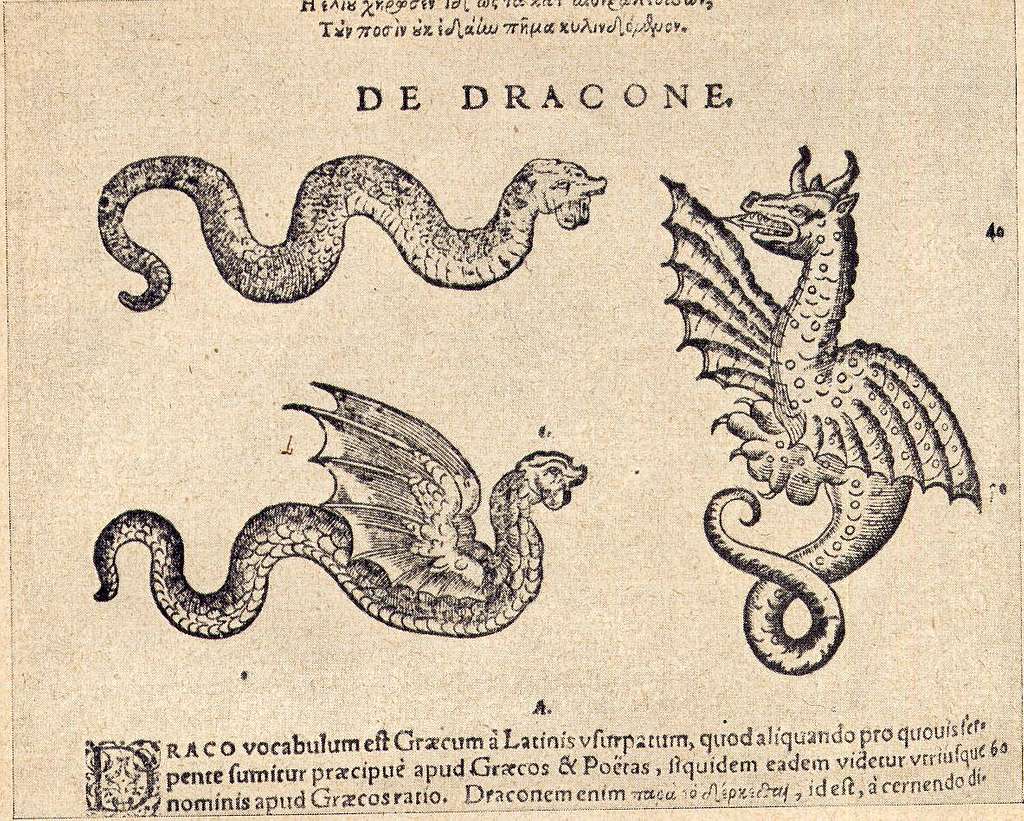
These creatures expanded to Greek mythology where famous characters like Hercules, Zeus, and Cadmus would battle dragon-like creatures like the Hydra, the she dragon Campe in Tartarus or the dragon, son of Ares, tasked with guarding the spring of Ares, to establish the city of Thebes. Dragons were so prominent in mythology that they even became a symbol for Roman Cohorts. Yet, at this point, we can still see that dragons were depicted with the characteristics of a snake and their appearance would vary according to the legends told about them.
The Modern Dragon
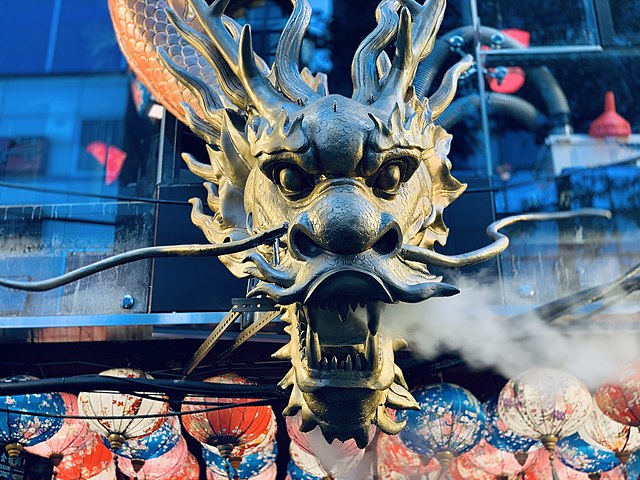
At this point dragons were always depicted as villains, as monsters that needed to be killed for world peace or to accomplish heroic acts. However, in Asian mythology, dragons are quite prominent, with the biggest representation happening in China, where dragons symbolize good fortune, protection, and the essence of the four seasons. Although they still have a certain resemblance to the previous snake-like creatures, the Chinese dragon has a more detailed shape and its depictions remain constant. The traditional image of the Chinese dragon appeared during the Shang (1766 to 1122 BC) and Zhou (1046 BC to 256 BC) Dynasties. Although it was initially made with wings, they were eventually taken away and the dragon resembled the serpent-like creature that we know today.
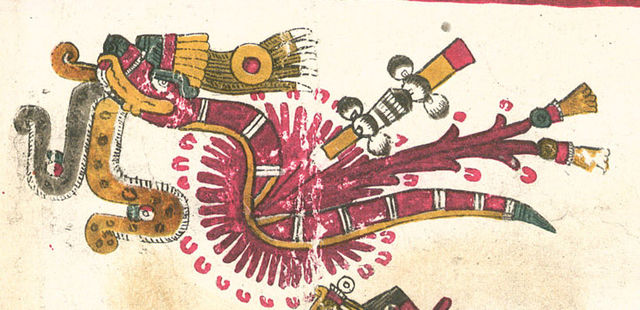
Many other cultures also have their own representations for dragons like the Quetzalcoatl (Feathered Serpent) from the Aztecs or the Kulkulkan (Feathered Serpent) from the Mayan. Yet, all of them resemble the original serpent-like being.
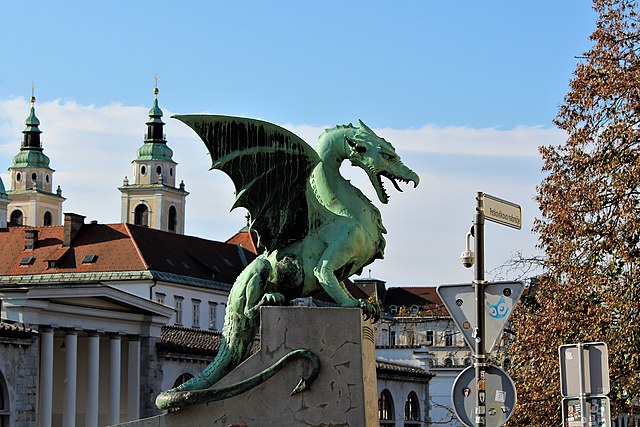
The dragon as we know it today started in Europe around the Middle Ages, the first depiction of the modern dragon can be traced to the medieval manuscript MS Harley 3244, created around 1260 AD. This dragon had wings, legs and a long tail, and it has become the most common depiction for dragons in modern literature. Nevertheless, they would still represent evil and play the role of antagonists in current fiction like Smaug in The Lord of the Rings.
In his work How to Kill a Dragon: Aspects of Indo-European Poetics Calvert Watkins states that the hero slays the dragon because “The dragon symbolizes Chaos, in the largest sense, and killing the dragon represents the ultimate victory of Cosmic Truth and Order over Chaos.”
Dragons were often depicted in a negative light. They were often there to represent chaos, evil, and the negative aspects of a person’s character. Even in a metaphorical sense, dragons represent the fall into greed, evil, and wrath, like in Shakespeare’s Coriolanus. Moreover, dragons are often bringers of death and represent the blockage of life-giving forces, meaning they act as barriers to the natural order or divine order by hoarding water, withholding resources, or representing chaos that disrupts the balance of life.
For example, in Mesopotamian mythology, the dragon-like Tiamat represented primordial chaos and had to be slain to bring order. Apophis, from Egyptian mythology, would try to prevent Ra from bringing life and light to the world each day. In Hittite and Hurrian myths, the dragon Illuyanka was associated with disrupting divine order and had to be defeated by the storm god. Finally, European dragons are often depicted hoarding wealth and preventing them from circulating, symbolizing stagnation and greed.
Dragons are always shown to hate mankind and would go on a rampage that could only stop once they died. Such was the case with the epic poem Beowulf where a dragon torments a kingdom due to its gold being stolen and the hero, Beowulf, has to kill it to stop its wrath, eventually resulting in his death too, fitting the dragon’s role as bringer of death.
In his work Monsters Crouching and Critics Rampant: Or the Beowulf Dragon Debated, Adrien Bonjour argues that:
The monsters, whether they be thyrs or dragon, are maleficent (even relatively harmless nicors are not in odor of sanctity with our poet), and they are maleficent to mankind rather than to individual characters, parties, or tribes
- Adrien Bonjour Monsters Crouching and Critics Rampant: Or the Beowulf Dragon Debated
In literature, dragons are often malevolent to destroy the hero, like Smaug in The Lord of the Rings. Smaug embodies the archetypal dragon perfectly — violent, greedy, and hateful. He is an invader who slaughters the dwarves and hoards their wealth. His manipulative nature is also evident as he attempts to sow discord between Bilbo and his party. Ultimately, he is slain by Bard the Bowman, bringing an end to his reign of terror and restoring balance.
Yet, not all dragons would remain mere villains to be slain. Over time, literature began to reimagine these creatures, granting them intelligence, nobility, and even the capacity for deep bonds with humans. No longer just symbols of chaos and destruction, dragons transformed into powerful allies, paving the way for one of the most enduring tropes in modern fantasy: the dragon rider.
Companions For Life
As we have seen, the most prevalent trope in literature is that of slaying dragons. Countless books, movies, and series feature dragon slayers as their protagonists, reinforcing the idea that dragons are creatures of chaos that must be vanquished. This concept has been widely studied in works such as Dragonlore by Ernest Ingersoll, Beowulf: The Monsters and the Critics by J. R. R. Tolkien, and British Dragons by Jacqueline Simpson — each exploring the significance of dragons and their slayers in mythology and literature.
Because dragons were traditionally depicted as evil and destructive, slaying them symbolized the restoration of order and justice. However, over time, this trope evolved, giving rise to a new portrayal of dragons — not as foes to be defeated, but as noble and loyal creatures. Instead of mere obstacles, they became allies, companions in battle, and even trusted mounts, ultimately leading to the emergence of the dragon rider trope.
The origins of dragon rider myths can be traced back to China, where figures such as Yu and his dragon companion, Yinglong, embarked on great adventures together, as described in Essential Chinese Mythology by Martin Palmer and Zhao Xiaomin. Many other Chinese myths depict dragons aiding gods or humans, such as Yin Lung assisting in preventing the Yellow River from flooding. However, this close companionship between humans and dragons remained largely unique to Chinese folklore for centuries.
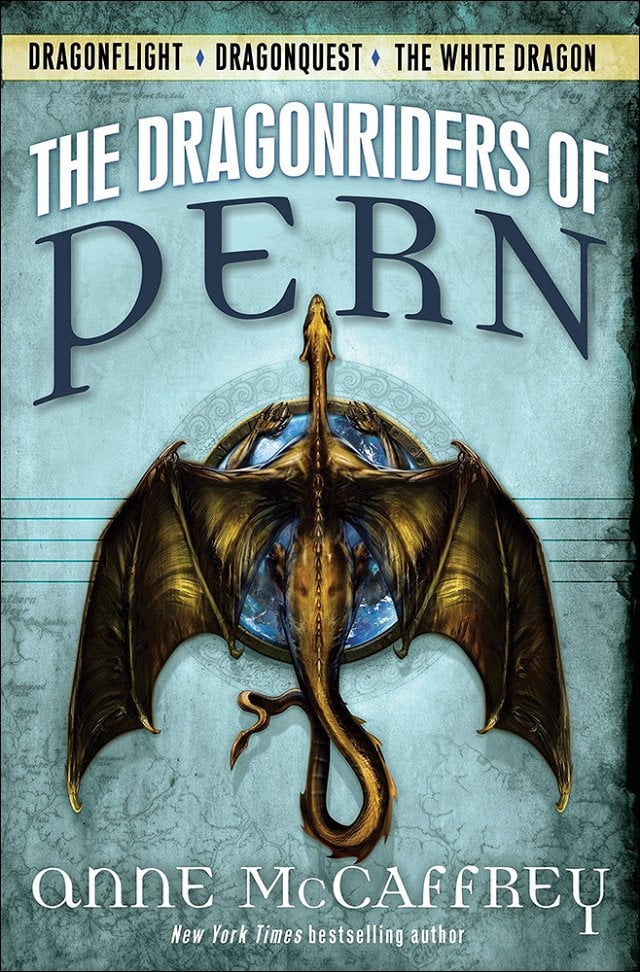
In terms of contemporary English-language literature, the dragon rider trope as we know it today first gained prominence in the 1960s with Anne McCaffrey’s Dragonflight, the first book in her Dragonriders of Pern series. This marked a turning point in Western literature, where dragons were no longer just menacing beasts but could also be intelligent, sentient creatures forming deep bonds with their riders.
The Original Rider
Before exploring the books that introduced the dragon rider trope to Western audiences, it is important to understand the woman behind them: Anne McCaffrey.
Born in Cambridge, Massachusetts, on April 1, 1926, McCaffrey graduated cum laude from Radcliffe College in 1947 with a degree in Slavic languages and literature. She married Horace Wright Johnson in 1950, and they had three children. After living in Wilmington, Delaware, the family moved to Sea Cliff, Long Island, in 1965, where McCaffrey became a full-time writer. Following her divorce in 1970, she relocated to Ireland, drawn by its artistic tax exemption and the opportunity to focus on her career.
Before creating Pern, McCaffrey explored themes of identity, gender roles, and autonomy in works like Restoree, The Ship Who Sang, and Decision at Doona. However, it was her Pern series that cemented her legacy in fantasy literature.
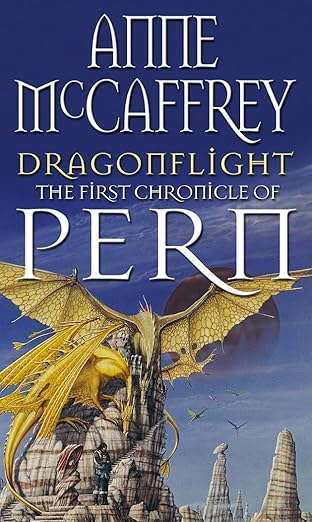
Her first Pern story, Weyr Search, was published in 1967 in Analog Science Fiction and Fact by editor John W. Campbell Jr. It won the Hugo Award for Best Novella, making McCaffrey the first woman to win a Hugo for fiction. Its sequel, Dragonrider, won the Nebula Award for Best Novella in 1969, making her the first woman to win a Nebula for fiction as well. These novellas were later combined into Dragonflight (1968), the first full-length novel in the Pern series, published by Ballantine Books.
Set on the planet Pern, a human colony long threatened by a deadly spore called Thread, Dragonflight follows Lessa, the last survivor of Ruatha Hold’s ruling family. Disguising herself as a servant, she sabotages the usurper Fax, weakening his control over her home. She is soon discovered by F’lar, a dragon rider from Benden Weyr, who realizes her psychic abilities make her an ideal candidate to bond with the newly hatched queen dragon, Ramoth. After engineering Fax’s downfall, Lessa becomes Weyrwoman, ruling alongside F’lar.
As Thread threatens Pern once more, Lessa makes a daring move — traveling 400 years into the past to bring five long-abandoned Weyrs forward in time, ensuring the survival of the dragon riders. This pivotal moment not only changes Pern’s future, but also establishes Dragonflight as a landmark in fantasy literature.
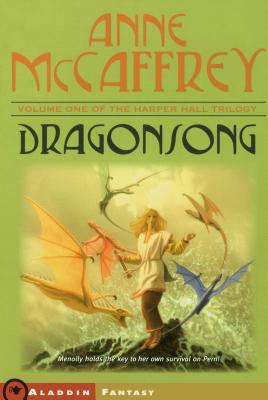
The novel’s success led to a young adult spin-off, the Harper Hall Trilogy, published in the late 1970s by Atheneum Books. Meanwhile, The White Dragon became one of the first science fiction novels to appear on The New York Times bestseller list. McCaffrey’s impact on fantasy literature was profound — she pioneered strong female protagonists in a genre traditionally dominated by male heroes. In 1987, Dragonflight was ranked ninth on Locus magazine’s All-Time Best Fantasy Novels list, solidifying its place in literary history.
The journey of the dragon from villainous antagonist to trusted ally reflects broader shifts in cultural narratives and values. Once symbols of chaos and greed, dragons have evolved into complex, multifaceted beings capable of forming deep, emotional bonds with their human counterparts. As the dragon rider trope gained popularity, it provided a new dimension to the age-old dragon myth, exemplified by the work of Anne McCaffrey. Through her Dragonriders of Pern series, McCaffrey redefined dragons as intelligent, noble creatures capable of shaping the future alongside their human companions, leaving an indelible mark on fantasy literature.
Are you a fan of How to Train Your Dragon? Click here.
Find more fantasy books in our Fantasy Lovers Paradise: Epics, Romances, and More! bookshelf on Bookshop.
