
















This planet of ours is a fascinating place. We can’t help but ask how we got here. It’s as if all of the stars aligned and created the perfect circumstances for life on Earth. But life wasn’t always as we know it now, and there’s a lot that goes into Earth’s life-sustaining qualities. From the atmosphere, oceans, and rocks that make up the planet itself, Earth is full of fascinating and complex systems that make the world what it is today.
If you’ve always wanted to understand the inner workings of Earth and all of its systems, keep reading. Here we’re recommending ten great books that combine facts with narrative or readable qualities, making learning about our planet cool and understandable.
Krakatoa: The Day the World Exploded by Simon Winchester
Krakatoa is a story of a natural disaster that combines geology and science with history and humanity in a readable narrative. In Krakatoa, Simon Winchester takes readers back to August 27, 1883, when the volcano-island of Krakatoa erupted and caused a catastrophe heard and felt around the world. The eruption was heard from miles away. It triggered a tsunami that killed thousands, and the ash remained in the atmosphere for years, causing global temperature changes.
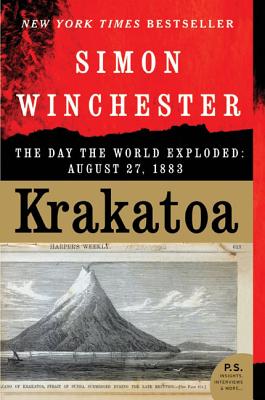
Winchester goes back in time, long before the events linked to this massive eruption were fully understood. He explains the atmospheric changes and puts into context the aftermath that was felt around the world, both physically and politically, in this thrilling story.
Underland: A Deep Time Journey by Robert Macfarlane
Underland by Robert Macfarlane has been acknowledged for its lyrical writing as well as its depth of knowledge. Macfarlane takes a profound look at the Earth’s underworld. He takes readers through history, exploring all that the underworld ever was, from geology of cave explorations and nuclear waste stores to mentions of the underworld in history, literature, and myths.
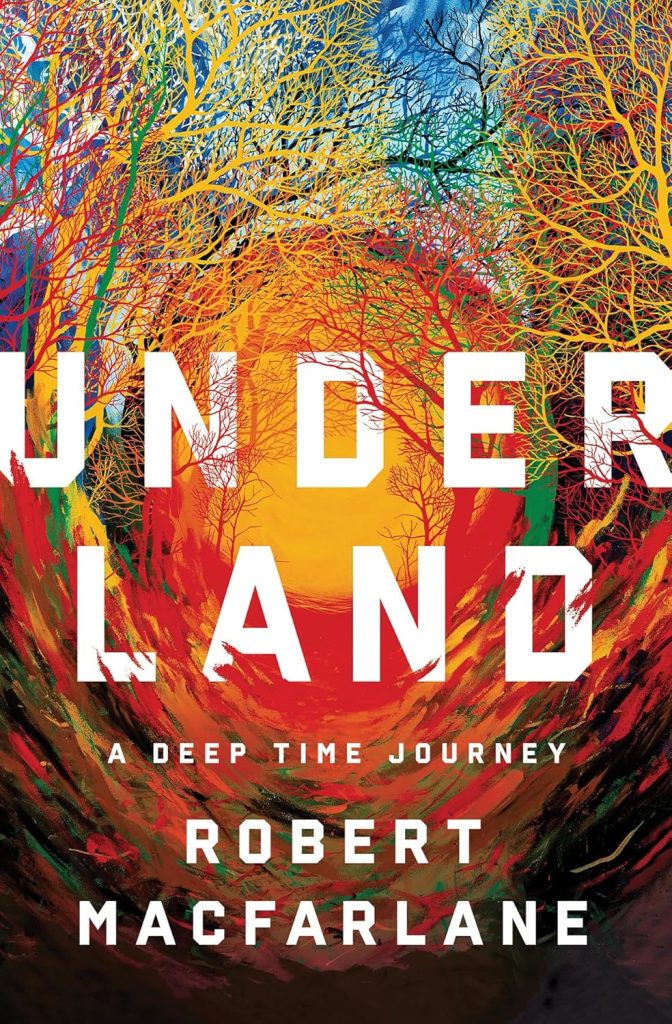
Macfarlane brings readers a philosophical analysis of what’s beneath the Earth’s surface naturally, as opposed to what we have placed there and how that determines our perception of the underground. Underland will have readers thinking more deeply about what lies beneath us and will change the way we see the world below our feet.
A Short History of Nearly Everything by Bill Bryson
Bill Bryson turns Earth science into an interactive adventure as readers follow him on a journey from the Big Bang to the present day in A Short History of Nearly Everything. Bryson aims to tackle the question that we have all asked at least once before: how did we get here? He explores Earth’s creation and the rise of human civilizations according to expert anthropologists, archaeologists, scientists, and mathematicians.
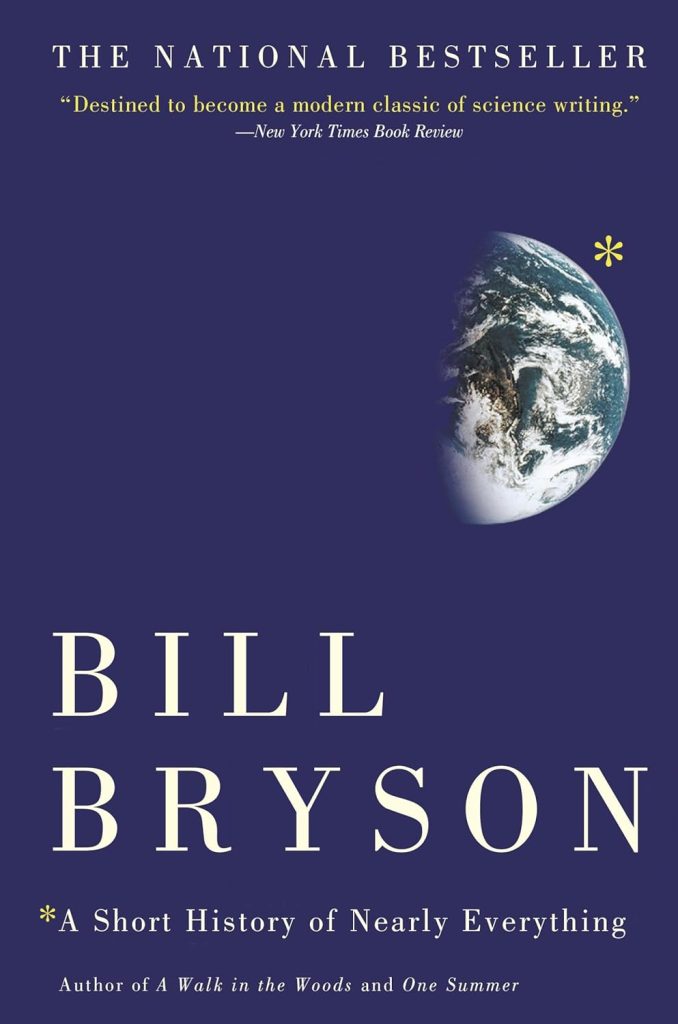
In A Short History of Nearly Everything, Bryson gives readers a brief overview of our entire existence and beyond. He uses humorous anecdotes to tackle profound and difficult concepts and creates an explanation of our planet and our place in it that is both understandable and entertaining.
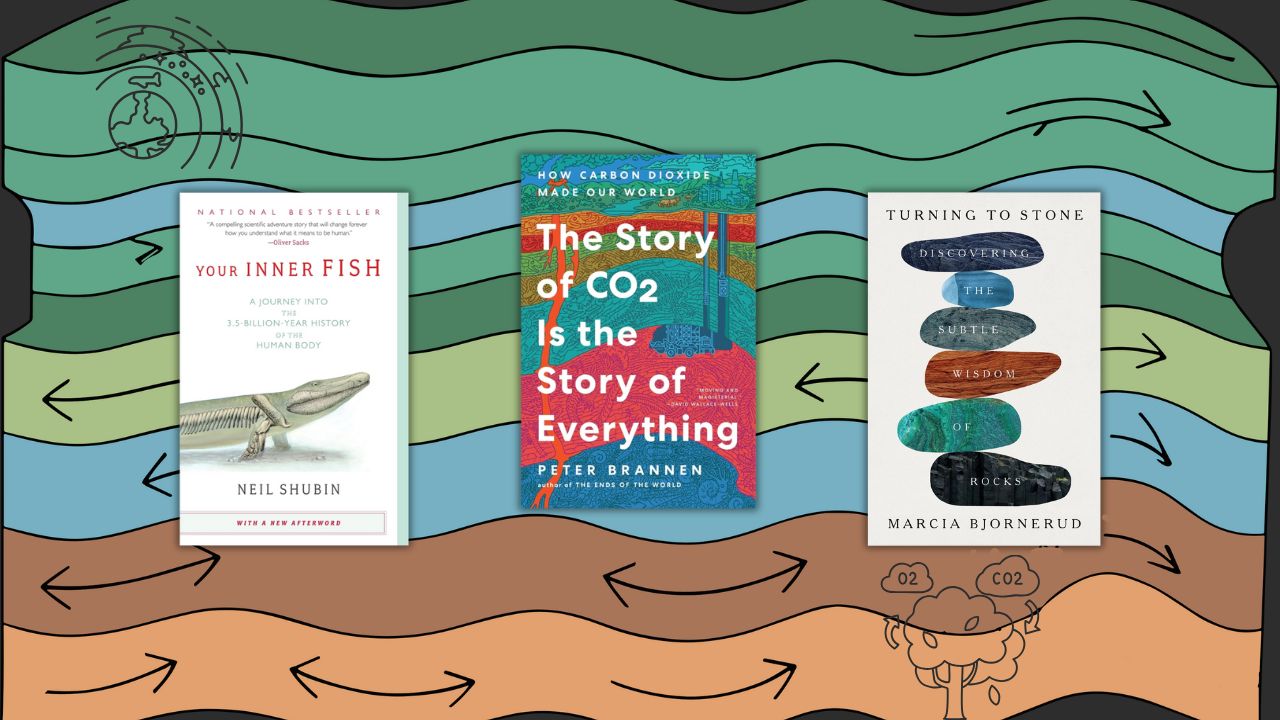
Your Inner Fish: A Journey into the 3.5-Billion-Year History of the Human Body by Neil Shubin
With Your Inner Fish, Neil Shubin aims to change the way we see ourselves as humans. Shubin is a paleontologist known for co-discovering Tiktaalik, “the fish with hands,” a long-extinct creature with features for both aquatic life and life on land. Through his studies, he examined both fossils and DNA to deduce that many aspects of human anatomy can be traced back to ancient fish.
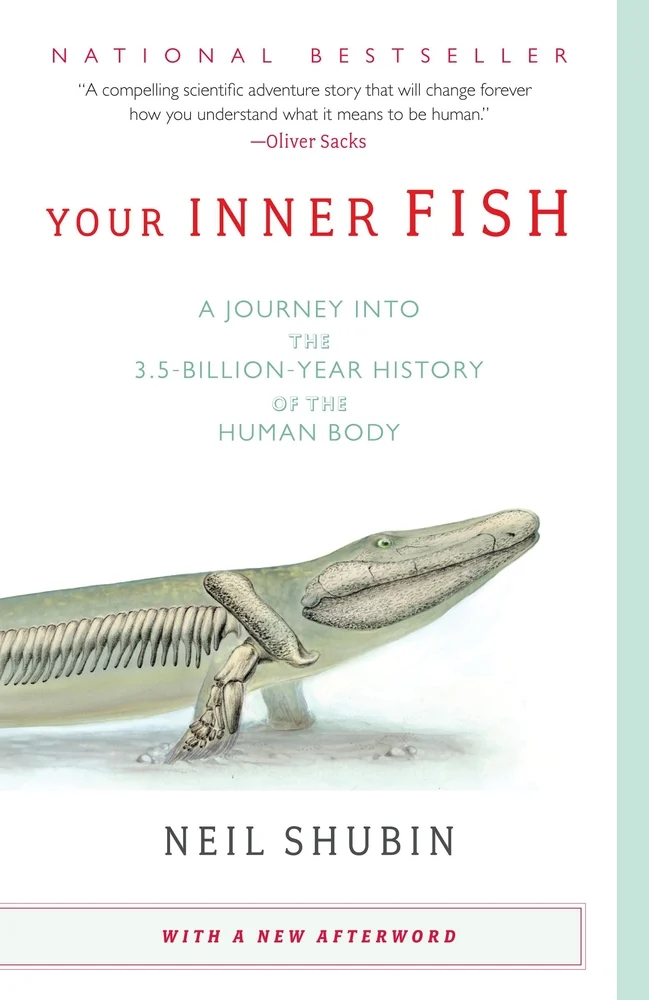
Shubin explores Earth sciences through the lens of human evolution with an engaging and often humorous writing style. He takes readers on a journey of self-discovery, dissecting how we see ourselves and our history and how we are not so different from the species that cohabit the Earth with us.
The Sixth Extinction: An Unnatural History by Elizabeth Kolbert
In The Sixth Extinction, Elizabeth Kolbert takes us to the very beginning of humans, the species that would change the way our planet functions. Through her steady and structured tone, she discusses the five mass extinction events throughout the history of Earth and tells the story of how humans came to be and what that has meant for Earth.
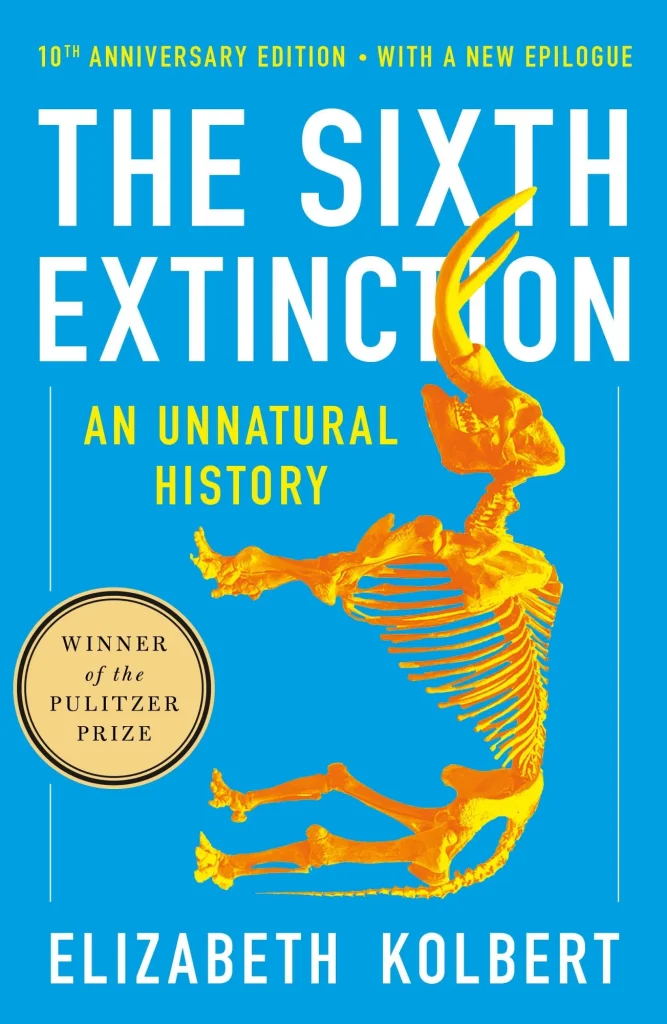
Kolbert explains how scientists monitor the changes created by humans and why they predict it will inevitably lead us to the sixth mass extinction. Her narrative storytelling writing style brings us an accessible story that asks readers to think differently about humanity.
The Emerald Planet by David Beerling
The Emerald Planet takes a look at one of the most fundamental components of Earth: plants. David Beerling shines a light on flora, focusing on how fundamental the evolution of plants has been to the development of Earth. He highlights how plants not only allow us to understand the planet as it is now but also how it was in the past and how it will be in the future.
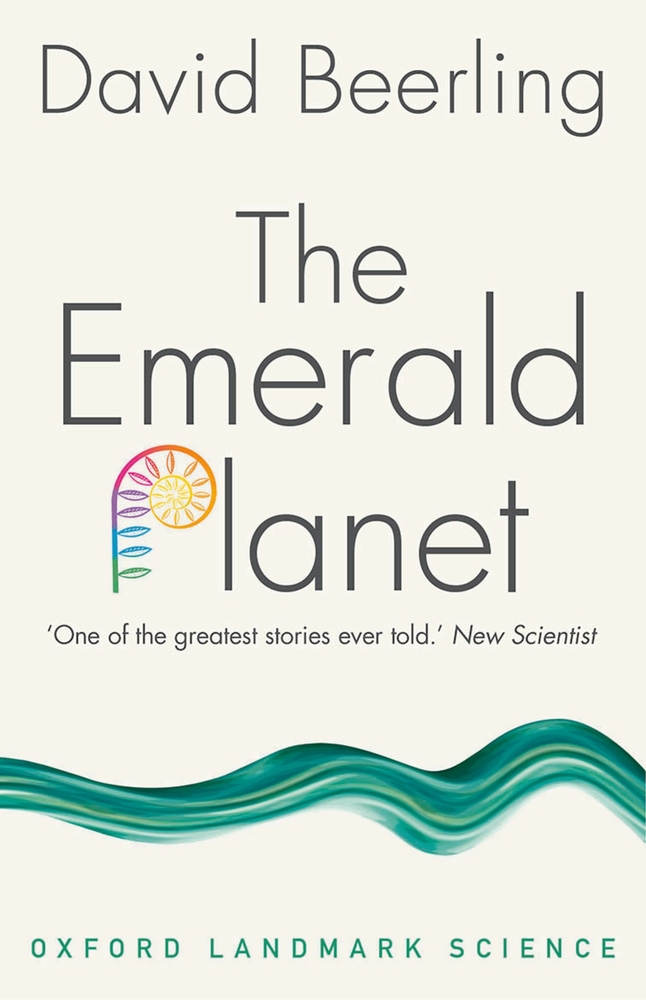
Beerling discusses how plants have not only survived global environmental changes but have also been a driving force in these changes. The Emerald Planet covers the relevant issue of climate change and how plants could shape the way we look at and act on these issues in a significant and timely manner for our planet.
Earth: An Intimate History by Richard Fortey
As the title suggests, in Earth: An Intimate History, Richard Fortey presents us an intimate story with carefully researched details of how we came to know this beautiful planet. Fortey uses geology from the past and present to show how the physical features of Earth, from mountain ranges to rivers, have changed over billions of years and have shaped human culture and civilization.
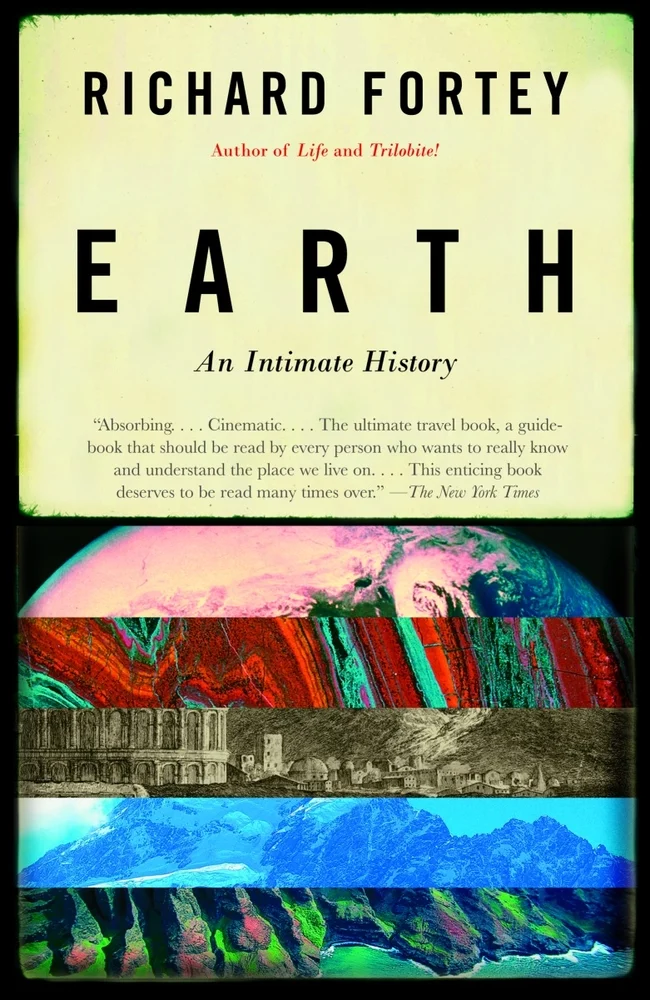
Fortey writes an account of human history through the lens of the Earth, discussing topics such as how natural movements and disasters shaped ancient cultures and how evidence of ancient man is shaped by geological footprints. Earth: An Intimate History is a beautiful story of humanity told through the history of our world.
T. rex and the Crater of Doom by Walter Alvarez
T. rex and the Crater of Doom is a unique look into the devastating extinction event that defined our history and cemented our place on this planet. Walter Alvarez writes of his experience as one of the four scientists who helped to discover the impact of the giant asteroid strike that is widely believed to have caused the extinction of the dinosaurs, along with half of the plants and animals on Earth.
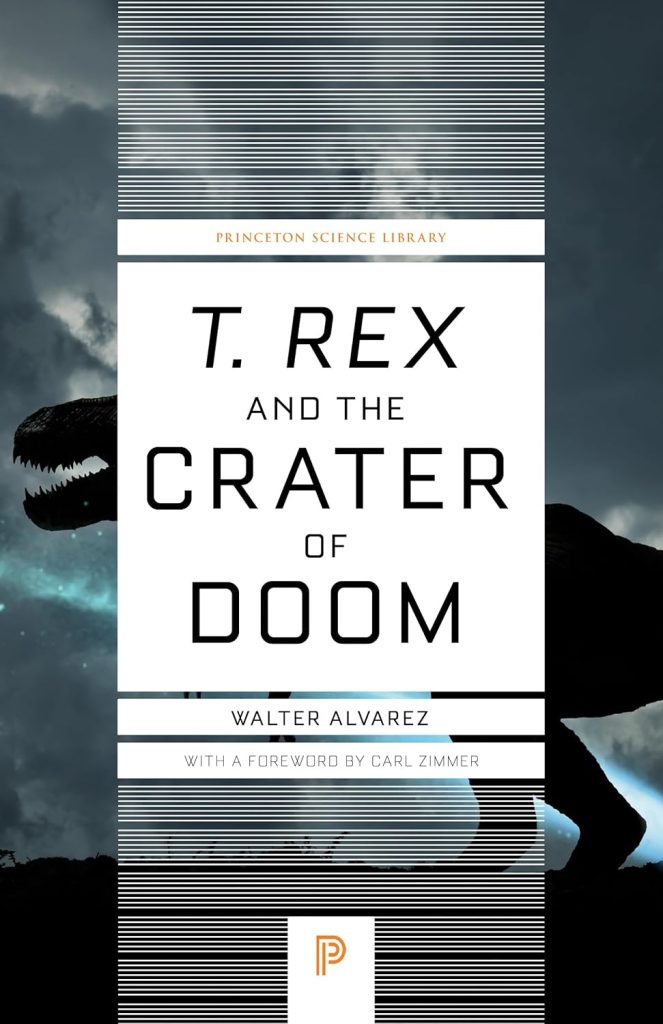
T. rex and the Crater of Doom is a narrative story in which Alvarez describes his personal experience with this discovery, paired with his explanation of the science behind what he found. It is filled with adventure, exploration, scientific investigation, frustration, controversy, and more.
Turning to Stone: Discovering the Subtle Wisdom of Rocks by Marcia Bjornerud
Turning to Stone by Marcia Bjornerud is a poetic and philosophical take on one of the most underrated yet fundamental elements of Earth’s systems. This book is significantly conceptual and profound, aiming to take a different approach to geology that brings the beauty of our planet and its rocks to life.
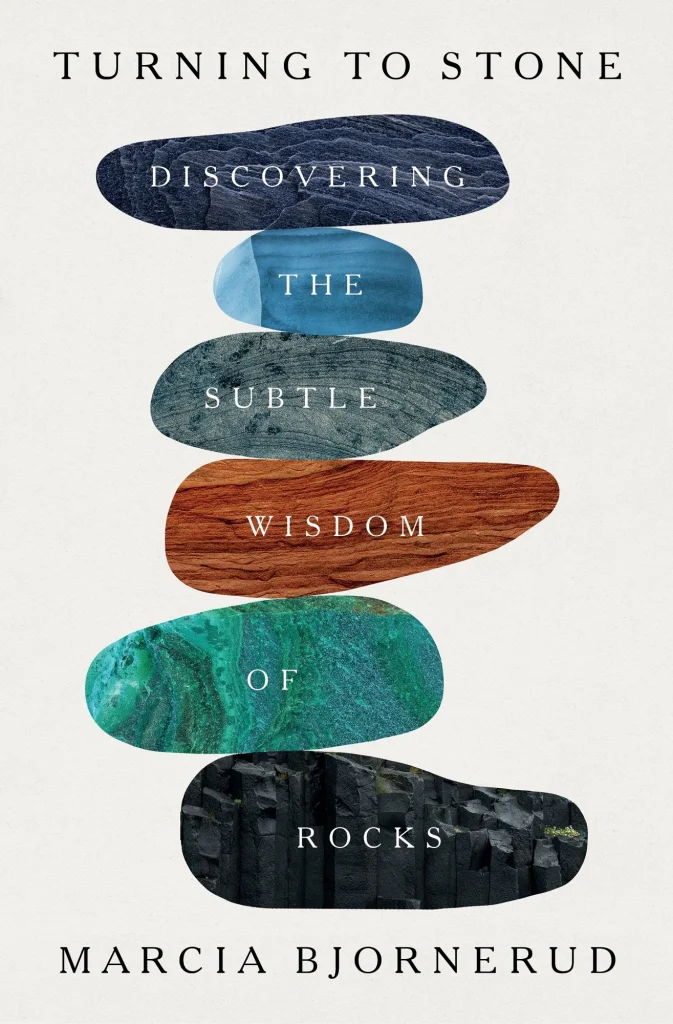
Turning to Stone points out many of the functions of rocks that are crucial to human life, from purifying the water we drink to regulating the atmosphere and climate. She writes with astonishing lyricism that reminds us that the Earth is not just some cold, hard rock in outer space, but it is alive and filled with history and purpose.
The Story of CO2 Is the Story of Everything by Peter Brannen
Science Journalist Peter Brannen brings us The Story of CO2 Is the Story of Everything to teach readers about the magic behind the carbon cycle. Life depends on carbon dioxide to cycle through rocks, air, water, and life itself to keep the planet’s systems functioning. It has been a constant facet of how life on Earth has endured through extinctions and global changes throughout billions of years.
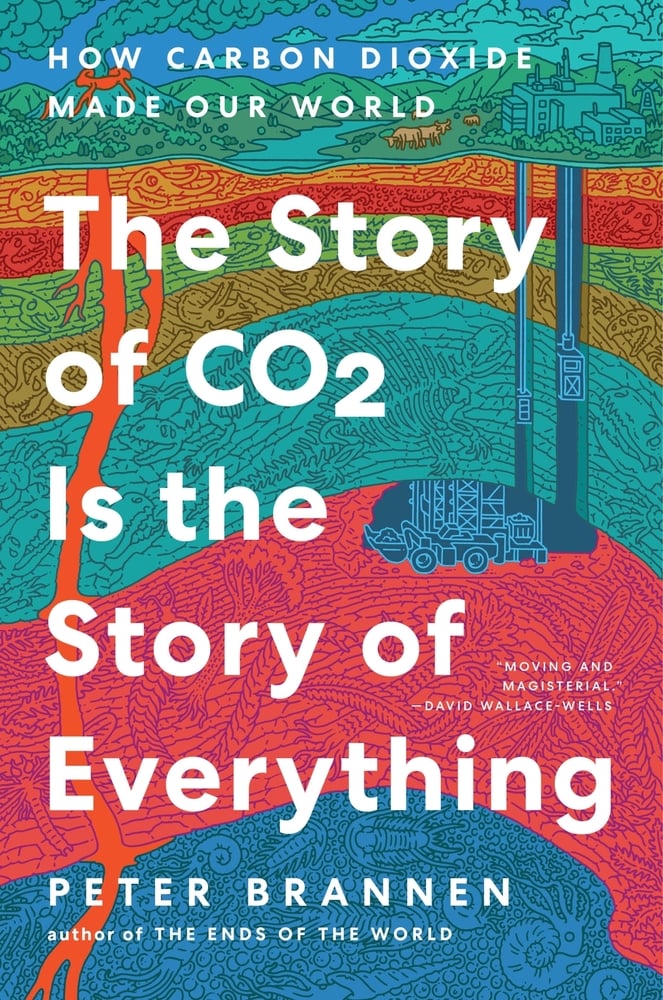
However, Brannen points out that while it is a strong system, it is also precarious, and our tampering with carbon dioxide in the atmosphere is extremely dangerous for our very existence. The Story of CO2 Is the Story of Everything connects the carbon cycle to life, as well as what could be the end of life on Earth, in an easy-to-understand story.
These books each highlight the fundamental systems of Earth to demonstrate how serendipitous our existence truly is. Each story has a unique outlook on life with the aim of changing the reader’s point of view. We hope these recommendations fascinate you and inspire you to learn all about how cool our planet really is!
Want some Earth-centric fiction recs? Click here.
Find these books and more on our Fascinating Nonfiction Reads You Can’t Miss bookshelf on Bookshop.org.