












As many of our beloved literary classics are fondly remembered by the older generation, it’s clear that younger students may not connect with them as easily. To keep pace with today’s dynamic and diverse audiences, these traditional tales need to evolve within course curriculums. Modern “classics” offer fresh perspectives and reach broader social landscapes, enriching education with diverse voices. In this article, we’ll explore how updating classic narratives can not only provide new insights but also honour the enduring themes of these literary masterpieces.
The Great Gatsby OR The Brief Wondrous Life of Oscar Wao
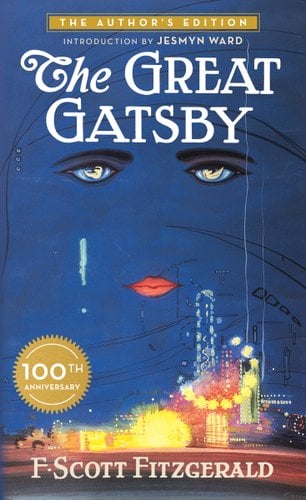
The Great Gatsby by F. Scott Fitzgerald and The Brief Wondrous Life of Oscar Wao by Junot Díaz provide an interesting juxtaposition of themes relating to identity, ambition, and societal values. The Great Gatsby depicts the luxurious wealth and moral complexities of the Roaring Twenties, specifically focusing on the social and economic constructs in this hierarchical class system. While its critique of the American Dream remains relevant today, it represents a narrow view of American society from the early 20th century.
In contrast, The Brief Wondrous Life of Oscar Wao offers a modern take on themes of identity and cultural heritage through the lens of the Dominican-American experience. Díaz’s narrative intricately weaves together personal and historical trauma, immigrant struggles, and the search for the self amidst complex cultural dynamics. This contemporary novel addresses issues of identity and belonging in a way that reflects the realities of today’s multicultural society.
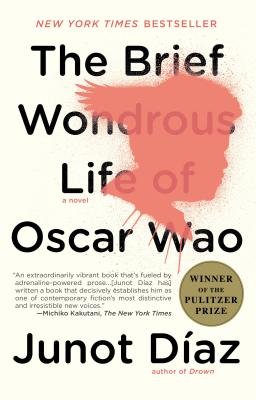
By introducing The Brief Wondrous Life of Oscar Wao into modern education, teachers can bridge the gap between past and present, providing students with a more comprehensive view of these themes across multiple eras and cultural periods.
1984 OR The Handmaid’s Tale
Dystopian literature can be viewed as an insight into the darkest possibilities of social disarray, and although both novels address themes of surveillance, repression, and loss of individuality, their unique narratives and settings provide a very distinct comparison between different eras of literature.
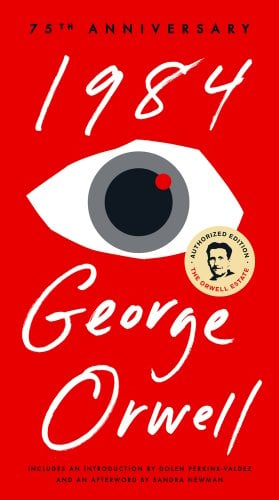
1984 depicts an eerie vision of a future where the state exerts total control over every aspect of life. Orwell’s portrayal of a society dominated by Big Brother and the Thought Police reflects concerns about totalitarianism and the removal of personal freedom. The novel’s focus on surveillance, propaganda, and the manipulation of truth offers a powerful commentary on the dangers of unchecked government power and the decay of individual autonomy.
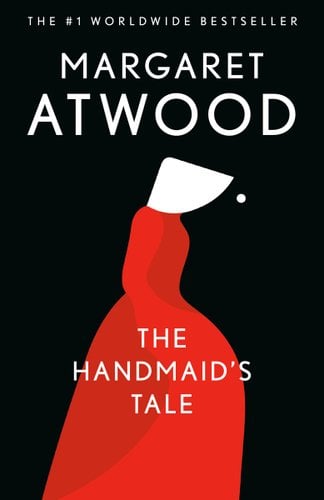
The Handmaid’s Tale explores a dystopian future whereby strict control over women’s bodies and societal roles are deemed the norm. Atwood’s depiction of Gilead, a society where women are diminished to slave-like roles and their sexual freedoms are controlled by the state, highlights issues of gender oppression and the conflicts between religion and politics. The novel’s exploration of resistance, survival, and personal struggles with misogyny provides a scope on gender and power dynamics.
Introducing these two classics together offers students a broader perspective on the thematic struggles of control and resistance. These novels can help students understand the diverse ways in which authoritarian regimes can manifest and impact individuals.
Frankenstein OR The Road
When exploring themes of creation, monstrosity, and the human condition, both Mary Shelley’s Frankenstein and Cormac McCarthy’s The Road offer complex insights despite providing different perspectives and settings. While Shelley’s novel delves into the consequences of scientific exploration and the pursuit of forbidden knowledge, McCarthy’s work presents a stark portrayal of survival and despair in a post-apocalyptic world.
Frankenstein explores the catastrophic effects of scientific ambition and the ethical boundaries of creation. Shelley’s story of Victor Frankenstein and his creation, often misunderstood as a “monster,” raises questions about responsibility, the quest for knowledge, and the impact of playing god. The novel reflects this concern regarding the power of scientific discovery and its potential to disrupt the natural order, which in turn makes it a critical classic for discussing the ethical implications of technological advancement.

On the other hand, The Road offers a minimalist yet haunting depiction of a world ravaged by an unspecified catastrophe. McCarthy’s narrative centers on a father and son’s struggle for survival in a bleak, post-apocalyptic landscape. Themes of shattered realities, human resilience, and the parental bond of family are explored through the desolate setting and limited dialogue. The novel’s focus on survival in a collapsed civilisation presents a different kind of challenge, emphasising the human will persevere in the face of overwhelming despair.

Integrating The Road with Frankenstein offers a rich exploration of themes such as creation, responsibility, and existential crisis. Frankenstein prompts discussions on the moral and philosophical consequences of scientific experimentation and ethical limits, while The Road provides insight into the fundamental aspects of human survival and the persistent quest for hope in the face of overwhelming desolation.
The Picture of Dorian Gray OR Call Me By Your Name
Both The Picture of Dorian Gray by Oscar Wilde and Call Me by Your Name by André Aciman explore themes of identity, desire, and the impact of relationships on personal transformation. While Wilde’s novel delves into the consequences of vanity and moral corruption, Aciman’s work examines the profound experience of first love and self-discovery. Comparing these texts offers a compelling way to discuss the complexities of human nature and the influences of relationships on personal development.
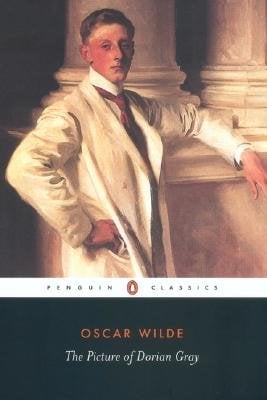
The Picture of Dorian Gray follows the story of Dorian Gray, whose portrait ages and bears the consequences of his hedonistic and immoral lifestyle while he remains outwardly youthful and unblemished. Wilde’s exploration of vanity, moral degradation, and the quest for eternal beauty provides a critical perspective on the ethical and psychological impacts of living a life driven by self-indulgence and superficial needs.
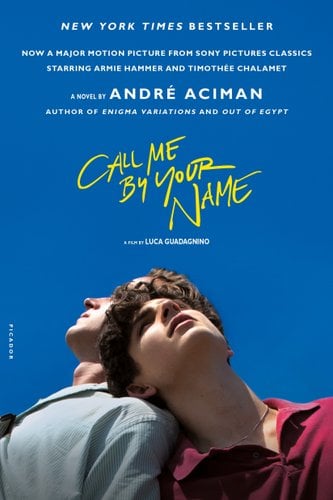
Call Me by Your Name narrates the intense and transformative summer romance between Elio Perlman and Oliver, exploring themes of love, identity, and the impact of a fleeting but profound relationship. Aciman’s portrayal of their passionate connection reveals the significance of self-discovery and the tragic nature of first love, offering an intimate view into the emotional and personal growth that such experiences can provoke.
While Wilde’s novel provides a critique of moral corruption and the pursuit of superficial perfection, Aciman’s work allows for an exploration of the transformative power of love and the journey of self-discovery.
Reimagining classic literature alongside modern works enriches education by connecting timeless themes with contemporary issues, offering students deeper insights into human nature and societal concerns. This approach ensures that classic texts remain relevant and engaging, fostering critical thinking and a broader understanding of both historical and modern perspectives.
Wanting more of these classical reads? Explore more here about classics to spruce up your summer.
Find more amazing reads on our Bookshop.