












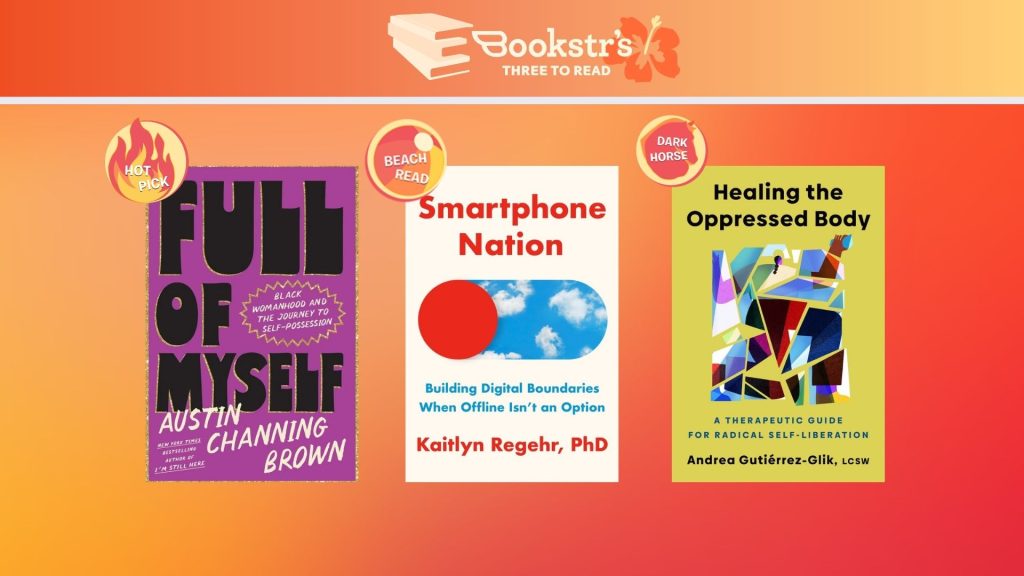





In the modern day and age, mental health is a very commonly-discussed subject of consideration when it comes to underprivileged and minority groups and communities. It is especially important to consider mental health through the lens and perspectives of the Black, Indigenous, and people of color minority groups (BIPOC) in order to understand the causes and effects of their experiences upon mental health. This month is BIPOC Mental Health Awareness Month, where Bookstr believes its important to find books related to healing mental health, trauma, and wellbeing in honor of the month.
Hot Pick
The Racial Healing Handbook
By Anneliese A. Singh

Synopsis: Introducing not only racial healing, but also liberation, this book guides readers to understand the institutional and systemic racism in modern America, as well as the steps we can take to challenge privilege and heal from this trauma.
Why: This book serves as a practical guide for readers to explore mental health through the lens of people of color, in order to understand racism and privilege, as well as their effects upon stress and trauma of minority communities. Through this, the guide allows the opportunity to challenge institutions and heal.
Beach Read
You Are Your Best Thing: Vulnerability, Shame, Resilience, and the Black Experience
Edited By Tarana Burke and Brené Brown

Synopsis: In this book, readers will find a variety of voices providing perspectives from Black writers, artists, scholars, and notable cultural figures to provide their opinions and experiences regarding race, vulnerability, and healing from trauma.
Why: This book serves to educate readers from a wide range of Black figures, in order to truly understand their experiences in a minority community when it comes to racial trauma and healing.
Dark Horse
Beyond Survival: Strategies and Stories from the Transformative Justice Movement
By Ejeris Dixon and Leah Lakshmi Piepzna-Samarasinha

Synopsis: Beyond Survival is both a guide and narrative of the racial trauma faced by a diverse group or writers, in order to understand and address systemic racism and enacting rightful justice. Through essays and guides, we learn about healing in mental health, the evolution of social reform movements, and the various struggles and victories of minority groups in the battle for social justice and equality.
Why: Readers have the opportunity to understand the front and center experiences of a diverse set of writers through their experiences of discrimination, racism, and bigotry- as well as its effects on their mental health and well-being. The book guides us through the history of social movements for justice and liberation, and the transformation of social movements and healing in the modern day.