




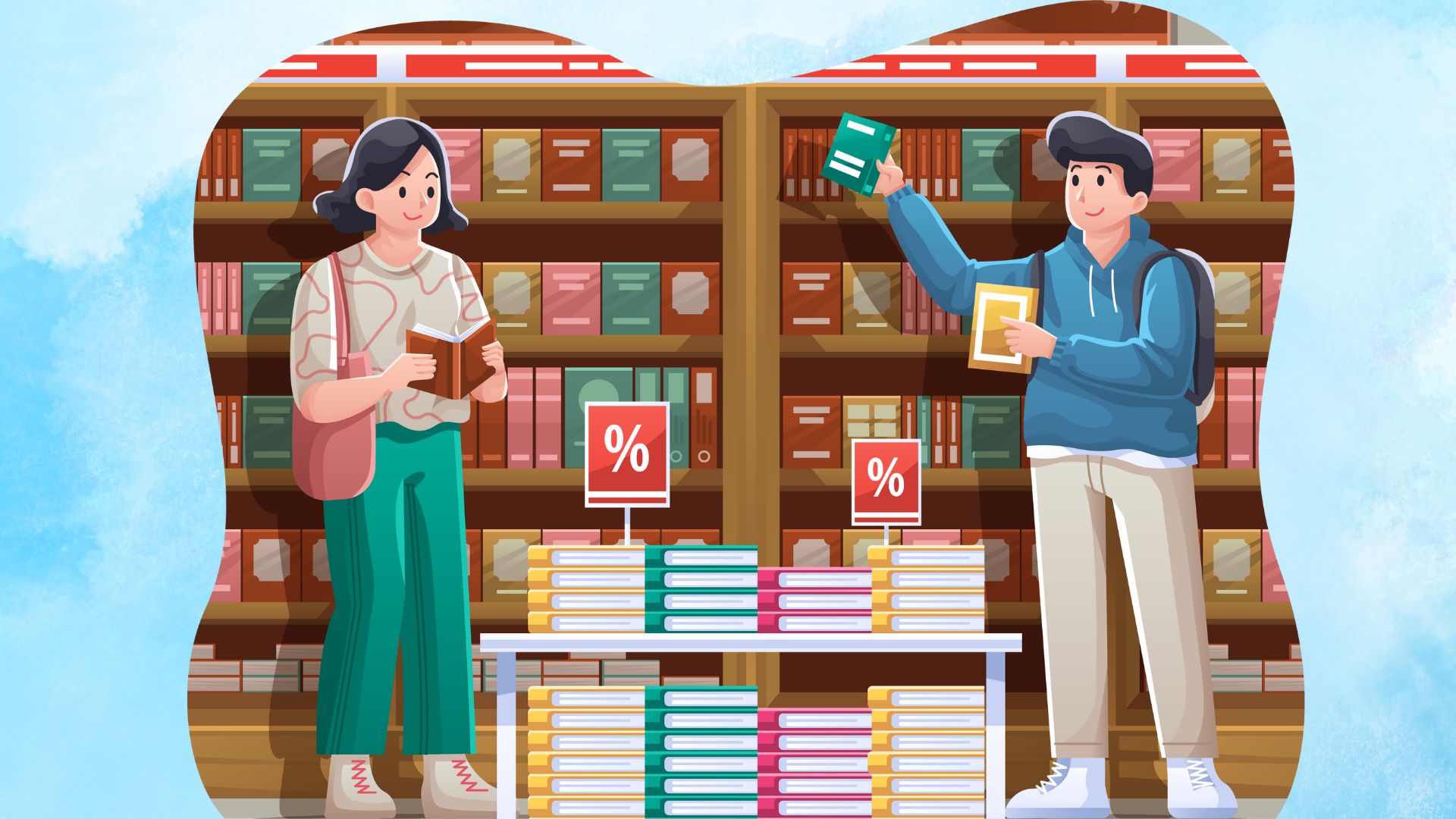
The thrift world is large, from clothes, shoes, knick-knacks, to furniture, there is something for everyone to thrift. Thifting second-hand/used books is no different. There is a level of sustainability and practicality to thrifting books. It supports communities, the environment, and helps grow the community. However, despite major pluses, some nuances still come with thrifting.
Thrifting books can be harder than some might think, as there can be safety hazards and shame from the community for choosing not to. Some setbacks would make it less sustainable than one might hope for. Still, thrifting books is fantastic, and so is collecting. Here, we are going to be delving into the reasons why it is practical and nuanced.
How Is It Sustainable and Practical?
There are many reasons why thrifting is sustainable and practical. A reason why it is so practical is that it is cost-effective. Thrift stores often have books for a cheaper price, as they are used and therefore do not need to be priced at market pricing. Because of that, it is more helpful for people looking for cheap books, especially books in a series. Since it is a lower cost, it promotes more reading. People will be more inclined to pick up a book and read it when it is not a market value book, which can be pricey. Thrifting is also fantastic for the community, and promotes an awareness that reused books are still just as good as new ones.
A reason that is so sustainable is its impact on the environment. Thrifting is not just about buying cheaper, used books, but also about donating or selling your used books to these stores. Giving your books back to thrift stores helps the environment, as there is less demand for new books, contributing to less paper use in printing. A smaller demand for new books is the perfect way to help cut back on paper items.
Another massive positive for the environment is that because people sell or donate books, there is less book waste in the landfills! Paper takes an extremely long time to decompose, which would result in less pollution. The sustainability of thrifted books is a good reason to do that, especially if you are just looking to browse books.
What Is the Nuance?
However, although it is great for cost and the environment, thrift books still have some problems. One of the problems is with the book’s condition. Unfortunately, not everyone treats their books the best. Pages and content can be ripped out or missing from these books, and can be dirty. You would be shocked by the number of bugs that love to live in old, dusty books and feed on the paper. Also, mold can grow in books, making it a safety hazard that many people don’t check before donating.
Other issues arise from the fact that books are thrifted other than for their condition. Authors you want to support do not receive royalties or money from secondhand books. However, if you’re going to read a book but do not support the author for any reason, this would be a great option, which is why it can be nuanced. There is also the problem of the availability of books. Some of the most popular books sent to thrift stores are nonfiction titles, so it will be much harder to find when looking for a specific book or genre. You end up spending more money on gas and emitting more emissions by going from thrift store to thrift store and trying to find a particular book.
Small Business Thrift Stores
There are many big thrift book stores, and while I will not name any for respect, many well-known ones have had controversies since COVID, with legal issues, labor issues, and overpricing issues. Because of that, there are many reasons that you should support these smaller thrift stores instead. One reason that is part of the “nuanced section” is that smaller thrift stores can have more curated sections. This would mean that if you are looking for specific genres or books, you might find luck at genre-dedicated thrift shops, and even connect closely with people there, as you all have the same interest in reading.
Another great reason to shop small business thrift stores is that prices can be even cheaper, and some of the bigger businesses will still get brand new shipments from authors or even big bookstores that don’t want the extras, so they are put at market value. It also creates a closer and even closer book community as you will probably see the owner and the same workers constantly, and can form that bookish connection. Small businesses also help the local economy as the money goes back to the community more than the bigger businesses.
It’s Okay To Collect!
Now, just because there are so many great reasons to thrift secondhand books, it doesn’t mean you have to. There can be a lot of shame in the book community directed towards people who support the bigger book stores, but don’t listen to them. A lot of the time, if you are a book collector like me who loves the special editions to make a pretty bookshelf with, you won’t find those as commonly at thrift stores. It does not mean you are bad because you choose not to thrift.
I own multiple copies of my favorite books, some with limited edition covers and sprayed edges because of how beautiful they are, and I want to support the authors I love. If you choose to collect books instead of thrift and donate them, you are not alone, and you are still just as valid and welcomed in the book community as anyone else.
Thrifting has many benefits, especially when you thrift at the small businesses in your local towns or cities. However, it is also essential to understand the problems that can come with thrifting and be aware of the condition of the books you get. It is also perfectly okay to want to collect books instead. The book community is for everyone, collectors and thrifters.
To read more about the positives of thrifting books, click here!
It is good to stay informed about controversies in the book world, so look at our banned book list here!