

















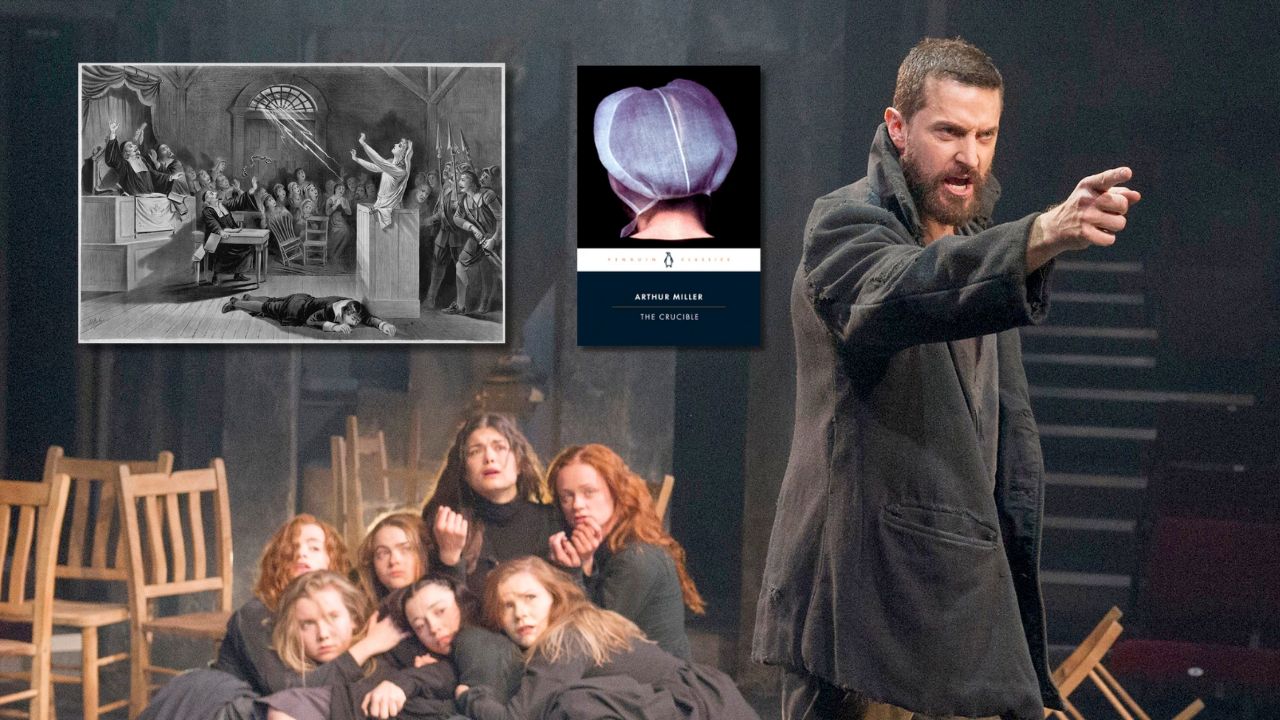
You’ve probably heard of The Crucible. Lots of people have either seen the play or had to read it for school, I know I did (twice). One of Arthur Miller’s most popular works, this play explores the Salem Witch Trials and the influence of fear and mass hysteria on a small Puritan society. It’s an excellent glimpse into the human mind and the lengths a community will go to when they believe they are being threatened.
But did you know that most of the events of The Crucible really happened? Every character in this famous play is actually a real person from Salem, Massachusetts, who played a role in the 1690s witch trials.
Aside from that, the play was written as an allegory for the “Red Scare” of 1950s America. It was during this time that people suspected of Communism (or any “deviance”) were being hunted out and prosecuted. Average citizens were put on trial and expected to be prosecuted unless they could name other communists. Hmmm. Sounds a lot like a “witch hunt”, doesn’t it?
In order to reflect the fear and hatred of the time in which he wrote The Crucible, Miller slightly altered the historical figures and their stories. Here are a couple of examples of what Miller changed for dramatic effect that might surprise you.

Prosecution
Interestingly enough, while The Crucible provided a terrifying glimpse of what people are capable of, the witch hunts of history proved to be even worse. Thousands of innocent people were prosecuted, including a four-year-old girl (who actually went to jail) and two dogs (who were executed). The Crucible focused on only a few people from the town of Salem, but the influence of witchcraft hysteria extended far beyond that small town.

The Trials
Despite the hysteria, the prosecutions of real-life people followed a much more “reasonable” process; there were months between accusations and sentencing, and there were actual indictments and juries. In Arthur Miller’s version, the trials are a lot more barbaric and simplified, focusing on the intentions behind the accused and the accusers rather than the trial itself.
The Proctors
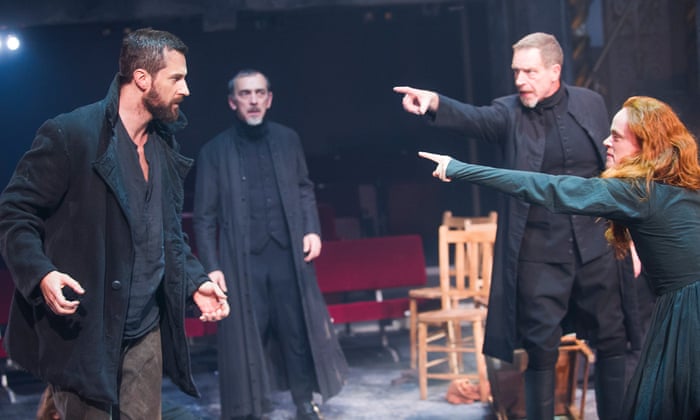
The Proctors, the family which The Crucible entirely focused on, were very minor players in the real Salem Witch Trials and hardly made a mark on history at all. Additionally, they were much wealthier than the humble farmers The Crucible made them out to be.

Age Difference
In The Crucible, the catalyst for the events lies mainly in the affair between Abigail, a 17-year-old girl, and John Proctor, a 30-something year-old man who was her employer. In real life, however, Proctor was actually much older, in his 60s, and Abigail was merely 11 years old.

The Affair
Fortunately, there was no actual evidence of an affair; the plot was merely a fabrication by Miller to make the characters more compelling. As historian Henry Popkin said, an unblemished protagonist with no moral quandary doesn’t make for a good “serious play.” Miller merely took some facts from the trials such as Abigail’s employment and reluctance to implicate John Proctor and used them to imply something much more sinister was going on.
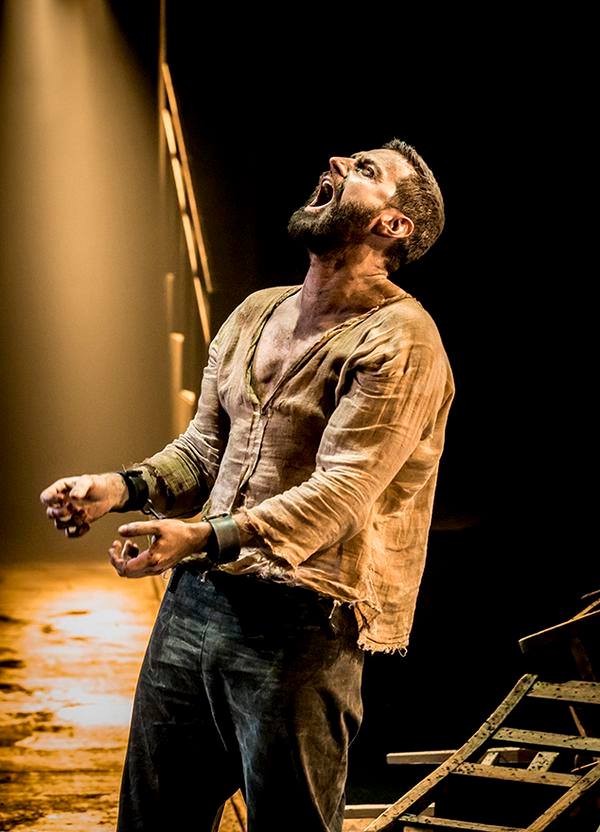
Many scholars claim that changing the real story of the Salem Witch Trials lessens the impact of the original story, but I wholeheartedly disagree. By creating an account that represents two of the most paranoid and cruel periods in American history, Arthur Miller brings awareness to the dangers of mass hysteria and fear-mongering. The Salem Witch Trials and 1950s McCarthyism are lenses through which Miller wants us to view a greater “vertical dimension” and a subset of human history; in the grand scheme of things, his changes don’t mean much.
Interested in more Jewish authors like Miller? Read our article!
For some inspiring memoirs from actors (that very well could have performed in The Crucible at some point!) check out some of the books on our bookshelf.