














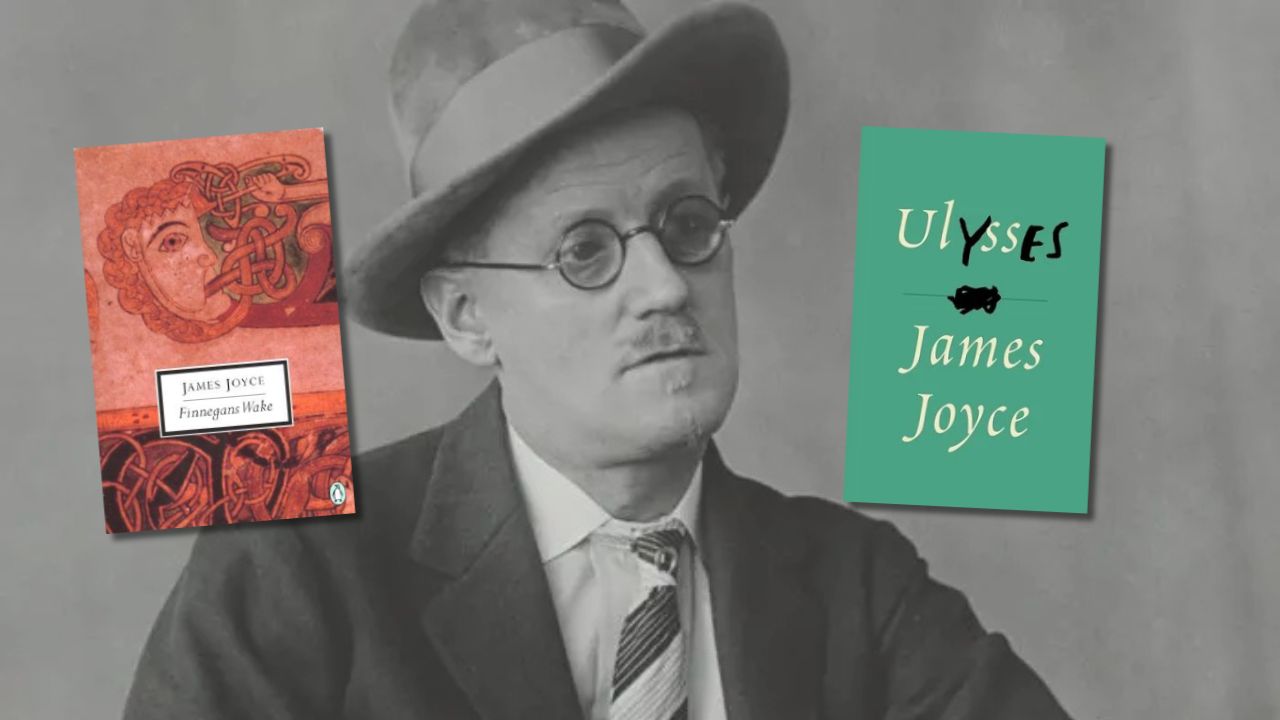
James Joyce redefined narrative structure, language, and the role of the reader in ways that continue to resonate in contemporary fiction. With Ulysses (1922) and Finnegans Wake (1939), Joyce not only reshaped how novels could be written but also how they could be read, creating a new literary world in which interpretation became as much about engaging with the text as it was about deciphering its meaning.
The Modernist Breakthrough in Ulysses
When Ulysses was published in 1922, it was nothing short of revolutionary. In a literary landscape that still largely adhered to conventional narrative forms, Joyce’s novel broke free from tradition by immersing readers in the complex inner worlds of its characters. Set in a single day in Dublin, Ulysses follows the lives of its protagonists — Leopold Bloom, Stephen Dedalus, and Molly Bloom — capturing their thoughts, movements, and experiences. On the surface, the events of the day are simple and mundane, but Joyce imbues them with profound meaning through his unique narrative techniques.
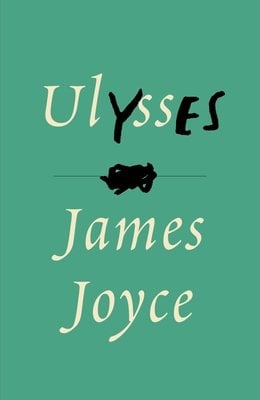
One of the key elements that set Ulysses apart was Joyce’s use of stream of consciousness, a technique he perfected in this novel. This narrative method aimed to capture the continuous flow of thoughts, emotions, and sensory experiences in the minds of the characters. Rather than following traditional narrative structures, Joyce allowed the story to unfold in an unfiltered, associative manner. For example, the reader is given access to the fleeting thoughts of Bloom as he walks through Dublin, as well as to the introspective reflections of Stephen and Molly. The result is an intensely intimate portrait of the characters, giving readers a deep understanding of their inner lives.
Stream of consciousness opened up new possibilities for writers in how they could depict psychological depth and complexity. It blurred the lines between narration and character thought, creating a dynamic, layered narrative that forced readers to engage in active interpretation. Writers such as Virginia Woolf, William Faulkner, and postmodernists like Thomas Pynchon and David Foster Wallace would be profoundly influenced by Joyce’s experimental narrative techniques.

Beyond stream of consciousness, Ulysses is famous for its extensive use of intertextuality — where earlier works of literature are referenced and reimagined. Joyce took inspiration from Homer’s Odyssey, mapping the structure of his novel onto the ancient epic. In doing so, he redefined the relationship between myth and modernity, showing how ancient stories could be used to illuminate contemporary experiences. This blending of classical allusions with modern life was a bold statement about literature’s ability to transcend time and geography, creating a literary dialogue that was at once universal and intensely local.
Linguistic Experimentation in Finnegans Wake
While Ulysses revolutionized narrative structure, Finnegans Wake took Joyce’s experimentalism to an entirely new level. Published in 1939, Finnegans Wake is often considered one of the most difficult and complex works of literature ever written. Its dense, fragmented language resists easy interpretation, pushing the boundaries of what a novel can be. In Finnegans Wake, Joyce sought to create a universal language, blending English with words from a variety of languages, including Latin, French, German, and even invented words. The result is a text that constantly shifts, challenging readers to reinterpret its meanings at every turn.
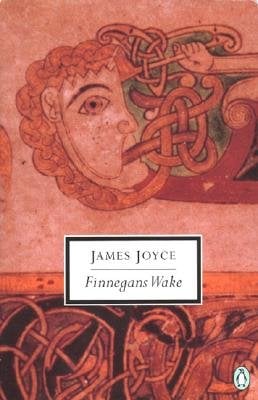
One of the most notable features of Finnegans Wake is its playfulness with language. Joyce constantly bends, twists, and invents words to evoke new meanings. He creates puns and neologisms that defy conventional grammatical rules. For example, the title itself, Finnegans Wake, is an ambiguous reference to both the death and the afterlife of a character named Finnegan, but it also plays on multiple linguistic and literary associations, drawing on Irish folk tales and a variety of European languages.
This radical linguistic experimentation opens up a multitude of interpretive possibilities. The novel’s meaning is never fixed but in constant flux, allowing for an almost infinite number of readings. The complex, multi-layered text invites readers to engage with it on a deeper level, as they must decipher the many allusions and wordplay embedded in the language. This approach to narrative is not just about telling a story — it is about creating a world in which language itself is malleable and open to continuous reinvention.
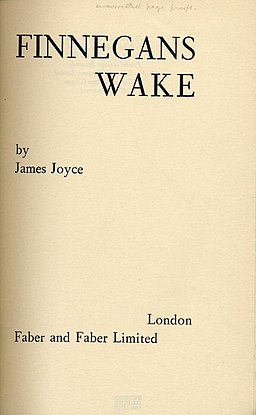
The structure of Finnegans Wake is equally radical. The novel’s cyclical nature, in which the story begins and ends with the same passage, reflects Joyce’s belief in the circularity of time. In this way, Finnegans Wake presents history and human experience not as linear events but as recurring cycles. This structure challenges traditional narrative progression and invites readers to think about time, history, and storytelling in new and unconventional ways.
Joyce’s Legacy: Breaking Boundaries
James Joyce’s influence on literature cannot be overstated. Ulysses and Finnegans Wake were not only monumental achievements in their own right but also inspired generations of writers to experiment with form, language, and narrative structure. Joyce’s innovations paved the way for later modernist writers and thinkers, and his work continues to be a touchstone for experimental fiction.
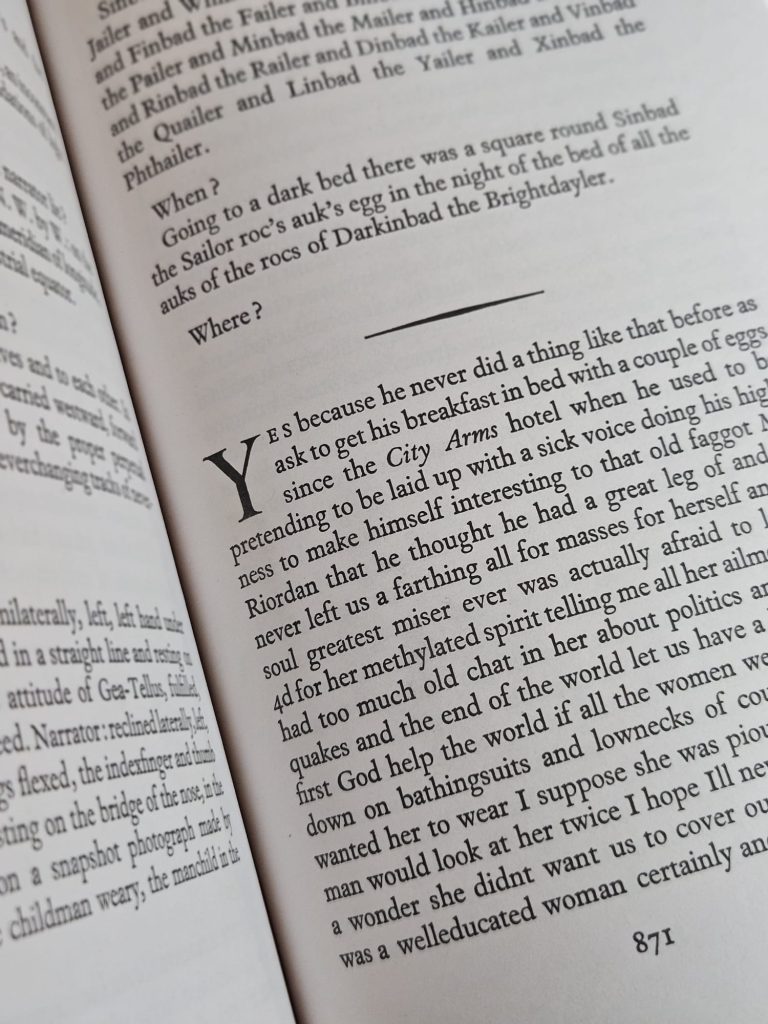
The legacy of Ulysses and Finnegans Wake extends beyond literary technique. Joyce’s works redefined the role of the reader, transforming them from passive recipients of a story into active participants in the creation of meaning. In both novels, the reader is required to engage with the text at a deeper level, interpreting not only the story but also the language, symbols, and structure of the narrative.
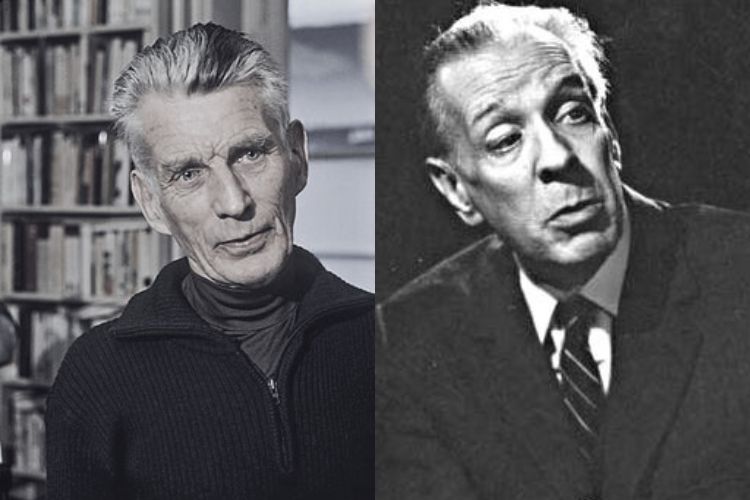
In addition to his influence on literary technique, Joyce also played a significant role in the development of modernist and postmodernist ideas. His questioning of narrative authority, his refusal to adhere to traditional structures, and his exploration of language as an unstable medium all prefigured many of the concerns of postmodern literature. Writers like Samuel Beckett and Jorge Luis Borges owe much of their experimentalism to Joyce’s groundbreaking work.
James Joyce’s Ulysses and Finnegans Wake revolutionized literature in ways that continue to influence writers today. With their experimental use of narrative, language, and structure, these works challenged the conventions of their time and expanded the possibilities of what literature could achieve. Joyce’s focus on the interior life of characters, his playful manipulation of language, and his questioning of linear narrative set the stage for the experimental fiction that would follow in the 20th century. Today, Joyce’s masterpieces remain a testament to the power of literary innovation, inspiring readers and writers alike to push the boundaries of what literature can be.
Discover more about James Joyce’s enduring legacy and his impact on literature by exploring the fascinating documents recently donated to the University of Reading. Read the full article here!
Explore our classics bookshelf on Bookshop.org for your next favorite book!