













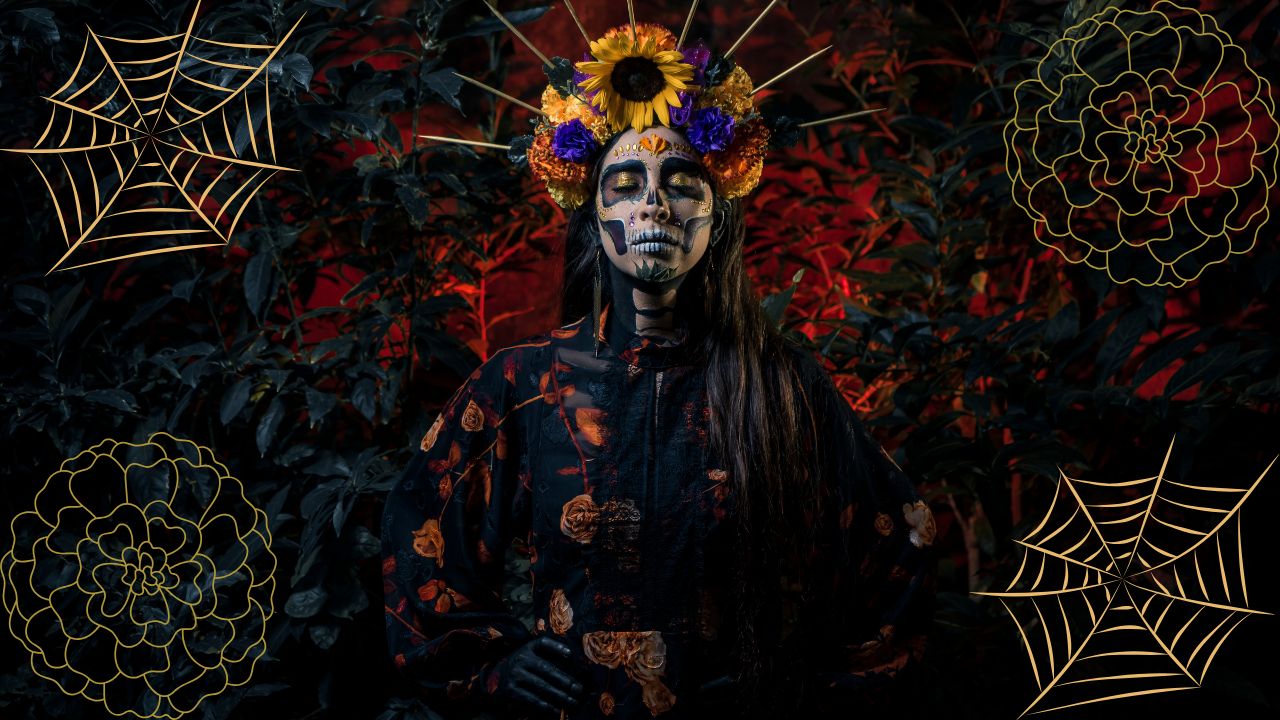
Throughout the history of American folkloric traditions, the presence of the ghost story has been a prominent feature of storytelling narratives. We all know the spine-chilling story of Ichabod Crane being chased by the terrifying Headless Horseman in Sleepy Hollow. Or you have possibly heard of The Bell Witch of Tennessee, an urban legend from 1817 that inspired the cult classic movie from 1999 The Blair Witch Project. But have you heard of La Llorona? Today, Bookstr fam, we will dive into the ghastly tale of the infamous Wailing Woman, known throughout Latin America as La Llorona.

Historical Origins of La Llorona
The legend of La Llorona is primarily told throughout Mexico, but has unraveled throughout Latin America. Sources claim that the earliest encounter of the mournful woman was in 1550 Mexico City, but other research maintains that she may be connected with Aztec mythology, placing the story even earlier. The English translation of La Llorona means “the weeping woman,” exactly how she is described in her horrific allegory. The common storylines describe her as a woman in mourning for the death of her children, who she supposedly drowned in a river. The reason for her actions varies depending on the storyteller. Some say that she was led to this fateful act by unrequited love. But others proclaim that it was due to the affair of her lover with another woman. Either way, parents retell this story to their children to persuade them to behave, or La Llorona will lead them to the same fate as her children — her cries that bring misfortune or even death. Those who hear the mournful cries are told to run away as fast as they can.
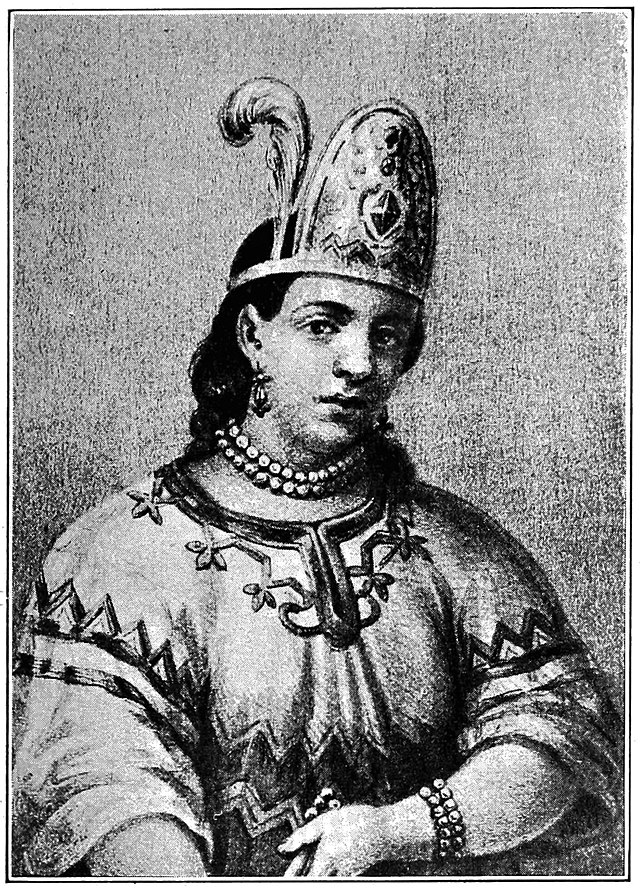
However, other sources claim La Llorona is based on an actual historical figure. That figure is to be La Malinche, a Nahua indigenous woman. La Malinche was chosen to be the interpreter to Hernán Cortés, a Spanish conquistador who conquered the Aztec Empire. As time progressed, La Malinche bore Hernán Cortés’ son. Whether this was consensual or not on La Malinche’s part, the relationship between her and the conquistador was seen as a betrayal by her people, who shunned her as a traitor. Thus, she was viewed as “the mother of the modern Mexican people and a symbol of national treachery for role in aiding the Spanish.” One can see common themes between La Malinche and La Llorona as society places blame and oppression on both figures.
La Llorona in Movies and Books
Throughout the years, La Llorona has made her appearance in media, ranging from music, to movies, and some literature. The first recorded film was a 1933 Mexican-made movie called La Llorona. Other noteworthy mentions were a classic 1963 horror film called The Curse of the Crying Woman to most recently The Legend of La Llorona in 2022, which starred Danny Trejo. Beyond the horror film genre, La Llorona has even appeared in Disney’s hit film Coco in 2017 as the characters Mamá Imelda and Ernesto de la Cruz sing her haunting melody La Llorona, a 1941 song that was popularized by Andres Henestorsa.
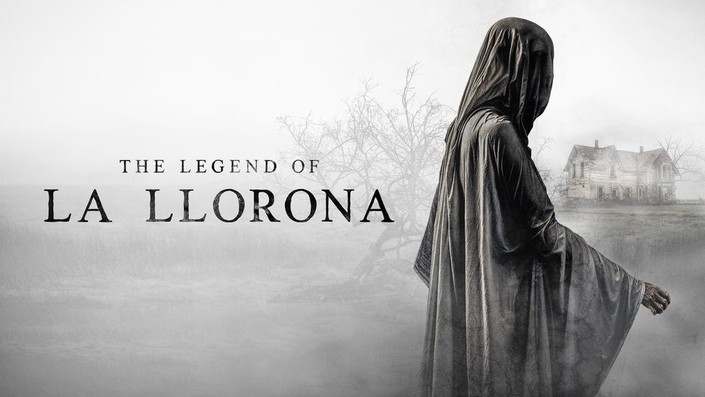
La Llorona has a few mentions in literature. In one contemporary example, she has been cast as the antagonist in V. Castro’s The Haunting of Alejandra from 2023, in which she plagues the main character, Alejandra. In the novel, Alejandra is tormented both physically and mentally by La Llorona, which could be interpreted to represent the oppression placed on Alejandra due to societal demands on women.
The Symbolism of La Llorona on Chicana Feminism
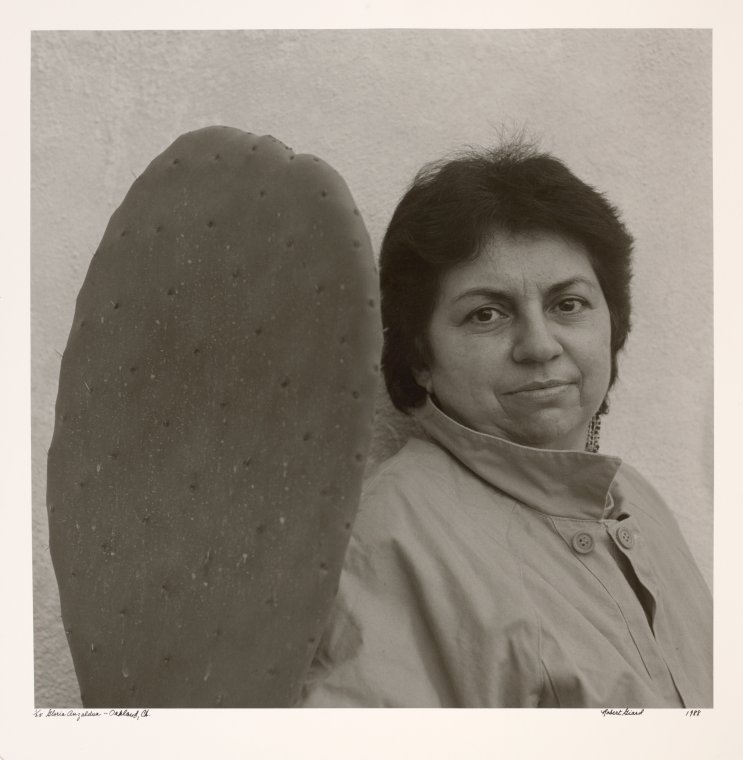
Diving deeper into the meaning of La Llorona, some view her as a misunderstood figure that some Chicana feminists have claimed as a way to encompass the oppressions faced by minority women. Celebrated feminist and author Gloria Anzaldúa discusses the ideas of feminism and “sexual borderlands” attached to La Llorona in her memoir Borderlands: La Frontera. The wailing woman can be seen as a symbolism for a category of women whose behavior can be construed as negative.
This contradicts another popular figure in Latin American culture, the Virgen de Guadalupe. These two figures, La Llorona and the Virgen, could represent the dichotomy in which women are placed in societal boundaries — the good woman vs. the wicked woman. Parallels can be found to compare these ideas with other religious figures, such as Eve and Lilith from the Bible. Sandra Gilbert and Susan Gubar’s The Madwoman in the Attic could also be used to analyze these ideas on how La Llorona reflects society’s ideas of the “wicked woman,” as they construct the feminist literary theories on how women are either portrayed as the “angel” or the “monster.”
Even if you have only heard the tale of La Llorona in passing, hopefully this article has provided a bit more perspectives on the terrifying legend of the crying woman. While the thought of hearing a ghostly, haunting cry in the night could chill anyone to the bone, it is important to dive deeper into the true meaning and influence of this folkloric tale that has been passed down from generation to generation. As gender equality and women’s rights have been discussed in American, as well as international politics, it is important to reanalyze ancient narratives in the perspective of modern times.
To read more about feminist icons and the supernatural, check out our article Our Favorite Fiercest Feminist Witches in Pop Culture!
For our Hispanic/Latinx Recommendations: Bedtime Stories, Poetry, and Novels bookshelf on Bookshop.org, click here!