










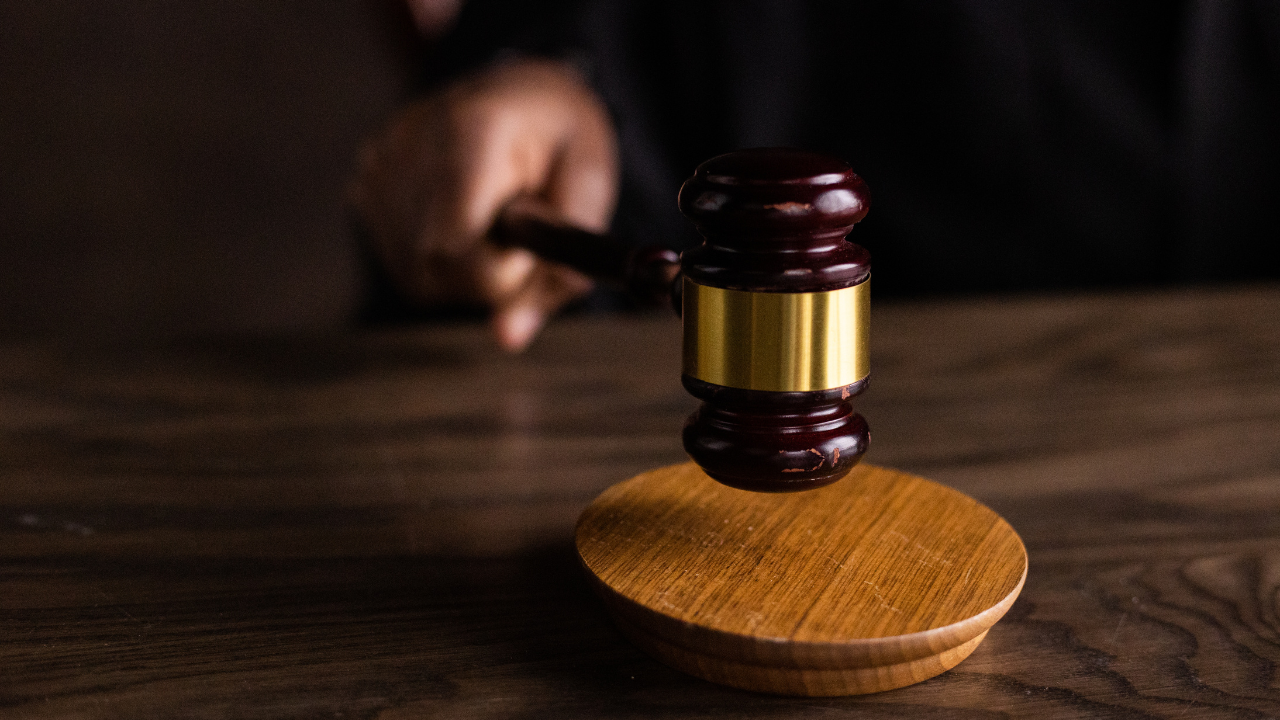
On May 23, the District Court of the Fifth Circuit ruled that the government can ban books from public libraries based on their content, a novel development in the nationwide judicial fight surrounding book bans.
Texas Turmoil: The History of the Case
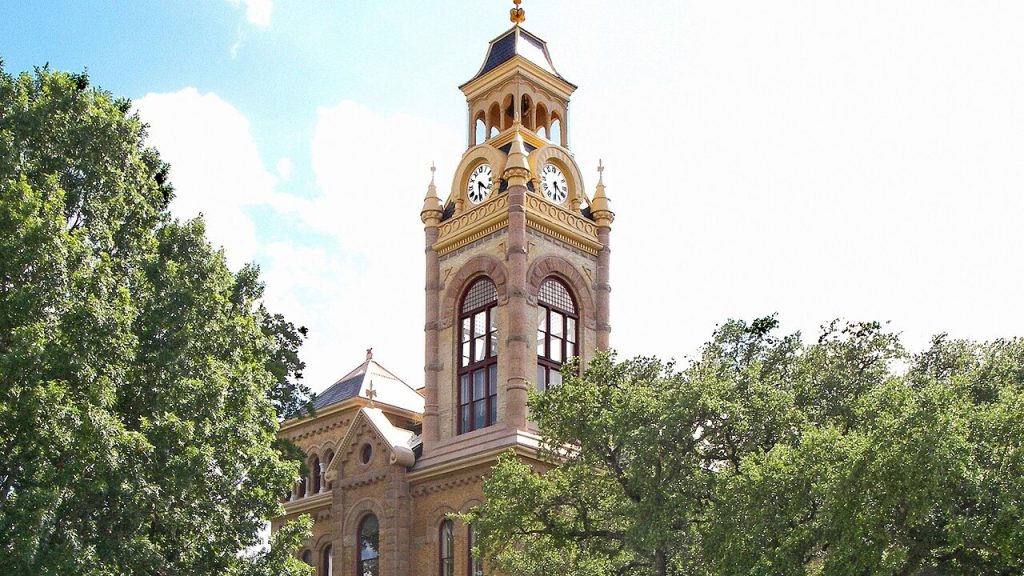
The court case began in Texas in 2021, when the Llano County library commissioner removed 17 books from the library at local residents’ request. The books included various children’s books, such as Maurice Sendak’s In The Night Kitchen, as well as award-winning books like Isabel Wilkerson’s Caste.
Four months later, in January 2022, the existing library board was dissolved and replaced with residents that had requested the books be removed. The library was then closed for weeks in order for the board to remove any “inappropriate” works from the shelves.
The case made it to the Appeals Court of the Fifth Circuit, an area that includes Texas, Louisiana and Mississippi. There, the ACLU filed an amicus brief against the censorship of public libraries, as a party not directly related to the case but with an vested interest in its outcome.
There, the Appeals Court, or District Court, made an interesting decision: the court’s majority ruled that a government official removing books from a public library was government speech. This means the action is not protected under free speech laws.
Free or Government Speech: Why This Decision Matters
The free speech rights of Americans are highly protected, and were in fact strengthened by a recent Executive Order signed by President Trump, stipulating that federal officials are prohibited from coercing or suppressing speech on private social media platforms.
If a government official removing library books from a public library due to their content was considered the government controlling free speech, as it has been in other court cases, that action would be considered unconstitutional.
However, government speech, according to the law, is the government itself expressing a point of view, like erecting a monument in a park or putting a state motto on a license plate. And under the First Amendment, that’s allowed. Therefore, according to the Fifth Circuit, government officials can remove any books they want from public libraries, for any content-based reason at all.
The District Court’s ruling in this case conflicts with a ruling by the Eighth Circuit Court. That means that the law has been interpreted significantly differently in different parts of the country, meaning that what exactly counts as constitutional, or legal, varies from state to state. That’s something that lawmakers (and the law in general) usually try to avoid.
A circuit split is one reason the Supreme Court might choose to pass judgment on a case, seeking to unify the country’s interpretation of the law.
Opponents of the decision, such as the ACLU, have objected on the grounds that public libraries serve as “spaces for free inquiry and exploration of diverse ideas,” not simply places that house government-sanctioned reading.
The Circuit Court’s decision, if upheld, could have wide-ranging effects for public libraries in Texas, Louisiana, Mississippi, and potentially the entire country. It would permit government officials to remove any books they wanted from public libraries and even schools, based solely on their content. In effect, it would legalize government censorship of libraries themselves.
Want to read more about Book News? Click here.
Read more about Book Bans here.