

















Young adulthood is a time full of self-discovery and new experiences, and it can also be a time of heightened emotion. YA novels, especially coming-of-age novels (also known as a bildungsroman), can be great companions for adolescents because they show those same ups and downs through their characters and storylines. The format of YA books helps young readers to identify with protagonists on an emotional level and enables them to learn about themselves and the world on their journey to adulthood. Read on to learn more about Young Adult novels and the positive impact they can have on young readers.
So What Is YA?
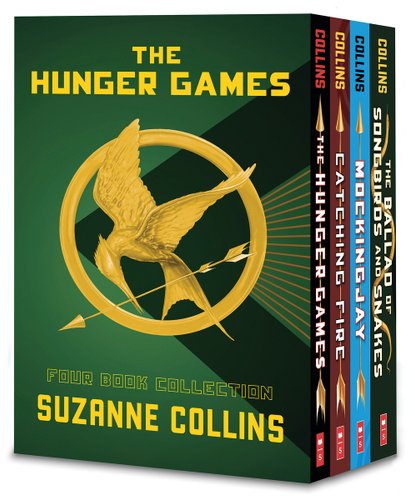
While the YA genre is incredibly popular with all ages (think Harry Potter and The Hunger Games), it has traditionally been for ages 12 to 18. It features narratives and emotions that are relatable for young readers through characters that are often within this same age range. In a series, such as Percy Jackson & The Olympians, the characters may age alongside their readers so that the emotions and problems the characters are facing more accurately reflect those that the readers may be experiencing too. These novels are usually first person as well, making it even easier for young readers to connect with the protagonists. At a time when youth are gaining awareness of themselves and the world around them, YA novels really can make a big difference in their development.
Identity
Adolescence is obviously a major time for identity formation, where people gain a stronger understanding of who they are and/or how they relate to aspects of their identity. However, some youth might not have spaces in their day-to-day lives where they can explore different parts of themselves. A Black teen who lives in a predominantly white town or a teen questioning their queerness in a conservative area might have a more difficult time feeling safe or connected to certain parts of themselves. YA novels, namely through their characters, can provide spaces that are free of judgment and outside pressures from peers, family, or social media so that young people can learn to love and accept all parts of themselves.

It’s more than that though; books that represent marginalized identities not only teach readers about themselves but also show them how to connect with and respect those who are different. Meanwhile, books about mental illness might help young readers feel less alone or give them the confidence to reach out to an adult for help, and it may help them understand their peers as well.
Experiences
Young people aren’t just growing and changing. They’re also having countless new experiences, and age, unfortunately, doesn’t protect them from difficult or traumatic ones, such as bullying or sexual assault. Having access to YA literature that discusses such topics gives them an outlet for processing or coping with those situations, or could help them understand a friend or family member’s struggles, in an age-appropriate way. For others, like those with mental illness, it could show them it’s okay to speak up and get the help they need.

Not all of these experiences are so heavy, of course, but they might feel just as complicated, confusing, or stressful to a young person who hasn’t dealt with them before. Whether it’s friendships, romance, or sex, adolescents often need help navigating these things as they transition into adulthood, but they may not always want to reach out to the adults in their lives. YA books shouldn’t be their only resource, but it can help to have these experiences reflected through the stories and characters they feel connected to.
Skills

Good YA characters are as flawed as the rest of us. By seeing them make mistakes, young readers can both realize mistakes are a normal part of life and also learn how to do better in the future. These novels show how actions can have consequences and repercussions on those we care about and even the world around us, something many youths still have to learn. Through the choices characters and even villains make, and often with the influence of other characters’ reactions, readers are also able to make judgments on those decisions. Ultimately, they learn how to interact with others, own up to their shortcomings, apologize, and make their own choices outside of the world of literature.
While they are just one piece of the puzzle, literature can still be an important part of adolescents’ development. YA novels can be a great escape from the stresses of adolescence and provide a healthy and comforting distraction from real-world problems. They can also teach youth real-world skills and strategies that will help them on the way to adulthood; having these skills helps develop confidence, independence, and respect, both for themselves and those around them. Hopefully, more young people will see the power of reading and reap the benefits that YA novels can bring them.
Check out this article to learn about some of the best YA novels of 2024.
Go here to find some of Bookstr’s YA recommendations on Bookshop.org.
