


















In this exclusive interview, we explore the captivating world of historical fiction with renowned author Barbara Sontheimer. Her latest novel, The Mutiny Brides, brings to life a forgotten chapter of history, chronicling the extraordinary journey of four women unjustly exiled to the untamed wilderness of Louisiana.
We discuss Sontheimer’s meticulous research process, her creative approach to character development, and the inspiration behind this sweeping historical saga. She shares insights into the challenges of balancing historical accuracy with fictional storytelling, as well as the themes of resilience, survival, and the human spirit that resonate throughout the novel.
Join us as we explore the author’s passion for history and her dedication to bringing the past to life.
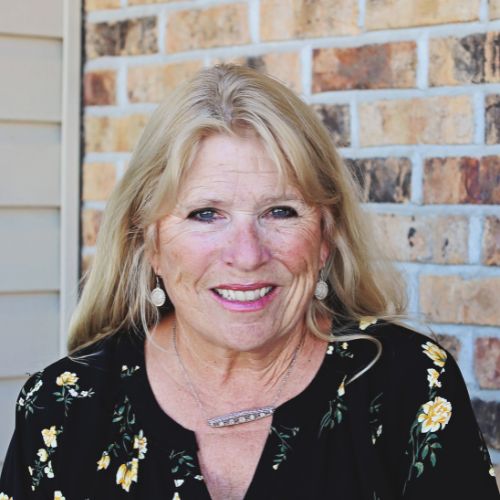
Barbara Sontheimer: Historian, Researcher, and Writer
Barbara Sontheimer has a B.A. from a little college in the bootheel of Missouri and spent 15 years researching and writing Victor’s Blessing while working and raising three children. A fascination with the everyday life of the people, not battles, was the driving force. One of her greatest hopes for her novel is that someone turns out the light a bit too late on a work night or (like she did) occasionally hid from her kids in the laundry room to finish a chapter. Barbara is married and lives in Lake Ozark, Missouri.
INSTAGRAM | FACEBOOK | LINKEDIN | WEBSITE
Thank you for sitting down and talking to us, Barbara. Let’s get started.
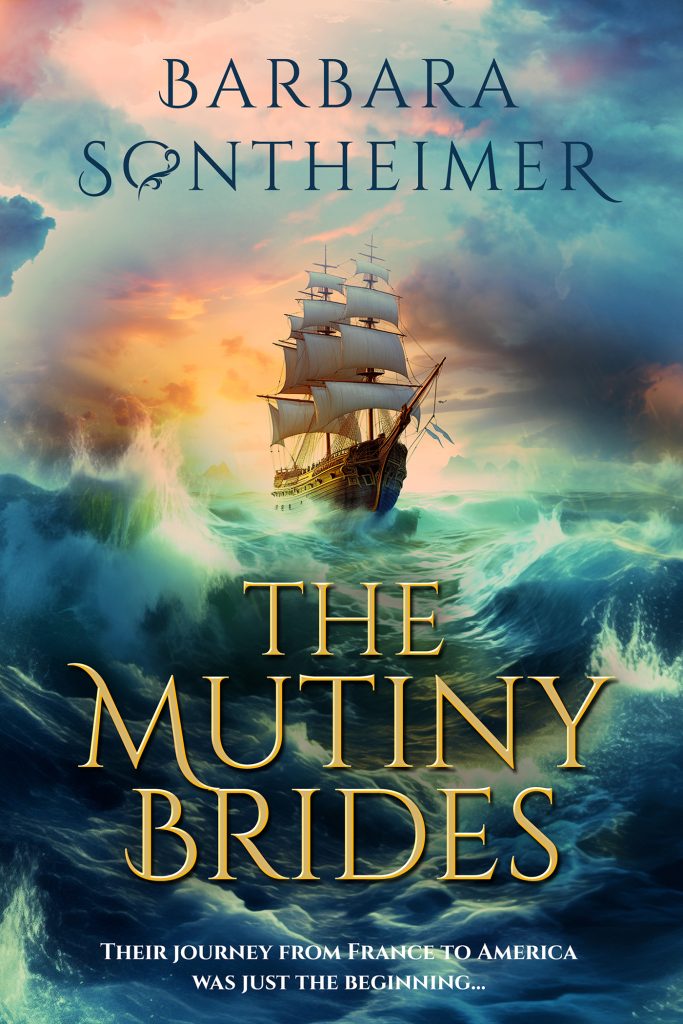
For any readers unfamiliar with it, can you give an elevator pitch for The Mutiny Brides?
Four unjustly accused and tried women are sent to jail in France. To get these undesirable women off of France’s hands, they are sent on a hideous winter journey across the Atlantic Ocean to the “new world,” a hostile place called Louisiana. Left to fend for themselves in this unforgiving world, they not only survived but flourished. They made good marriages, became landowners and businesswomen, and created what we lovingly refer to as the French Quarter. This is the story of the Gulf Coast’s long-forgotten founding mothers.
Given your commitment to historical accuracy, could you elaborate on your research process? What steps do you take to verify information?
My first novel, Victor’s Blessing, was chock full of research. And my readers let me know to “lighten up a little bit.” I am not a typical researcher. The research I geek out on is not about political intrigue or battles but rather the way they curled their hair, the French people’s propensity for the color blue, and the way the native people could weave a basket so tightly it held water. And I find research everywhere. I devour books, magazines, newspaper articles, and anything I can get my hands on.
When the local newspaper at Christmastime has a recipe from someone’s great-great-great grandmother, I am all over it! I do use several sources, and they sometimes contradict each other, but I verify as well as I can.
And when I find something interesting it makes its way not only into my book, but conversation with my husband, my children, and friends. Bless them all for their patience. They know way more about 17th-century laundry than they want to.
How did you balance historical accuracy with fictional storytelling when developing the characters of Héléne, Josianne, Suzanne, and Maelle?
I created the characters on the long drive home from Biloxi where I first learned about the plight of these long-forgotten women. Names are VERY important to me, and I always name my characters first, flushing them out with physical characteristics, mannerisms etc. For The Mutiny Brides I knew in general what the storyline would be, but because these characters take on a life of their own they often misbehave.
I did a lot of research while writing this. (It would make more sense to do ALL the research first, but that seems like work!) I usually have an idea of the history I want to cover, write the novel (the FUN part), and go back and plug in history when it makes sense. It may not be the most organized way to do it, but it makes all of it enjoyable.
The Mutiny Brides spans many decades and includes major life event changes for the characters. What was your inspiration to tell such a sweeping multi-decade story?
In July, while on vacation with my granddaughter in Biloxi, we took an open-air tour of the city. The tour guide, Claudia, told us the story of these women who came over in chains and how their story had been misfiled in the French archives for 200 years. 200 YEARS?!? That fact alone made me want to give them their rightful place in history!
What themes did you want to explore in this novel, and how do the women’s experiences reflect broader themes of resilience, survival, and the human spirit?
All of them had different but equally difficult backstories, and I wanted to show that it is not where you start but where you end up in life that matters. I was horrified and humbled by what they endured in France, then the voyage, then Louisiana. The simple fact that they did not roll into the fetal position and give up gave me the courage to tell a gritty story. I wish I could say I had that same unsinkable spirit!! And I wanted to talk about everyday people: a simple laundress, a ladies’ maid, a seamstress, and an orphan. All destined to greatness by what was inside them all along.
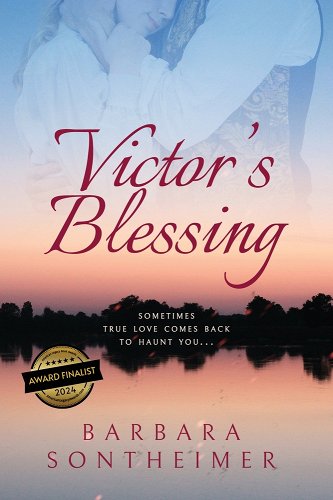
Your last book, Victor’s Blessing, was historical fiction centered around the Civil War. What did you find to be the major similarities and differences in approaching these two books?
I spent 15 years researching and writing Victor’s Blessing, and although I am proud of it and love it, some readers were put off by its length and attention to detail. For The Mutiny Brides, with a reader in mind, I shortened the story, making it more manageable, and purposefully left out some of the heavy historical details.
Reading is supposed to be fun, not a chore.
Are there any plans for future historical fiction novels or projects that explore similar themes of female resilience and historical injustice?
I am planning a sequel to The Mutiny Brides, tracing the women’s great-great-granddaughters. In the early 19th century, Biloxi was the seafood canning capital of the world. Who knew?!!
Could you please recommend a few historical novels that you personally love for our readers?
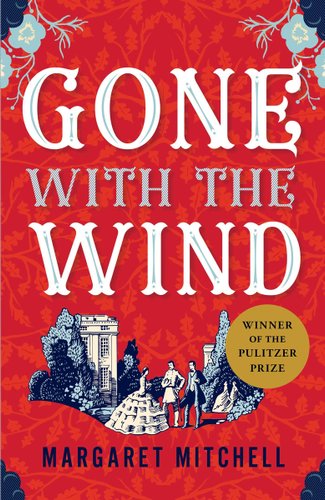
One of the first historical novels I ever read was Gone With The Wind. I know it’s not “popular” to say that anymore, but it’s true. I followed that novel up with Jane Eyre, Wuthering Heights, Frankenstein, Pride and Prejudice, and The Thorn Birds. I also loved the entire Clan of the Cave Bear series and anything Philipa Gregory ever wrote!
To close out, can you touch on the importance of keeping history alive through fiction?
My first major in college was Library Science. When that proved too taxing, I moved on to my next love…history. Spoiler alert! I ended up with a B.A. in Spanish. My mother pondered the wisdom of that move until she died.
I bought one of those silly T-shirts the other day. The ones that say, “Don’t make me repeat myself,” signed by history. Without keeping history alive, we lose all our knowledge and experiences. If we do not examine it, we are bound to continue to make the same mistakes. History should not be a yawner for kids in school. It should be as alive and vibrant as the people that lived it. I will continue to write about history because the past makes us who we are.
History and Fiction: The Best of Both Worlds
As our conversation with Barbara Sontheimer draws to a close, it’s clear that her passion for history and storytelling is infectious. Her dedication to bringing the past to life, especially the often-overlooked stories of women, is a testament to her commitment to historical accuracy and literary artistry.
Through The Mutiny Brides, Sontheimer not only entertains readers but also sheds light on a crucial period in Louisiana’s history. Her work serves as a reminder of the power of the human spirit to endure hardship, overcome adversity, and shape the future.
As we eagerly anticipate her future projects, we are confident that Barbara Sontheimer will continue to captivate audiences with her compelling narratives and unwavering dedication to historical truth.
The Mutiny Brides is available now on Amazon.
Want to learn more about Barbara’s debut, Victor’s Blessing? Check out our previous interview and get the inside scoop.
Purchase a copy of Victor’s Blessing from our Bookshop here.
