

















When I was a kid, the very first book I read that made me feel seen was Going Bovine by Libba Bray. It was the first time that I saw something authentic to my experience (the hospital, the cool nurses that matched energy) and a character that talked like me (sarcastic, crass) instead of like Tiny Tim in A Christmas Carole. The main character, Cameron, and I weren’t 100% the same—he was a White boy, I’m a Black woman, and I would take my Spinal Muscular Atrophy over a prion disease any day—but his story still had an impact on me that I never forgot. I still have my original copy on my bookshelf.
Nowadays, there’s so many diverse disability representations on the market that we don’t have to pick and choose which parts of ourselves get to be seen. We can fully see ourselves in the fiction we read, in a variety of roles, romantic or platonic, and it’s only continuing forward from here (no matter what anybody tries to tell you otherwise).
But, despite these ever-growing improvements, disability remains the least represented marginalized group in fiction across all age groups. The only way to fix that issue is to write more stories with disabled characters involved, especially as the MCs. So, how do we do that in a way that will help readers feel seen and understood? Thankfully, other authors have already written the blueprint! Let’s check out these five fiction novels with fantastic disability representation and analyze why they work so well.
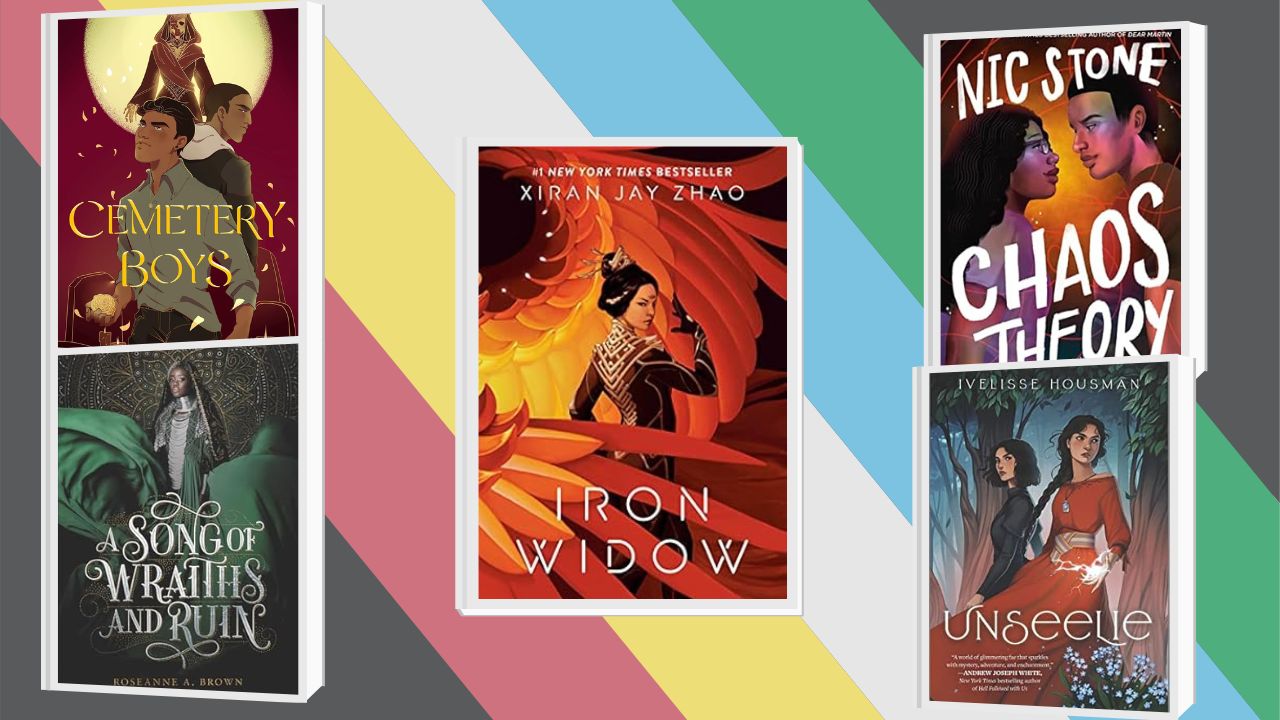
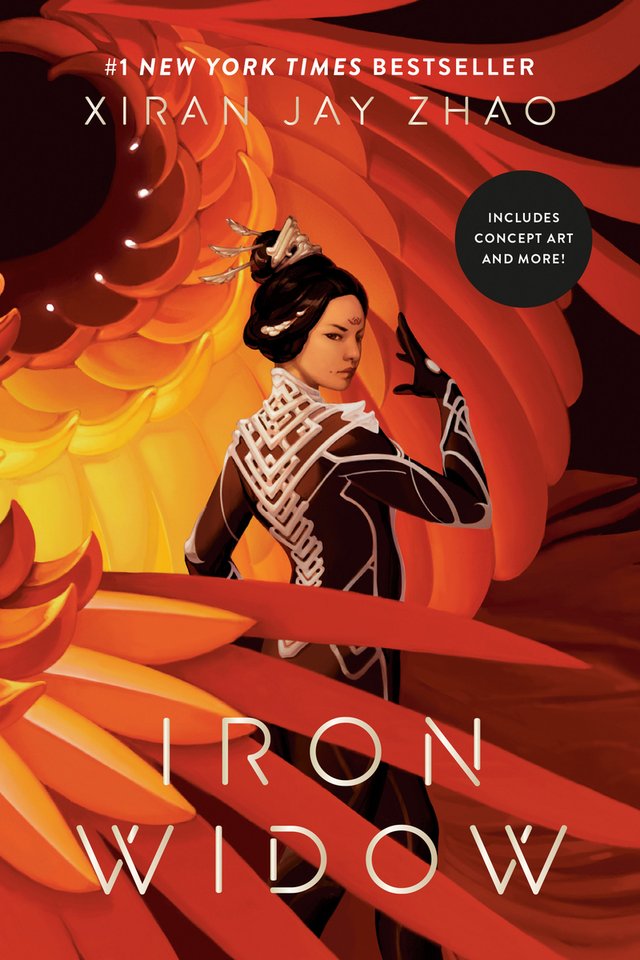
1. Iron Widow by Xiran Jay Zhao
Oftentimes, when any type of media is released with a disabled character, the community is quick to ask, “Were any disabled people in the room when this was made?”. Throughout the years, a large portion of disabled rep was portrayed by abled people on TV or written without any input from the relevant disabled communities. For example, when the novel Me Before You came out, many people in the community used the hashtag #MeBeforeEuthanasia to protest the hopeless and negative depiction of disability. Don’t get me wrong—having a disability is incredibly hard. Whether you’re born disabled or experience it later on in life, there will be plenty of days spent mourning the life that you had or could’ve had.
But is it hopeless? Is it true that disabled people never experience joy and only more misery lies in our future? Is death the only option to end our suffering?
No. I have been disabled all of my life, and I can guarantee you that joy, hope, love, and comradery do not come with a “Functioning Body Required” label. When writing someone in any marginalized group, accuracy is always a critical trait to include in your story. Even when you yourself are disabled, unless you’re writing a character with the exact same disability as you, it’s imperative to use the proper channels and research the specific community you’re writing about. I might use a wheelchair, but my experiences are very different from someone who has a spinal cord injury because the conditions causing us to use wheelchairs are different.
This crosses cultural lines as well. In Iron Widow, the main character has clubbed feet due to undergoing foot binding as a child, a once-common experience for many Chinese women until the late 20th century. Many people in the world have clubbed feet, but only someone familiar with the history of foot binding could portray that specific cause accurately, and only someone familiar with Chinese culture could portray the intimate details and nuances women would have experienced. Not only that, but non-Western expectations of disability can differ from what Westerners are used to. This is why #OwnVoices is such a valuable movement; there are some stories that simply can’t be told with the accuracy they deserve without first-hand experience.
Does that mean we should only allow disability to be written by disabled authors? Of course not! There are plenty of positive portrayals of disability written by non-disabled authors or authors who have a different disability than the characters they write. When writing any marginalized character, there are many avenues of research to use, like sensitivity readers, memoirs, and even Reddit AMAs, to name only a few. Consider the story you’re writing and what kind of world it is, and then start asking questions about how your character’s disability would influence their experiences from there. Most of us are salivating for more accurate portrayals of our disabilities in media, so never underestimate the amount of helpful information there is to aid in your character creation!
2. A Song of Wraiths and Ruin by Roseanne A. Brown
Even if there’s an accurate portrayal, a person is not only their disability. In the past, many characters were depicted as one-note, where their stories and interactions were centered around their disability, similar to how women were limited to only talking about men or romance. Often, our roles were limited to two things: Tragedy or Inspiration. This is when characters are usually put in some kind of struggle narrative but remain either completely optimistic despite their circumstances or completely miserable until death; both meant to serve as a moral lesson to the MC and audience. Once again, similar to how women’s roles were once limited to the Madonna or the Whore, this was overly restrictive and unrealistic to the rich lives disabled people can have—for themselves, even, without any kind of benefit for non-disabled people! Wild to think, I know.
Other people eventually agreed that this was unfair and started the kind of fiction we know and love today. We see disabled people as superheroes! Cyberpunk hackers! Lovers! Wizards! The list of possibilities is endless.
However, by leaning so hard in the other direction and only showing disabled people as perfectly capable as their non-disabled peers, it ends up at the same result with different methods. Instead of being only our disability, it’s erased entirely. We avoid the conversation that, no, we’re not exactly the same as our non-disabled peers. Disabled people are three-dimensional beings—yes, we’re capable. Yes, we can be the main character…but at the same time, we are still disabled. And that’s not a bad thing.
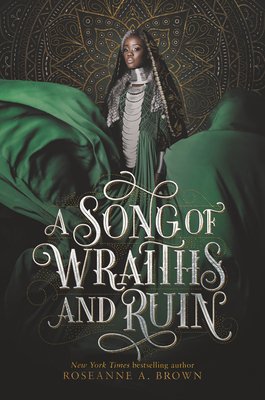
So, how do we keep this balance? Well, the best thing to do is remember that everybody has traits that are both a blessing and a curse, and fictional characters are no different. Experiencing disability is like walking a tightrope of good days and bad days. While it’s great to show how someone’s disability can enrich their life, it’s still important to show that it…well…disables them! Some great examples of this are the two MCs from A Song of Wraiths and Ruin, Nadia and Malik.
They both experience anxiety and panic attacks that cause serious obstacles throughout their journeys. But at the same time, they’re also plotting each other’s assassinations and trying to overthrow kingdoms. People can be two things at once, in both fiction and reality. We can be badass and disabled. Neither trait negates the other!
3. Cemetery Boys by Aiden Thomas
In recent years, there’s been an acutely understandable push for disabled characters to be in the role of the main character. Using my own experiences again, Cameron and Going Bovine were the first examples I’d ever seen where not only was the explicitly disabled character the lead but what was killing them was treated as an adventure instead of a tragedy. It was incredibly empowering, so of course, we want that experience to be more widespread. However, despite being in Camp MC myself, I’m going to say something controversial…not everyone wants to be the main character! For some disabled folks, even on their best days, they could never be the main character, no matter how much magic you threw at them. And that’s okay!
In those cases, the fantasy lies in being desired and included as a full-fledged member of the group. Since the pandemic, the disabled community has been facing even higher rates of isolation and loneliness than before. While it certainly helps, it’s important to remember that positive representation isn’t always just about who is slaying the dragon but also who is allowed to come along on the adventure and be an equally valued teammate.
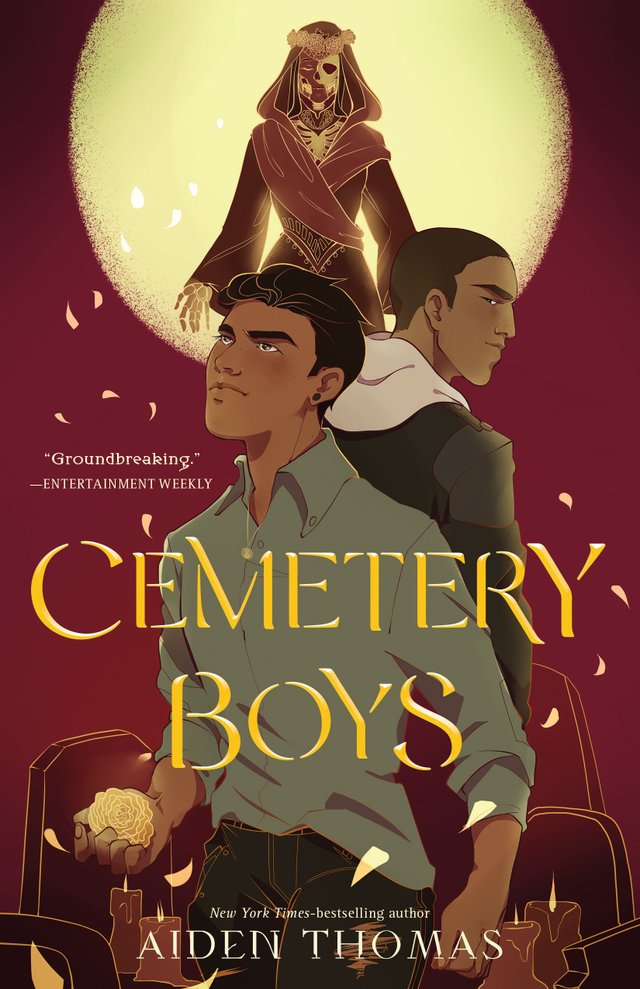
For example, in the novel Cemetery Boys, the main love interest, Julian Diaz, has an unnamed learning disability (later confirmed to be ADHD by the author). Many characters in the story mistreat him, forcing him into the stereotype of a “bad kid,” something many kids with ADHD experience. Even the main character, Yadriel, is wary of Julian at first because of all the rumors surrounding him. Eventually, the two fall in love, and Julian’s friends always stand beside him and defend who he really is, not the rumors and negative images others push on him. In fact, the book portrays him as a ball of sunshine, and his endless energy is an endearing trait instead of something to hide or “fix.”
It’s portrayals like these that make any role in the story a positive one. So often, disability is shown to be a burden on loved ones or something to love “in spite of.” With characters like these, Julian’s disability is included in the reasons why he’s loved by audiences and characters alike. Disability is one of many traits that can make us unique, like someone’s laugh. For many of us, seeing a version of ourselves being fully accepted and desired as we are can be just as magical as being the hero.
4. Chaos Theory by Nic Stone
One thing that I’ve experienced my whole life as a disabled person is not being taken seriously. Despite any accomplishments or lifestyle they might hold, many disabled people experience being talked down to or infantilized—being treated like a child or even an infant regardless of their age. This happens to all of us no matter what diagnosis we have, and it’s often depicted in fiction as well. It’s only in recent years that disabled characters are shown the same respect as the rest of the cast. Before that, it was rare that they were shown with agency or as capable of being anything other than a mascot for the rest of the team. Whether you’re writing a child or an adult character, no matter what disability they have, it’s important to take them as seriously as you would take a non-disabled character.

A great example of this is Chaos Theory by Nic Stone. People with mental health disorders are often treated as if they are not experts in their lives and can’t be trusted with the agency to make their own decisions in life, love, or even their care. In Chaos Theory, one of the main characters, Shelbi, has bipolar depression. She is bullied for her diagnosis in school and keeps herself guarded because of it, but her loved ones never try to push her to make friends or discourage her growing relationship with Walter. They trust her to make the right decisions for herself and ensure she’s aware she has their support in the meantime. She is treated with the same respect as the other teenagers in the cast, even when she struggles.
Not only is this a fantastic example of agency for a disabled character, but it is great to show for a teenager as well! While teenagers inherently struggle with gaining agency as they cross the bridge from childhood to adulthood, a whole new layer begins when you add disability into the mix. Showing Shelbi with a family that respects her choices as a disabled teenager can be a fantasy fulfillment like no other, especially within the context of the story where even other characters, disabled or not, aren’t so lucky. Depictions like these are how we continue to show that the disabled are people with autonomy and are experts in their lives, like everyone else.
5. Unseelie by Ivelisse Housman
So, we’ve reached our final item. We’ve covered how to portray disabled characters accurately, respectfully, three-dimensionally, and with value. If you’ve come this far, your character now has a pretty strong base to build from, grounded in the real world. But do we only want our characters to be realistic, and that’s it? Of course not! We’re writing fiction here!
Now that we have a sturdy base, it’s time to get to the good part…creativity!
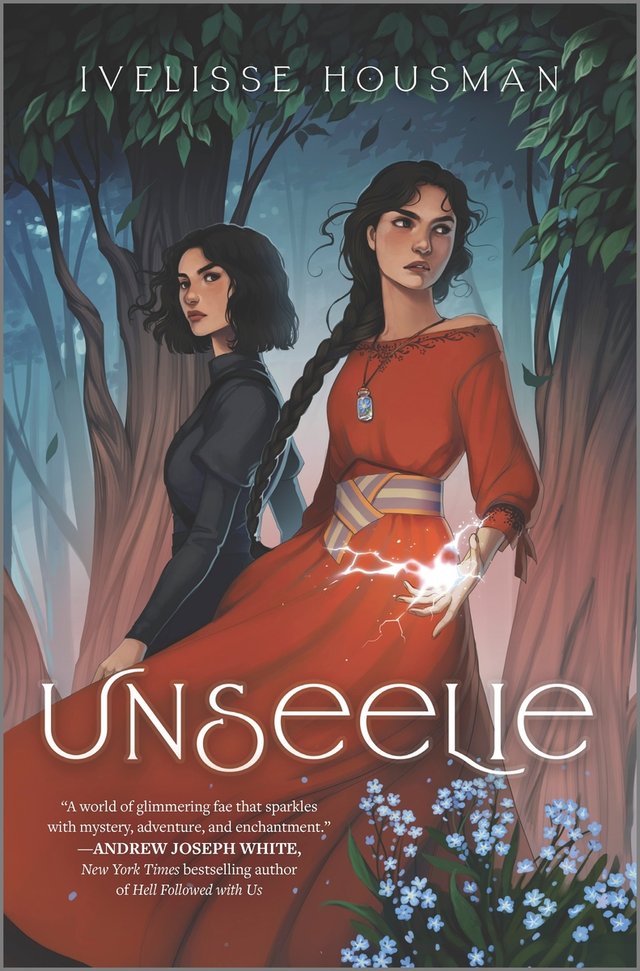
One of the things I see most often is writers questioning how to fit disabled characters into a fictional world. If there’s magic, why can’t someone just “heal” them? What would a wheelchair be doing in a medieval fantasy setting? But what these people are missing is that there are hundreds, if not thousands, of examples of disabled people in fictional genres of all kinds, from video games to film and, yes, even books! Disabled people belong in any setting; the only limitation is the writer’s imagination.
A great example of this is the MC of Unseelie, Iselia (or “Seelie”). The story takes the real-life folklore of Changelings and makes it literal. Instead of a Changeling being an allegory for Autism, Seelie is simply a Changeling with Autism. This influences how her magic works and makes it more difficult for her to blend in with humans. Her disability is incorporated within the magic system and world-building itself, and it adds weight to her overall goal of trying to control her powers. This weaves her disability in a way that’s both accurate and respectful to real-world Autism and creative and engaging for the fictional world.
Final Thoughts
Creativity is like the toppings on a vanilla ice cream cone. It’s how disability representation levels up from being surface-level to beloved for years to come. Even when someone is a side character in the team, blending their disability into the world will still help them stand out in the readers’ minds and solidify them as an important part of the narrative. Sometimes, it’s hard for everyone to imagine ourselves as something more than what we are. But creativity helps us see ourselves in roles we never could’ve dreamed of!
When we think of disabled characters, we think of ones that combine all of these traits. Oracle, Edward Elric, Kaz Brekker, Hazel Grace and Augustus Waters, Tyrion Lannister. These are disabled characters that have not only solidified themselves in pop culture but have helped humanize real people that share their disabilities. They are beloved by both disabled and non-disabled people alike and serve as a bridge between communities to both celebrate what makes us different and remind us that we share more in common than we don’t. This is the beautiful connection diversity offers us, and I can’t wait to see more and more books on the shelves, where, just like with me and Going Bovine, disabled people of all ages can see themselves in the pages and say, “That’s me!”
If you would like to learn more about disability and books, check out this article!
If you’re looking for even more great book recs, check out our Bookshelf on Bookshop.org!
