















Language is hard, and grammar is even harder. There are so many rules, and it’s difficult to keep them all straight, even if it’s our first language. English is certainly no exception, with so many different variations depending on the country. American English has some different grammatical rules than other variations, and here are the 10 most common ones.
There, Their, and They’re
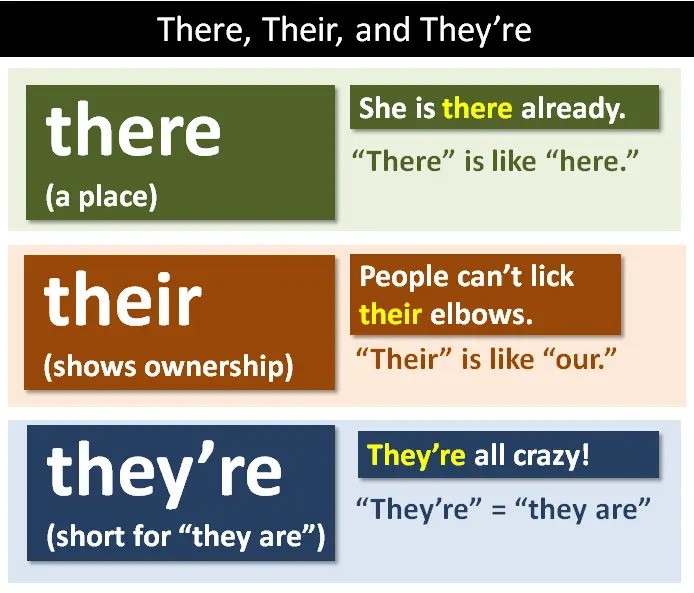
This is probably the most common mistake that everyone, including native English speakers, makes. Whether it’s a simple case of accidental misspelling or someone genuinely not knowing the differences, it’s seen everywhere. Remembering that “they’re” is just short for “they are” and that “there” is always referring to a place makes it easier, and then “their” is used for everything else.
Its and it’s
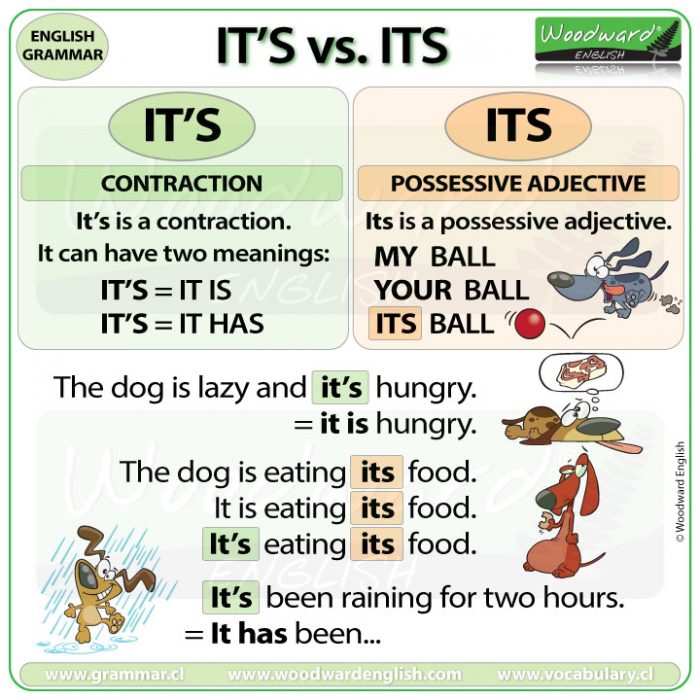
“It’s” is literally just short for “it is” or “it has.” “Its” is possessive, like “him” or “her” but used usually for objects or animals. There’s not really an easier way to remember it, except just memorizing these two rules. If you’re ever stuck, though, try rephrasing it with “it is” and see if it still makes sense.
Less vs. Fewer
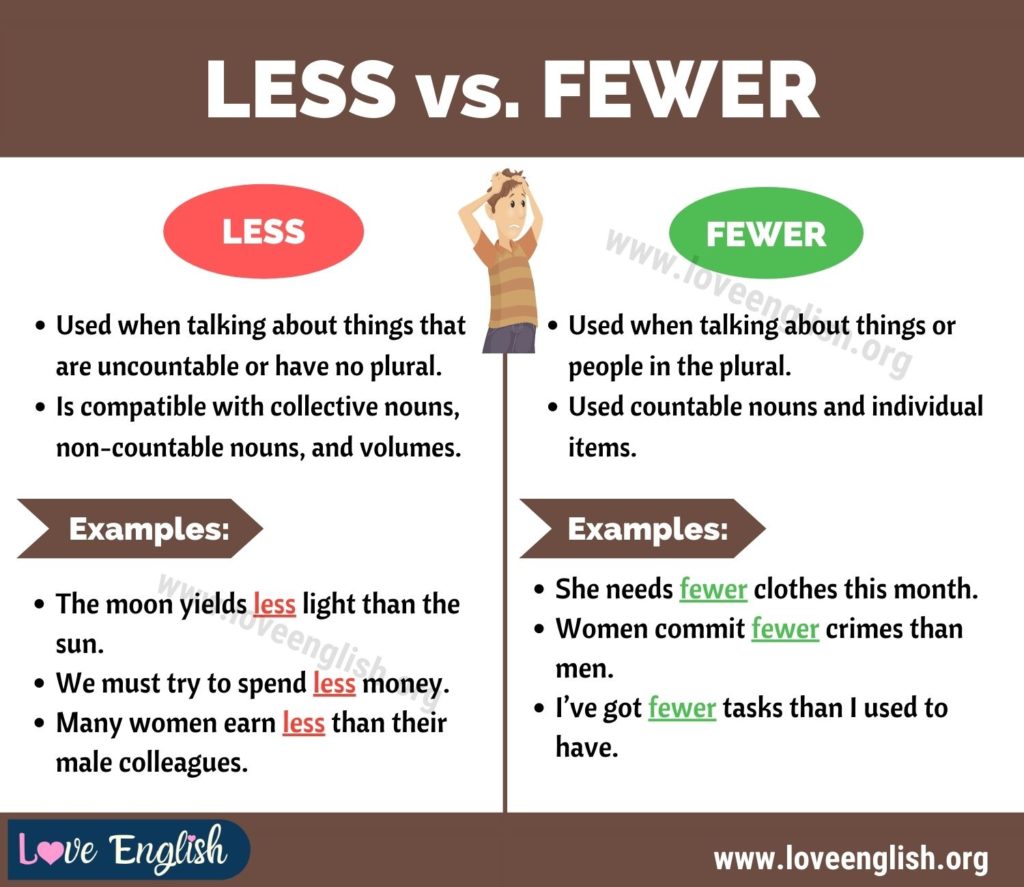
This one is a little complicated, we admit. Many native speakers can hear the difference, where using one of these in the wrong context just sounds strange, but it’s not possible for everyone. They mean the same thing, but “fewer” is only used with things that can be counted, and “less” is used when things can’t be counted or can’t be made into a plural form.
Misplacing Modifiers
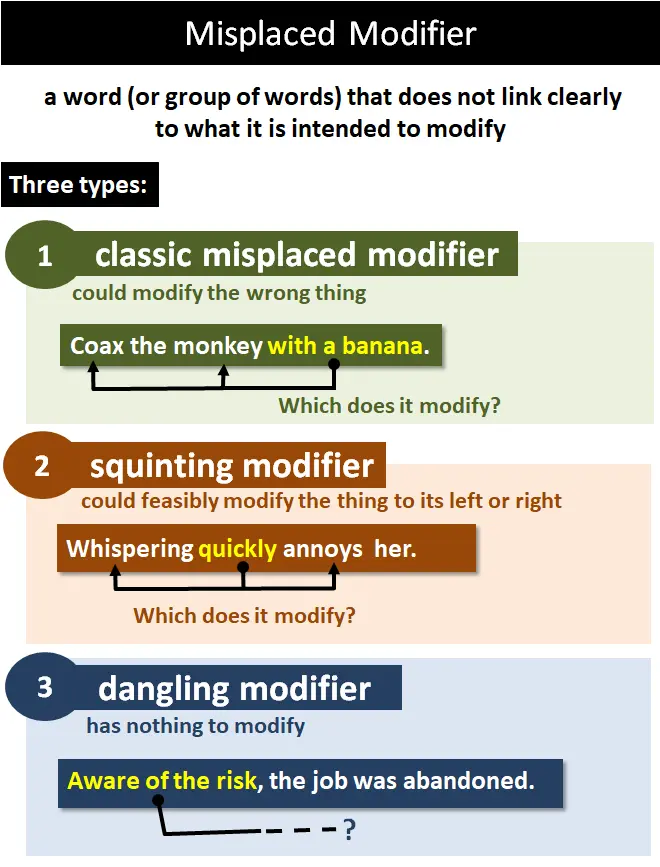
This is especially difficult in written English, where we can’t hear the tone or ask for immediate clarification. It leads to confusion since we don’t know what is being modified. For instance, in the first example above, is the person saying to use the banana to coax the monkey, or to coax the monkey that’s holding the banana? For the former, an easy rewrite would be “Use the banana to coax the monkey” which would clear up any confusion while still being succinct.
Incorrect Use of Commas
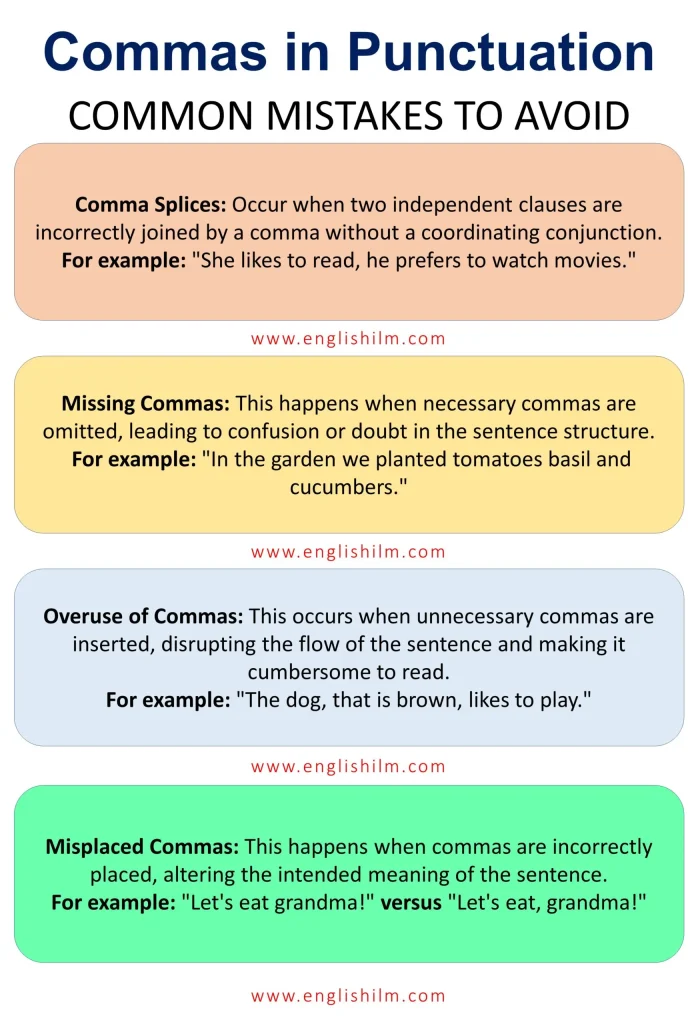
There are so many rules for commas, and it depends on what style guide you use. The Oxford comma, also called the serial comma, is usually standard for American English, and there are other standard rules like about comma splices or misplacing them, included in the above example. Most people will just use the general rules, but anyone who writes for a job will have to follow a style guide and learn those specific rules.
Misplacing Apostrophes
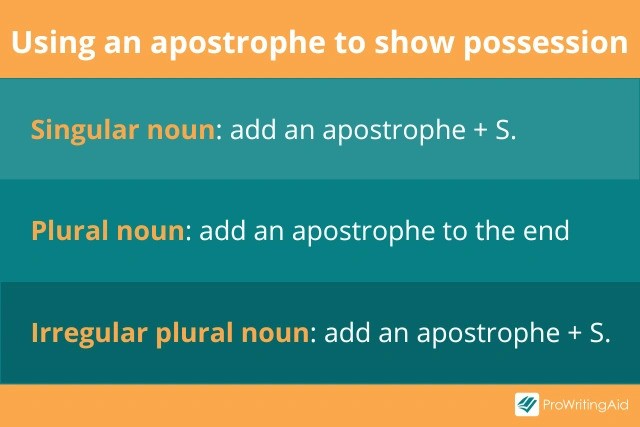
Apostrophes are used for two main reasons: to show possession of something or to form a contraction like “can’t.” How the word looks depends on what the word is and whether it’s a possession or a contraction. What it seems a lot of people struggle with is including an apostrophe when something is plural, but not indicating possession. For example: “The apples’ look good today.” Unless it’s showing possession, or used as a contraction, there isn’t a need for an apostrophe.
Misusing Prepositions
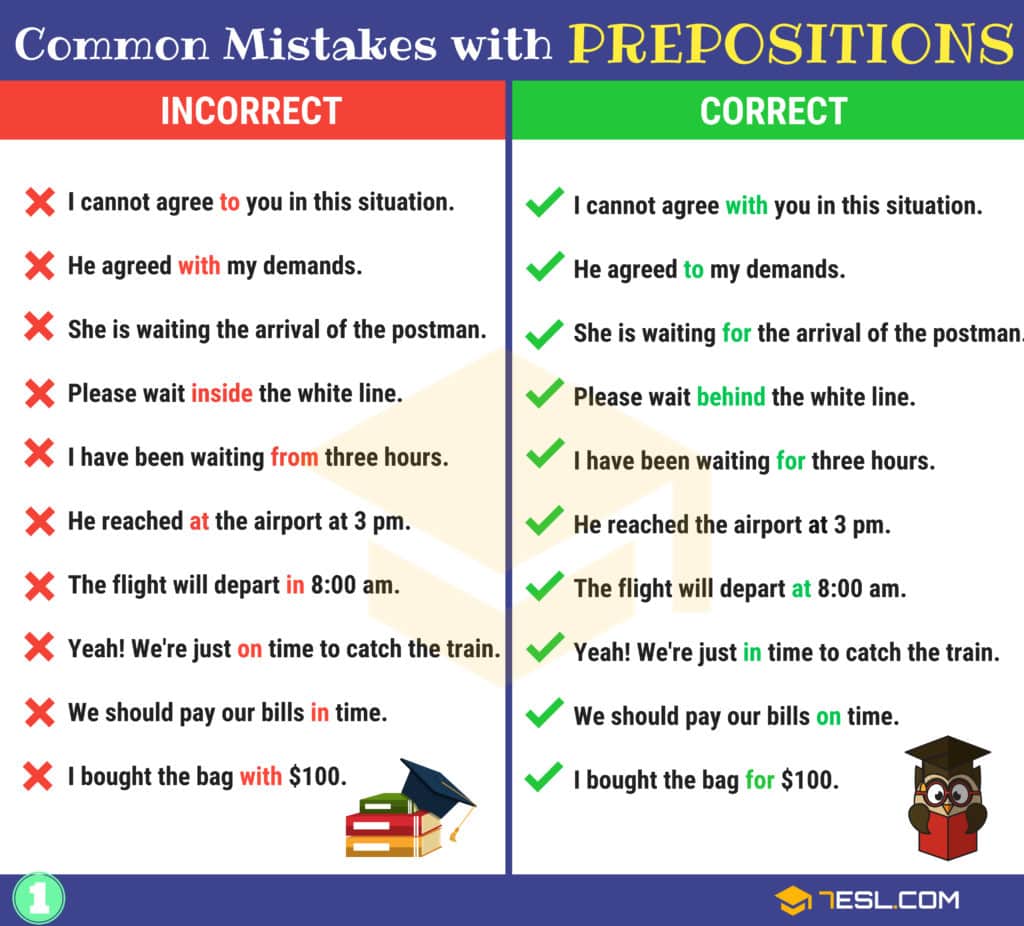
Prepositions are words that indicate time, spatial relationships, location, place, or introduce objects. It’s important to use the correct preposition for a phrase, otherwise it may not make sense. In the example above, “I bought the bag with $100” sounds like someone bought a bag that had $100, rather than using that money to buy the bag. Saying the phrase out loud can help, or running a quick grammar check is another easy way to find the right prepositions if you’re unsure.
Misusing Double Comparatives or Double Superlatives
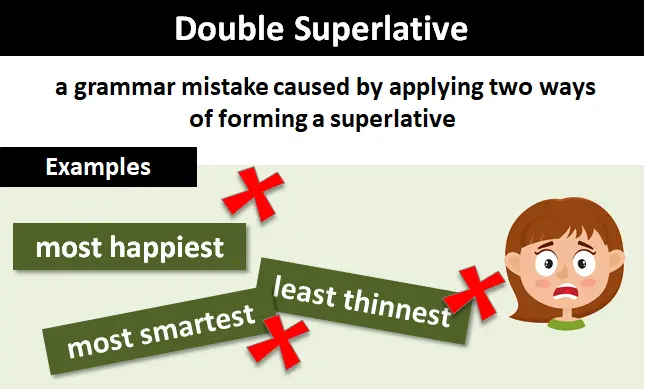
Double superlatives/comparatives are sentences that compare two things, and they usually have words that end in -est or -er. For example: “This wine is tastier than the other one.” Misusing that superlative would look something like this: “This wine is more tastier than the one before.” The word “tastier” means “more tasty,” so adding “more” before it is redundant and confusing. If you’re already using the word like “tastier” or “smartest,” don’t add words like “more” or “less.”
Subject/Verb Agreement
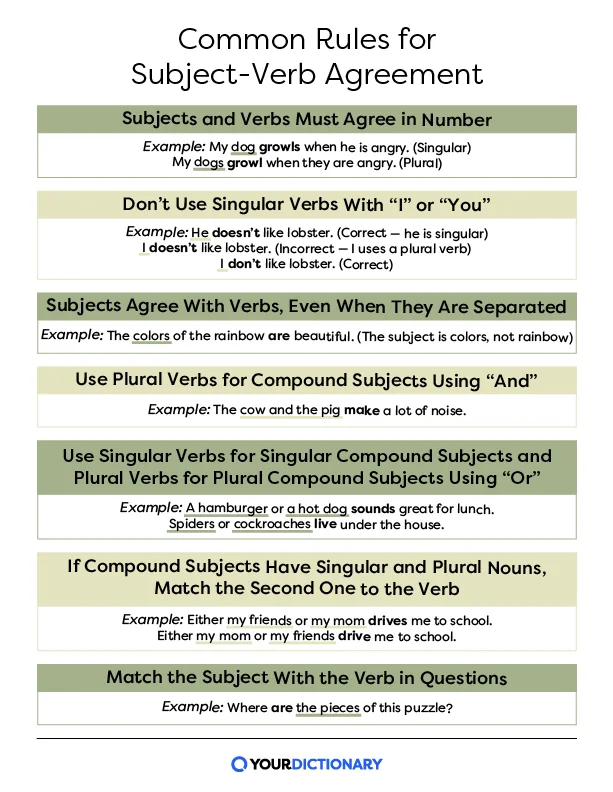
There are several rules about this, but basically, verbs have to agree with subjects in both number and point of view, i.e. first, second, and third person. If they disagree in number or view, it doesn’t make sense. “They swim every day” is correct, but “they swims every day” isn’t, since the point of view doesn’t match.
Misusing Articles
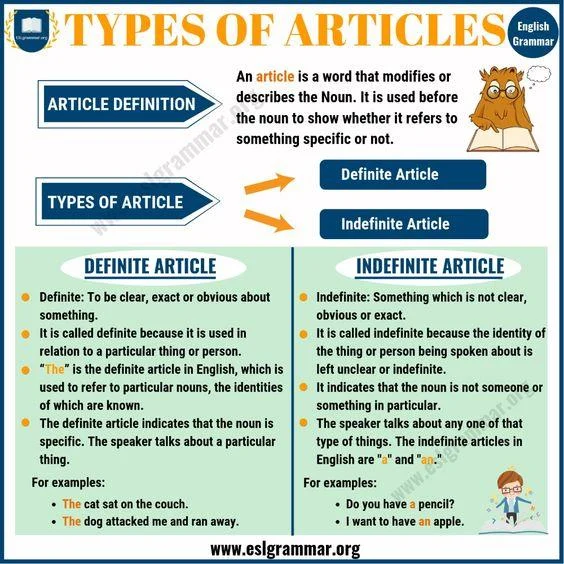
The two types of articles are definite, where there is a specific number or amount, and indefinite, which isn’t clear or specific. When talking about something specific, like a certain shop, the definite article “the” is used, and if it’s something broad, use indefinite articles “a” or “an” instead.
Nobody has perfect grammar all the time, but maybe if we keep trying, one day we’ll understand even the most meticulous grammatical rules.
Click here for an article on some of the most overused words.
Check out our Writer Inspiration shelf on Bookstr’s Bookshop page.