


Children often find themselves in front of one screen or another for a certain amount of time. Other times, children are seen with a book in hand, captivated by its contents. It is no mystery that children love entertainment in some form or another. Why not include a selection or two that highlights the beautiful differences between people?
We’ve pieced together a few options to expose your child to the beauty of differences and the many ways they can be expressed. Take a moment to browse these options and dig deeper into titles that have disability representation, that you may not have realized before.
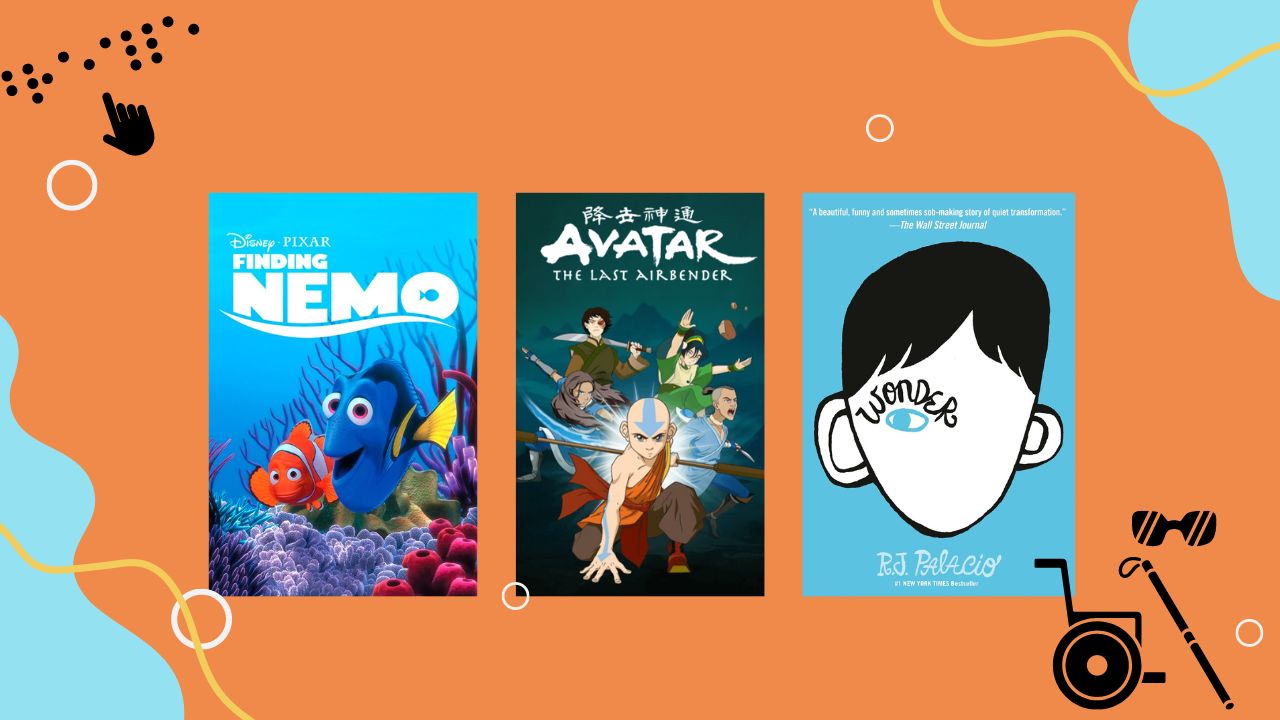
The Diverse Ocean of Disney’s Finding Nemo
The colorful ocean in Finding Nemo depicts more than the differing species. This delightful film shines a light on more than one type of disability. The movie’s protagonist has a physical disability — a stunted fin that affects his mobility and everyday life. While we follow the tale of Nemo, we also experience the difficulties of other side characters, such as Dory and Nemo’s dad.
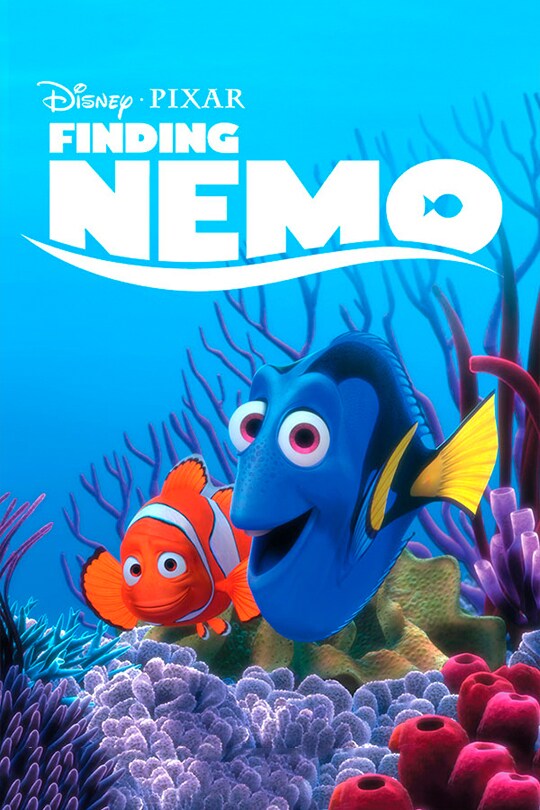
Nemo’s beloved and ditzy, Dory, has a very apparent disability: memory loss. Throughout the movie, Dory is often confused as she can’t seem to remember anything for the past ten seconds. Though Dory struggles with her memory, the blue-tang fish is as cheerful as ever, and her friends remain loyal and helpful by her side.
Lastly, Nemo’s dad, Marlin, struggles with PTSD and anxiety disorder. We see how worried Marlin is for Nemo’s future endeavors. The audience can see that even though Marlin faces his challenges, he remains a functional character and puts his best efforts forward in all he does. His disabilities do not debilitate Marlin, and all characters in the film are perceived as normal.
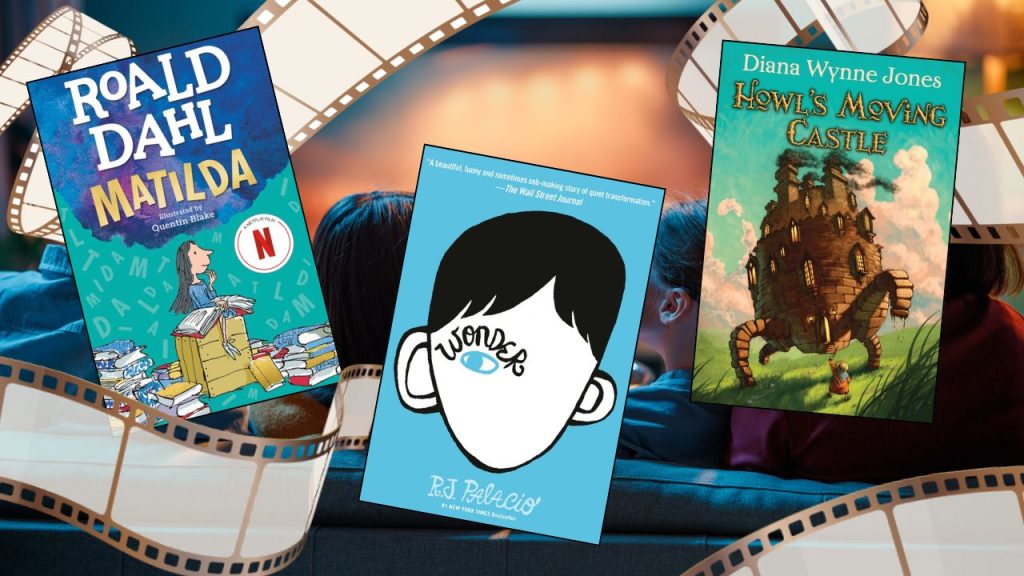
Wonder by R.J. Palacio
The story follows young August Pullman, who was born with facial indifference. This indifference has kept Auggie from attending mainstream schools due to the fear of being treated as anything but ordinary. The story shows the difficulties that one faces due to being different. The book shares additional characters’ perspectives of Auggie and exposes the community’s struggles with acceptance and empathy.
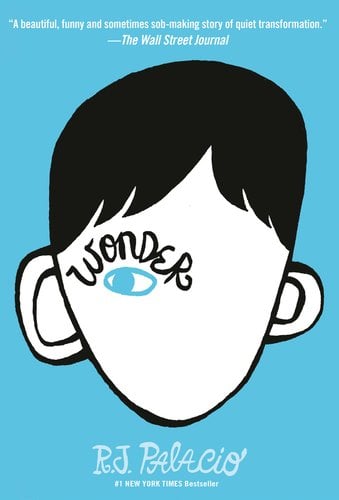
While Wonder is an eye-opening story about a young boy and his journey to fitting in, Lionsgate did an incredible job adapting it into a film. Whether in written or visual form, this is surely a story that your little ones will benefit from.
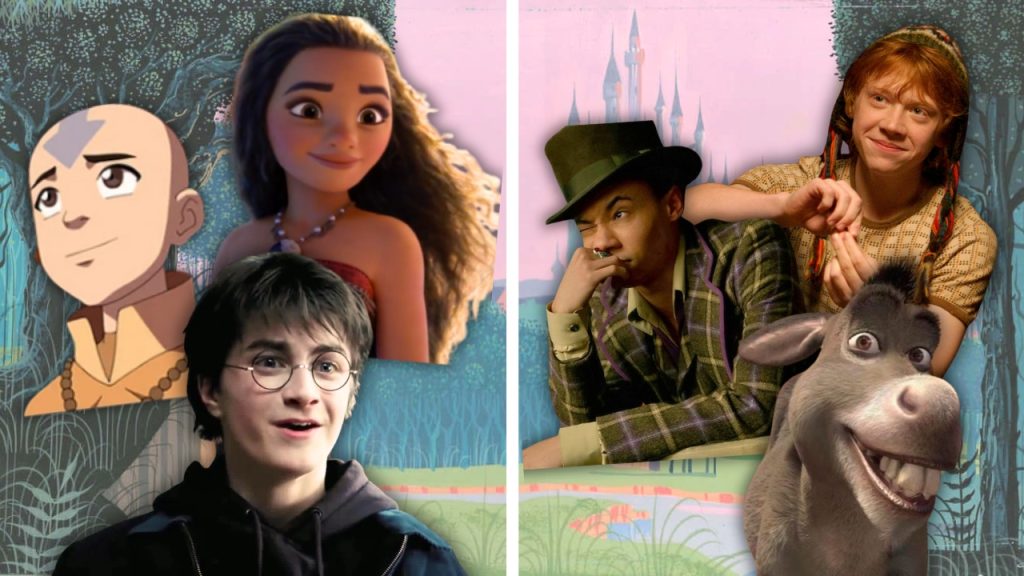
Avatar the Last Air Bender by Nickelodeon
Avatar, a cartoon-turned-comic and live-action TV series, embraces disabilities through various characters. In Avatar the Last Air Bender, there is a character named Toph Beifong who has been blind since birth. Despite this disability, Toph was a key character in defeating the imperialism of the Fire Nation.
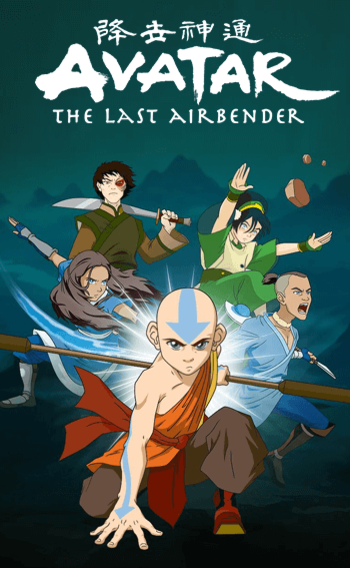
The series also represents disabilities that occur after birth. It features Teo and Combustion Man, two injured characters who become disabled. After a Fire Nation raid, Teo becomes injured and needs a wheelchair. Teo’s wheelchair is pretty rad, allowing him to fly!
If you have not caught on, the Fire Nation was anything but good. However, we learn the story of Combustion Man, who knew of his powers at a rather young age. Unable to control his powers, Combustion Man had an incident where he lost his right arm and leg to his inabilities. This character remains a key representation of disabilities in children’s TV as Combustion Man remains powerful and completely able while living with two prosthetic limbs.
When Things Get Too Loud: A Story About Sensory Overload by Anne Alcott
The enlightening story of Bo, the main character in When Things Get Too Loud: A Story About Sensory Overload, depicts the struggles of living with sensory overload. The world can be a scary place, especially with the many sounds, colors, and smells. Often, individuals can become overloaded in situations and immediately want to hide and or shut down.
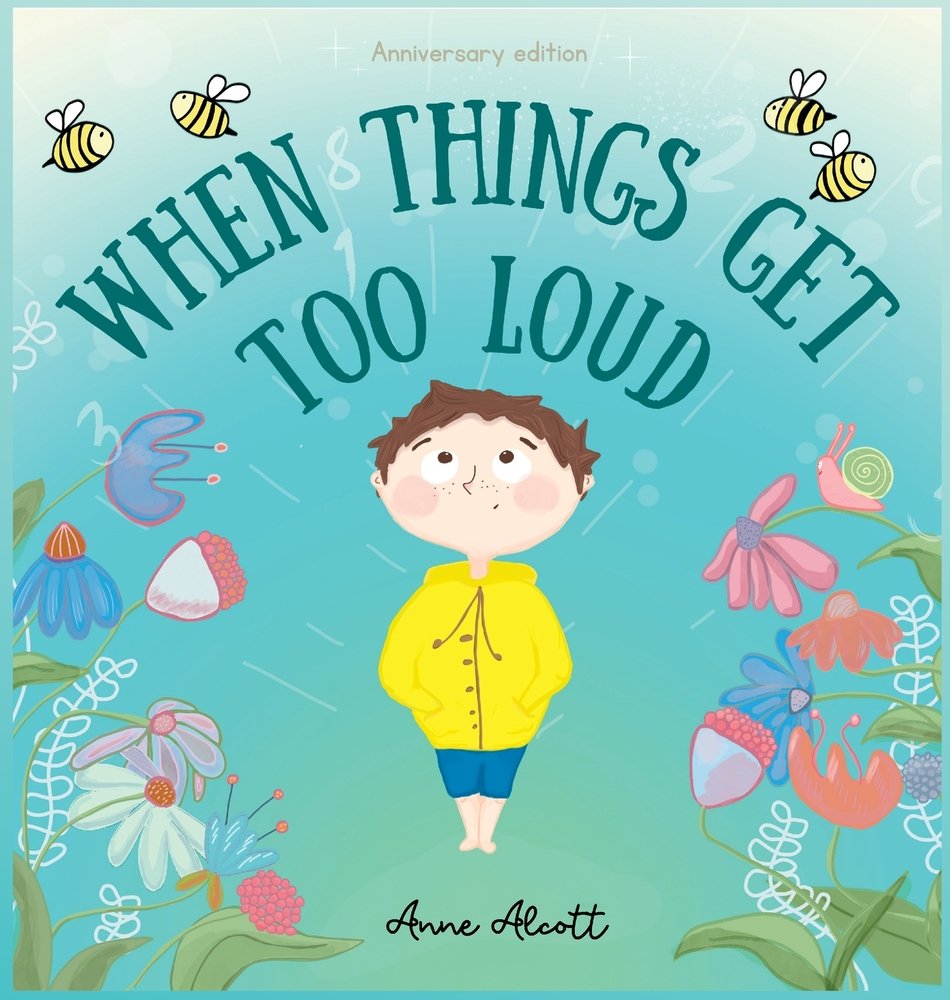
The story of Bo teaches its audience how to recognize triggers and handle the emotions that accompany them. The story uses a visual aid, The Feel-O-Meter, to instruct others on how to recognize these powerful emotions and cope with them. The story of Bo is important as sensory overload is a very serious nonvisual disability. Through Bo’s story, children and their families have an opportunity to learn about nonvisual disabilities and how to support those living with them.
There you have it — a handful of picks to gain more knowledge on those living with disabilities. Disability representation can be found across many platforms and can be a regular conversation to have with your little ones. Taking the time to learn about disabilities is a great way to open your heart and become increasingly aware and empathic towards those with visual and nonvisual disabilities.
Want to learn more about the world of disabilities? Click here.
Find these books and more on our Psyched with Sandi: Children’s Books that Promote Mental Health shelf on Bookshop.org.