
















Content Warning: The following article contains references to human remains, disturbing historical medical practices, and books bound in real human skin. Proceed with curiosity and care — you’ve been warned.
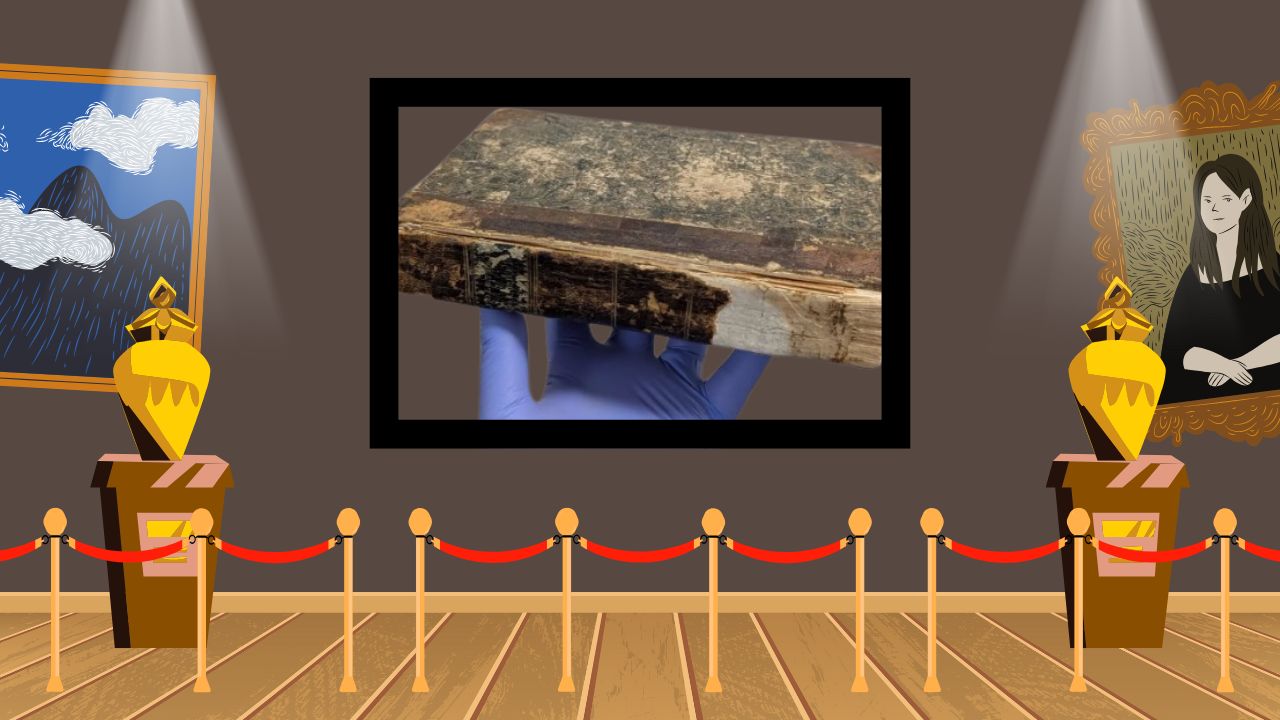
Books are often judged by their covers, and at first glance, this one looks like any other 19th-century book — aged pages, ornate typography… a well-worn leather cover. It’s not every day a museum uncovers literary work bound in human skin, but now it’s happened. Again. Nestled on a shelf with the other antique inventory, it didn’t raise any eyebrows for a long time until it was recently rediscovered by the Moyse’s Hall Museum‘s heritage officer, Dan Clarke. Poor Dan found out that the strangest fiction is flesh fiction.
This is one of those times where the book cover comes with a horrifying backstory of its own: the skin belonged to a famously executed murder suspect from the 1800s, and this isn’t the only book made out of him! Keep reading to get the full story — if you’ve got the thick skin and spine for it.
Anthropodermic Bibliopegy: A Novel Use of Human Resources
Books bound using human skin — there’s actually a real term for that: Anthropodermic Bibliopegy. While it sounds like something cooked up by a macabre-minded author, morbid examples of this have turned up in libraries, museum archives, and medical collections around the world. This practice peaked during the 18th and 19th centuries, when physicians and collectors occasionally used the skin of executed criminals and unclaimed bodies to make book covers for (usually) medical texts or trial records. ‘Cuz, hey, if you’re going to read about the killer, why not hold to him, too?
The Brutal Red Barn Murders of 1827
Dan Clarke and his colleagues at the museum already knew about the existence of one other book bound in the skin of William Corder, the suspect in the brutal Red Barn Murders that made headlines all across Great Britain in 1827. As you can imagine, the discovery of a second book sitting in plain sight dumbfounded and repulsed them. So, who was this infamous killer, and how did he end up this way? The story goes like this:
Corder shoots and kills his lover, a young woman named Maria Marten, in a barn in Polstead, Suffolk. Afterwards, he attempts to cover up his murder by fabricating letters from Maria to make her family believe their daughter was fine, but — believe it or not, this is where things get even weirder — a year later, Maria’s stepmother claims to have had a dream about the murder. Whether the stepmother had a reputation for precognitive powers or not is unknown, but either way, the Martens then take a closer look at their family member’s whereabouts.
The investigation (surprise, surprise) leads authorities to Maria’s body, still hidden in the red barn. After further poking around, more authorities catch up with Corder in London; they apprehend him and put him on trial, making front-page headlines worldwide. The court finds him guilty of murder and sentences him to death by hanging. The gruesome tale does not end here because, as is common enough for the time, public officials then dissect Corder’s corpse and craft a book about the trial out of his skin.
Ex Corpus, Ad Libros

Ex corpus, ad libros! That’s literary Latin wordplay that translates to: “From the body, to the books.” And speaking of books, plural — back to 2025, when the museum staff encountered a plot twist — there was a second book made from this convicted man’s skin, originally donated by the family of the weirdo-doctor who skinned Corder’s body in the first place. Clarke was quoted as describing the pair of books as “sickening,” saying he would “like to burn them if given the chance.” Too bad for him because these creepy volumes aren’t going up in smoke. Seen as not just morbid curiosities but as gruesome, truthful footnotes in the long, bloodied margins of history, the museum instead plans to shelve them front and center and give the public a chance to see this chilling chapter in England’s history for themselves: the true-crime edition with original skin-cover art.
And That’s a Wrap (Literally)
Humanity’s obsession with true crime and curious collections has a deep past, and this book is bound to stand out — pun intended. Whether you find it fascinating, horrifying, or both, one thing’s for sure: judging books by their covers is usually frowned upon, but this one dares you to do exactly that. So next time you’re browsing the rare books section somewhere, remember some stories are more flesh than fiction.
Want more weird, historical bookish news? Check out my article on The Oldest Known English Book About Cheese Now Available Online.
Feed your curious, bookish mind by browsing our Bookstr Trivia bookshelf.