














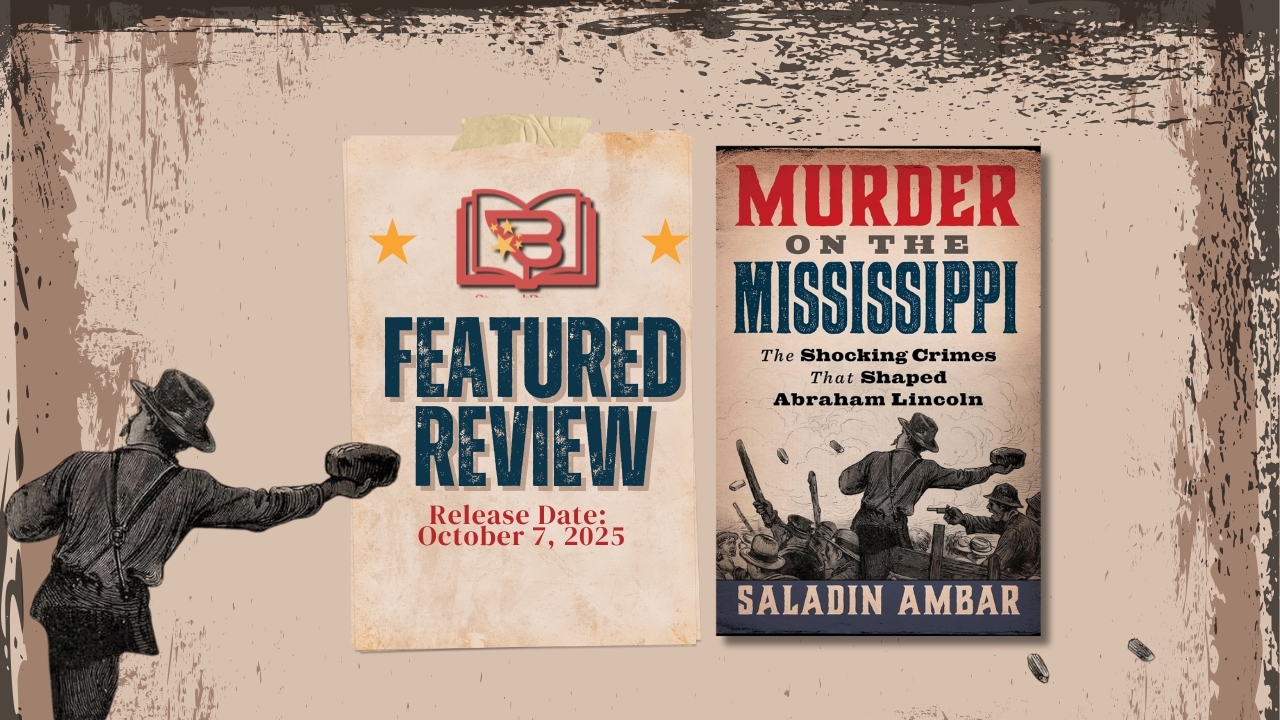
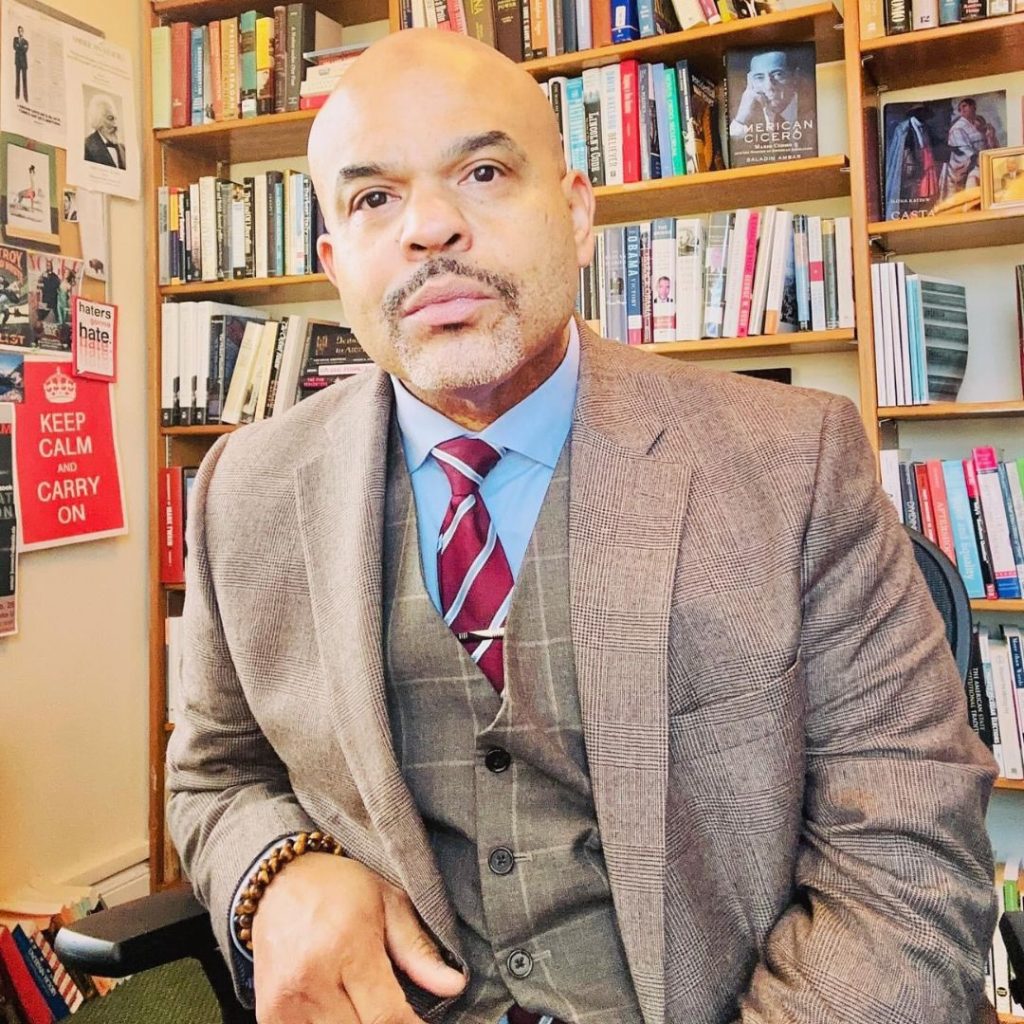
Political science professor, historian, and author Saladin Ambar has spent much of his career writing about racial politics, including subjects such as Malcolm X, Thomas Jefferson, and Barack Obama. Now, he’s turning his attention to a towering figure in American history: Abraham Lincoln. Murder on the Mississippi: The Shocking Crimes That Shaped Abraham Lincoln analyzes one of Lincoln’s most revealing speeches (and the sociopolitical context that inspired it) to illuminate his perspective on racial justice. Here’s everything you need to know before the book hits shelves on October 7!
Trigger Warning: This article contains mentions of lynching, immolation, gun violence, and death. Additionally, Murder on the Mississippi contains graphic accounts of racism, murder, police brutality, and slavery. Please exercise personal care while reading.
Synopsis
In the 1830s, violence brewed along the Mississippi River. Vicksburg, Mississippi, 1835: Five White gamblers accused of supporting a slave insurrection are lynched. St. Louis, Missouri, 1836: Francis McIntosh, a young Black man implicated in the death of a police officer, is burned alive. Alton, Illinois, 1837: White abolitionist Elijah P. Lovejoy is gunned down. The connection between these three killings? Each was a racially motivated act of mob violence, signaling a dire sociopolitical divide spreading rapidly throughout the United States.

In his Lyceum Address, delivered in 1838 in Springfield, Illinois, Abraham Lincoln invoked these three horrific events to condemn mob violence and racial injustice. The speech, while not Lincoln’s most well-known or celebrated oration, best conveys his core values of human freedom, democracy, and the rule of law. In this enlightening book, Ambar traces the roots of Lincoln’s political career, uncovering the events that shaped his worldview, honed his voice, and invigorated him to fight for a nation on the brink of destruction.
A Character-Redefining Biography of an Esteemed Historical Figure
If Americans have too often casually tossed about the term ‘freedom’ to define the essence of their country’s identity, Lincoln reminded them that that freedom must be universal, or nothing at all.
— Saladin Ambar, Murder on the Mississippi
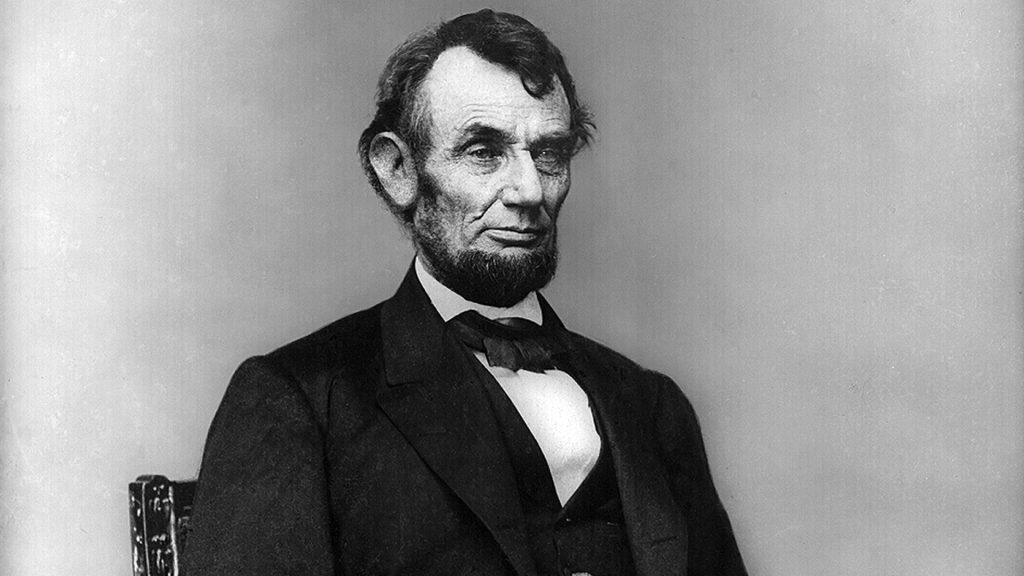
Saladin Ambar’s Murder on the Mississippi sheds new light on a prominent US president, Abraham Lincoln, and his highly debated political beliefs. Framed through an anatomy of Lincoln’s first major speech, his 1838 Lyceum Address, this book details the personal, social, and political catalysts behind Lincoln’s focus on racial justice as the bedrock of democracy. Over the years, historians have interpreted Lincoln’s Lyceum Address in disparate ways to suit their personal narratives. Here, Ambar presents an objective understanding of the speech, bolstered by critical context and rich scholarship.
A Prophetic Perspective on Present-Day Politics
…there has never been a time where the Lyceum Address’s warnings were outdated, or Lincoln’s prescience easily dismissed. Americans live in the young Lincoln’s nightmare, with no end in sight.
— Saladin Ambar, Murder on the Mississippi
Abraham Lincoln wrote and delivered his Lyceum Address during a time of heightened social and political turmoil. It was a response to the string of extrajudicial killings occurring in Mississippi River towns and the frightening trend of violence and division these murders exposed. The national crisis facing the US today is eerily reminiscent of the warning Lincoln issued through this speech. In the face of book bans, police violence, White nationalist rallies, and insurrection, the United States must contend with an unsettling fact: Our democracy is at risk. Equally relevant today as it was two centuries ago, Lincoln’s message reveals how deeply the roots of our political maladies run and how we can begin to weed them out.
An Investigation Into the Corrupting Allure of Power
Washington’s heroism is that of the dutiful republican, the heroism of restraint. Walking away from power is incredibly difficult; walking away from power when experienced at its height, perhaps impossible.
— Saladin Ambar, Murder on the Mississippi
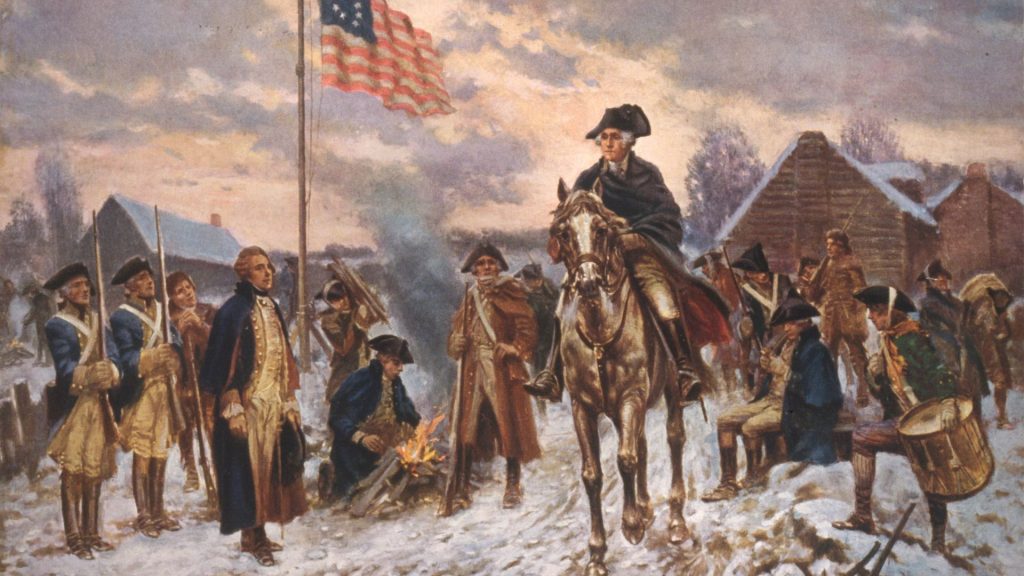
Toward the end of his Lyceum Address, Lincoln conjures the memory of George Washington in a line oft contemplated by historians. In context, Ambar argues, this reference to the first president speaks to a point about democratic virtue — and lack thereof. In addition to mob violence, lawlessness, and racial inequality, Lincoln cites authoritarian power as one of democracy’s greatest threats. In light of the 2021 insurrection at the US Capitol and other recent events, Lincoln’s concern with tyrannical rule proves, once again, the prophetic nature of his political thought.
A Memorial to Those History Has Left Behind
…Lincoln the ‘Emancipator’ is the person who at the very beginning, sought justice for the dregs of American society in the age of Jackson: the gamblers, the Francis McIntoshes, and the Elijah Lovejoys—those whom most of his white contemporaries found sufficient reason to hang, burn, and shoot—or look the other way—with little shame or remorse.
— Saladin Ambar, Murder on the Mississippi
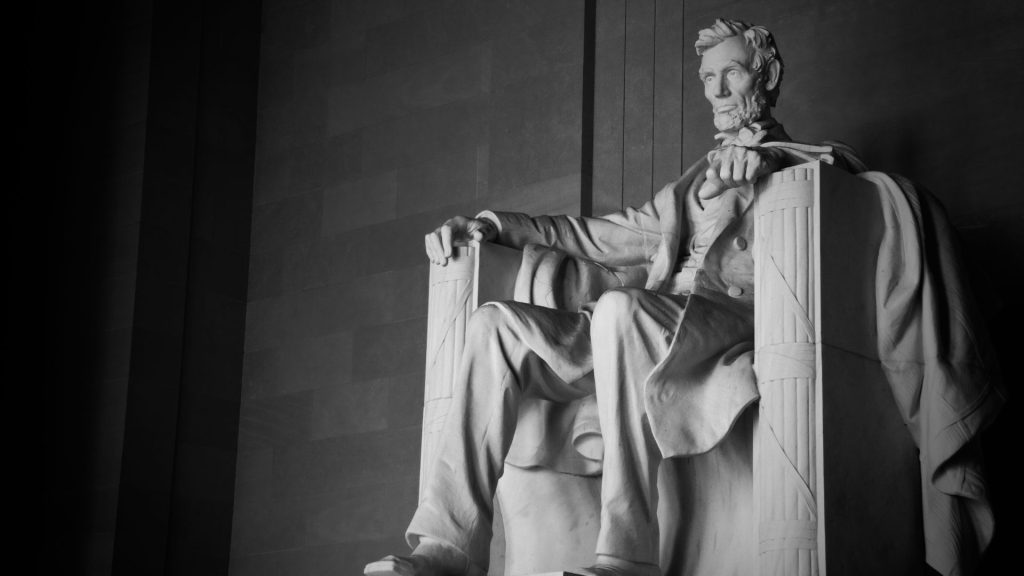
Who does history choose to remember, and who does it opt to forget? Abraham Lincoln’s Lyceum Address was an attempt to memorialize victims of antidemocratic violence like Elijah P. Lovejoy and Francis McIntosh. Following in Lincoln’s footsteps, Ambar does the same in Murder on the Mississippi. While neither the Vicksburg lynching victims nor Francis McIntosh have received public memorials in the towns where their lives were stolen, Ambar honors them here with a monument of words. As he writes in his dedication, “Your stories matter, and your courage in the darkest of hours remains an inspiration.”
Final Thoughts
Murder on the Mississippi by Saladin Ambar chronicles the birth and development of Abraham Lincoln’s political principles, including his staunch belief in democracy, personal freedom, and racial justice. In investigating Lincoln’s worldview and the gruesome instances of mob violence and murder that shaped it, Ambar probes the psychology of an eminent historical figure. Galvanizing and timely, Murder on the Mississippi is a must-read for understanding our contemporary political climate, how we got here, and how we might escape the mistakes of our past and present to build a better future.
You’ll love Murder on the Mississippi if you enjoyed these books:
- And There Was Light: Abraham Lincoln and the American Struggle by Jon Meacham
- Differ We Must: How Lincoln Succeeded in a Divided America by Steve Inskeep
- Killers of the Flower Moon: The Osage Murders and the Birth of the FBI by David Grann
- Son of Birmingham by Randall Woodfin
- The Devil in the White City: Murder, Magic, and Madness at the Fair that Changed America by Erik Larson
If you want to add Murder on the Mississippi to your TBR, you can preorder it on Bookshop, Barnes & Noble, Books-A-Million, and Amazon. Thank you to Diversion Books for providing an ARC in exchange for an honest review.
To read our review of Craig Inciardi’s chronicle of an iconic monument to music history, The Rock & Roll Hall of Fame, click here!
To browse more books like this, check out Bookstr’s Non-Fiction Titles for the Enlightened Mind shelf on Bookshop!