








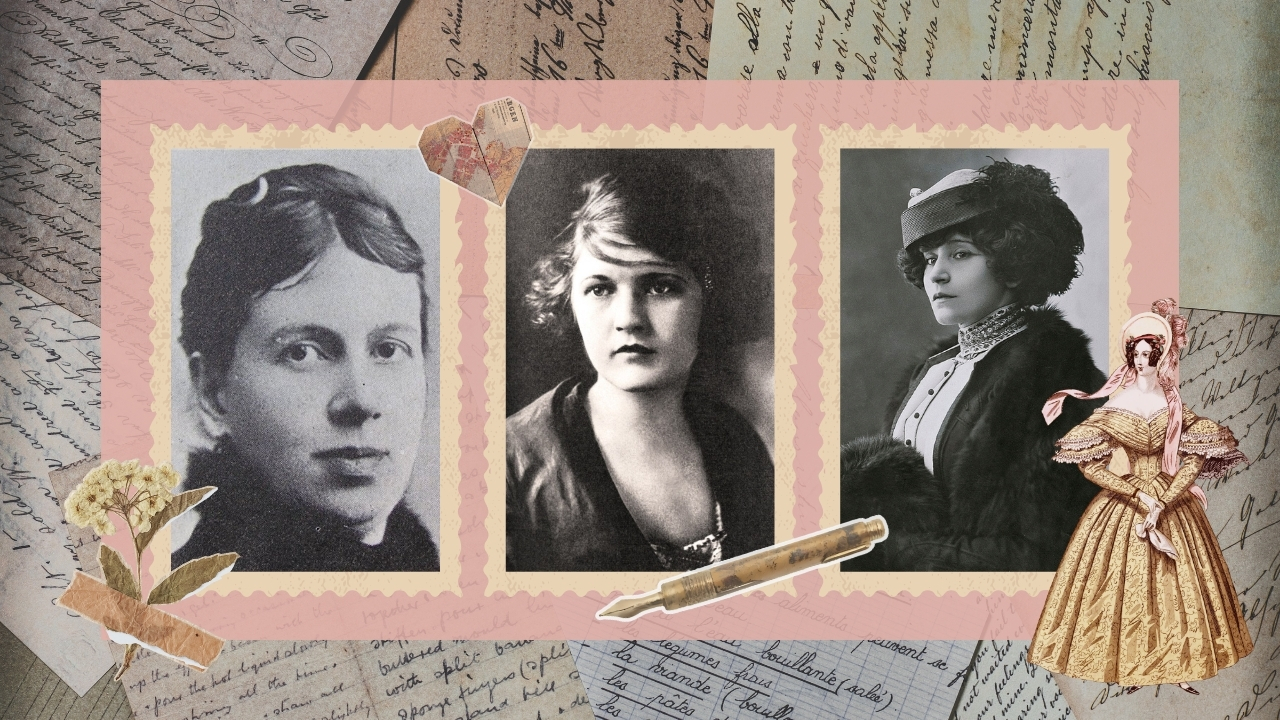
We’ve all heard the phrase “behind every great man is a great woman.” It’s a condescending way to recognize women’s accomplishments, reducing them to shadows of their husbands’ achievements. For centuries, women have been relegated to the sidelines of history, showing up as footnotes in the pantheon of celebrated male figures. In the literary world, this male-centric view of society has, unfortunately, prevented many female writers from receiving the praise and attention they deserve. A number of these women were, in fact, married to the authors we grew up reading and studying in our English classes. But, due to force or circumstance, their own literary careers were forsaken — even stolen — to prop up their husbands.
Every author deserves their turn in the spotlight, regardless of how the past may have treated them. Join us as we uncover the hidden legacy of female authors historically left off the bookshelf.
Trigger Warning: This article contains references to mental health issues, violence/murder, domestic abuse, and suicide. Please exercise personal care while reading.
Zelda Fitzgerald
The embodiment of the 1920s flapper ideal, Zelda Fitzgerald lived a raucous life long before she met her husband, F. Scott Fitzgerald. Champagne splendor, extravagant parties, and artistic pursuits were always at her fingertips, and this tumultuous lifestyle eventually drove a wedge between the couple. Though her husband was the more successful writer of the two, his material was lifted directly from Zelda’s diaries and letters. F. Scott Fitzgerald’s most famous work, The Great Gatsby, contained passages so recognizable to Zelda that she quipped that her husband “seems to believe that plagiarism begins at home.”
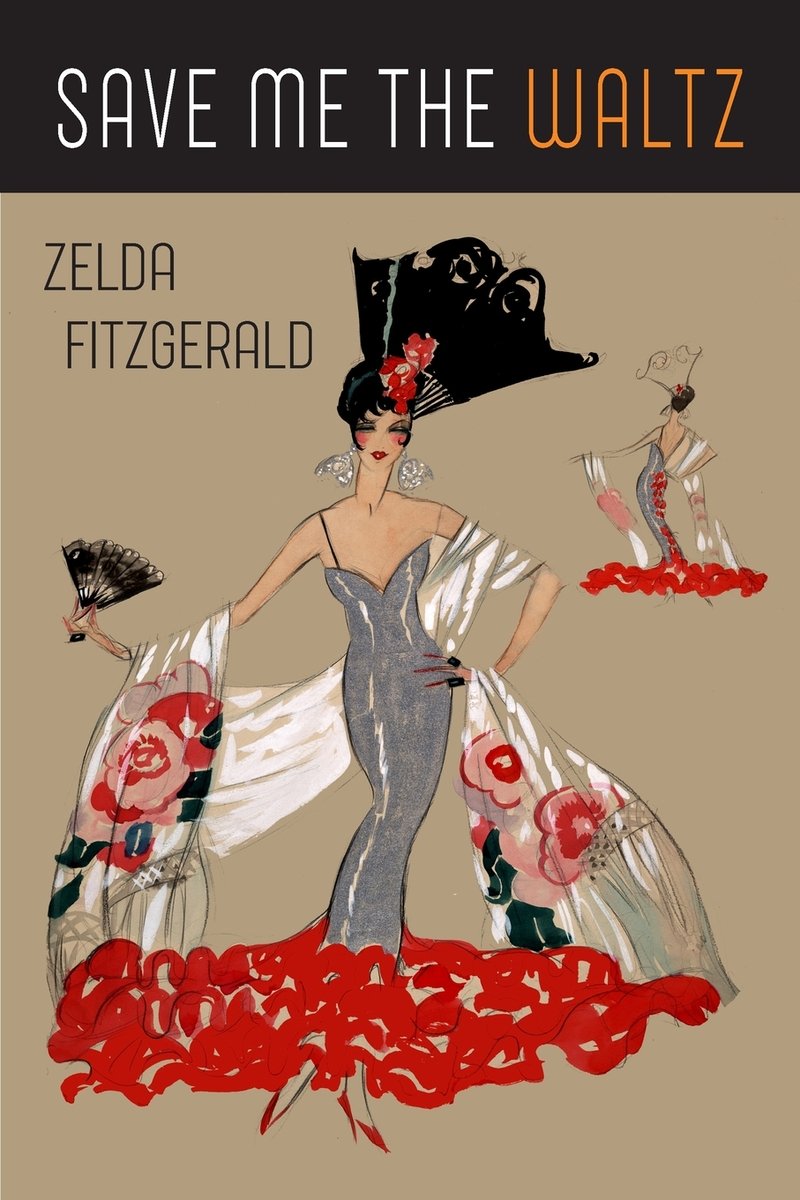
The Fitzgeralds’ volatile marriage and irresponsible finances placed incredible strain on the two, with Zelda in particular suffering from multiple mental breakdowns. During her stay in a psychiatric institution, Zelda penned her only novel, Save Me the Waltz. With a semi-autobiographical lean, the story revolves around a glamorous woman named Alabama Beggs, who dreams of becoming an accomplished ballerina, only to be driven to the brink of madness due to her destructive marriage to artist David Knight. F. Scott Fitzgerald was angered by Zelda’s book, given that he had planned to use the same writing material for his later piece, Tender Is the Night. Save Me the Waltz was not successful upon its release, yet if Zelda had been afforded a more supportive creative environment, her talent may have blossomed into something truly extraordinary.
Sophia Andreyevna Tolstaya
Countess Sophia Tolstaya was married to the Russian novelist Leo Tolstoy, and, like many authors’ wives of the era, acted as his personal secretary for all of his publishing matters. Her most recognized contribution was War and Peace, which she helped edit for Tolstoy at night with the assistance of candelight and a magnifying glass, even copying the manuscript by hand seven times. Sophia was a muse for Tolstoy’s writing, with elements of her personality reflected in his female characters. In the early days of their marriage, these portrayals were flattering, but over time, Tolstoy and his friends grew vindictive toward Sophia and did everything in their power to present her as an “evil woman.”

While Sophia’s reputation may have been tarnished at the end of her life, it’s never too late to undo the damage. Aside from her marital responsibilities, Sophia was a dedicated diarist, and her work was compiled into a memoir titled My Life. Another comprehensive view of her experiences can be found in Alexandra Popoff’s book, Sophia Tolstoy: A Biography. Depending on the era of history, Sophia Tolstaya was either depicted as the perfect dutiful wife or as an untrustworthy schemer. In both her own accounts and Popoff’s carefully collected research, we can discover the nuance that, up until recently, Leo Tolstoy’s estate fought to conceal from the world.

Sophia’s writing wasn’t just limited to personal journaling. Leo Tolstoy’s most controversial novella, The Kreutzer Sonata, was published in 1889 and told the story of a man who murders his wife in a jealous rage over her perceived affair. The book is full of visceral hatred toward the female character, never acknowledging the husband’s culpability in the violent crime. Sophia was appalled by the book, claiming:
“I too know in my heart that this story is directed against me, and that it has done me a great wrong, humiliated me in the eyes of the world and destroyed the last vestiges of love between us.”
She wrote two counter-stories to The Kreutzer Sonata, titled Whose Fault? and Song Without Words, which were only recently discovered and translated into English. Now published alongside her husband’s work, Sophia’s novellas reclaim women’s agency, deriding her husband’s cruel characterization and adding critical perspective to discussions of gender and sexuality in the era.
Olivia Langdon Clemens
Known as “Livy” by family and friends, Olivia Langdon Clemens was married to Samuel Clemens, better known by his nom de plume, Mark Twain. In a stark departure from the other marriages on this list, the Clemens’ partnership was that of two equals. Twain was endlessly devoted to Olivia and always trusted her with editing his manuscripts, appreciating every mark and suggestion she provided. Occasionally, he would tease Olivia by intentionally slipping in passages he knew she would dislike.
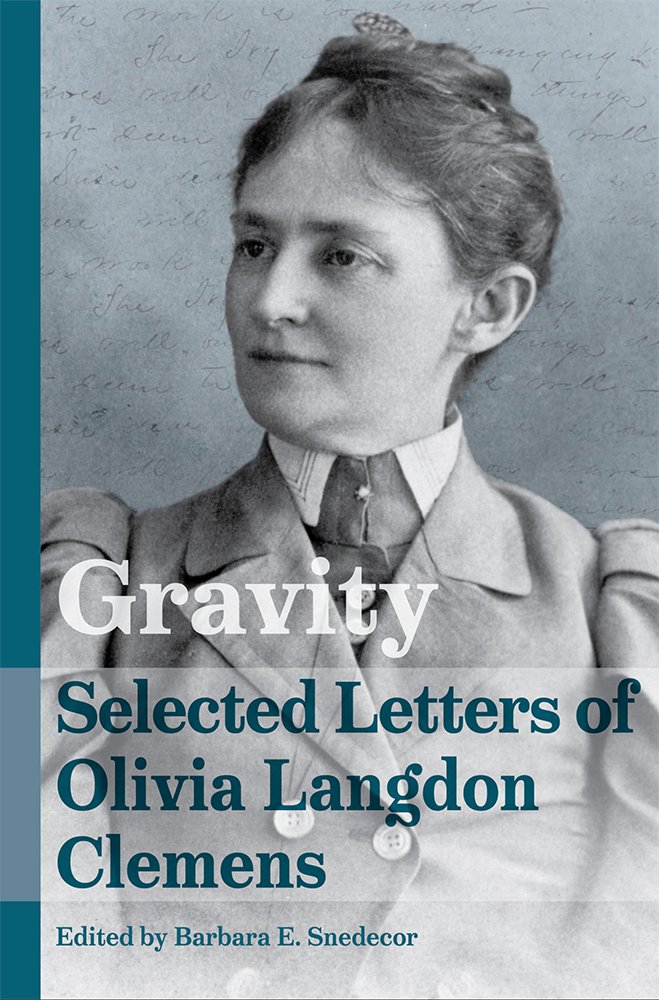
The Clemenses kept up regular correspondence throughout their courtship and marriage, and their chronicled relationship can now be read in Gravity: Selected Letters of Olivia Langdon Clemens. Edited by Barbara E. Snedecor, former Director of the Center for Mark Twain Studies at Elmira College, Gravity gets its name from the unique term of endearment Twain bestowed upon Olivia in their early letters. Aptly titled, this collection presents Olivia as the grounding force in the Clemens family, with a writing talent to rival her husband’s.
Helen Palmer
The Cat in the Hat, the Grinch, the Lorax — none of these beloved children’s characters would exist without Helen Palmer. When Helen met Theodore Geisel (later known as Dr. Seuss) at Oxford University, she was the one who discovered his drawing talent and encouraged him to pursue an artistic career. Helen was instrumental in building the Dr. Seuss empire, co-founding their publishing imprint, Beginner Books, which continues to publish new and classic picture books for young readers.
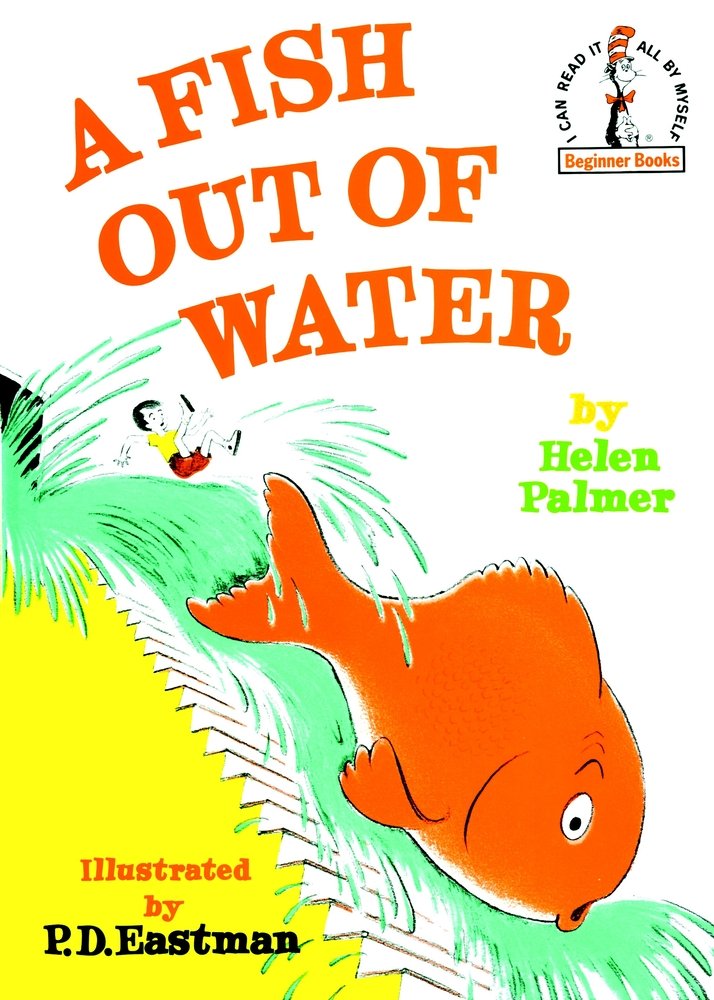
Aside from assisting Geisel’s career, Helen also contributed writing projects of her own to Beginner Books. One such example is her book A Fish Out of Water, illustrated by P. D. Eastman. The story uses a humorous lens to caution children about the enormous responsibility of pet ownership, presenting the reader with the tale of a young boy who overfeeds his goldfish, causing it to rapidly grow beyond the confines of its fish tank.
Unfortunately, like many of the women on this list, Helen Palmer was underappreciated and mistreated by her husband. She struggled with debilitating pain due to Guillain-Barré syndrome, and, rather than caring for his wife, Geisel instead began an affair with their mutual friend, Audrey Dimond. Upon learning of his infidelity, Helen was consumed with grief and eventually took her own life.
Anna Grigoryevna Dostoevskaya
Unlike the other women on this list, Anna Dostoevskaya was her husband’s literary collaborator before she was his wife. Fyodor Dostoevsky suffered from a gambling addiction, and, in 1865, in order to settle his debts, he signed a contract promising a completed novel by November of that year, offering all rights to his creative work as collateral. As the deadline rapidly approached, he hired the young Anna as a stenographer and, over the course of 25 days, dictated and completed his novel The Gambler. During this process, the two grew closer, and Dostoevsky proposed to the woman historians would later refer to as his “savior.”

The early years of their marriage proved tense as Dostoevsky struggled to overcome his gambling addiction. However, his love for Anna always remained true, and he once professed to her, “I cannot live without you, Anna. It was for those like you who Christ came.” Although the feminist Anna had initially intended to pursue an independent career, her partnership with Dostoevsky proved fruitful, and he often spoke of how highly he valued her input for all his creative projects, trusting her opinion above all others. During their marriage, Anna kept a diary, which she later compiled into an intimate biography of their lives titled Dostoevsky: Reminiscences. Following her husband’s death, Anna worked tirelessly to ensure that his memory would be enshrined in the sacred annals of Russian history.
Colette
Sidonie-Gabrielle Colette, known professionally as Colette, was an accomplished French author whose work was celebrated for its rich descriptions and daring exploration of sensuality and feminism. Yet before she made her mark on the literary scene, she was first married to another writer named Henri Gauthier-Villars (known as “Willy”). The older Willy introduced Colette to the writing salons of Paris, where her talent was first awakened. Upon discovering his wife’s gift, Willy locked Colette in a room and forced her to write, then stole her work and published it under his name. These novels, known as the Claudine series, included the titles Claudine at School, Claudine in Paris, Claudine Married (also titled The Indulgent Husband), and Claudine and Annie (also titled The Innocent Wife).
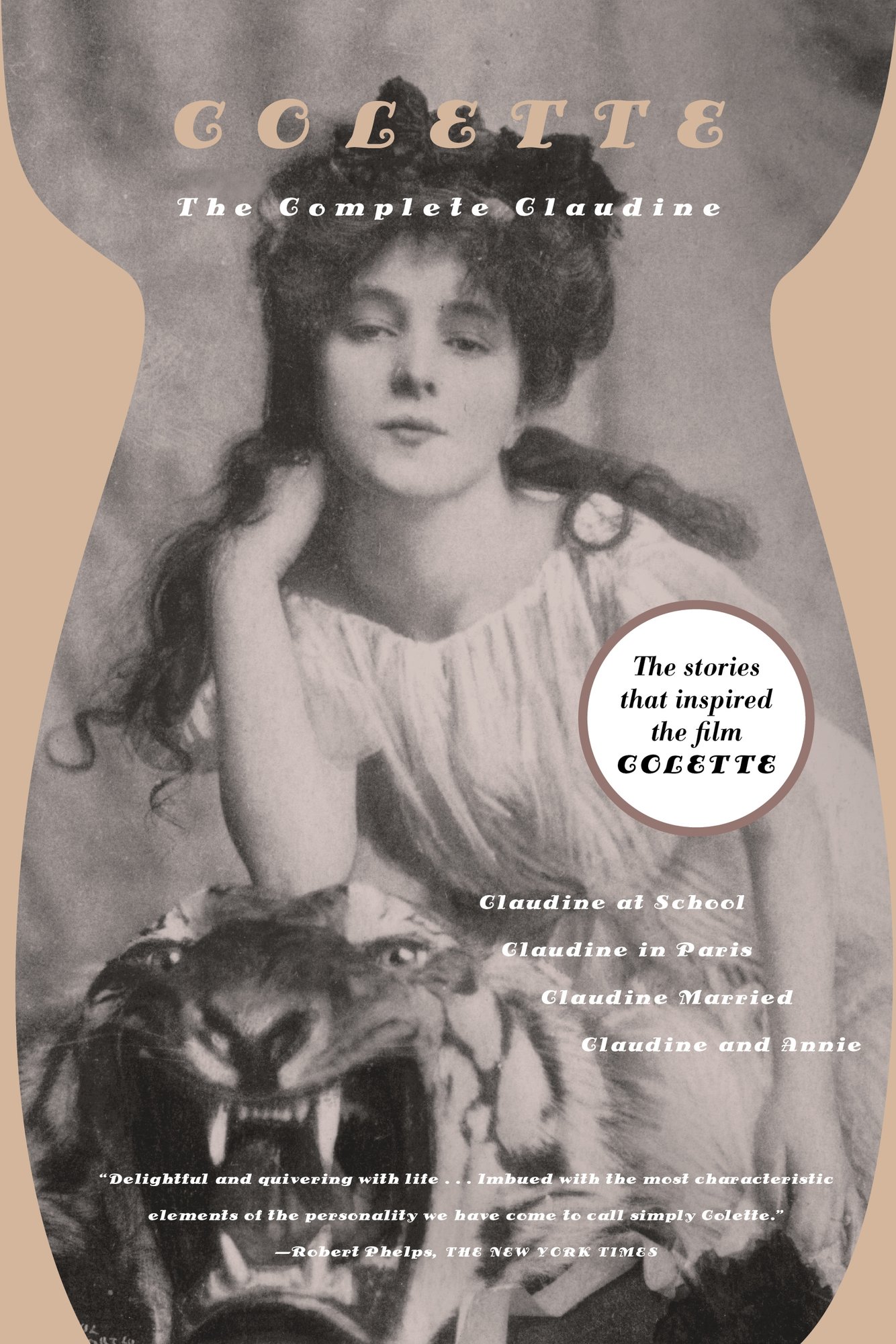
Colette left Willy in 1906 and divorced him four years later. Newly liberated both personally and creatively, Colette published a final novel in the Claudine universe, Retreat From Love, in 1907. From here, she went on to produce many other semi-autobiographical works. One notable example is The Vagabond, which tells the story of a newly divorced woman named Renée, who must decide which future is closest to her heart’s desire: the safety of a new suitor or the satisfaction of an independent career.
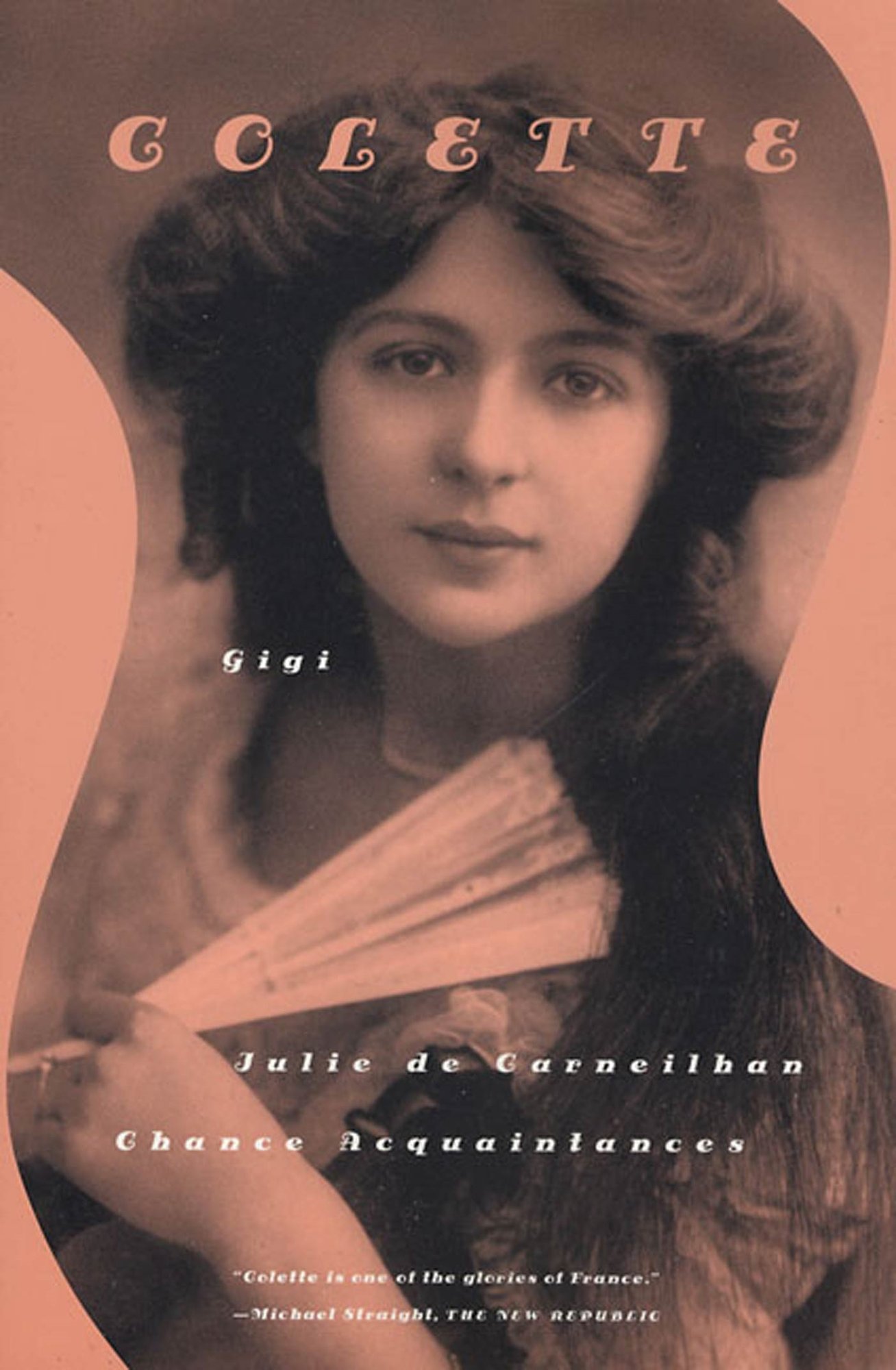
Feminism was a common theme in Colette’s work, and her most famous book, Gigi, is no exception to this. This novella follows a brazen young woman named Gigi who flies in the face of her restricted family and society at large. In a world where material concerns are granted more respect than matters of the heart, Gigi dares to choose her own future. Though Colette’s early writing was nearly thwarted by her controlling husband, she eventually surpassed him in terms of talent and legacy. Her brave decision to branch off on her own and establish her career paved the way for future female authors.
From Anna to Zelda, these women stand as important trailblazers for other female writers. Without their influence, many of their husbands would not be as celebrated as they are now, and these women are long overdue for receiving the same accolades. The next time you find yourself hankering for a classic novel by a famous male author, consider digging further into the book’s history. You never know what hidden truths you might uncover.
Click here for a closer look at the misogynistic history of male artists who stole their inspiration and works from the women in their lives.
Visit our Female Authors bookshelf on Bookshop to celebrate these women and other accomplished writers like them.