

















In a moment when queer stories are being challenged, banned, and silenced, the need for them has never been greater. Literature has always been more than entertainment for LGBTQIA+ readers — it’s been survival, validation, and a roadmap toward joy.
Growing up without visible role models or open conversations about sexuality and gender can feel like moving through the world without a map. You know yourself deeply, but you don’t see that truth reflected anywhere. Isolation, self-censorship, and the pressure to conform make it difficult to imagine a future where queerness is celebrated instead of erased.
Queer literature is a lifeline. It offers solace, joy, and affirmation when the outside world feels suffocating. It gives us language for our identities, a mirror that reflects us back to ourselves, and a window into queer futures we may not have experienced yet. Most importantly, it creates safe spaces — on the page and in the real world — where readers can rest, breathe, and belong.
Trigger Warning: Some of the books mentioned include potentially triggering themes such as bullying, discrimination, and mental health struggles. Please exercise personal care while reading.
Representation as Survival
Stories shape culture, and silence erases it. When entire communities are excluded from the stories we’re given, it suggests those lives are unimportant or invisible. For queer readers, that silence can feel like erasure. For many of us, books are the first place we encounter reflections of our inner lives — the first proof that our desires are valid, our fears are shared, and our futures are possible.
For straight and cis readers, those same books serve as windows, deepening empathy and normalizing queer identities. This dual function makes representation not just powerful but necessary. YA fiction in particular has been transformative: Alice Oseman’s Solitaire and Phil Stamper’s Small Town Pride offer tender, funny, and affirming portraits of teens navigating love, identity, and community with honesty and hope.
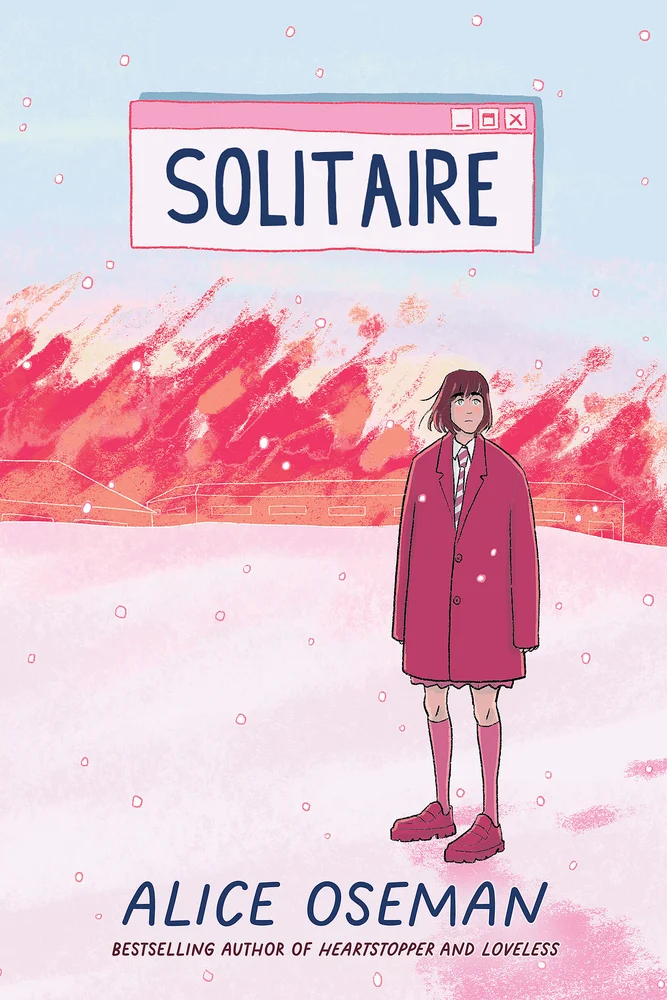
“But books–they’re different. When you watch a film, you’re sort of an outsider looking in. With a book–you’re right there. You are inside. You are the main character.“
— Alice Oseman, Solitaire
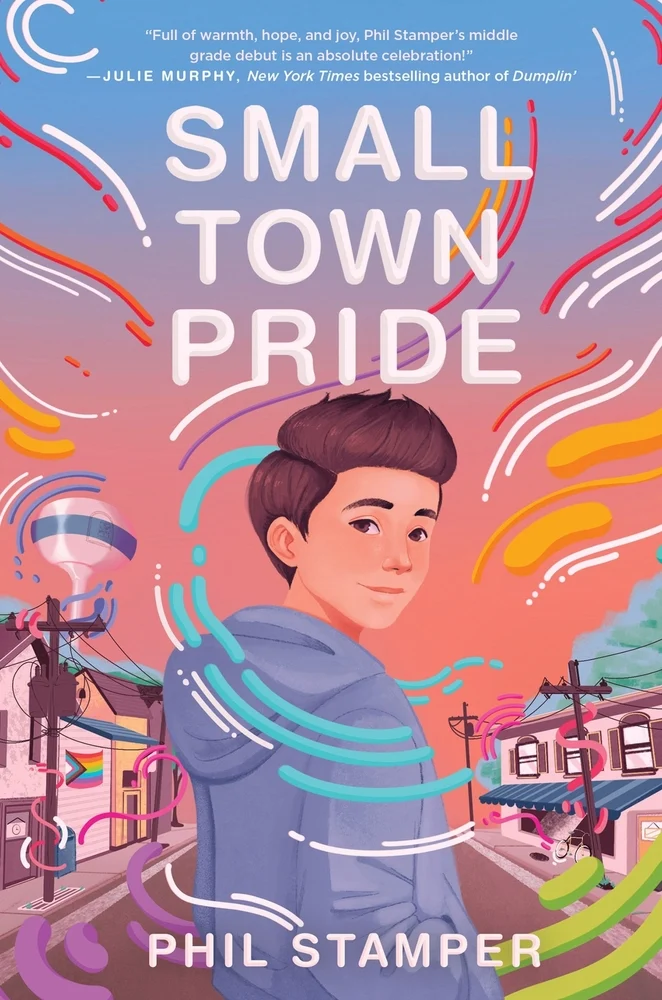
“Not Dad’s flag. Not the flag outside our house.
— Phil Stamper, Small Town Pride
My flag.
I think, maybe, that’s a little bit of what pride is. Taking something like the pride flag and confidently saying: this is a part of who I am. The flag does mean something to me, I realize, and even if I’m still a little scared, I’m a little excited, too.”
Representation can also mean survival. Leslie Feinberg’s landmark Stone Butch Blues gave words to trans and butch identities decades before mainstream conversations caught up. Today, anthologies like Transmogrify!, edited by G. Haron Davis, extend that legacy into fantasy worlds where trans characters wield magic unapologetically. The act of seeing yourself — in history, in possibility, in imagination — can be life-saving.
Note: Leslie Feinberg worked up to a few days before she died in 2014, to ready the 20th anniversary Author’s Edition of Stone Butch Blues, and to make it available to all, for free. You can download a free version of Stone Butch Blues here, or purchase an at-cost copy here.
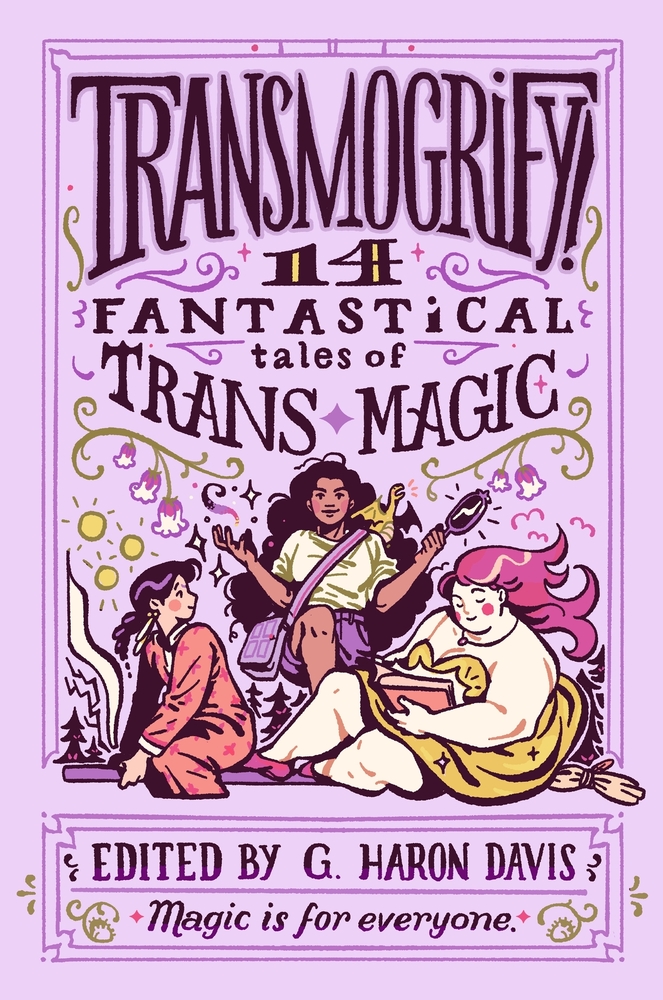
“‘It’s easy to hurt people,’ she said, ‘to frighten them. Much harder to get them to understand.’
— G. Haron Davis, Transmogrify!
‘What if they don’t want to understand?’
There will always be someone standing in your way. You have to live on your own terms, not theirs.'”
Language, Identity, and Self-Discovery
Queer literature often provides us with the words we didn’t know we were searching for. For many readers, the first time they encounter terms like “nonbinary,” “asexual,” or “genderfluid” is not in a classroom but on a page. That sense of recognition is powerful: the sudden realization that you are not alone, that others have walked this path before you.
Sometimes, this recognition comes in surprising ways. Marisa Crane’s A Sharp Endless Need, one of my favorite reads of the year, does not mirror my exact identity, but its raw honesty about love, grief, and queerness gave me language for emotions I hadn’t known how to articulate. That’s the gift of literature: even when the identity isn’t ours, the resonance is undeniable.
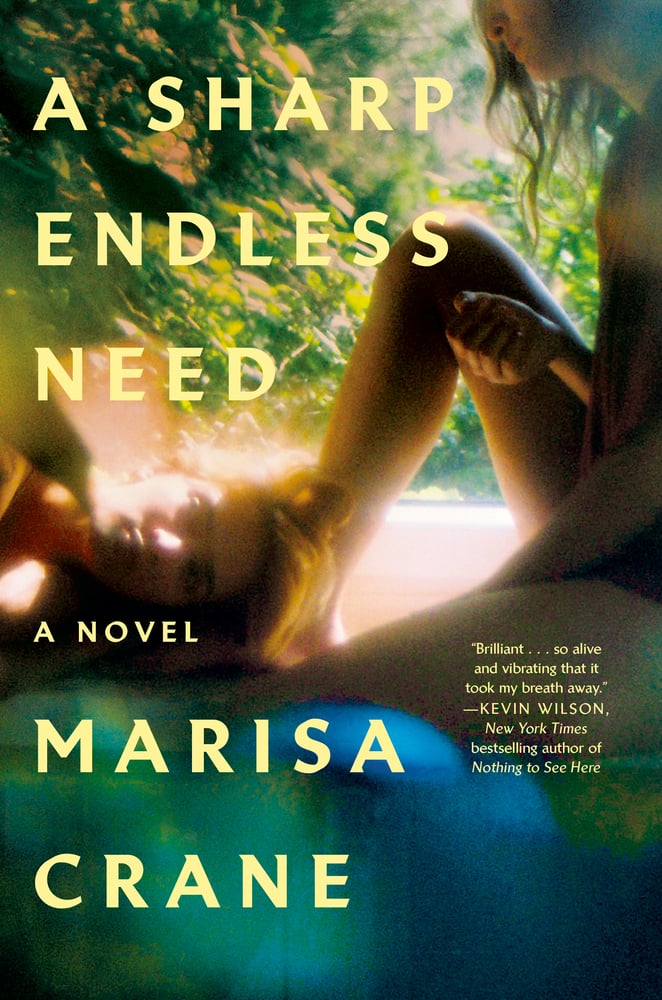
“There was, and still is, a divine pleasure in having someone peel back all the layers and scoop out all the muck in order to get a good look at you. As egotistical as it is, I admit, I wanted to hear about myself, from someone who was always watching, always studying, always storing that information. Tell me more about me, I wanted to say. Go on.”
— Marisa Crane, A Sharp Endless Need
Other works, like Jess Callans’ Ollie in Between or Eloghosa Osunde’s Necessary Fiction, stretch the spectrum of queer storytelling further still, offering layered, complex depictions of identity that defy categorization. Together, these books remind us that queer literature is not a single story — it’s a kaleidoscope.
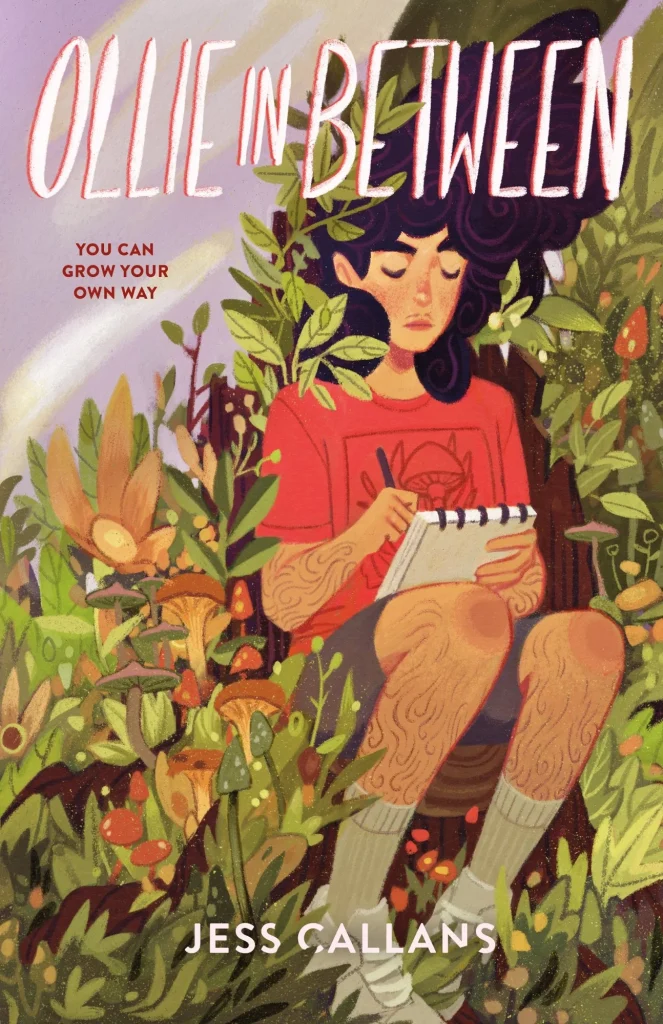
“If you never see yourself in the world, how are you supposed to think you can exist? Maybe most people see themselves everywhere. In every book they’re made to tear apart in English class, in every hit TV series or movie. Lucky them.”
— Jess Callans, Ollie in Between
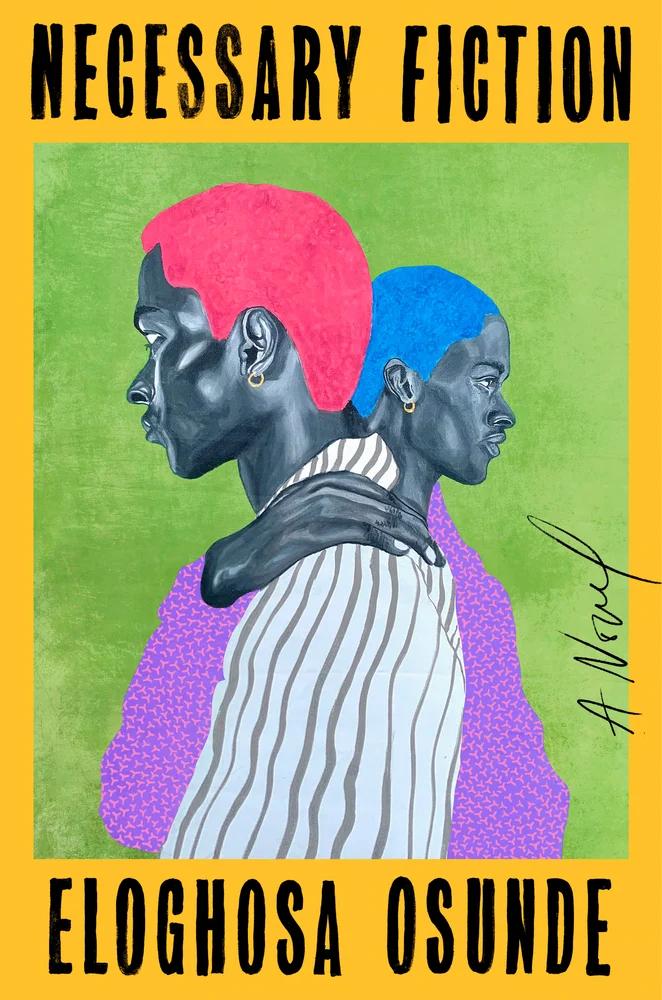
“But you know what I like the most about all of us? Before we met each other, we all had lies we needed to tell ourselves and others if we were going to live well. Maro says there’s already a term for that type of lie: necessary fictions. We made a practice out of looking at each other and saying: This is my own lie; this is my own truth. No, that other part was a mask; this part here is my face. It’s a survival thing. If. you know this country, then you know why not to walk maskless.”
— Eloghosa Osunde, Necessary Fiction
Solace, Joy, and Growth Across Ages
Books don’t just validate identity — they offer comfort in loneliness while modeling futures filled with love, community, and belonging.
This is just as important for children as it is for adults. Picture books are often the very first safe spaces queer kids encounter. Jessica Love’s Julián is a Mermaid celebrates gender expression with tenderness and wonder, while Michael Genhart’s They’re So Flamboyant embraces queerness as something joyful and unapologetic. Ellie Royce’s Auntie Uncle: Drag Queen Hero provides queer role models to look up to, and Noemí Fernández Selva’s All Ways Family reassures kids that their family structures are valid no matter what they look like. Even playful stories like Miles McKenna’s I Am Not a Vampire challenge stereotypes and celebrate individuality.
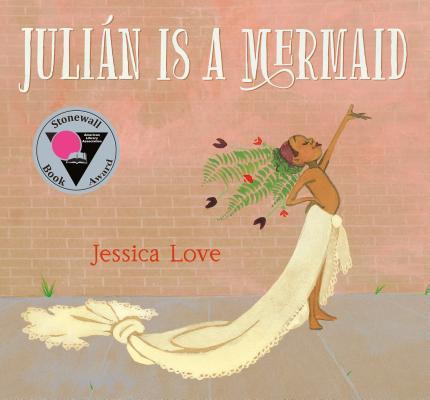
“‘Nana, did you see the mermaids?’
— Jessica Love, Julián is a Mermaid
‘I saw them, honey.’
‘Nana, I am also a mermaid.'”
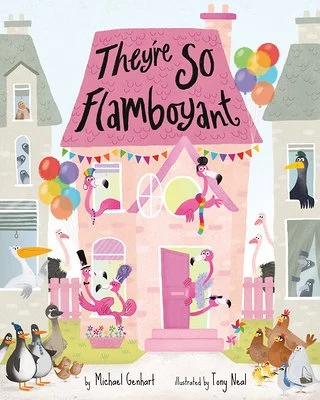
“Flam-boy-ant – (of a person-or bird!-or their behavior) tending to attract attention because of their confidence, exuberance, and stylishness.”
— Michael Genhart, They’re So Flamboyant
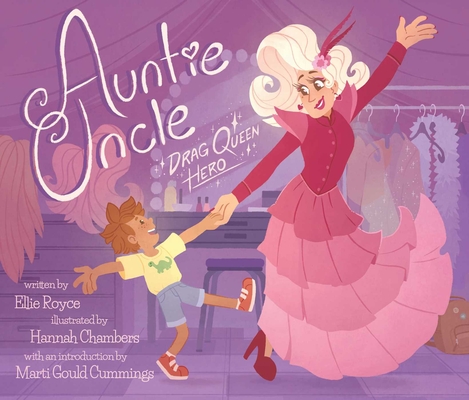
“Sometimes Auntie Lotta is Uncle Leo, and sometimes Uncle Leo is Auntie Lotta. It’s fun to have an auntie and an uncle who are the same person!”
— Ellie Royce, Auntie Uncle: Drag Queen Hero
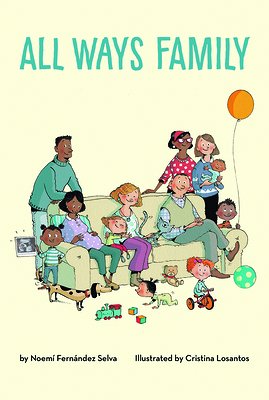
“Families are like people: No two are alike! Some kids live with one parent, some live with two. Some kids know their birth parents, some do not. Discover all the different kinds of families
— Noemí Fernández Selva, All Ways Family
and how they become families.”
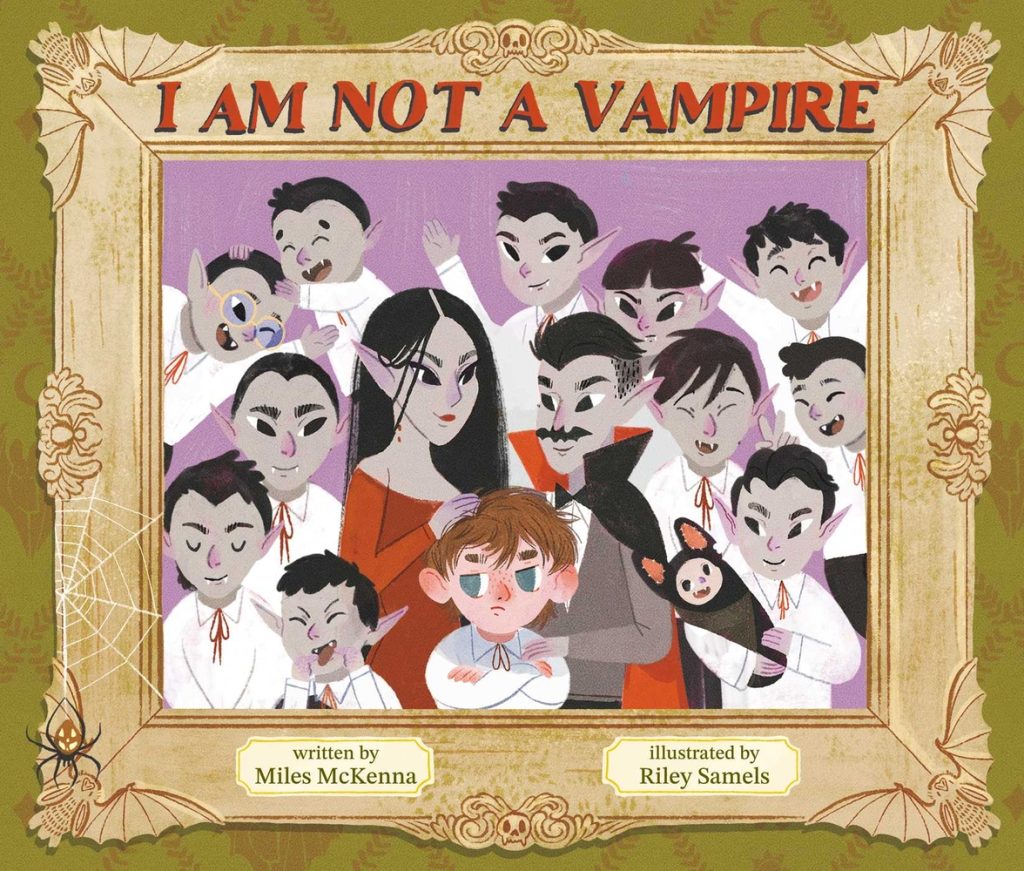
“I’m told that I will be like everyone else, but when?”
Miles McKenna, I Am NOT a Vampire
Books like these give queer children the gift of recognition early in life, and they give non-queer children empathy and understanding. They plant seeds of acceptance before prejudice can take root. Safe spaces in literature don’t begin in adulthood; they begin in bedtime stories, classrooms, and school libraries.
From Page to Community: Literature as Resistance
Safe spaces don’t just exist on the page — they extend outward into real life. Stories bring people together, shaping communities where queer people can thrive.
My local indie bookstore, Under the Umbrella in Salt Lake City, embodies this truth. Every book in its collection is queer in content or authored by queer writers, with a deliberate focus on voices that are too often pushed aside: Black trans women, Indigenous queer writers, disabled queer creators, and incarcerated queer people.
But Under the Umbrella is more than a bookstore — it is a refuge. It hosts drag queen story hours, open mics, letter-writing campaigns for incarcerated queer people, and book clubs. It proves that queer literature doesn’t only create safe spaces within stories; it builds sanctuaries in the real world. And in a time when book bans and censorship threaten queer visibility, spaces like these are not just lifelines — they are acts of resistance.
A Lifeline and a Legacy
Queer literature has come a long way in recent years, with more stories across genres, age groups, and publishing houses than ever before. But the fight for visibility and safety continues. Each new queer book is another lifeline thrown into the world, another chance for someone to feel seen, named, and validated.
Books may not solve every struggle that queer people face, but they offer something just as vital: belonging. They remind us that our identities are real, our futures possible, and our stories worth telling.
At a time when queer books are under threat, choosing to read them — and to share them — is an act of resistance. Each story is a safe space, yes, but also a spark. Together, they light the way toward a future where no queer reader has to wonder if they belong.
Looking for more ways to support and celebrate LGBTQ+ communities? Check out our article on 5 LGBTQ+ Centers and Their Positive Programming to discover inspiring centers making a difference nationwide.
Ready to dive into more queer stories? Explore Hooray for Representation: LGBTQ Voices on Bookshop.org, our curated list of books by and about LGBTQ+ voices across genres and age groups.
