












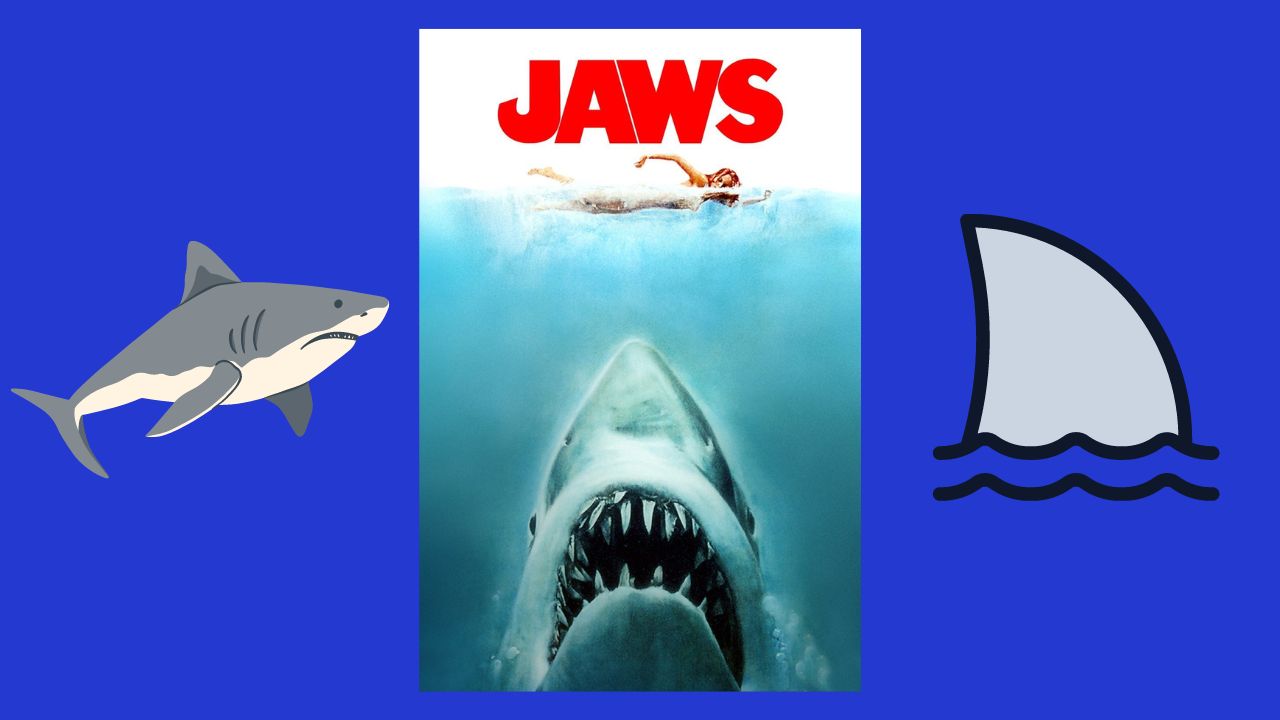
One of the most iconic summer thrillers of all time is the Stephen Speilberg smash hit Jaws. Did you know it was originally a novel? The movie, released in 1975, helped make Steven Spielberg a household name, and thanks to John Williams’ chilling score, people are still afraid of the water to this day. Jaws is one of the rare instances where the movie might be better than the book, and it is undoubtedly more popular. The book was published a year before the movie came out in 1974. The movie is a faithful adaptation, as the events are more or less the same. The changes are mostly minor but still worth mentioning. Let’s take an in-depth look at comparing the two.
The Deaths
With the exception of the marine biologist Hooper, the movie stayed true to the deaths that occurred in the original novel. At the movie’s end, Hooper faces the shark while he’s trapped inside the cage, the shark attempting to eat him alive. Hooper makes it out alive in the movie; however, in the book, he’s not so lucky.
Each of the other deaths happens in the novel, but Hollywood and Speilberg further dramatize the traumatic scenes to gory effect. For instance, Quint’s death is met by an epic slide into the open chasm of the shark’s razor-toothed jaws in one of the most iconic scenes in cinema, but in the book, Quint’s foot is entangled in one of the barrel ropes, and the shark pulls him overboard ultimately dying by drowning. Quint’s death in the book happens to be quite similar to another famous captain from American literature who also devoted his life to hunting large fish (or whales, as the case may be).
Quint’s Backstory
You might recall from the movie Quint’s famous monologue of him retelling the events of the USS Indianapolis and how he was forced to survive at sea while watching his fellow sailors get eaten alive by sharks. It is a harrowing tale based on real events, but in the book, Quint was never in the Navy and has no backstory motivating him to kill the shark. In fact, Quint’s only motivation in the book is simply that he is a hunter and wants notoriety. Book Quint is also a brazen reference to Captain Ahab.
The Characters’ Likability
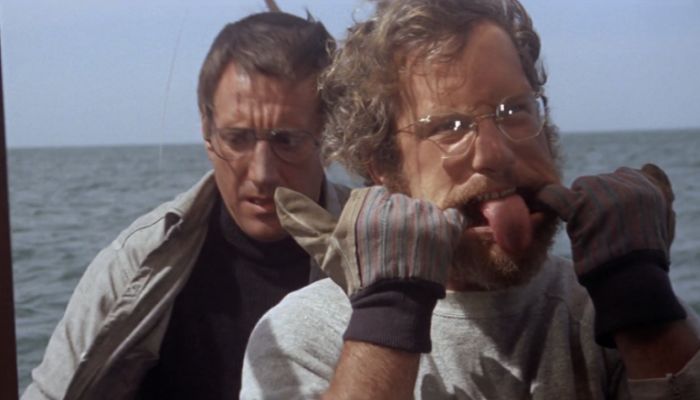
The characters in the movie don’t change, but in the book, they are a lot less likable. In fact, Steven Spielberg said that when he was reading the book, he found himself rooting for the shark. Even the mayor is more shady in the book because his reason for keeping the beaches open is that his hands are tied by the mafia. The book also shows more conflict within Brody and his wife’s marriage, and this culminates in the biggest difference between the book and the movie. The film makes the characters more likable and relatable, making them easier to root for.
The Affair
Ellen Brody has a small role in the movie but is described as a caring and loving mother and wife. In the book, she has grown to resent her marriage and longs for her more lavish past. Ellen and Hooper go out on a date, and it just so happens that Ellen once dated Hooper’s older brother. Eventually, things become more serious, and the two have an affair. The affair never goes anywhere, and the scene feels shoehorned into the story for the sake of having a raunchy sex scene, but who wants to read about a scandalous sex scene when a ferocious shark is terrorizing Amity Island? The movie possibly alludes to this scene by having Ellen be a little flirtatious with Hooper over some wine, but even that is a stretch. Nevertheless, the movie is so much better off excluding this scene entirely.
The Shark’s Fate
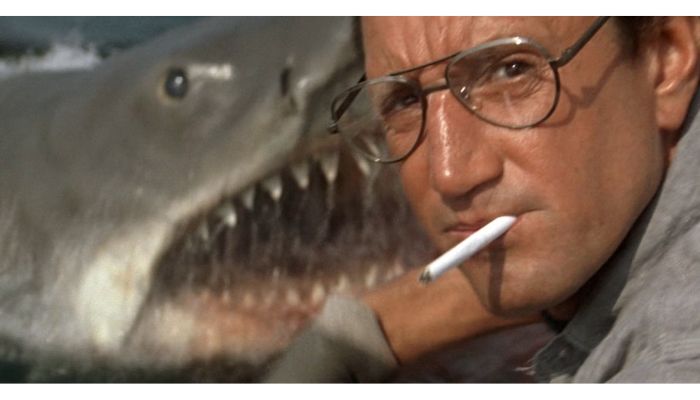
Neither version is left ambiguous in the shark’s fate, as the shark dies in both versions, but it is a lot more anticlimactic in the book. The movie has the shark meeting a spectacular fate. Brody blows up the shark by shooting the air tank, and Brody rests on what is left of Quint’s boat. Thanks to Mythbusters, we know that the air tank would not have blown up, so this is more creative liberty taken by Hollywood. It still does not detract from the scene wrapping up an epic climax to the granddaddy of all summer blockbusters. The book is far more anticlimactic but a lot more realistic. Hooper and Quint are dead, and Brody is left in the ship’s wreckage. The shark is swimming towards Brody, and all Brody can do is hope his death is swift. But before the shark can enjoy its final meal, the shark succumbs to its fatal injuries from Quint’s harpoons, and Brody lives to see another day.
The movie might be approaching 50 years old, but it’s still iconic and leaves people terrified to step toe into the depths of the mighty ocean. Despite the similarities between the original novel and the movie, the silver screen surely ranks higher on the entertainment and scare factors in this round of comparisons.
How do the two measure up for you? Be sure to let us know on our socials.
Want to read more Shark Horror? Click here.
Find more horror books to browse for your TBR today by visiting our Bookshop.