





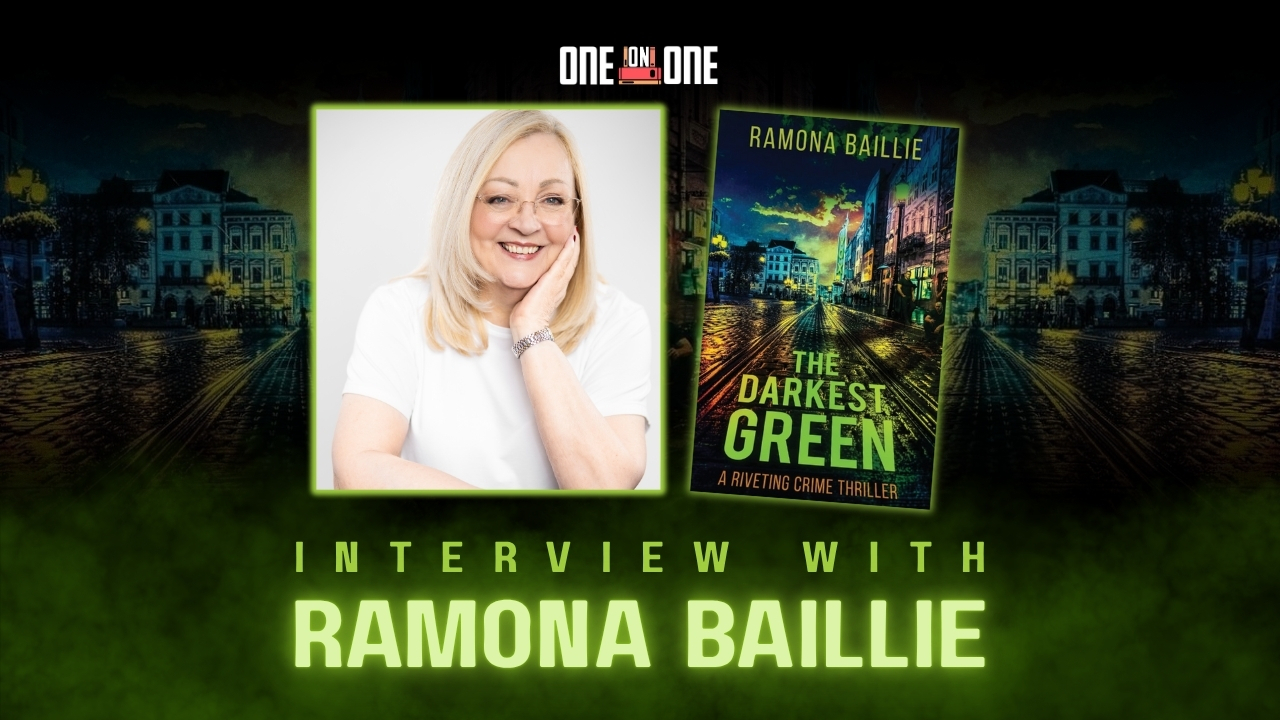
We’re sitting down with playwright and debut author Ramona Baillie as she discusses all things crime fiction. Her freshman novel, The Darkest Green, was just released this past June, and we’re dying to know the behind-the-scenes details. Step into Baillie’s dark criminal underbelly as she talks inspiration, personal background, and favorite reads.
About Ramona Baillie
Ramona Baillie is a seasoned writer and creative professional with a sharp eye for life’s grittier edges. Born in Westmount and raised in Pointe-Aux-Trembles — then one of Montreal’s roughest neighbourhoods — her childhood played out against a backdrop of gangs, BB guns, and street-level crime. By age nine, she was navigating dangers most adults never face, from attempted abductions to daily fights. Even the first — and only — bike she and her brother owned was stolen the day after they got it. Those early experiences gave her a crash course in resilience, street smarts, and human complexity — all of which now shape her distinctive narrative voice.
Her work is unapologetically honest, often exploring the messier, more off-centre parts of life. As one colleague put it, Ramona has “a distinct affinity for the messy and off-kilter,” and she’s not afraid to go there. While happy endings sometimes find their way in, her writing lives firmly in the real world.
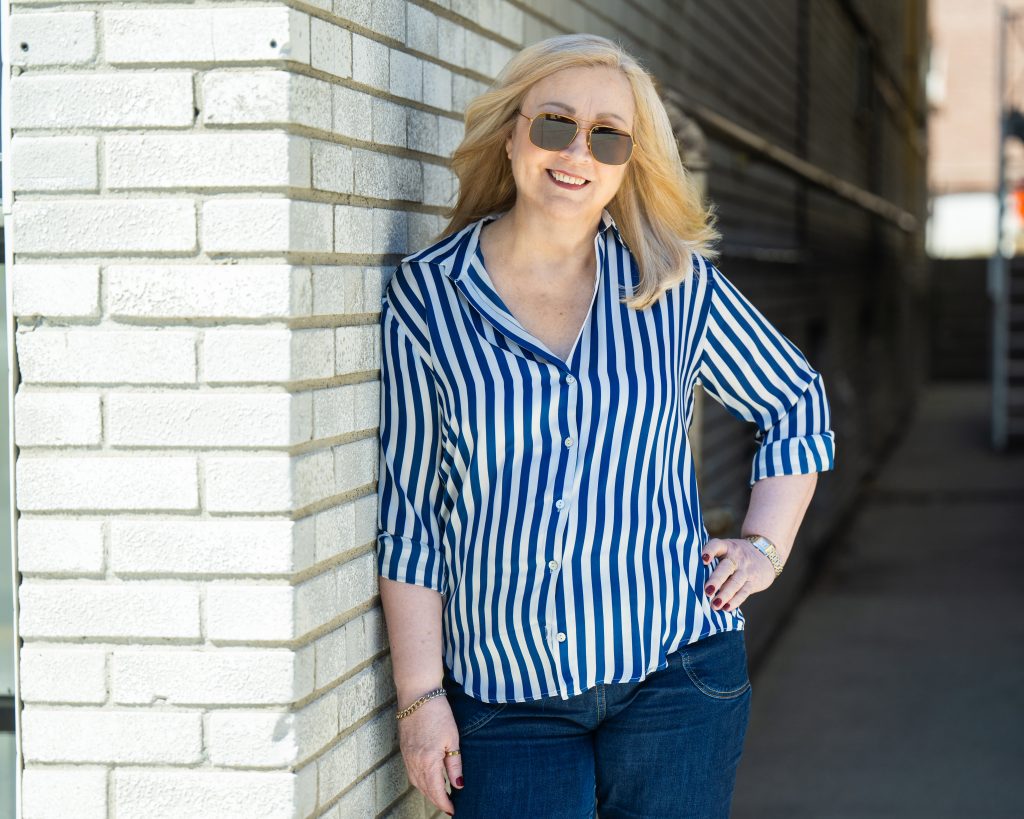
Professionally, Ramona has built an impressive 30-year career in the staffing and HR industry, earning an Honorary Life Award from the Human Resources Professionals Association for her outstanding contributions. She has served on corporate and non-profit boards and brings a strong leadership mindset to her creative projects.
As a playwright, screenwriter, and producer, Ramona has had six of her plays performed across Canada, and her film scripts have garnered awards internationally, with productions in Canada, Europe, and the U.S. She’s also spent time in the vibrant arts scene of South Beach, Florida, before settling in Toronto where she now lives with her husband.
Ramona continues to explore the shadows of human experience through story — where the darkest green often hides the richest truths. Ramona’s debut book, The Darkest Green, is as unfiltered and grounded as the life that shaped it.
Keep up with the latest news for Ramona on her socials: Instagram, Facebook, Pinterest, and LinkedIn.
Thanks for talking with us today, Ramona. Let’s get started.
For those unfamiliar, please tell us about your debut novel, The Darkest Green.
The book is a gritty dive into Houston’s criminal underworld, where power, revenge, and survival rule the streets and where an innocent becomes a pawn in a power struggle that no one can win.
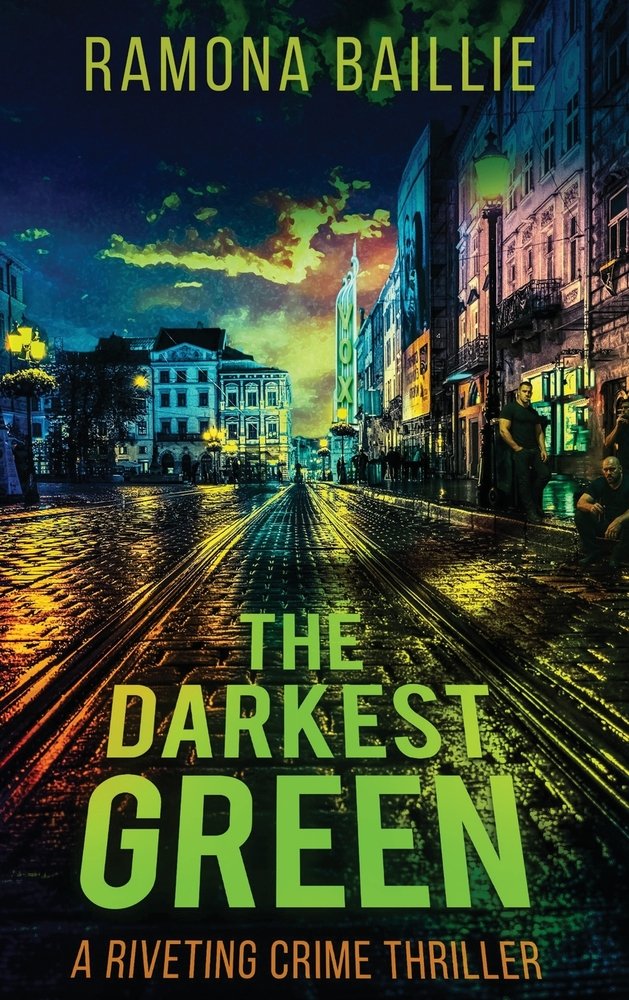
The Darkest Green is a true crime psychological thriller that includes themes of human trafficking and violence. What was the catalyst for writing such a novel?
I was fascinated by the theme of Verdi’s opera, Rigoletto. I found it dark and compelling and wondered how that would play out in modern-day urban America. Having spent a few formative years in Pointe-Aux-Trembles — then one of Montreal’s roughest neighbourhoods filled with gangs, guns, and street-level crime — I felt having characters at ease in this environment would be a good starting point.
Given the aspects of the book mentioned above, what was most challenging about researching or depicting these sensitive topics to maintain authenticity while crafting a compelling narrative?
I felt it was important not to shy away from the darker side of human nature. What people would be willing to do without shame or accountability. The abuse of power, criminal syndicates, and flesh trafficking are unfortunate societal realities. I felt making the criminals real would reflect an important aspect of the narrative in direct opposition to the lighter, more innocent characters.
You mentioned that your stories reflect the idea that “the world isn’t an innocent, safe place.” How does The Darkest Green specifically explore this idea, and what kind of “darker real-life situations” can readers expect to encounter?
It isn’t just the violence that takes place. It’s the aftermath. The emotional danger. The heartbreak that lingers longer than the bruises. The Darkest Green will take them on that journey with unexpected consequences of the characters’ actions at every turn.
You said one of the recurring themes in your work is “How easy it is to love someone and how easy it is to suffer from that love.” How does this theme play out in the relationships and character arcs within The Darkest Green?
At one time, the working title for this novel was Love Hurts. I changed it because it sounded like such a cliché. But, is it really? In The Darkest Green, romantic uncertainties are realized. Loving someone can prove to be disappointing, painful, even dangerous — played out as innocence and corruption intertwine throughout the story.
You admire authors like Anne Rice and Amor Towles for their interesting characters, even the “evil” ones or those who are “survivors.” How have these authors influenced the characters you’ve created in The Darkest Green?
Anne Rice created beautiful yet dangerous characters. Her stories are always about the struggle between good and evil. Her protagonists are charismatic, yet considered evil: vampires, werewolves, witches… However, they always have a personal moral compass that they follow, which allows you to stand by them. Other examples of my fascination with characters I’ve loved to hate and hated to love would be Tony in The Sopranos, Jax in Sons of Anarchy, and Walter in Breaking Bad. All characters we root for, even though we shouldn’t.
Amor Towles is simply such a fine writer that you can’t help but lose yourself in his stories. He’s meticulous in his approach to storytelling, and it’s obvious that his research is beyond reproach. The first book I read of his was A Gentleman in Moscow. I read it twice in one year — His main character, Count Rostov, is placed under life house arrest in a Moscow hotel during the social and political upheavals of the Soviet era and proceeds to make the best of the situation. He’s a survivor!
I’ve strived to create characters driven by dark desires or societal pressures by digging into their complexities, emotions, and sensitivities.
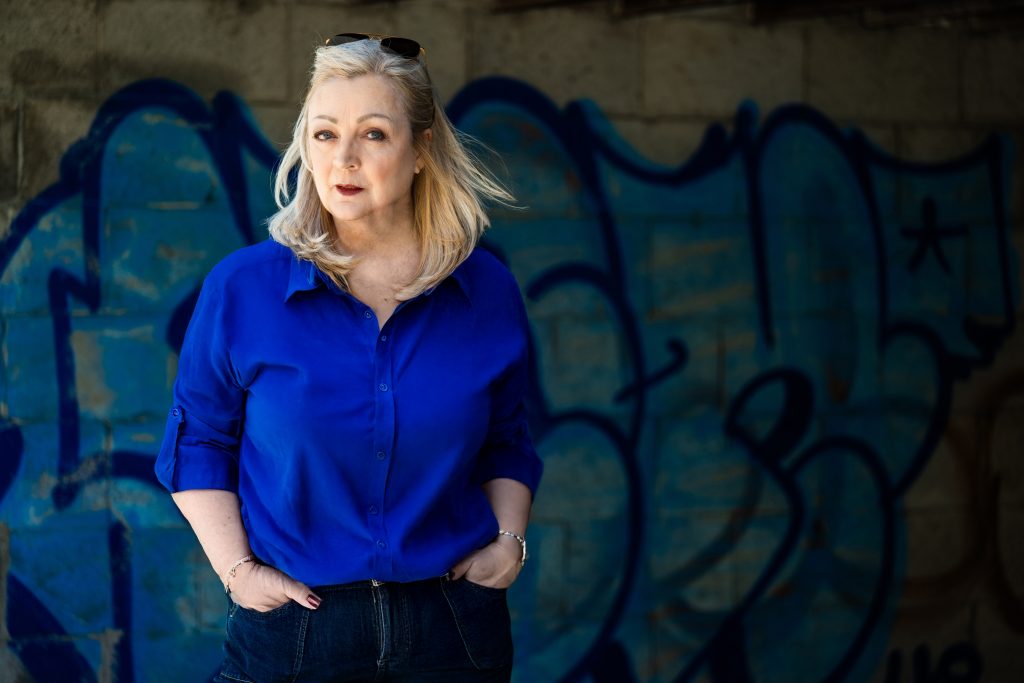
Ramona, you’ve written screenplays and stage plays, and now you’re a debut novelist. What was the biggest challenge in moving from writing for the screen to writing a full-length novel?
Writing the novel gave me the freedom to expand on my storytelling. With theatre, you are confined to a physical space. I loved the opportunity to open the doors to the world for my characters. With film, you have the same freedom, but still have to rely on actors to convey your character’s inner thoughts and emotions. With a novel, my readers are privy to their motives, fears, convictions — which, more often than not, conflict with their actions. My readers are able to connect with all the characters because they know what drives both the innocent and the guilty. I knew a novel would give me this opportunity. Ensuring I achieved this was the biggest challenge.
Given your background, how do you think your experience as a screenwriter influences your approach to pacing, dialogue, or scene construction in your novels? Are there any specific screenwriting techniques you found yourself using?
My experience as a screenwriter definitely governs my approach. I like a fast-paced story with rising stakes and unexpected plot twists and turns. A typical screenwriting structure introduces your characters and their desires. Then confrontation and complications. And lastly, resolution. I’ve definitely continued using this construct with my book.
Every author has a dream cast. For The Darkest Green, if you had your pick of actors for the lead roles, who would they be? What unique talents or characteristics do they possess that you feel would truly capture the essence of your characters?
I first chose my dream cast based on physical appearance. They had to remind me of my characters. However, that said, Jacob Elordi has the ability to portray complex characters with depth and nuance — exactly what is needed for the role of Luke. Mark Strong has the ability to convey both strength and vulnerability in complex characters — skills needed to portray Gabriel. Eden Summer Gilmore’s performances have been praised as adorable and touching. She can project the innocence of a sheltered girl with the unexpected resilience and determination that Tessa shows.
To close, can you recommend three books that readers who will love The Darkest Green would also enjoy?
My five favorite crime thrillers are:
- The Girl with the Dragon Tattoo by Stieg Larsson
- The Girl Who Played with Fire by Stieg Larsson
- The Girl Who Kicked the Hornet’s Nest by Stieg Larsson
- Tourist Season by Carl Hiaasen
- Riding the Rap by Elmore Leonard
- The Black Dahlia by James Ellroy
I found myself relating to the characters almost immediately, so all of these books were hard to put down once opened.
A big thanks to Ramona for such an amazing interview. You can pick up her debut crime thriller, The Darkest Green, from any of the links above.
Interested in more crime recs? Click here.
Find these books and more on our Heart Racingly Good Thrillers and Mysteries Bookshop shelf.